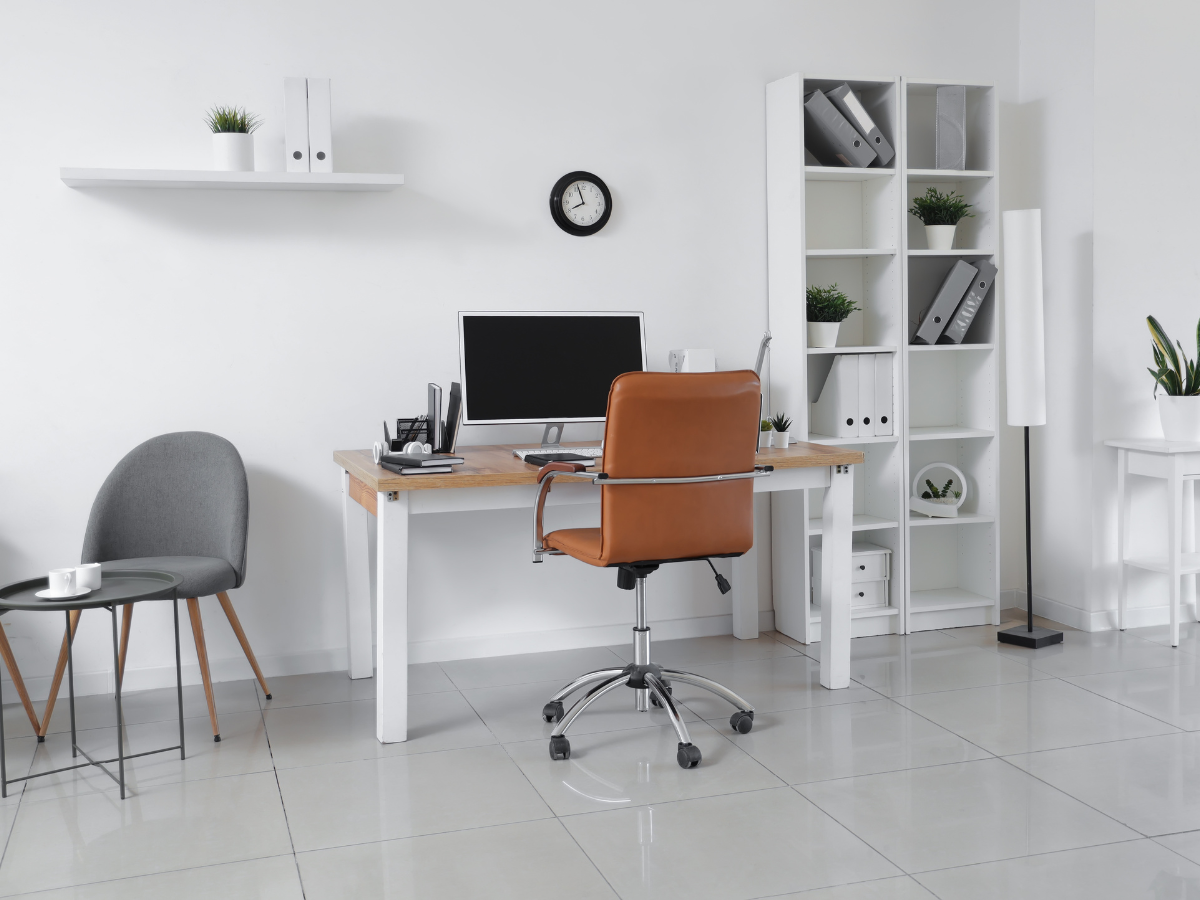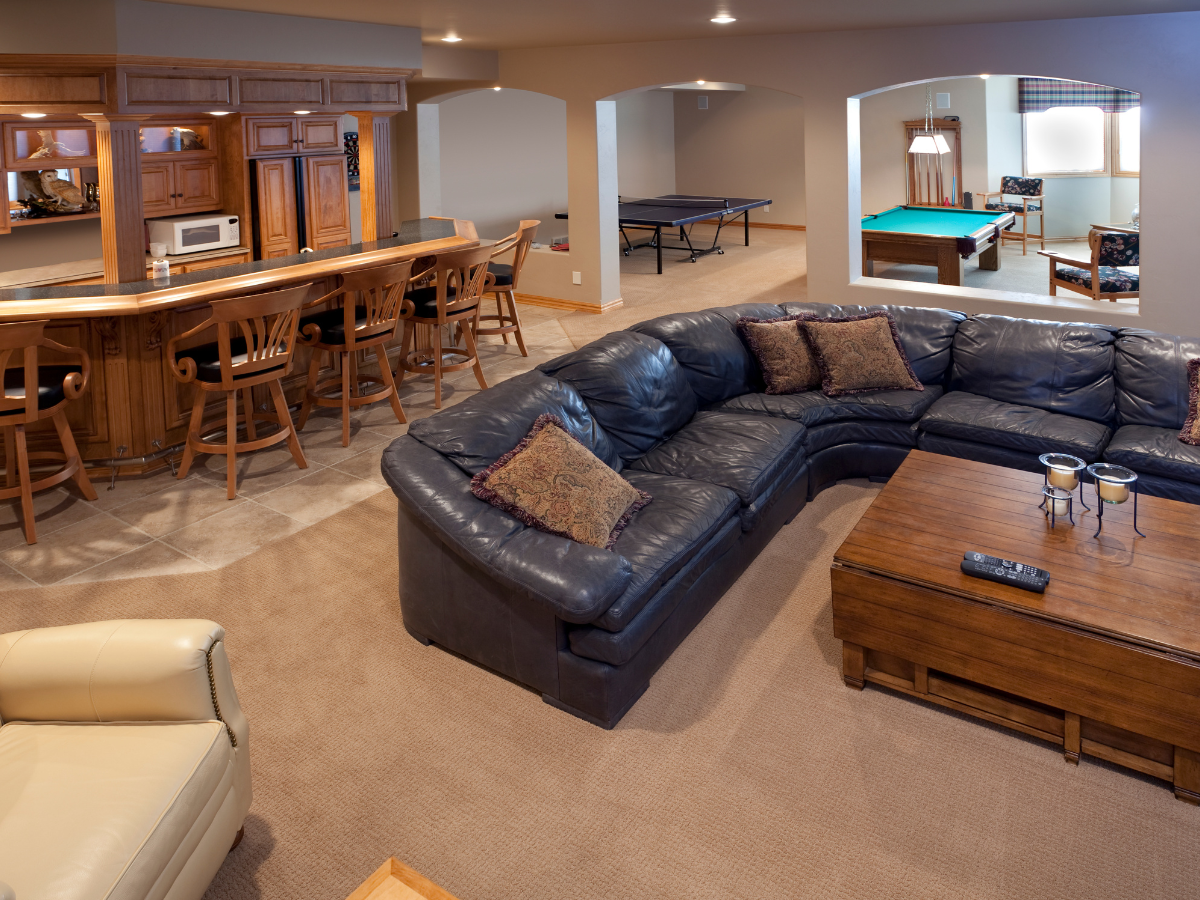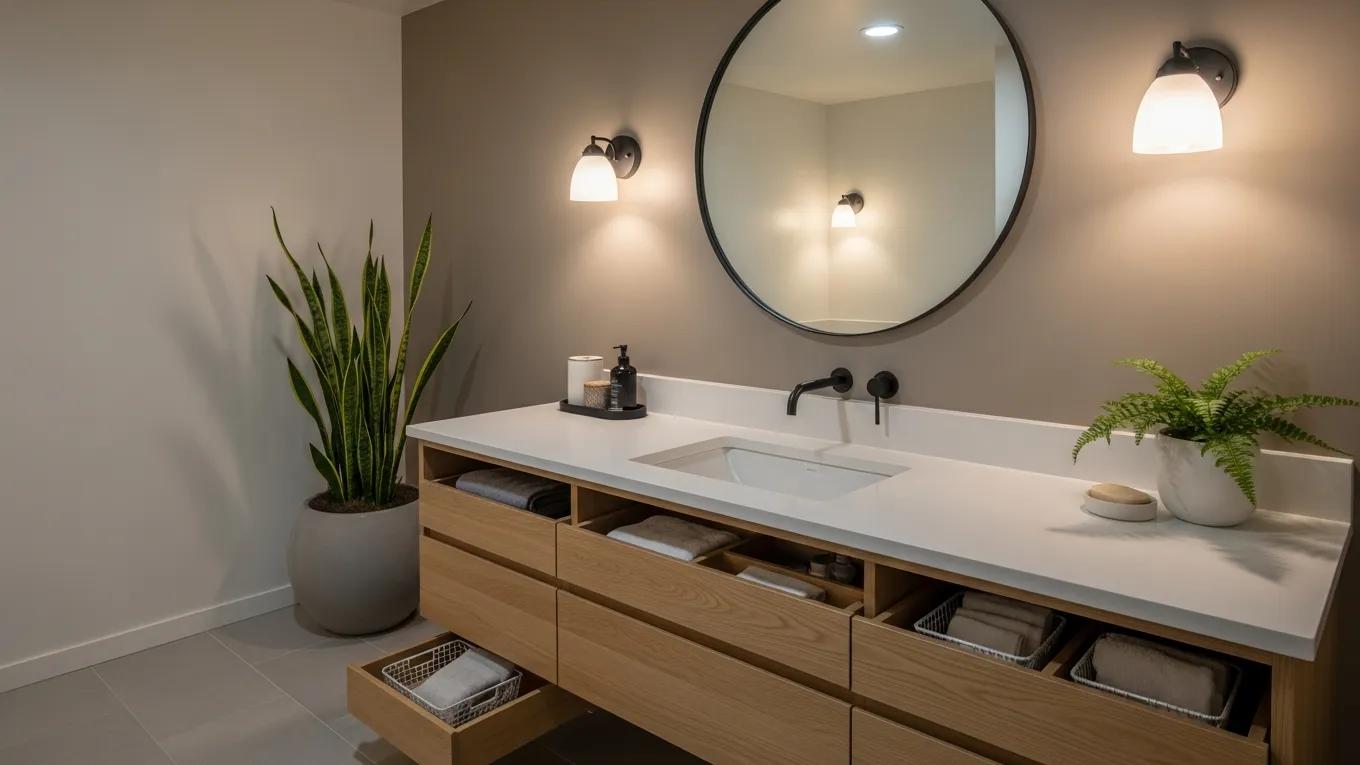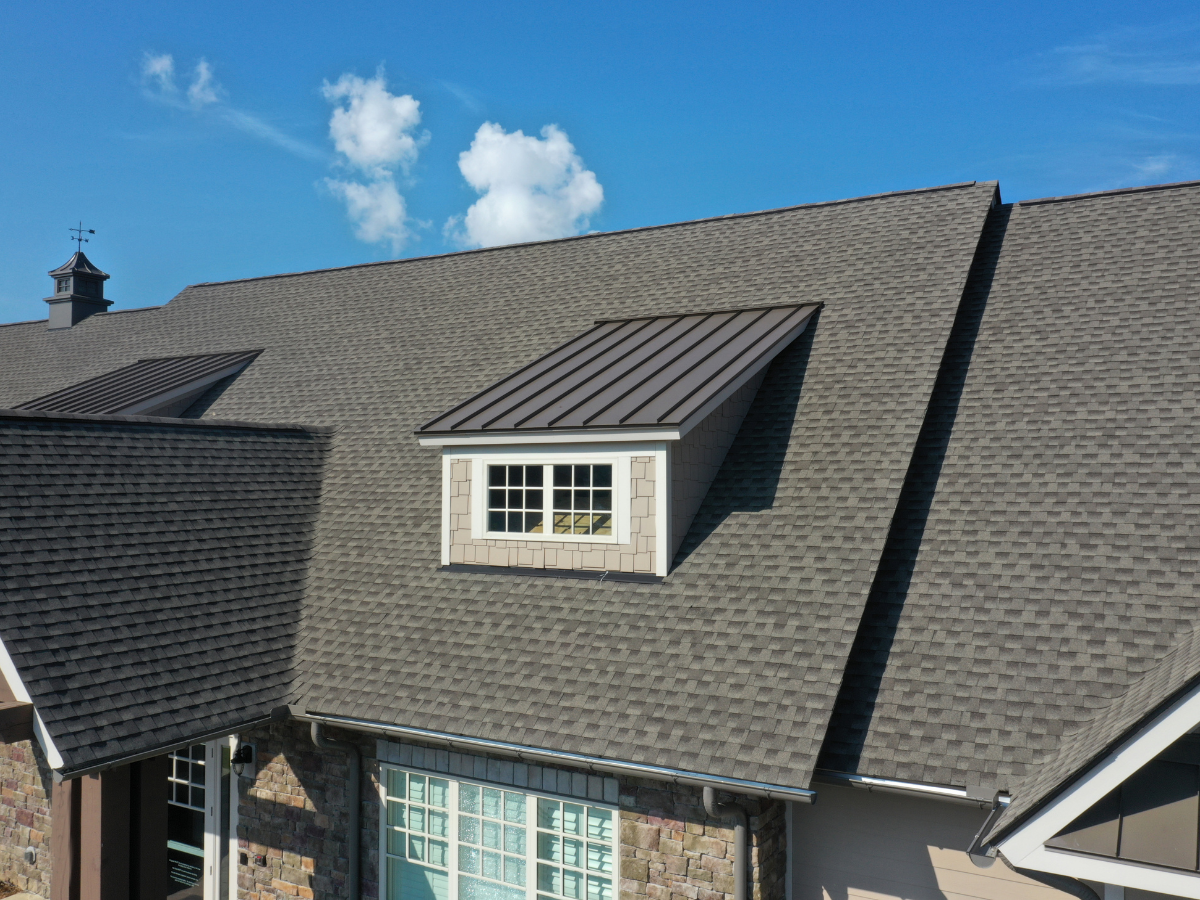
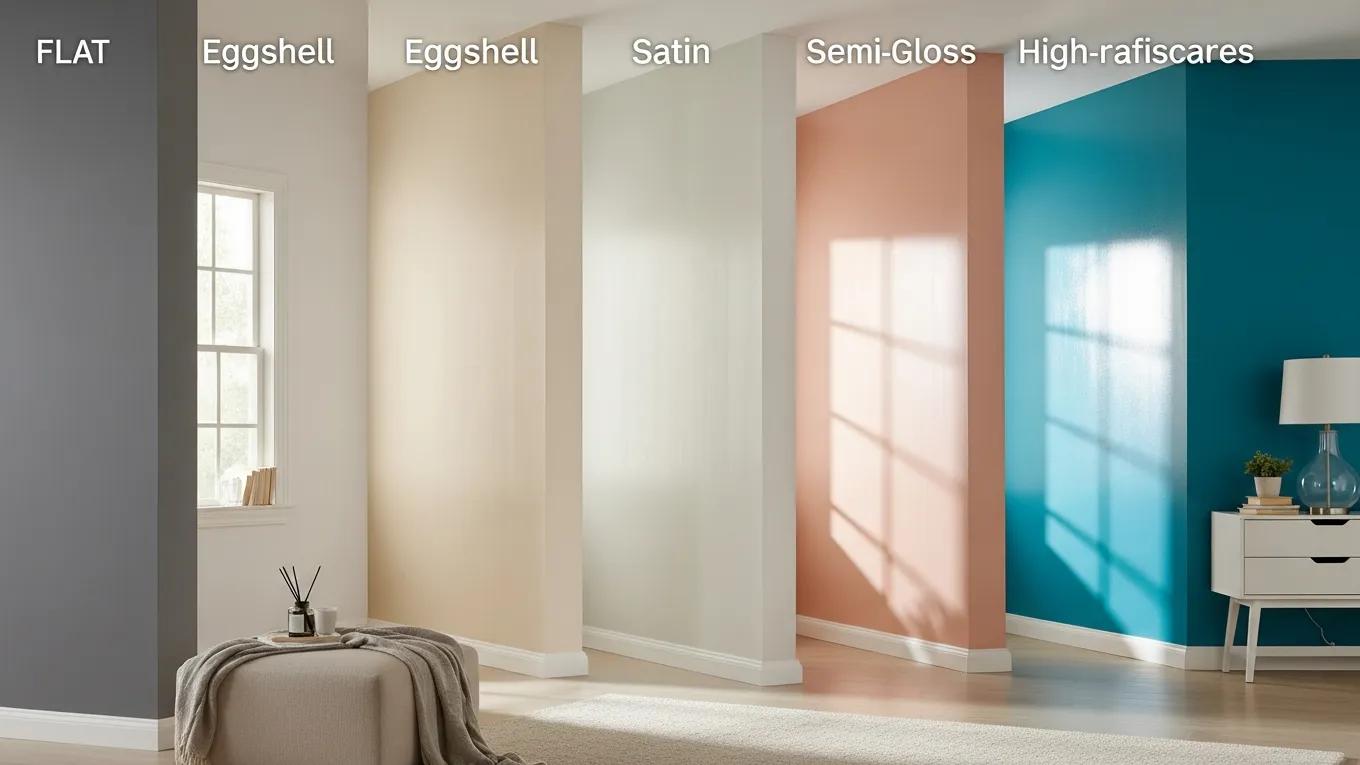
Choosing the perfect paint color is only part of creating a beautiful finish. The sheen you select can dramatically affect how a room looks, how well the paint hides imperfections, and how easily the surface can be cleaned. From soft, matte walls to high-gloss trim, each finish is designed for a different purpose.
This paint sheen guide explains the differences between flat, eggshell, satin, semi-gloss, and high-gloss finishes, helping you understand where each one performs best. Factors like durability, moisture resistance, light reflection, and maintenance all influence which sheen is the right fit for a particular room.
By understanding how paint finishes work, you can choose the best option for every space in your home and achieve results that are both attractive and long-lasting.
Paint Sheen Guide: Choosing the Right Finish for Every Room
What Are Paint Sheens and Why Do They Matter?
Paint finishes are categorized based on their sheen levels, which range from flat to glossy. Each type of sheen has unique characteristics that make it suitable for specific applications.
Understanding these differences is essential for selecting the right finish for your project. The sheen level affects not only the visual appeal but also the durability and cleanability of the painted surface.
What Are Paint Sheens and Why Do They Matter in Remodeling?
Paint sheens are classifications that describe the glossiness of a paint finish. They range from flat, which reflects little to no light, to high-gloss, which reflects a significant amount of light. The choice of sheen impacts both the aesthetic and functional aspects of a room.
For instance, flat finishes are often used in low-traffic areas due to their ability to hide imperfections, while glossier finishes are preferred in high-traffic areas for their durability and ease of cleaning.
Understanding the significance of paint sheens is vital for achieving the desired look and performance in remodeling projects.
How Do Paint Gloss Levels Affect Interior Surfaces?
The gloss level of paint directly influences its appearance and performance. Higher gloss levels tend to reflect more light, making colors appear more vibrant and enhancing the overall brightness of a room.
Conversely, flat finishes absorb light, creating a softer, more muted look. Additionally, gloss levels affect the durability of the paint; glossier finishes are generally more resistant to stains and easier to clean, making them ideal for kitchens and bathrooms.
Understanding these effects can help you choose the right sheen for each surface in your home.
Which Surfaces Benefit from Different Paint Sheen Types?
Different paint sheens are suited for various surfaces based on their characteristics. For example, flat finishes are ideal for ceilings and low-traffic areas, as they help conceal imperfections.
Eggshell and satin finishes work well on walls in living rooms and bedrooms, providing a balance of durability and aesthetic appeal.
Semi-gloss and gloss finishes are best for trim, moldings, and high-moisture areas like bathrooms, where their washability and resistance to moisture are beneficial. Knowing which surfaces benefit from specific sheens can guide your selection process.
How to Choose the Best Paint Sheen for Walls and Trim?
Selecting the appropriate paint sheen involves considering several factors, including the room’s function, the desired aesthetic, and maintenance requirements.
For high-traffic areas, opt for glossier finishes that can withstand wear and tear. In contrast, for areas where a softer look is desired, such as bedrooms, eggshell or satin finishes may be more suitable.
Additionally, consider the lighting in the room; brighter spaces may benefit from lower gloss levels to reduce glare. By evaluating these factors, you can make informed decisions about the best paint sheen for your walls and trim.
What Are the Characteristics of Flat, Eggshell, Satin, Semi-Gloss, and Gloss Finishes?
| Sheen Type | Characteristics | Use Cases |
|---|---|---|
| Flat | Non-reflective, hides imperfections | Ceilings, low-traffic areas |
| Eggshell | Soft sheen, washable, good durability | Living rooms, bedrooms |
| Satin | Slightly glossy, durable, easy to clean | Hallways, family rooms |
| Semi-Gloss | Reflective, very durable, moisture-resistant | Trim, kitchens, bathrooms |
| Gloss | High reflectivity, very durable, easy to clean | Cabinets, furniture, high-traffic areas |
This table summarizes the key characteristics and ideal use cases for each paint finish type, helping you make informed choices for your remodeling projects.
Choosing the Right Paint Sheen for Every Room
Selecting the right paint color is only part of creating a beautiful interior. The sheen you choose has just as much influence on the finished result, affecting how a room looks, how well it stands up to daily wear, and how easy it is to clean.
A quality paint sheen guide helps homeowners match each finish to the room’s lighting, moisture levels, and everyday use, resulting in a space that looks better and performs well for years.
Rather than choosing the same finish throughout the home, it’s worth considering how each room functions and what demands are placed on the painted surfaces.
How Moisture and Natural Light Affect Paint Sheen
Environmental conditions should be one of the first factors you consider when selecting a finish.
In rooms with abundant natural light, higher-sheen paints reflect more light, which can brighten the space but may also highlight drywall seams, patches, or surface imperfections. Flat and matte finishes absorb light instead, creating a softer, more uniform appearance that’s ideal for walls with minor flaws.
Moisture is equally important. Bathrooms, laundry rooms, and kitchens experience frequent humidity, condensation, and splashes, so they benefit from finishes that resist moisture and can be wiped clean without damaging the paint film.
Using a paint sheen guide that considers both lighting and moisture helps ensure each room balances appearance with long-term durability.
Understanding the Differences Between Paint Sheens
Each finish offers a different combination of durability, cleanability, and visual appearance.
| Paint Sheen | Best For | Main Benefits |
|---|---|---|
| Flat or Matte | Ceilings, bedrooms, formal dining rooms | Conceals imperfections and creates a soft, elegant finish |
| Eggshell | Living rooms, home offices, hallways | Low sheen with improved washability for everyday spaces |
| Satin | Family rooms, children’s bedrooms, kitchens | Durable, easy to clean, and resistant to moderate moisture |
| Semi-Gloss | Bathrooms, trim, doors, cabinets | Excellent moisture resistance and simple maintenance |
| High Gloss | Cabinets, furniture, accent trim | Maximum durability with a reflective, polished appearance |
This comparison makes it easier to match each finish to the demands of the room rather than choosing based on appearance alone.
When Should You Choose Flat or Matte Paint?
Flat and matte finishes remain popular because they minimize surface imperfections better than any other sheen. They produce a smooth, sophisticated look that works especially well in bedrooms, formal living spaces, and ceilings where durability is less important.
However, these finishes can be more difficult to clean than higher-sheen paints. In areas where fingerprints, scuffs, or frequent washing are expected, a more durable finish is usually the better choice.
Why Eggshell and Satin Are Popular for Everyday Living Spaces
For many homeowners, eggshell and satin offer the best balance between appearance and practicality.
Eggshell provides a subtle, low-luster finish that hides minor wall imperfections while standing up to occasional cleaning. It’s an excellent option for living rooms, dining rooms, and hallways.
Satin has a slightly richer sheen and increased durability, making it well suited for busy households. Family rooms, children’s bedrooms, kitchens, and high-traffic corridors often benefit from satin because it resists scuffs and cleans more easily without looking overly glossy.
The Best Paint Sheens for Bathrooms and Other High-Moisture Areas
Bathrooms require finishes that can handle constant exposure to humidity, steam, and frequent cleaning. Semi-gloss is one of the most common choices because it resists moisture, sheds water more effectively, and stands up to repeated wiping.
High-gloss finishes can also perform well on trim, cabinets, and doors in bathrooms, where extra durability is valuable. Pairing these finishes with a high-quality bathroom paint formulated to resist mildew provides additional long-term protection.
If you’re using a paint sheen guide to plan an entire home, reserve the higher-gloss finishes for moisture-prone or high-contact surfaces while using softer finishes in living areas and bedrooms. This approach creates visual consistency while ensuring each room receives the level of durability it actually needs.
Choosing the right sheen isn’t simply about achieving a certain look. It’s about matching the finish to the room’s conditions, maintenance needs, and daily use. With the right combination of flat, eggshell, satin, semi-gloss, and gloss finishes, you can create interiors that are attractive, easier to maintain, and built to last.
Paint Sheen Durability, Cleaning, and Long-Term Maintenance
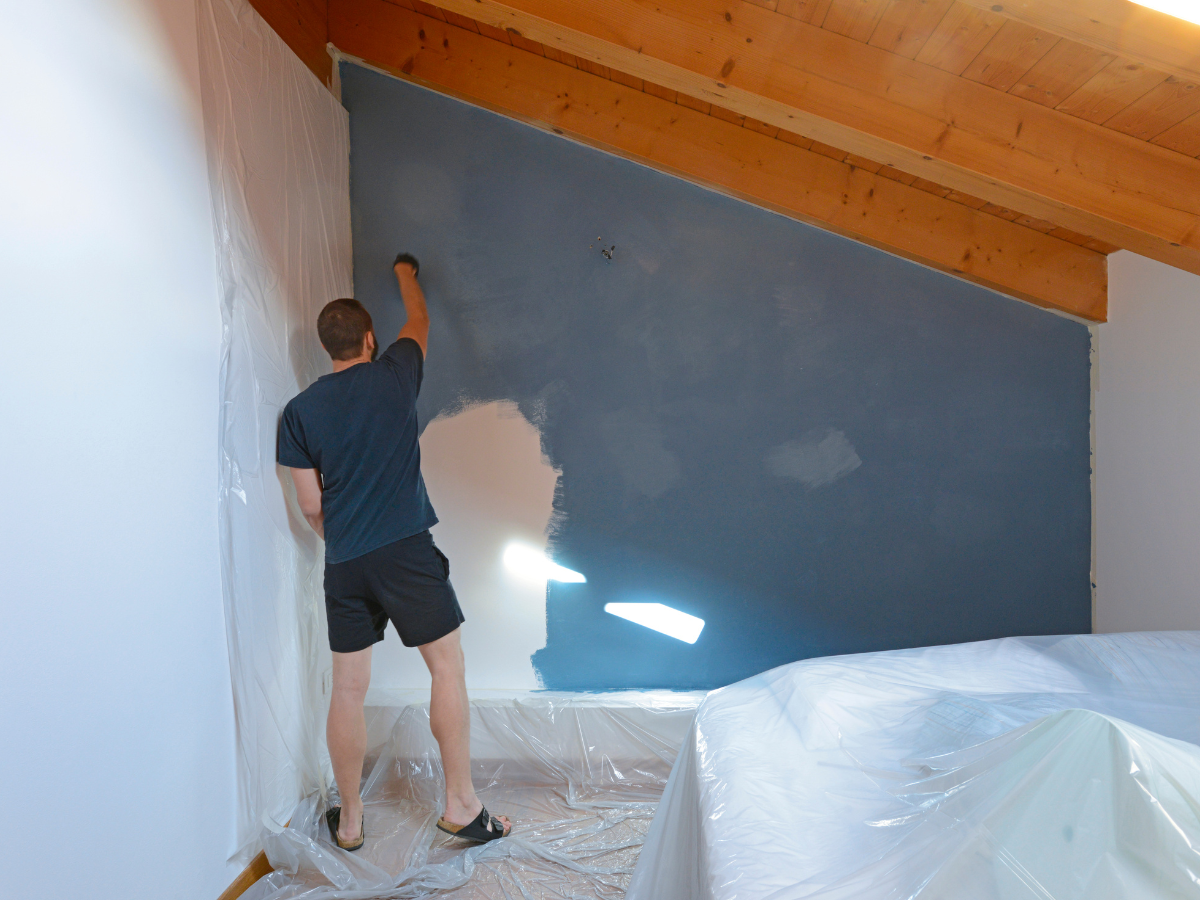
Choosing the right finish isn’t just about appearance. A paint’s sheen directly affects how well it withstands daily wear, how easily it can be cleaned, and how often it will need touch-ups. A reliable paint sheen guide should help homeowners think beyond aesthetics and choose finishes that match the demands of each room.
High-traffic hallways, busy kitchens, children’s bedrooms, and bathrooms all experience different levels of wear. Selecting the appropriate sheen from the start can reduce maintenance, extend the life of your paint job, and keep walls looking fresh for years.
How Paint Sheen Affects Durability
As a general rule, the higher the sheen, the more durable the finish. Flat and matte paints have little to no reflectivity, making them excellent at hiding drywall imperfections and patchwork.
However, they are also more porous, making them susceptible to scuffs, fingerprints, and stains. Frequent cleaning or aggressive scrubbing can burnish the surface, leaving shiny spots that are difficult to touch up seamlessly.
Eggshell and satin finishes offer a practical middle ground. They provide improved durability without creating excessive shine, making them ideal for most living spaces.
Semi-gloss and high-gloss paints create a harder, more durable surface that resists moisture, stains, and repeated cleaning. These finishes are commonly used on trim, doors, cabinets, bathrooms, and kitchens where durability matters more than hiding imperfections.
A good paint sheen guide considers both aesthetics and everyday use, helping homeowners choose finishes that remain attractive long after the paint has dried.
Which Paint Sheens Last the Longest?
Longevity depends on both the quality of the paint and the sheen selected for the space.
| Paint Sheen | Durability | Best Applications |
|---|---|---|
| Flat/Matte | Moderate | Ceilings, bedrooms, formal spaces |
| Eggshell | Good | Living rooms, dining rooms, home offices |
| Satin | Very Good | Hallways, family rooms, children’s bedrooms |
| Semi-Gloss | Excellent | Kitchens, bathrooms, laundry rooms, trim |
| High Gloss | Maximum | Cabinets, doors, furniture, decorative trim |
Higher-sheen finishes generally resist moisture, stains, and everyday wear better than lower-sheen paints, making them a worthwhile investment in rooms that receive frequent use.
Choosing the Right Finish for Moisture-Prone Areas
Bathrooms, kitchens, and laundry rooms place unique demands on painted surfaces. Steam, humidity, grease, and regular cleaning can quickly shorten the lifespan of the wrong finish.
Semi-gloss remains one of the most popular choices because it repels moisture, cleans easily, and resists mildew when paired with quality bathroom or kitchen paint.
High-gloss finishes provide even greater durability but are best reserved for trim, cabinetry, and other architectural details since they tend to highlight wall imperfections.
Selecting the proper sheen for these environments helps reduce peeling, staining, and premature repainting.
The Best Way to Clean Different Paint Finishes
Cleaning painted walls properly helps preserve both the finish and the color. Using harsh chemicals or abrasive scrubbers can damage even the most durable paint.
Here’s a simple maintenance guide:
- Flat and matte finishes: Dust regularly and remove marks with a soft microfiber cloth or barely damp sponge. Avoid vigorous scrubbing, which can leave permanent shiny spots.
- Eggshell and satin finishes: Wash gently with warm water and a small amount of mild dish soap. Wipe with a soft sponge before drying with a clean cloth.
- Semi-gloss and high-gloss finishes: These surfaces tolerate more frequent cleaning and are suitable for areas exposed to grease, fingerprints, or moisture. Mild detergent and a soft cloth are typically all that’s needed.
Regardless of sheen, it’s best to clean spills and stains as soon as possible before they have time to set.
Simple Maintenance Habits That Extend the Life of Your Paint
Regular maintenance helps any paint finish last longer. Dust walls periodically, address scuffs promptly, and inspect high-moisture rooms for signs of peeling or mildew before minor issues become larger repairs.
When touching up painted surfaces, remember that higher-sheen finishes often require repainting an entire wall for a seamless appearance, while flat finishes generally blend more easily. Keeping a small amount of leftover paint for future repairs is a simple way to maintain a consistent finish.
By using a paint sheen guide to match each finish with the room’s function, homeowners can create interiors that are easier to maintain, more durable, and better suited to everyday living. Choosing the right sheen from the beginning often saves both time and money over the life of the paint job.
How Paint Sheen Influences Lighting, Color, and Overall Appearance

Paint sheen does more than determine whether a wall looks matte or glossy. It affects how light moves through a room, how colors appear throughout the day, and even how noticeable imperfections become.
Understanding these visual effects is an important part of any paint sheen guide because the same paint color can look dramatically different depending on the finish you choose.
Before selecting a sheen, consider the room’s natural light, artificial lighting, wall condition, and the atmosphere you want to create. The right finish can make a small room feel brighter, soften harsh lighting, or highlight architectural details.
How Paint Sheens Change the Way Light Reflects
Every paint sheen reflects light differently. Flat and matte finishes absorb most of the light that hits them, creating a softer, more muted appearance. This helps reduce glare and gives walls a smooth, elegant look that works well in bedrooms, dining rooms, and formal living spaces.
As sheen levels increase, so does light reflectivity. Eggshell and satin finishes gently bounce light around the room without becoming overly shiny, while semi-gloss and high-gloss finishes reflect significantly more light, creating brighter surfaces with greater visual contrast.
Using a paint sheen guide to match reflectivity with the room’s lighting conditions helps achieve a balanced, comfortable space rather than one that feels overly bright or unexpectedly dull.
How Gloss Level Affects Color and Surface Texture
One of the most overlooked aspects of paint selection is how sheen changes the appearance of color.
Higher-gloss finishes often make colors appear deeper, richer, and slightly more vibrant because they reflect more light. Matte finishes produce a softer, more velvety appearance that can make bold colors feel more relaxed and understated.
Sheen also influences how much attention is drawn to the wall itself. Glossier finishes emphasize surface texture, making drywall seams, patches, nail pops, and other imperfections more noticeable. Flat finishes do the opposite by diffusing light, helping walls appear smoother than they actually are.
If your walls have visible imperfections and you’re not planning extensive repairs, choosing a lower sheen can improve the overall appearance without additional preparation.
The Visual Effect of Each Paint Sheen
Each finish creates a unique look while serving a different design purpose.
| Paint Sheen | Visual Appearance | Best Applications |
|---|---|---|
| Flat or Matte | Soft, non-reflective, elegant | Ceilings, bedrooms, formal spaces |
| Eggshell | Warm, subtle glow | Living rooms, dining rooms, home offices |
| Satin | Smooth with gentle light reflection | Hallways, family rooms, children’s bedrooms |
| Semi-Gloss | Bright, crisp finish | Trim, doors, kitchens, bathrooms |
| High Gloss | Highly reflective, dramatic | Cabinets, furniture, decorative accents |
Rather than selecting a sheen based solely on durability, think about the mood you want each room to create.
Matching Paint Sheen to Room Lighting
Natural and artificial lighting should always influence your decision.
Rooms with limited daylight often benefit from eggshell or satin finishes because they reflect enough light to brighten the space without producing excessive glare. These finishes help smaller rooms feel more open while maintaining a comfortable appearance.
In rooms with large windows and abundant sunlight, highly reflective paints may create unwanted glare during certain times of day. Matte or eggshell finishes often produce a more balanced result by softening bright natural light.
Artificial lighting also plays a role. Warm lighting tends to reduce reflections and create a cozy atmosphere, while cooler LED lighting can make glossy finishes appear even brighter.
Create the Right Atmosphere With the Right Sheen
Choosing the right finish isn’t simply about durability. It’s also one of the easiest ways to influence how a room feels.
Soft matte walls create a calm, sophisticated atmosphere that’s ideal for bedrooms and relaxing spaces. Eggshell and satin provide a versatile balance of warmth and practicality, making them popular throughout the home.
Semi-gloss and high-gloss finishes introduce contrast, making trim, doors, cabinetry, and architectural details stand out against flatter surrounding walls.
A thoughtful paint sheen guide considers lighting, color, surface condition, and room function together. By selecting the appropriate sheen for each space, homeowners can create interiors that not only perform well but also enhance the home’s overall design and visual appeal.
Eco-Friendly Paint Sheens and Best Practices for a Long-Lasting Finish
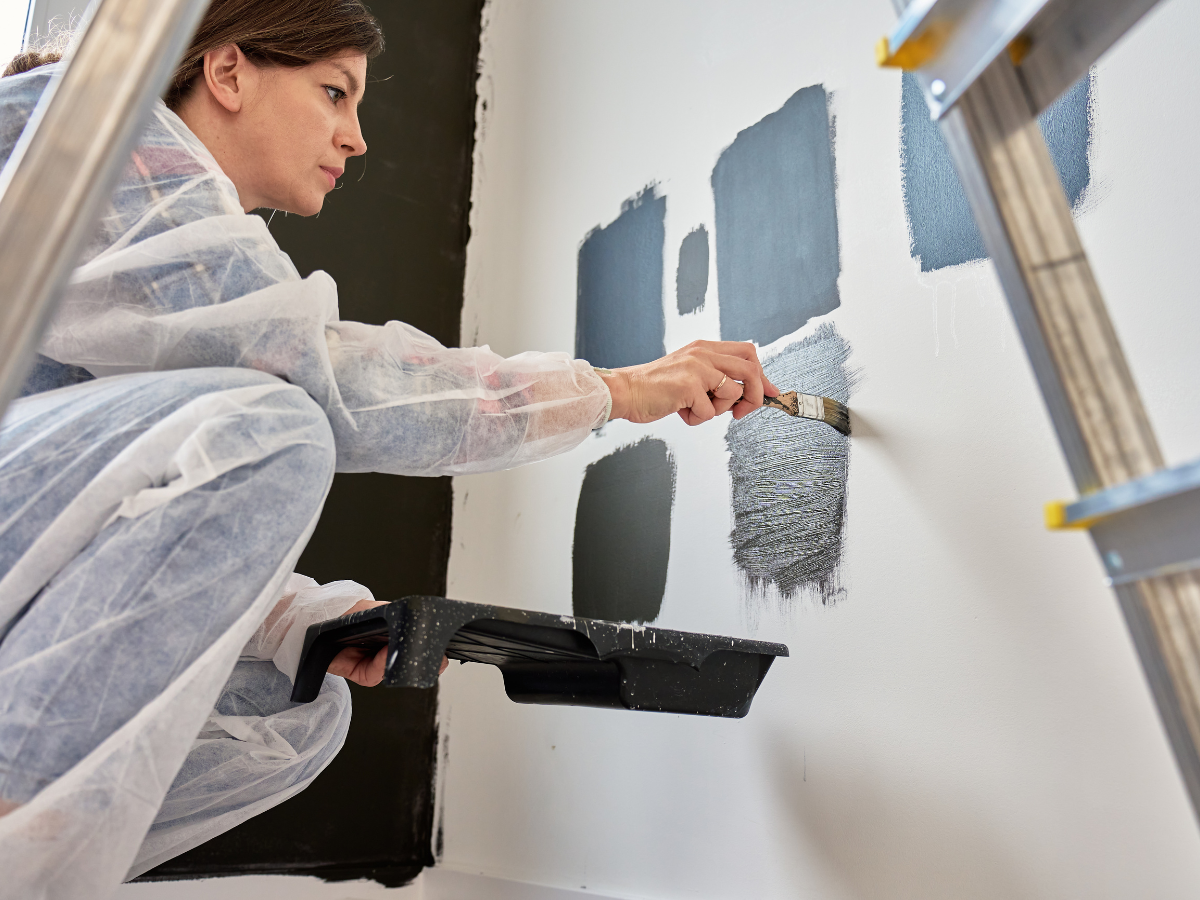
Choosing the right paint isn’t only about color and sheen. Today’s homeowners are also looking for products that are healthier for their families, more environmentally responsible, and durable enough to reduce the need for frequent repainting.
A complete paint sheen guide should consider both sustainability and proper application, since even the highest-quality paint performs best when applied correctly.
By combining eco-friendly products with proven painting techniques, you can achieve a finish that looks great, lasts longer, and minimizes maintenance.
Eco-Friendly Paint Options Have Come a Long Way
Modern paint technology has made it easier than ever to choose environmentally responsible products without sacrificing appearance or performance.
Many premium interior paints are now available in low-VOC and zero-VOC formulas, helping reduce indoor air pollution and lingering paint odors.
These products are available across virtually every sheen level, from flat to high gloss, allowing homeowners to prioritize healthier indoor air while still selecting the finish that best fits each room.
Beyond lower emissions, many newer paints also offer improved stain resistance, enhanced scrubability, better color retention, and stronger mildew resistance, reducing the need for frequent repainting over time.
A well-rounded paint sheen guide should encourage homeowners to consider both the finish and the paint formulation when planning an interior remodeling project.
Choosing Sustainable Paint Finishes for Every Room
Sustainability isn’t just about the paint itself. Selecting the appropriate sheen for each room can also increase longevity and reduce waste.
Consider these general recommendations:
| Room | Recommended Sheen | Why It Works |
|---|---|---|
| Bedrooms | Flat or Eggshell | Soft appearance with low maintenance needs |
| Living Rooms | Eggshell or Satin | Durable enough for everyday living while maintaining an elegant finish |
| Hallways | Satin | Handles frequent traffic and regular cleaning |
| Kitchens | Satin or Semi-Gloss | Resists moisture, grease, and repeated wiping |
| Bathrooms | Semi-Gloss | Excellent moisture resistance and easy maintenance |
Choosing durable finishes where they’re needed most means painted surfaces stay attractive longer, reducing the frequency of repainting and lowering long-term material consumption.
Paint Technology Continues to Improve
Recent advances in paint manufacturing have significantly improved both durability and environmental performance.
Today’s premium paints often include:
- Low-VOC or zero-VOC formulations
- Improved stain and scuff resistance
- Enhanced mildew and moisture protection
- Better fade resistance and color retention
- Stronger adhesion for longer-lasting results
These improvements allow homeowners to enjoy finishes that maintain their appearance with less maintenance while supporting more sustainable remodeling practices.
Best Practices for Applying Any Paint Sheen
Even the best paint won’t perform well without proper preparation. Surface preparation has a greater impact on the finished result than many homeowners realize.
Before painting:
- Clean walls thoroughly to remove dust, grease, and residue.
- Fill cracks, dents, and nail holes.
- Sand rough areas to create a smooth surface.
- Apply primer where recommended, especially over repairs, stained walls, or dramatic color changes.
During application:
- Use quality brushes and rollers designed for the selected sheen.
- Maintain a wet edge to reduce lap marks.
- Apply even coats rather than trying to achieve full coverage in one pass.
- Follow the manufacturer’s recommended drying time between coats.
These simple steps produce a smoother, more consistent finish regardless of the sheen you choose.
Applying Different Paint Sheens Successfully
Different finishes require slightly different techniques to achieve professional-looking results. Flat and matte paints are generally forgiving because they conceal minor application marks, but they still benefit from consistent rolling patterns.
Eggshell and satin finishes require even pressure and overlapping roller strokes to maintain a uniform appearance across large walls.
Semi-gloss and high-gloss paints demand the greatest surface preparation. Their reflective finish highlights sanding marks, drywall repairs, and brush strokes, making careful prep work essential.
Proper Maintenance Protects Your Investment
A high-quality paint job doesn’t end once the final coat dries. Routine maintenance helps preserve both the color and sheen for years to come.
Dust walls regularly, clean spills before they become stains, and use gentle cleaning products that are appropriate for the specific finish. Promptly addressing chips or scratches also prevents moisture from reaching the underlying surface.
A comprehensive paint sheen guide goes beyond selecting the right finish. It also emphasizes proper preparation, application, and maintenance.
When these elements work together, homeowners can enjoy beautiful, durable painted surfaces that remain attractive while supporting healthier, more sustainable living spaces.
Frequently Asked Questions About Paint Sheens
Which Paint Sheen Is Best for Interior Walls?
Eggshell is the most popular choice for interior walls because it offers a balance between appearance and durability. It has a soft finish that hides minor imperfections while being easier to clean than flat paint. For higher-traffic spaces such as hallways or family rooms, satin may be a better option.
Is Satin or Eggshell Better for Bathrooms?
Satin is generally the better choice for bathrooms because it offers greater moisture resistance and is easier to wipe clean. In bathrooms with frequent humidity, semi-gloss is another excellent option, particularly for trim and areas exposed to direct moisture.
What Paint Sheen Is Easiest to Clean?
Gloss and semi-gloss finishes are the easiest to clean because their smooth surfaces resist stains and moisture. Satin also provides good cleanability for everyday living spaces, while flat finishes are more likely to show marks and can be difficult to scrub without damaging the paint.
Does Paint Sheen Affect Color?
Yes. The same paint color can appear different depending on the sheen. Higher-gloss finishes reflect more light, making colors look richer and brighter, while flat and matte finishes absorb light, creating a softer, more muted appearance.
Which Paint Finish Hides Wall Imperfections Best?
Flat and matte finishes are the best choices for hiding drywall seams, patches, and surface imperfections because they reflect very little light. Higher-sheen finishes, such as satin or gloss, tend to highlight uneven textures.
Can You Use the Same Paint Sheen Throughout Your Home?
You can, but it’s usually not the best approach. Different rooms have different durability and moisture requirements.
A typical approach is to use eggshell for most living spaces, satin for higher-traffic rooms, semi-gloss for trim and doors, and semi-gloss or satin in kitchens and bathrooms. Following a room-by-room paint sheen guide typically delivers the best combination of appearance, durability, and ease of maintenance.
Which Paint Sheen Lasts the Longest?
More reflective finishes, such as satin, semi-gloss, and gloss, generally offer the greatest durability because they resist stains, moisture, and repeated cleaning better than flat finishes. However, proper surface preparation and quality paint also play a major role in longevity.
Should Ceilings Be Painted With Flat or Gloss Paint?
Flat paint is the preferred choice for most ceilings because it minimizes glare and helps conceal surface imperfections. Glossy finishes are rarely used on ceilings unless you’re creating a specific decorative effect.
Conclusion
Closing Paragraph
Choosing the right paint sheen is just as important as selecting the perfect color when updating your home. From the soft, matte appearance of flat paint to the durability and easy maintenance of satin and semi-gloss finishes, the right sheen can enhance the beauty, functionality, and longevity of every room.
Whether you’re refreshing a single space or planning a complete home renovation, expert guidance can help you achieve a polished, professional result. For trusted remodeling services and quality craftsmanship, choose FD Remodeling Atlanta & Marietta.
If you’re ready to transform your home with expert home remodeling and finishing touches, call 404-857-5582 to speak with the team at FD Remodeling Atlanta & Marietta or fill out the project form today.