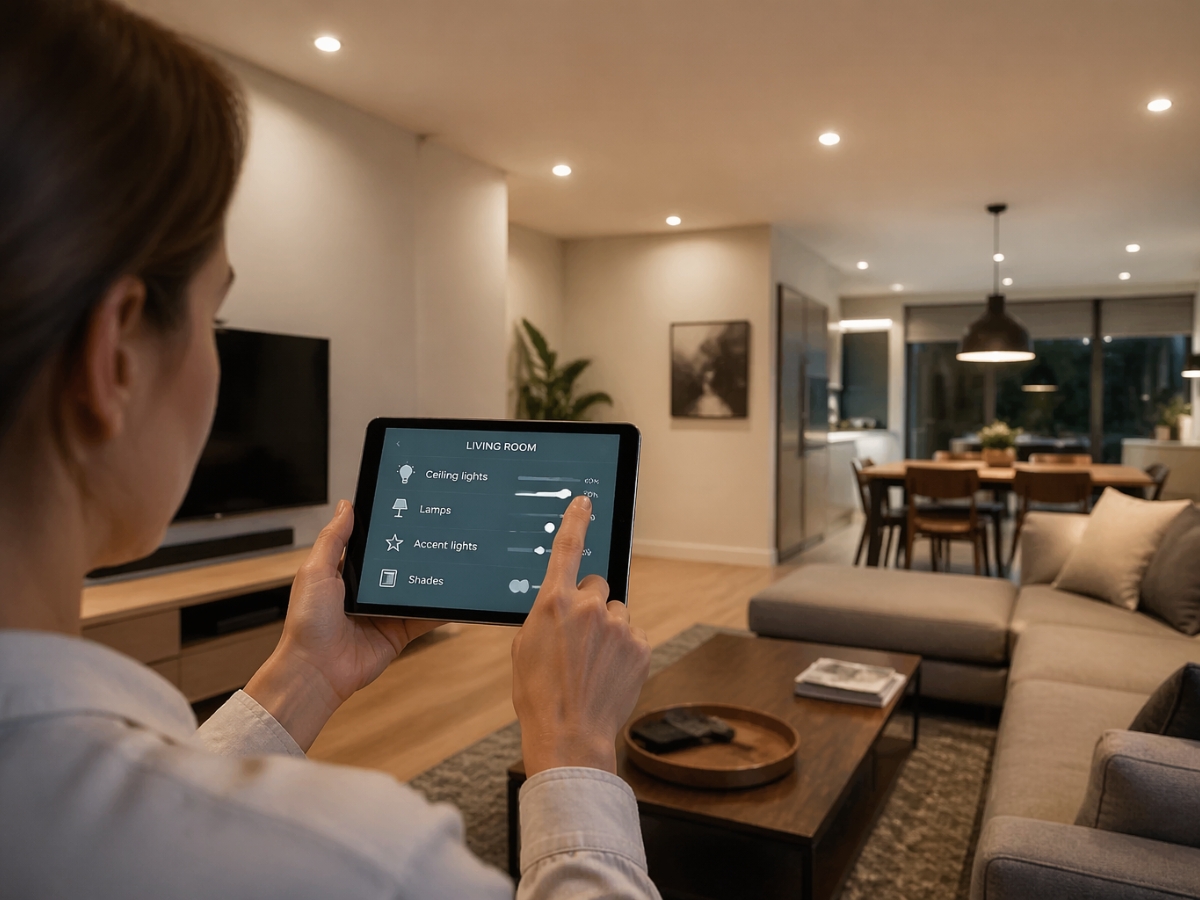
Lighting is no longer just about flipping a switch. It plays a role in how your home feels, functions, and adapts throughout the day.
Integrating smart lighting systems into your home allows you to control brightness, color, and timing with greater precision, creating a more responsive and efficient living environment.
Smart lighting can be programmed to match your daily routines, enhance security, and reduce energy use without constant adjustments. From voice-controlled features to automated schedules, these systems offer convenience while improving overall comfort.
With the right setup, smart lighting can transform how you experience each room, making your home more flexible, efficient, and tailored to your lifestyle.
Integrating Smart Lighting Systems into Your Home for Better Control
What Are Smart Home Lighting Systems And How Do They Work?
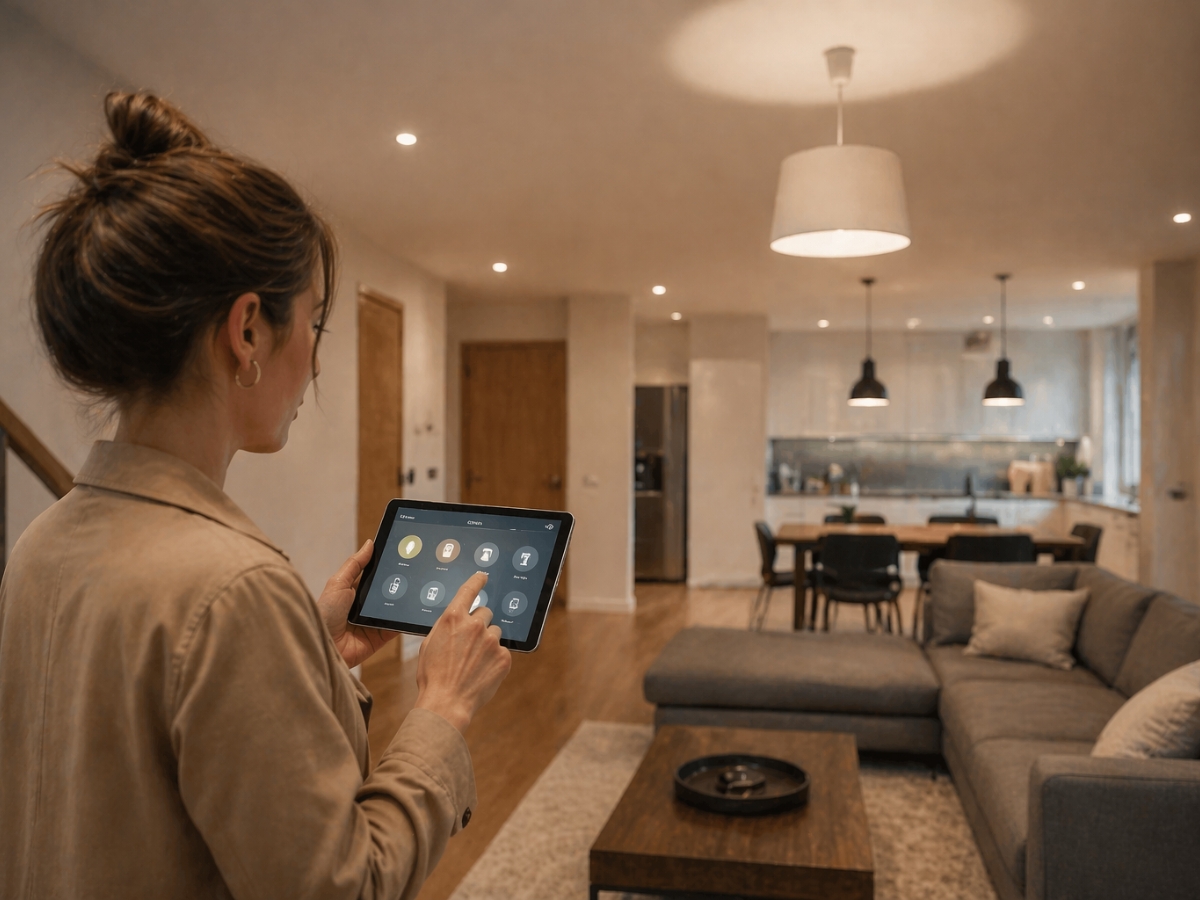
Smart home lighting systems bring a new level of control and flexibility to everyday lighting. Instead of relying on traditional switches alone, these systems allow you to manage lights through apps, voice assistants, or automated schedules.
At their core, smart lighting setups combine connected bulbs, switches, and control hubs that communicate wirelessly to create a more responsive and customizable environment.
One of the biggest advantages of smart lighting is convenience. Whether you are adjusting brightness from your phone or setting lights to turn on before you arrive home, the system adapts to your routine.
At the same time, it can help reduce energy use by ensuring lights are only on when needed.
Defining Smart Lighting And Its Core Technologies
Smart lighting includes a range of components that work together to improve how lighting functions in a home. The most recognizable part is the smart LED bulb, which can be dimmed, brightened, or even changed in color without needing a physical switch.
These bulbs are designed to be energy efficient while offering more control than standard lighting options. Beyond bulbs, motion sensors add another layer of automation.
These devices detect movement and trigger lights to turn on or off automatically. This can be useful in areas like hallways or entryways, where hands-free operation improves both convenience and safety.
Timers and scheduling features also play an important role. With smart lighting, you can set lights to follow a daily routine, such as turning on at sunset or switching off at bedtime.
Over time, these small adjustments help create a consistent and comfortable lighting experience without requiring constant manual input.
How Wireless Protocols Enable Smart Lighting Control
The technology behind smart lighting depends on wireless communication. Devices connect through protocols like Zigbee, Z-Wave, or Wi-Fi, each offering slightly different benefits.
Zigbee and Z-Wave use mesh networks, where devices communicate with each other to extend range and improve reliability throughout the home.
Wi-Fi-based systems connect directly to your home network, allowing you to control lights from a smartphone or tablet without needing a separate hub. This option is often easier to set up, although it may rely more heavily on your network’s stability.
These protocols make it possible to control lighting from virtually anywhere. Whether you are in another room or away from home, you can adjust settings, check the status of your lights, or update schedules as needed.
This level of access is what makes smart lighting feel integrated into daily life rather than just an added feature.
How Smart Lighting Enhances Everyday Living
Beyond the technical side, smart lighting has a noticeable impact on how spaces feel and function. Adjusting brightness and color can change the mood of a room, making it easier to shift from focused work to relaxation.
For example, cooler tones can support productivity during the day, while warmer lighting creates a more comfortable atmosphere in the evening.
Automation also adds a sense of consistency. Lights that turn on and off at the right times can make a home feel more secure, especially when you are away.
Motion-activated lighting can reduce the need to search for switches in the dark, which is a small but meaningful improvement in everyday use.
As these systems become more common, smart lighting continues to evolve from a convenience into a practical part of modern home design. By combining simple controls with adaptable features, it offers a balance of efficiency, comfort, and ease of use that fits naturally into most households.
Which Types Of Smart Lighting Technologies Are Best For Your Home?
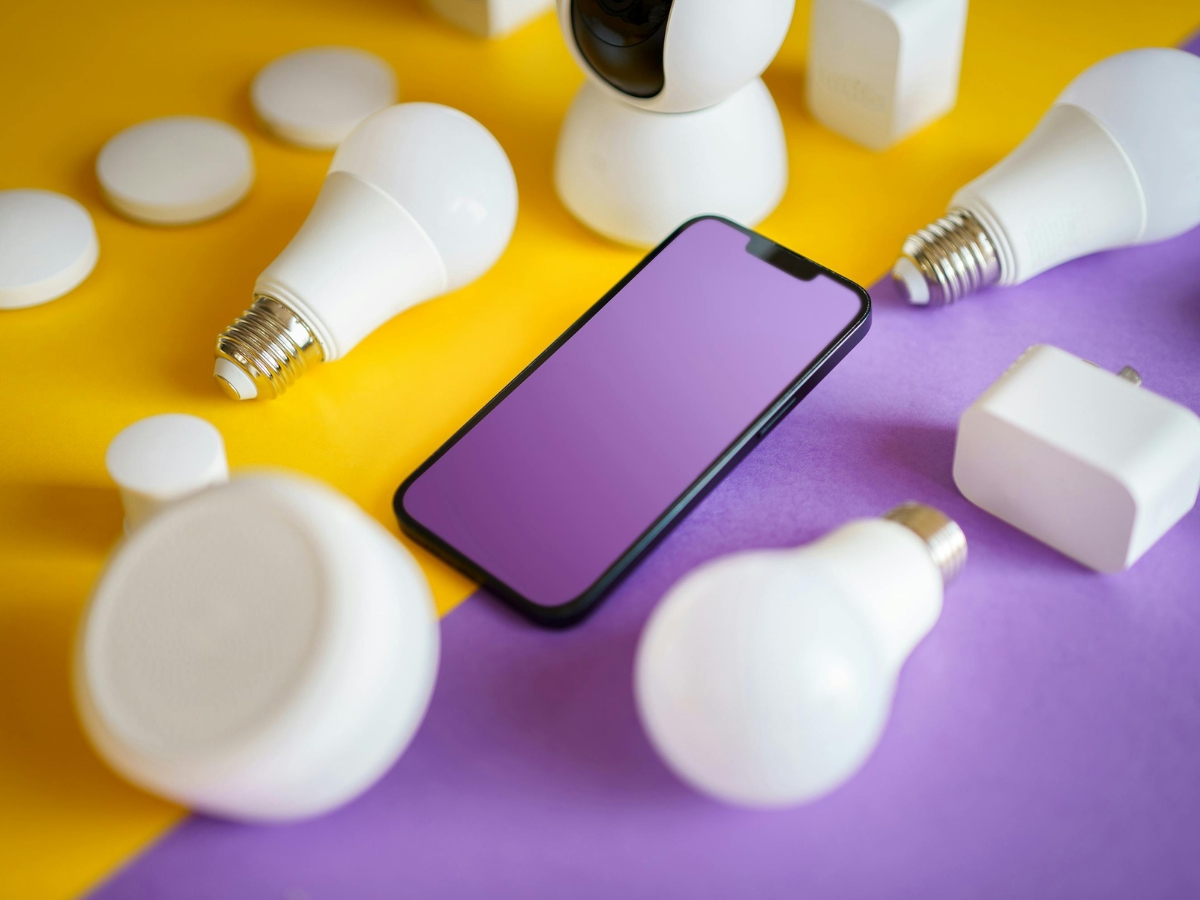
Choosing the right setup often comes down to how you already use your space. Smart lighting is not a one-size-fits-all upgrade.
Some homes benefit from simple bulb swaps, while others need more integrated control. Understanding the differences between the main options helps you make a choice that actually fits your routine.
The most common approaches include smart bulbs, smart switches, and centralized control devices. Each one solves a slightly different problem, so the best option depends on how much control you want and how your current wiring is set up.
Comparing Smart Bulbs, Switches, And Control Systems
Smart LED bulbs are usually the easiest place to start. They screw into existing fixtures and connect quickly to an app or hub.
This makes them ideal for renters or anyone who wants a low-effort way to try smart lighting. Many models offer dimming, color changes, and scheduling, which adds flexibility without needing electrical work.
Smart switches take a different approach. Instead of controlling individual bulbs, they replace the wall switch and manage the entire circuit.
This can be more practical in rooms with multiple lights, since one switch can control everything at once. It also keeps your lighting functional even if someone uses the physical switch, which is a common issue with smart bulbs.
Lighting control devices and hubs offer a more centralized experience. These systems connect multiple lights and sometimes other smart home features into one interface.
For larger homes or more advanced setups, this approach creates consistency across rooms. It also makes it easier to build automation routines that go beyond simple on and off commands.
How To Match Technology To Your Daily Use
The best smart lighting setup often reflects how you move through your home. For example, if you frequently adjust lighting for mood or tasks, smart bulbs may give you the most flexibility. You can fine-tune brightness or color in specific areas without affecting the rest of the space.
If convenience is the priority, smart switches tend to feel more natural. They work like traditional switches but add remote access and scheduling. This makes them a good fit for shared spaces where not everyone wants to rely on an app.
For those looking to create a more connected home, control systems can tie everything together. Instead of managing lights individually, you can set scenes that adjust multiple areas at once.
This kind of setup works well in homes where lighting plays a role in routines, such as winding down in the evening or starting the day.
Understanding Compatibility With Smart Home Platforms
Before choosing any system, it helps to think about compatibility. Smart lighting works best when it integrates smoothly with the platforms you already use.
Many devices connect with voice assistants or mobile ecosystems, allowing you to control lights through simple commands or routines.
For example, some households prefer voice control for quick adjustments, while others rely more on apps for scheduling and customization. Making sure your devices align with your preferred platform avoids frustration later on.
It is also worth considering how different products interact with each other. A system that works well on its own may feel limited if it cannot connect with other devices in your home. Planning ahead ensures your smart lighting setup remains flexible as your needs evolve.
Choosing A Setup That Works Long Term
Ultimately, the goal is to create a system that feels intuitive. Smart lighting should simplify daily tasks, not add extra steps. Whether you start with a single bulb or build a fully connected system, the key is choosing technology that matches your habits.
As you become more familiar with how these options work, it becomes easier to expand your setup over time. What starts as a small upgrade can gradually turn into a more cohesive lighting experience that fits naturally into your home.
How To Install Smart Lighting Systems: Step-By-Step Guide
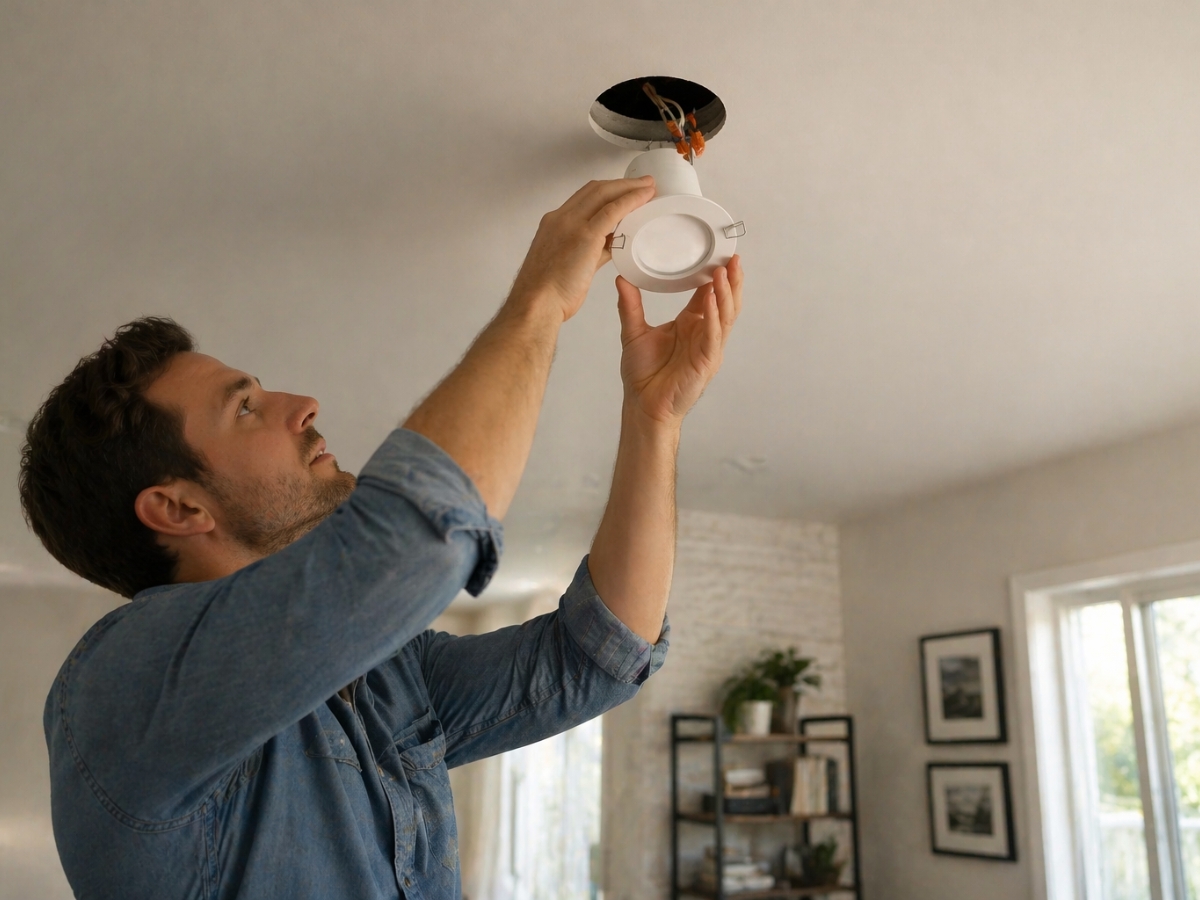
Installing smart lighting does not have to be complicated, but it does require a bit of planning. Whether you are replacing a few bulbs or upgrading switches, taking a structured approach helps you avoid common issues and ensures everything works as expected from the start.
The key is to match your installation method to your home’s layout and your comfort level with basic setup tasks. Some upgrades are as simple as swapping a bulb, while others involve light wiring and configuration.
Preparing Your Home For Smart Lighting Installation
Before installing anything, take a moment to evaluate your current setup. Look at the fixtures you already have and decide where smart lighting will make the biggest impact. For example, living areas and entryways are often the first places people choose to upgrade.
It is also important to check your wiring, especially if you plan to install smart switches. Many models require a neutral wire, which is not always present in older homes. Knowing this ahead of time can save frustration later.
Your home network plays a role as well. Since most smart lighting systems rely on Wi-Fi or a hub, a stable connection is essential. If your signal is weak in certain rooms, you may need to address that before installation to ensure reliable performance.
Taking care of these details early makes the rest of the process smoother and helps you avoid unnecessary troubleshooting.
Installing Smart Bulbs And Switches Safely
Once you are ready to begin, safety comes first. Always turn off the power at the circuit breaker before working with any electrical components. This step is easy to overlook, but it is critical for preventing accidents.
If you are installing smart bulbs, the process is straightforward. Remove the existing bulb and replace it with the smart version, making sure it is securely fitted. From there, you can move on to connecting it through the app.
Installing a smart switch requires a bit more attention. After removing the old switch, you will connect the wires to the new device according to the manufacturer’s instructions. It is important to follow these guidelines carefully, as wiring can vary depending on the home.
If you are unsure about any part of the wiring process, it is worth consulting a professional. A proper installation ensures your smart lighting system works reliably and safely over time.
Connecting Devices And Completing Setup
After the physical installation, the next step is getting your devices online. Most smart lighting products come with a dedicated app that guides you through the setup process. This typically involves connecting the device to your Wi-Fi network or linking it to a central hub.
During this stage, you can also name your lights and organize them by room. This makes it easier to control them later, especially if you plan to use voice commands or automation.
Once everything is connected, take a few minutes to test each device. Turn lights on and off, adjust brightness, and try any additional features to confirm that everything responds correctly. This step helps catch small issues before they become ongoing problems.
Making The Most Of Your New Setup
After installation, the real benefit of smart lighting comes from customization. You can set schedules, create routines, or adjust lighting based on time of day. These small changes add convenience and help your home feel more responsive to your daily habits.
Over time, you may choose to expand your system by adding more lights or integrating other smart devices. Starting with a solid installation makes it easier to build on your setup without needing to revisit earlier steps.
With the right preparation and a careful approach, installing smart lighting becomes a manageable project that delivers immediate and lasting value.
What Are The Benefits Of Integrating Smart Lighting Into Your Home?
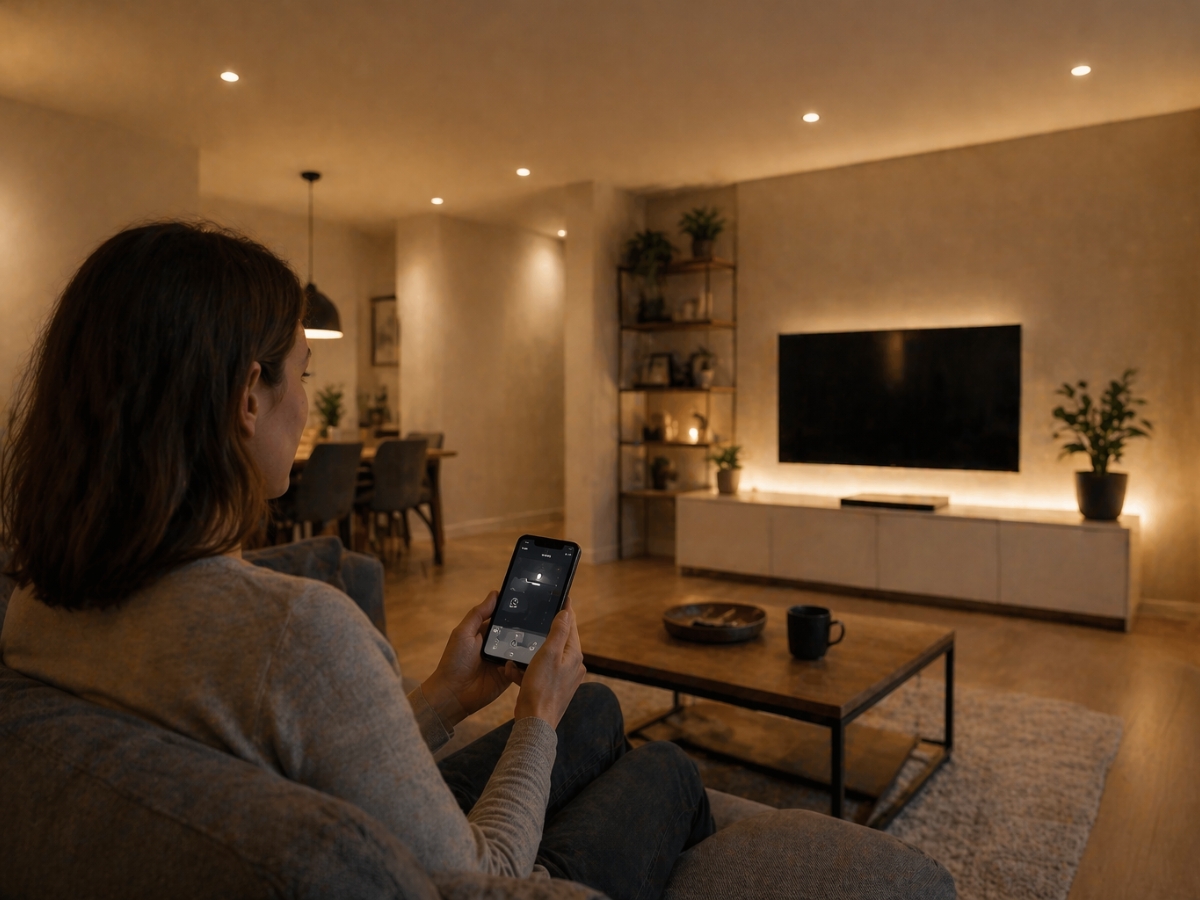
Adding smart lighting to your home goes beyond simple convenience. It changes how you interact with your space, giving you more control over energy use, safety, and daily routines.
Instead of relying on manual switches, you can manage lighting in a way that fits your lifestyle, whether that means automating schedules or adjusting brightness with a quick tap.
As more homeowners look for practical upgrades that improve both comfort and efficiency, smart lighting continues to stand out as one of the easiest and most impactful changes you can make.
Energy Efficiency And Cost Savings With LED Smart Bulbs
One of the most noticeable advantages of smart lighting is its ability to reduce energy consumption. Most systems rely on LED bulbs, which already use far less electricity than traditional options. When you combine that with smart features like scheduling and dimming, the savings can add up over time.
For example, instead of leaving lights on all day, you can set them to turn off automatically when rooms are not in use. You can also lower brightness levels in the evening, which not only reduces energy use but also creates a more relaxed atmosphere.
Another benefit is visibility into your usage. Many smart lighting apps provide insights into how often lights are used, helping you make small adjustments that lead to more efficient habits. Over time, this level of control makes it easier to manage energy without constantly thinking about it.
Enhancing Security And Convenience Through Automation
Beyond efficiency, smart lighting plays a key role in home security. Automated schedules can make your home look occupied even when you are away, which can help deter unwanted attention.
Lights that turn on at consistent times or respond to motion create a more active and lived-in appearance. Convenience is just as important.
With smart lighting, you are not limited to physical switches. You can control lights remotely, whether you are in another room or away from home. This is especially useful if you forget to turn something off or want to prepare your space before you arrive.
Automation also simplifies everyday routines. Morning lighting can gradually brighten to help you wake up, while evening settings can dim automatically as the day winds down. These small adjustments make your home feel more responsive without requiring constant input.
Creating A More Personalized Living Environment
Another benefit that often gets overlooked is the level of personalization smart lighting offers. You can tailor lighting to match different activities, from focused work to relaxed evenings. Adjustable color temperatures and brightness levels allow you to create the right environment without changing fixtures.
For households with multiple people, customization becomes even more useful. Different rooms can have their own settings, and preferences can be adjusted easily through an app. This flexibility means your lighting adapts to your needs rather than the other way around.
Over time, these features make your home feel more intuitive. Instead of adjusting lighting manually throughout the day, your system handles it in the background.
Long-Term Value Of Smart Lighting Upgrades
While the immediate benefits of smart lighting are clear, the long-term value is just as important. Energy savings, reduced wear on bulbs, and improved control all contribute to a system that pays off over time.
Smart lighting also integrates well with other home technologies, making it a strong foundation for broader upgrades in the future. Whether you expand into full home automation or simply want better control over your environment, starting with lighting is a practical step.
In the end, smart lighting offers a balance of efficiency, security, and comfort. It is a straightforward upgrade that delivers both immediate convenience and lasting value for your home.
How To Troubleshoot Common Issues In Smart Lighting Systems?
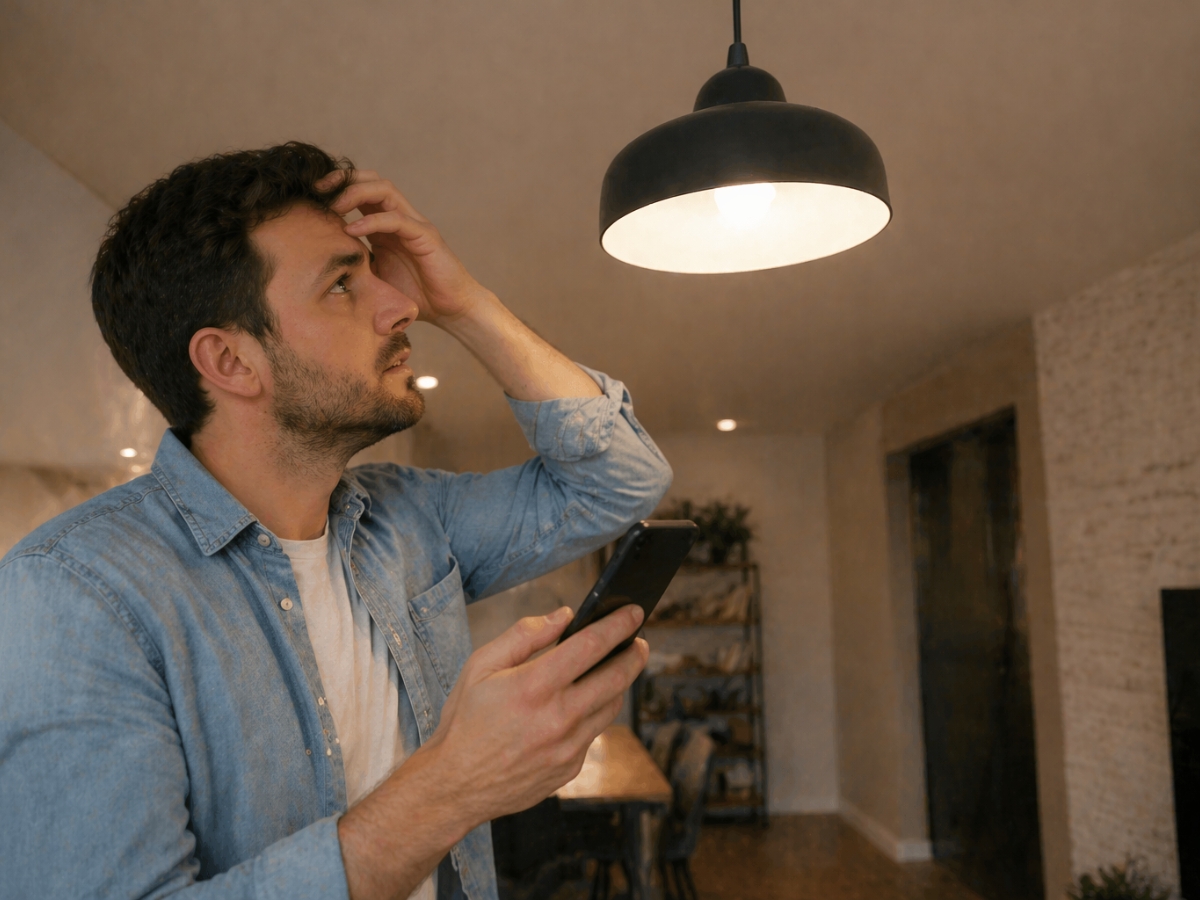
While smart lighting systems are designed for convenience, occasional issues can still arise. Most problems are minor and can be resolved quickly once you understand what is causing them.
Taking a practical, step-by-step approach helps restore performance without unnecessary frustration. Whether you are dealing with unresponsive lights or inconsistent behavior, knowing how to troubleshoot smart lighting keeps your system reliable and easy to manage over time.
Resolving Connectivity And Compatibility Problems
One of the most common challenges with smart lighting is connectivity. Because these systems rely on wireless communication, even small disruptions can affect how devices respond. If your lights stop reacting to commands, the first place to check is your network.
Start by confirming that your Wi-Fi or smart home hub is working properly. If the signal is weak or unstable, devices may disconnect or respond slowly. Moving your router closer or reducing interference from other electronics can often improve performance.
Restarting your devices is another simple but effective step. Power cycling your router, hub, or even the smart bulbs themselves can reset connections and resolve temporary glitches. In many cases, this alone is enough to get everything working again.
Compatibility can also play a role, especially if you are using multiple brands or platforms. Not all devices communicate seamlessly, so it is worth checking that your smart lighting system is fully supported by your chosen app or hub. Keeping everything within a compatible ecosystem helps prevent ongoing issues.
Managing App And Firmware Performance
Another area that often gets overlooked is software. Smart lighting relies heavily on apps and firmware to function properly, so outdated software can lead to lag, connection errors, or missing features.
If you notice inconsistent behavior, check for updates within your lighting app or device settings. Manufacturers regularly release updates to fix bugs and improve performance.
Installing these updates keeps your system running smoothly and reduces the likelihood of recurring problems. It is also helpful to review your app settings.
Sometimes, issues come down to incorrect configurations rather than hardware faults. Reconnecting devices through the app or resetting them to factory settings can resolve deeper software conflicts.
Maintaining Reliable Day-To-Day Performance
Beyond troubleshooting, ongoing maintenance plays a key role in keeping smart lighting dependable. For example, if your setup includes battery-powered switches or sensors, low battery levels can cause delayed responses or complete disconnection. Replacing batteries regularly helps avoid these interruptions.
It is also worth paying attention to how your system performs over time. If certain lights respond slower than others or automation schedules stop working as expected, these are early signs that something may need attention. Addressing small issues early prevents larger disruptions later.
Another practical habit is to keep your network stable. Since smart lighting depends on connectivity, a reliable internet setup supports everything from remote access to automation routines. Even small improvements to your network can make a noticeable difference in how smoothly your system operates.
Preventing Recurring Smart Lighting Issues
Once you have resolved an issue, the next step is making sure it does not come back. With smart lighting, prevention often comes down to consistency.
Keeping devices updated, maintaining a strong network connection, and using compatible products all contribute to long-term reliability.
It also helps to avoid overcomplicating your setup. While smart lighting offers many features, adding too many devices or overlapping automations can create conflicts. A streamlined system is usually easier to manage and less prone to errors.
In the end, most smart lighting issues are manageable with a bit of attention and routine care. By understanding how your system works and staying proactive, you can keep your lighting running smoothly and enjoy the convenience it is meant to provide.
Which Smart Lighting Products And Brands Should You Consider?
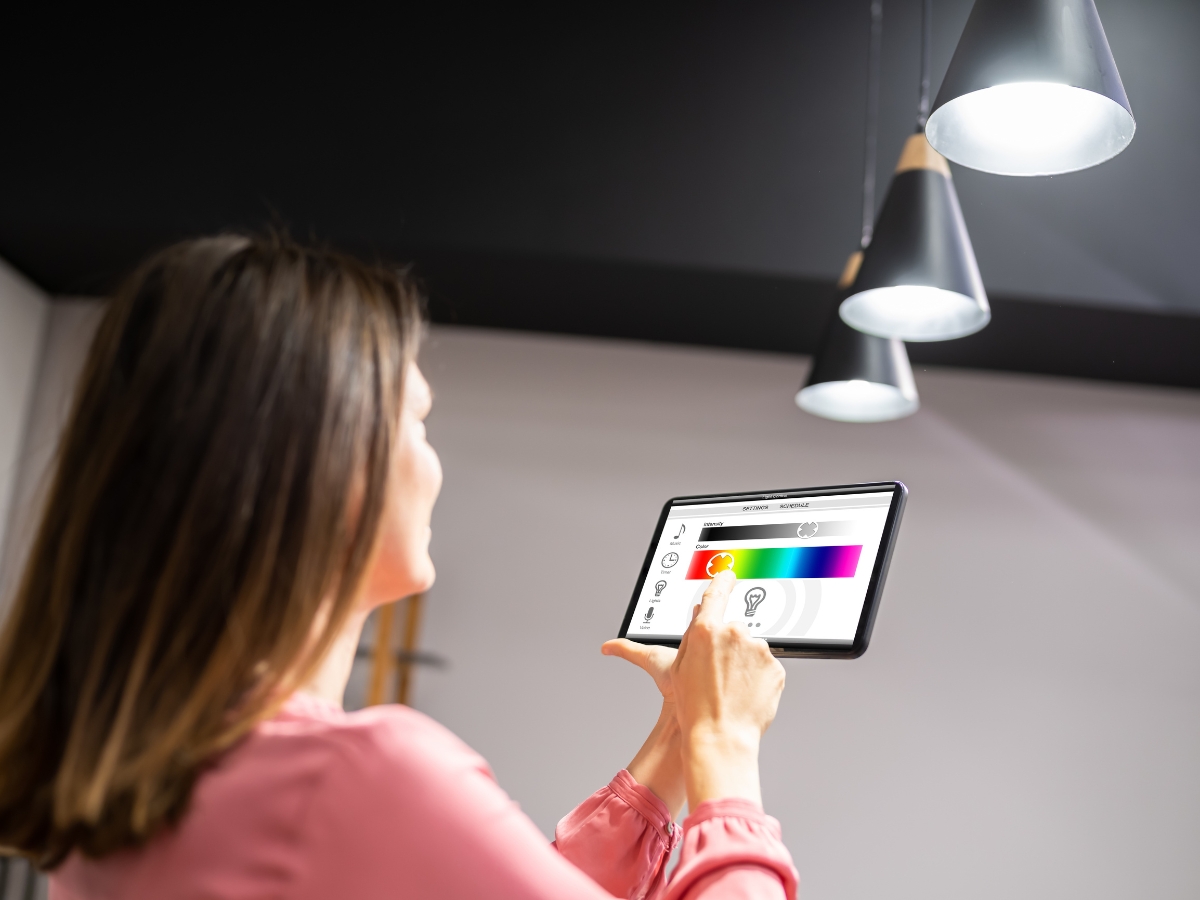
Choosing the right smart lighting setup starts with understanding what different brands offer and how those options fit your home.
With so many products available, it helps to focus on reliability, ease of use, and how well everything works together. The goal is not just to add smart lighting, but to create a system that feels consistent and dependable over time.
Some brands prioritize advanced features and customization, while others focus on simplicity or affordability. Knowing the differences makes it easier to narrow down your choices without feeling overwhelmed.
Comparing Popular Smart Lighting Brands
A few well-known names continue to stand out in the smart lighting market because of their performance and user experience.
Philips Hue is often considered one of the most established options, offering a wide range of bulbs, fixtures, and accessories. Its system typically uses a hub, which allows for more stable connections and deeper integration with other smart home devices.
LIFX takes a different approach by offering Wi-Fi-based bulbs that do not require a hub. This makes setup quicker and more straightforward, especially for smaller spaces or first-time users. Many people also appreciate the strong color output and brightness levels that LIFX bulbs provide.
Wyze, on the other hand, focuses on affordability. Its products are designed to be accessible while still delivering solid performance for everyday use. For homeowners looking to experiment with smart lighting without a large upfront investment, Wyze can be a practical starting point.
Each of these brands serves a different purpose, so the best choice depends on how complex you want your system to be and how much control you need.
Choosing Products Based On Features That Matter
Once you have a sense of which brands to consider, the next step is evaluating features. Not all smart lighting products offer the same level of flexibility, so it is important to focus on what will actually improve your daily experience.
Color control is one of the most noticeable features. Some bulbs allow you to switch between warm and cool tones, while others offer a full spectrum of colors. If you plan to use lighting for different moods or activities, this level of customization can make a meaningful difference.
Dimming capability is another key factor. Being able to adjust brightness easily helps create a more comfortable environment, whether you are working, relaxing, or winding down at night. Smooth dimming also tends to signal better overall product quality.
It is also worth considering how responsive the system feels. Faster response times and stable connections make smart lighting feel more natural, rather than something you have to wait on or troubleshoot regularly.
Ensuring Compatibility With Your Smart Home Setup
One of the most important decisions when choosing smart lighting is compatibility. Your lighting system should work seamlessly with the devices and platforms you already use. Many products are designed to integrate with voice assistants, allowing you to control lights through simple commands.
If you already rely on a specific ecosystem, such as Amazon Alexa, Google Assistant, or Apple HomeKit, it makes sense to choose smart lighting that fits within that environment. This ensures smoother setup and better long-term performance.
Compatibility also affects how easily you can expand your system later. A well-integrated setup allows you to add new lights or features without having to replace existing devices.
Finding The Right Fit For Your Home
Ultimately, selecting smart lighting comes down to balancing features, ease of use, and long-term flexibility. Some homeowners prefer a fully connected system with advanced automation, while others want a simple setup that works right away.
By focusing on how you plan to use your lighting day to day, you can choose products that feel practical rather than complicated. The best smart lighting setup is one that blends into your routine, giving you more control without adding extra effort.
Conclusion
Integrating smart lighting into your home is about more than convenience—it’s about creating the perfect ambiance, enhancing energy efficiency, and elevating your daily living experience.
From customizable scenes and voice-activated controls to automated schedules and dimmable options, today’s systems offer unprecedented flexibility to match any mood or activity. Ready to bring intelligent, beautifully designed lighting into your next remodeling project?
Trust the experts at FD Remodeling Atlanta & Marietta to seamlessly integrate smart technology with stunning home remodeling design. Call 404-857-5582 or submit your project details through our online form for a consultation. Let’s illuminate your home with innovation and style.