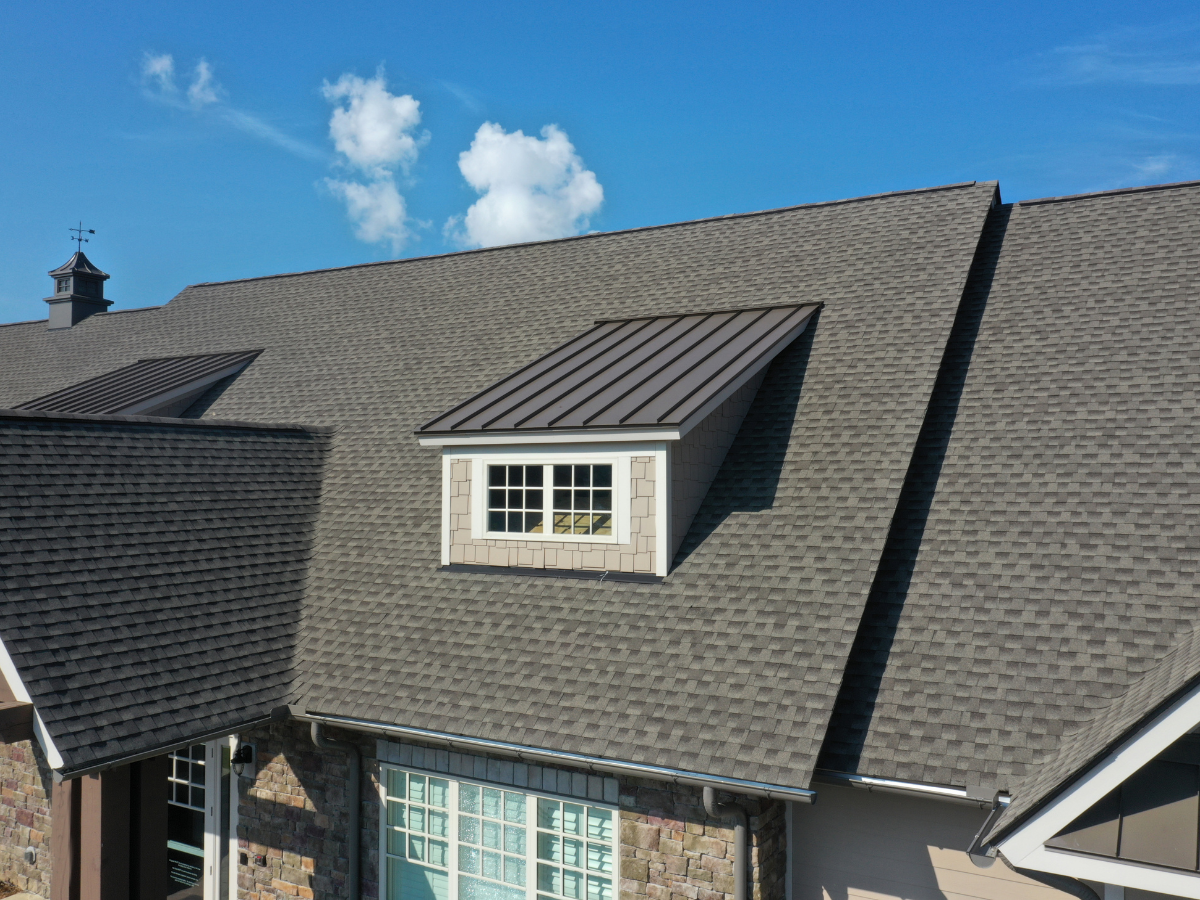
Your roof has to accomplish two very different jobs: withstand years of weather exposure and complement the architectural character of your home. With options ranging from economical asphalt shingles to metal, slate, tile, and wood, choosing between roofing materials involves far more than simply finding a color you like.
This guide to roofing materials examines how popular options compare in durability, aesthetics, maintenance, lifespan, and overall performance. Climate, roof slope, structural requirements, and budget can all influence which material makes the most sense for a particular property.
By understanding where each roofing option excels and where compromises may be necessary, homeowners can choose a roof that delivers dependable protection while enhancing curb appeal for years to come.
Roofing Materials Compared: Which Option Lasts Longest?
What Are the Most Durable Roofing Materials for a Home?
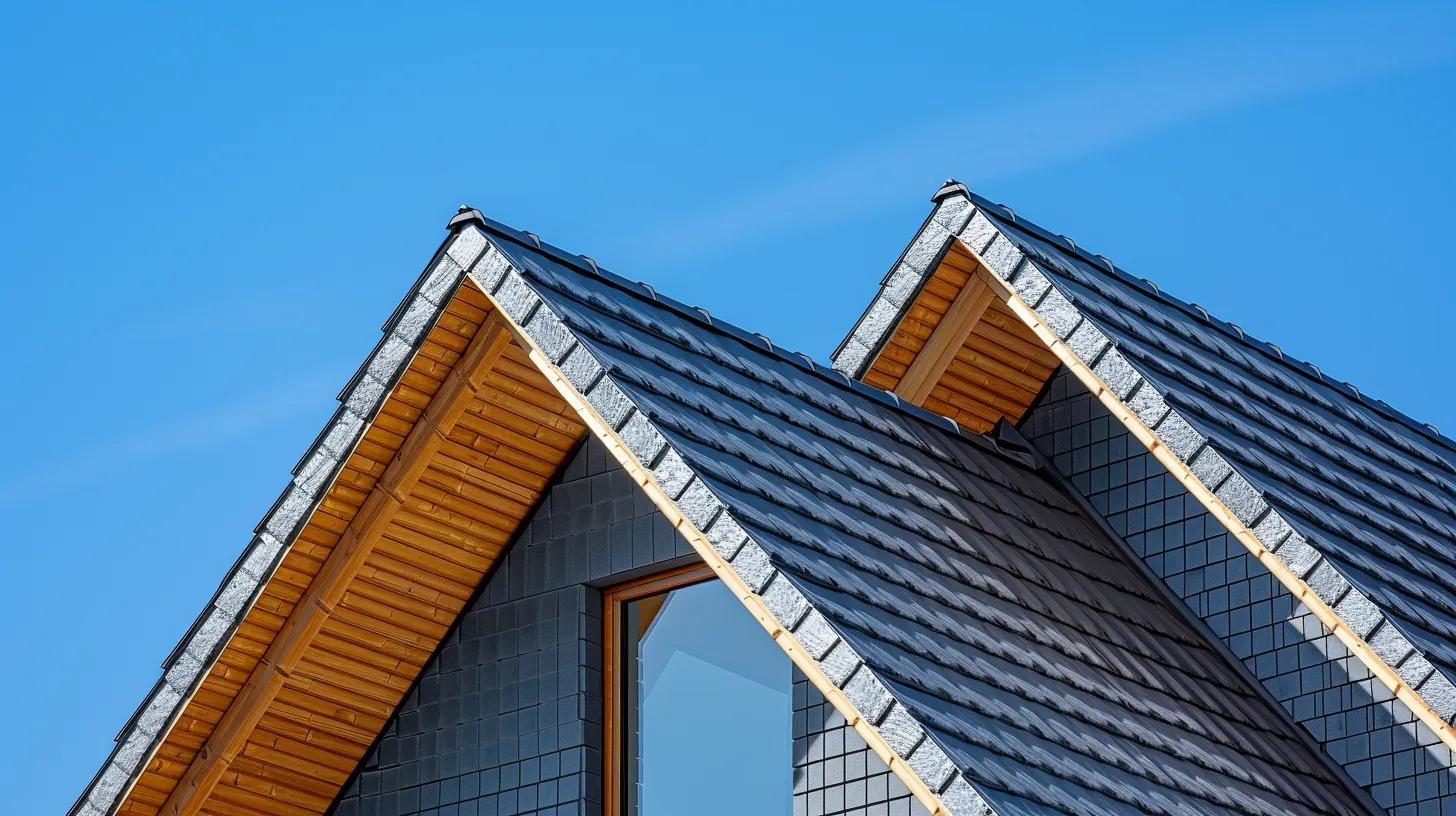
Roof longevity depends on more than choosing the material with the highest advertised lifespan. Climate, installation quality, roof slope, ventilation, maintenance, and even the specific product grade can influence how long a roofing system performs as intended.
For homeowners comparing roofing materials, durability should therefore be considered alongside cost, structural requirements, maintenance, and suitability for local weather.
Metal, slate, and tile are generally associated with long service lives, while asphalt shingles trade some longevity for a lower initial cost and broad availability.
The best choice is not automatically the material that lasts longest. It is the one that provides an appropriate balance of service life, performance, and total ownership cost for the property.
How Does the Lifespan of Common Roofing Materials Compare?
Published lifespan estimates vary by product and manufacturer, so homeowners should treat broad ranges as a starting point rather than a guarantee.
| Roofing Material | Typical Longevity | Important Durability Considerations |
|---|---|---|
| Asphalt shingles | Roughly 15 to 30+ years | Product grade, heat, wind, ventilation, installation |
| Metal roofing | Often 40 to 70+ years | Metal type, coating, corrosion exposure, installation |
| Clay or concrete tile | Often 50+ years | Underlayment condition, impact damage, structural support |
| Slate | Commonly several decades and potentially much longer | Slate quality, flashing, fasteners, installation expertise |
These figures can vary substantially. A premium asphalt shingle installed correctly in a suitable climate may outperform a poorly installed system made from a theoretically longer-lasting material.
It is also important to distinguish between the roofing surface and the complete roof system. Underlayment, flashing, fasteners, sealants, ventilation, and roof decking all affect long-term performance. A durable surface material cannot compensate indefinitely for failures elsewhere in the assembly.
How Long Do Asphalt Shingles Typically Last?
Asphalt shingles remain one of the most widely used residential roofing materials because they offer an accessible combination of cost, appearance, availability, and relatively straightforward installation.
Many asphalt shingle roofs fall within a service-life range of roughly 15 to 30 years, although premium products may be designed for longer use. Actual longevity depends heavily on the environment and installation.
Heat and prolonged sun exposure can accelerate aging. High winds may loosen or remove shingles, while poor attic ventilation can contribute to excessive heat and moisture beneath the roof. Improper nailing, inadequate flashing, and installation over a compromised deck can also shorten the useful life of otherwise good shingles.
Homeowners comparing asphalt products should look beyond the basic material name. Architectural and other upgraded shingles may offer different construction, wind ratings, warranties, and durability characteristics than entry-level products.
Manufacturer specifications are more useful than assuming all asphalt shingles perform the same way.
Why Does Metal Roofing Typically Last Longer?
Metal is one of the more durable roofing materials available for residential construction. Depending on the metal, protective finish, installation, and environmental exposure, a properly installed metal roof can remain functional for several decades.
Its longevity comes partly from the way the material handles common sources of roof deterioration. Metal does not absorb water in the same way some porous materials can, and quality systems are designed to shed rain efficiently. Properly specified systems can also perform well in areas exposed to wind and severe weather.
That durability does not make metal maintenance-free. Fasteners, seams, flashing, sealants, coatings, and penetrations still need attention. Coastal environments or other areas with significant corrosion exposure may also require careful selection of metals, coatings, and compatible components.
Installation quality is particularly important. Poor detailing around valleys, chimneys, vents, skylights, and roof edges can create problems regardless of the expected lifespan of the panels themselves.
Are Slate and Tile Roofs More Durable Than Metal?
Slate and tile can offer exceptionally long service lives, but they come with considerations that make direct comparisons with metal difficult.
Natural slate is valued for its resistance to weathering and its potential longevity. Clay and concrete tiles are also durable and do not deteriorate in the same manner as asphalt shingles. Individual pieces can sometimes be replaced when damaged rather than requiring immediate replacement of the entire roof.
Weight is an important consideration, however. Slate and some tile systems are substantially heavier than asphalt or many metal systems. The home’s structure must be capable of supporting the roofing system, which may require professional evaluation before installation.
Tiles can also be damaged by impact or improper foot traffic, while slate requires contractors familiar with the material and its specialized installation and repair methods.
Which Roofing Material Offers the Best Long-Term Value?
There is no universal winner. Asphalt may make sense when upfront affordability is the priority, while metal can appeal to homeowners who want a longer service life without the weight of slate or tile.
Slate and tile may be strong candidates when longevity, architectural character, and compatibility with the home’s structure justify the higher initial investment.
When comparing roofing materials, homeowners should consider expected service life alongside installation cost, maintenance, warranties, local climate, structural capacity, and future replacement needs. That broader comparison provides a much more realistic picture of durability than lifespan figures alone.
How Do Roofing Materials Compare in Cost and Lifespan?
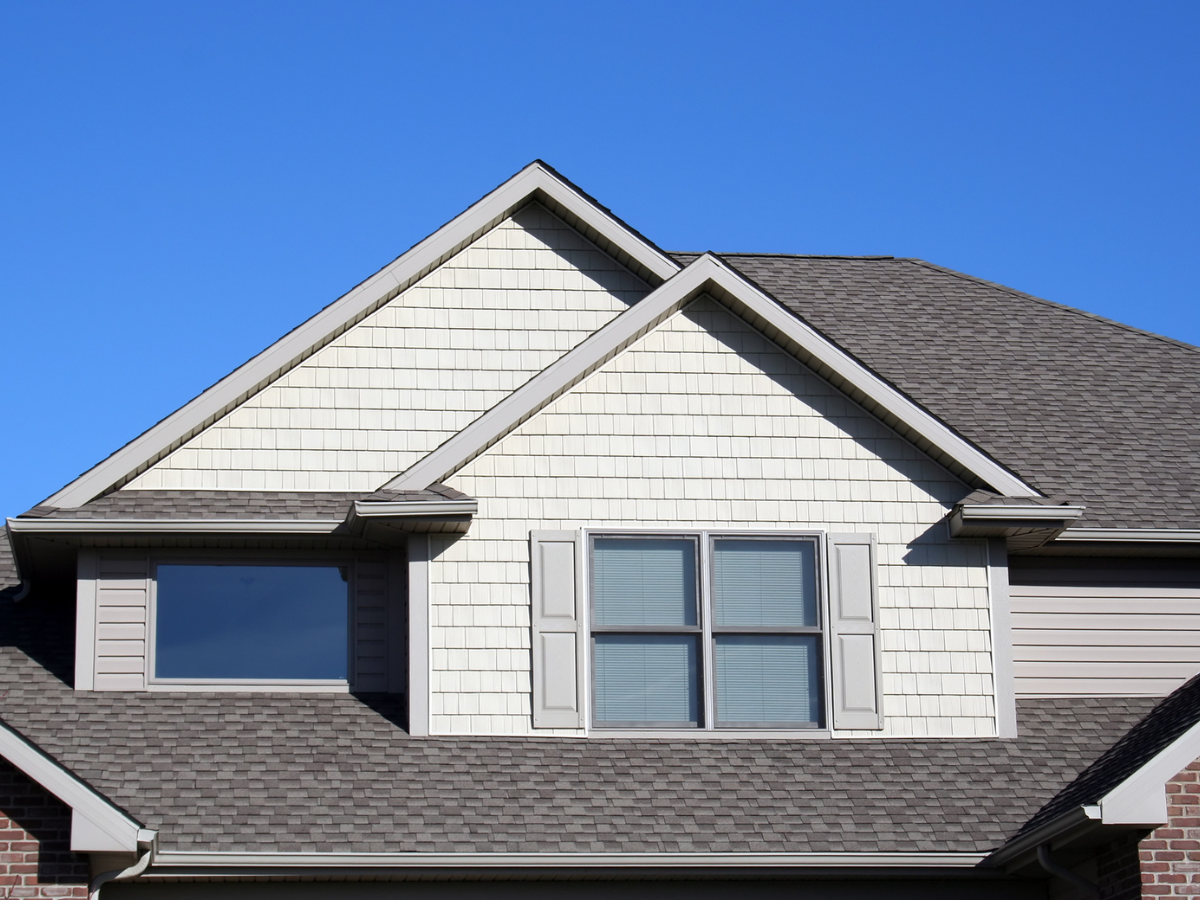
The cheapest roof to install is not necessarily the least expensive roof to own. When comparing roofing materials, homeowners should look at upfront installation costs alongside expected lifespan, maintenance, repair needs, and the likelihood of replacing the roof again while they own the property.
Asphalt shingles generally have the lowest initial cost, which helps explain their popularity. Metal, tile, and slate typically require a larger investment but can offer substantially longer service lives when properly installed and maintained.
The right choice depends on the home’s structure, local climate, budget, and how long the homeowner expects to keep the property.
How Do Upfront Costs Compare Across Popular Roofing Materials?
Exact roofing prices vary considerably by location and project, so broad national price figures can be misleading. Roof size and complexity, tear-off requirements, labor rates, decking repairs, flashing, ventilation, underlayment, permits, and material grade can all change the final estimate.
A more useful starting point is to understand how the major materials generally compare:
| Roofing Material | Relative Upfront Cost | Typical Lifespan | Cost Considerations |
|---|---|---|---|
| Asphalt shingles | Lower | About 15 to 30+ years | Affordable installation, but replacement may be needed sooner |
| Metal | Moderate to high | Often 40 to 70+ years | Higher initial cost with potentially fewer replacements |
| Clay or concrete tile | High | Often 50+ years | Long-lasting, but structural support and installation can add cost |
| Natural slate | Very high | Several decades to 100+ years in some applications | Premium material with specialized installation and repair requirements |
These ranges are useful for comparison, but lifespan should never be treated as guaranteed. Product quality, workmanship, weather exposure, ventilation, maintenance, and the condition of the underlying roof system all affect how long a roof actually lasts.
Why Price Per Square Foot Does Not Tell the Whole Story
Homeowners often compare estimates based on the price of the visible roofing material alone. In practice, that represents only part of the project.
A replacement may also involve removing and disposing of the existing roof, repairing damaged decking, installing new underlayment, replacing flashing, improving ventilation, and addressing chimneys, skylights, valleys, or other penetrations.
A steep roof or a home with numerous roof planes can also require considerably more labor than a simple gable roof of the same square footage.
Structural requirements matter as well. Slate and some tile systems are much heavier than asphalt shingles or many metal systems. If a home’s existing structure is not designed for that additional load, reinforcement could become part of the project cost.
For this reason, two homes of similar size can receive very different estimates even when the owners select the same roofing materials.
Which Roofing Materials Provide the Best Long-Term Value?
There is no single material that provides the best financial value for every homeowner.
Asphalt shingles can make good economic sense when keeping the initial investment manageable is the main priority. They are widely available, familiar to roofing contractors, and offered in many grades and styles.
Their shorter expected service life, however, means homeowners planning to remain in the same property for decades may eventually face another replacement.
Metal roofing changes that calculation. The initial installation typically costs more, but its longer potential lifespan can reduce how frequently the roof needs to be replaced.
Maintenance requirements still depend on the specific system, coating, fasteners, flashing, and environmental conditions, so metal should not be viewed as maintenance-free.
Tile and slate move further toward the long-term end of the spectrum. Their durability can make them attractive for homeowners planning around decades rather than years. Higher material costs, specialized labor, structural requirements, and repairs can make them less practical for some properties.
How Should You Calculate the True Cost of a Roof?
A better comparison considers the estimated cost of ownership rather than installation price alone. Homeowners can evaluate:
- Initial installation: Materials, labor, removal, disposal, permits, and related roof-system work.
- Expected service life: How long the specific product is reasonably expected to perform under local conditions.
- Maintenance and repairs: Routine inspections, damaged components, coatings, flashing work, or individual tile and slate replacement.
- Future replacement: Whether another complete roof replacement is likely during the period you expect to own the home.
For example, a lower-priced roof that requires replacement twice may not ultimately cost less than a more durable system installed once. Conversely, paying a premium for an extremely long-lasting material may offer limited financial benefit if the homeowner expects to sell in the near future.
How Can Homeowners Balance Budget and Roof Longevity?
Start by deciding whether your priority is the lowest upfront price, fewer future replacements, minimal maintenance, architectural appearance, or a balance of those factors. Then compare products that suit the home’s structure and local climate rather than choosing on lifespan alone.
Warranty terms also deserve attention. Homeowners should distinguish between manufacturer material warranties and contractor workmanship warranties, since they cover different types of problems and may contain specific limitations.
Comparing roofing materials this way provides a more realistic picture of value. Instead of asking which roof costs the least today, consider what the complete roofing system is likely to cost, require, and deliver over the years you expect to own the home.
How Roofing Materials Affect Your Home’s Exterior Style
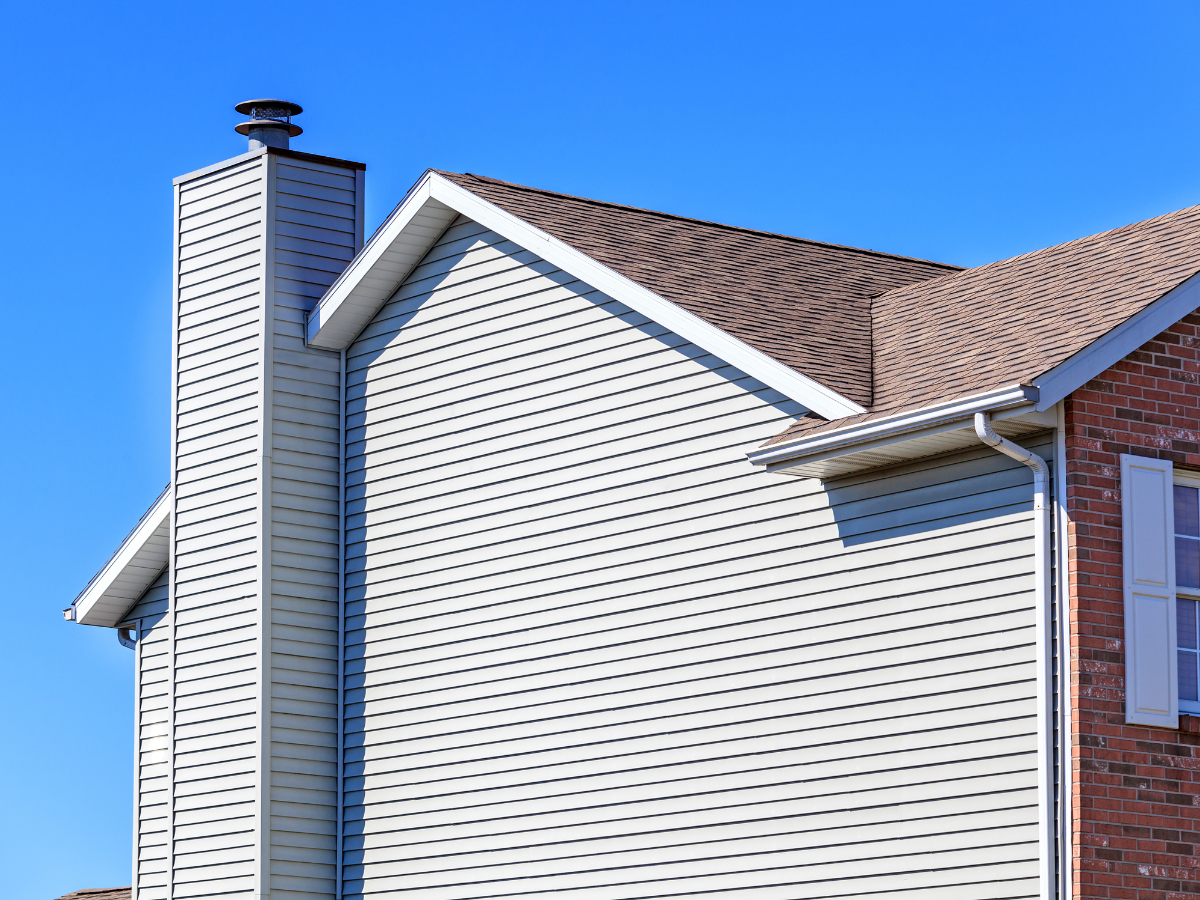
A roof occupies a large portion of a home’s visible exterior, so material selection can have a surprisingly strong effect on its overall character.
Color matters, but profile, texture, scale, and finish can be just as important. The same house can look traditional, contemporary, rustic, or Mediterranean depending on the roofing materials used.
Rather than choosing a roof color in isolation, consider how it relates to the siding, brick or stonework, trim, gutters, windows, and architectural style.
Because a roof is a long-term investment, it is also worth thinking beyond current design trends. A finish that complements the home’s permanent exterior features is usually easier to live with over time.
How Do Color, Profile, and Texture Differ by Roofing Material?
Asphalt shingles offer one of the broadest ranges of accessible design options. Depending on the product, homeowners can choose from neutral grays and browns to warmer earth tones and darker shades.
Architectural shingles use variations in shape, thickness, and color to create more visual depth than basic three-tab products.
Metal roofing has become much more versatile aesthetically. Standing-seam panels create clean vertical lines that work particularly well with modern, farmhouse, and contemporary architecture.
Other metal products are manufactured to resemble shingles, shakes, slate, or tile, providing a different appearance without using the material being replicated. Factory-applied finishes also offer a wide selection of colors and sheen levels.
Clay and concrete tiles make a stronger architectural statement. Traditional barrel and S-shaped profiles are closely associated with Mediterranean, Spanish, and Southwestern homes, while flatter tile profiles can complement other styles.
Natural slate has its own distinctive variation in color and texture, creating an appearance that manufactured products may imitate but rarely reproduce exactly.
Wood shakes and shingles provide a warmer, more organic look. Their appearance changes as they weather, however, so homeowners should consider both the new and aged appearance before selecting them.
How Should Roof Color Coordinate With the Rest of the Home?
Start with exterior elements that are unlikely to change. Brick, natural stone, masonry, and permanent architectural details provide useful reference points because they will probably remain in place longer than paint colors or landscaping.
Contrast also matters. A roof that is too similar to the exterior walls can make the home’s features blend together, while extreme contrast may dominate the facade.
Homes with detailed masonry or patterned siding often benefit from a quieter roof treatment. Simpler exteriors may have more room for pronounced texture or color variation.
Samples should ideally be viewed outdoors rather than selected solely from photographs or screens. Natural daylight can make colors look substantially different, and larger samples give a better sense of how variation will appear across an entire roof.
How Roofing Materials Influence Energy Performance
Roof appearance and thermal performance can overlap, particularly when it comes to solar reflectance. A roof that reflects more incoming solar energy can reduce the amount of heat absorbed by the roof surface, which may help lower cooling demand in warm conditions.
Metal roofing is often associated with reflective roof systems, but metal alone does not guarantee a particular level of energy performance. Color, surface treatment, coating, insulation, ventilation, roof assembly, and climate all matter. Reflective products are also available in other roofing categories.
This is why claims that one material automatically produces a specific percentage of energy savings should be treated cautiously. Actual household savings depend on the complete building and local conditions, not simply whether the roof is made from metal, asphalt, tile, or another material.
What Maintenance Does Each Roofing Material Require?
No roof is truly maintenance-free. The type and frequency of care simply change with the material.
Asphalt shingles should be inspected for missing, cracked, curled, or damaged shingles, particularly after severe weather. Homeowners should also watch for problems around flashing, valleys, vents, chimneys, and other penetrations.
Metal roofs may require checks of seams, fasteners, sealants, flashing, coatings, and areas showing signs of corrosion, depending on the specific system. Tile and slate roofs can perform for many decades, but individual pieces may crack or break and should be repaired using methods appropriate for the material.
Regardless of roof type, gutters and drainage paths should remain clear. Overhanging branches, accumulated debris, and unresolved flashing problems can shorten the useful life of otherwise durable roofing materials.
Which Roofing Materials Are More Sustainable?
Sustainability is more complicated than choosing a product marketed as “green.” A useful comparison considers raw materials, manufacturing, transportation, expected service life, maintenance, energy performance, and what happens to the material when the roof is eventually replaced.
Metal roofing can contain recycled content and may be recyclable at the end of its service life. Clay and slate are made from naturally occurring materials and can provide long service lives when properly installed.
Some roofing products can also be reclaimed or recycled, although actual options depend on local facilities and the condition of removed material.
Green roofs take a different approach. Instead of relying solely on a conventional exposed roof surface, they incorporate vegetation and growing media over a specially designed waterproofing and drainage system.
They can provide environmental benefits, but they also require appropriate structural design, waterproofing, drainage, and ongoing maintenance.
How Do Reflective Roofs and Cool-Roof Coatings Work?
Cool-roof products are designed to reflect more solar energy and, depending on the product, release absorbed heat more effectively than conventional alternatives.
They may take the form of reflective membranes, specially manufactured shingles or tiles, factory-finished metal products, or coatings applied to compatible roof surfaces.
A coating should not be viewed as a universal upgrade for every existing roof. Compatibility with the roofing substrate, current roof condition, drainage, manufacturer requirements, and local climate should all be evaluated first.
Applying a coating to a deteriorated roof will not correct underlying structural, moisture, or installation problems.
When comparing roofing materials for a replacement, homeowners can therefore look beyond appearance and initial price. Durability, maintenance, climate suitability, energy performance, architectural compatibility, and end-of-life options together provide a much clearer picture of which roof makes sense for the home.
How Should Homeowners Choose the Right Roofing Material?
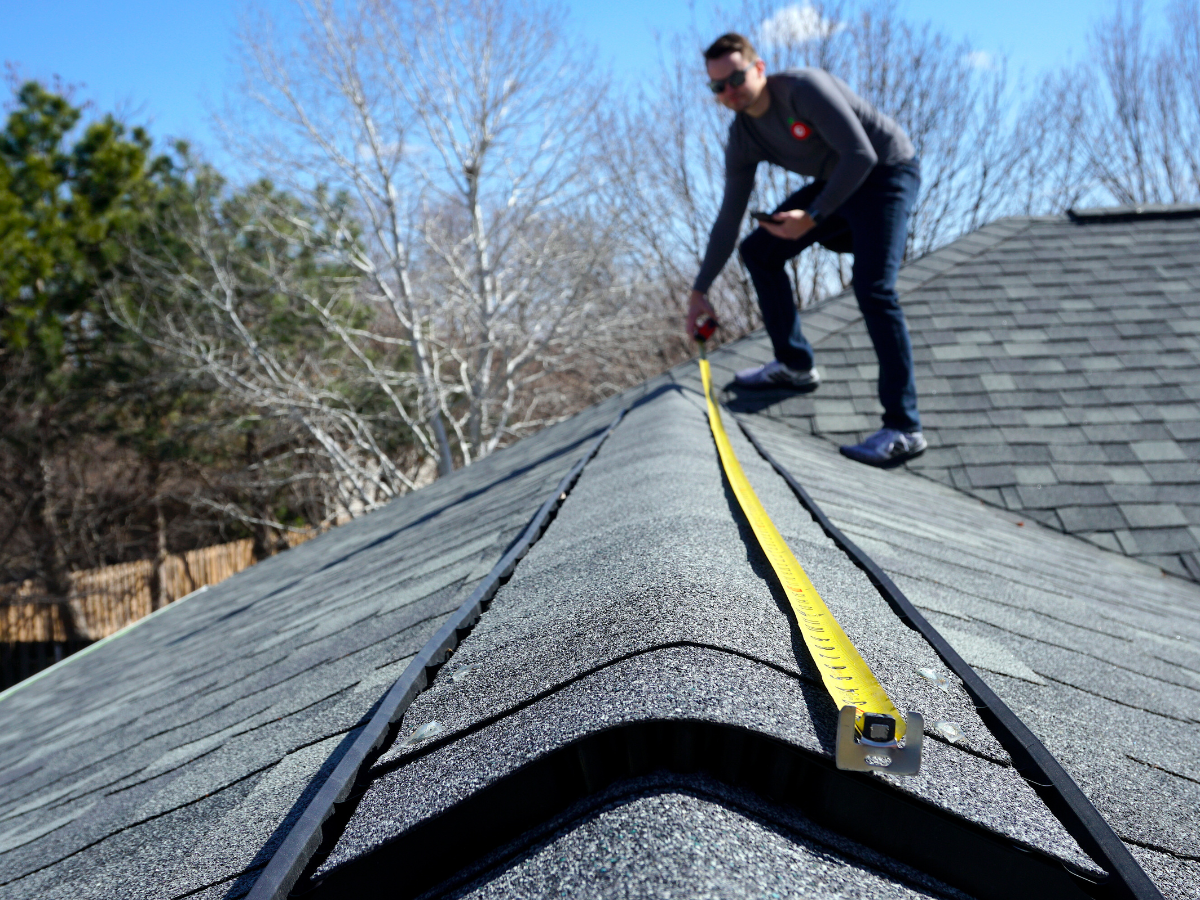
Choosing a new roof is less about finding the single “best” material and more about finding the best fit for the house. A material can offer excellent durability on paper but still be a poor choice if it is unsuitable for the local climate, roof slope, structural capacity, budget, or architectural style.
Homeowners should also think beyond the installation date. Roofing materials differ in expected service life, maintenance needs, repairability, weight, energy performance, and replacement cost.
Evaluating those factors together makes it easier to choose a roof that works for both the property and the homeowner’s long-term plans.
Which Factors Matter Most When Comparing Roofing Materials?
Start with the conditions the roof will actually face. Climate can narrow the options quickly because roofing systems respond differently to heat, wind, moisture, snow, hail, salt exposure, and temperature changes.
Roof design is equally important. Pitch, valleys, dormers, chimneys, skylights, and other architectural features influence how water drains and how easily a particular material can be installed. Some products also have minimum slope requirements, so not every material is appropriate for every roof.
From there, homeowners can compare several practical factors:
| Factor | What to Consider |
|---|---|
| Climate | Heat, wind, rain, snow, hail, humidity, and coastal exposure |
| Roof structure | Slope, complexity, decking condition, and load capacity |
| Budget | Installation plus expected maintenance and future replacement |
| Longevity | Realistic service life under local conditions |
| Maintenance | Inspection, cleaning, repair, coating, or component replacement needs |
| Appearance | Compatibility with the home’s architecture and exterior finishes |
| Warranty | Manufacturer coverage and contractor workmanship protection |
This approach prevents one feature, such as price or lifespan, from dominating a decision that depends on several interconnected factors.
How Does Climate Affect the Best Roofing Choice?
Local weather should be one of the first considerations because the roof is the home’s primary defense against the elements.
In hot, sunny climates, homeowners may want to investigate roofing products with appropriate solar-reflective properties. In regions with frequent high winds, tested wind resistance and proper attachment methods become particularly important.
Areas that experience hail may call for greater attention to impact resistance, while coastal properties need roofing components suited to moisture and salt exposure.
Heavy rainfall introduces another concern: water management. The roofing surface, underlayment, flashing, valleys, gutters, and drainage system must work together to move water away from vulnerable areas.
Rather than assuming a certain material is universally “weatherproof,” homeowners should compare product specifications and installation requirements for the conditions common to their area.
Does the Home’s Structure Limit Roofing Material Options?
Sometimes. Weight is an especially important consideration when moving from a lighter roof covering to a heavier one.
Slate and certain tile roofing systems can weigh considerably more than asphalt shingles or many metal products. An existing home may need to be evaluated to determine whether its framing can support the proposed system. Structural modifications, when required, can also affect the overall project budget.
Roof slope can create limitations as well. Manufacturers specify where and how their products should be installed, including minimum slope requirements and appropriate underlayment systems. These technical requirements should be addressed before selecting a material based primarily on appearance.
How Much Should Budget Influence the Decision?
Upfront cost matters, but it should not be the only financial measure.
A homeowner planning to move within several years may evaluate the investment differently from someone expecting to remain in the house for decades. A lower-cost material may satisfy the first homeowner’s priorities, while the second may place greater value on longevity and fewer future replacements.
Ask contractors for estimates that make the scope easy to compare. The quote should clarify what is included beyond the visible roofing material, such as tear-off, disposal, underlayment, flashing, ventilation work, decking repairs, permits, and cleanup.
That makes comparisons between roofing materials more meaningful than looking at material prices alone.
Why Installation Quality Matters as Much as Material Quality
Even premium roofing products can fail prematurely when installed incorrectly. Water intrusion frequently develops around details such as flashing, valleys, vents, chimneys, skylights, roof-to-wall transitions, and other penetrations rather than through the main field of roofing itself.
The contractor should understand the specific roofing system being installed and follow applicable manufacturer requirements and local building codes. This is particularly important for specialized materials such as standing-seam metal, slate, clay tile, and certain low-slope systems.
Homeowners should also ask how workmanship is covered. A manufacturer’s product warranty and a contractor’s workmanship warranty address different issues, so both deserve review before the project begins.
What Should You Ask Before Making a Final Choice?
Instead of asking a contractor simply, “Which roof is best?” ask why a particular system is appropriate for your house. Discuss how it performs in the local climate, whether the existing structure is suitable, what maintenance it requires, how repairs are handled, and what the warranty actually covers.
It can also be useful to ask for more than one suitable option at different price points. Comparing the expected lifespan, installation requirements, maintenance, and total project scope side by side often makes the trade-offs much clearer.
The right roofing materials should suit the building first and the homeowner’s preferences second. When climate, structure, installation quality, cost, and long-term ownership plans all support the choice, homeowners are far less likely to select a roof based on price or appearance alone.
How Proper Roof Maintenance Helps Roofing Materials Last Longer
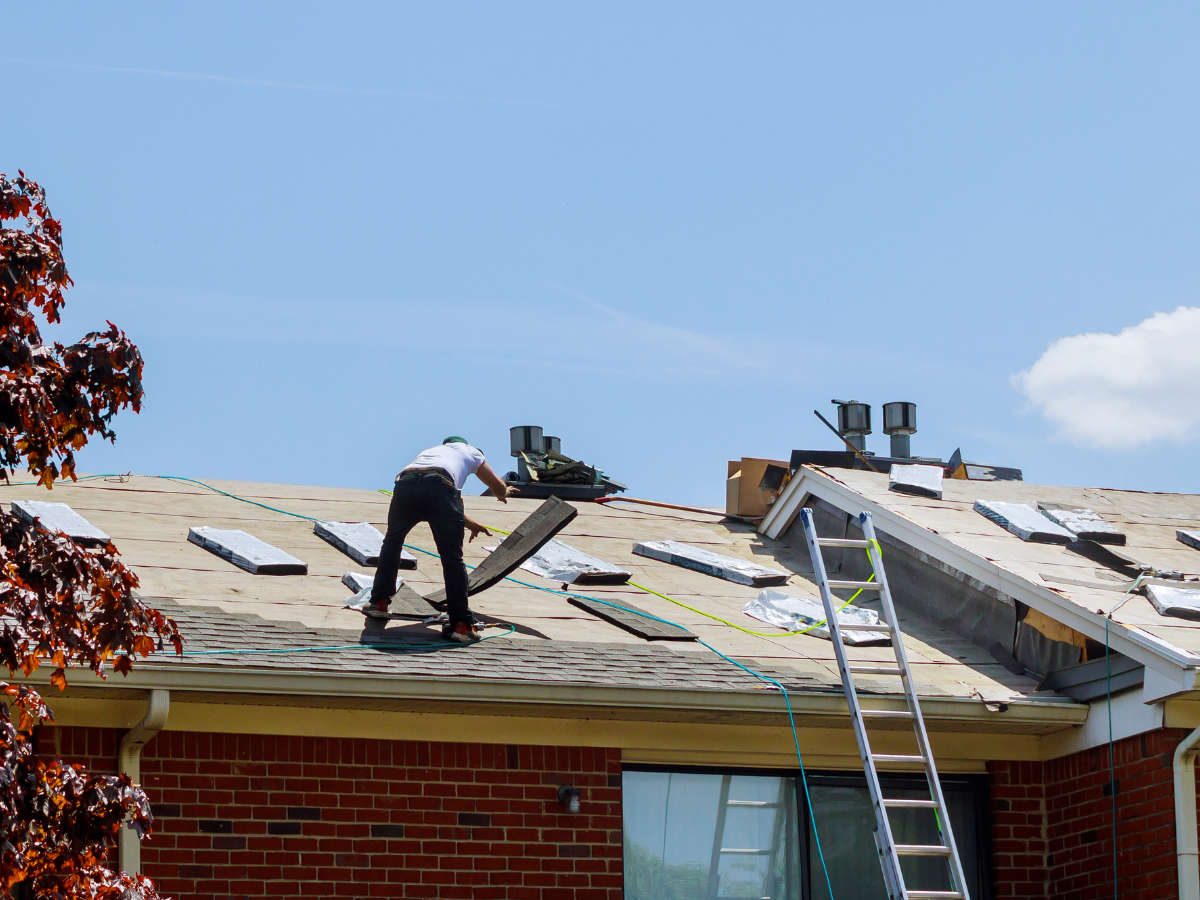
A roof’s expected lifespan assumes more than good materials and proper installation. It also depends on catching small problems before they allow water to reach the underlayment, decking, insulation, or interior of the home.
Loose flashing, damaged shingles, clogged drainage, or a single cracked tile can become a much larger repair when left unnoticed.
Maintenance does not mean homeowners need to climb onto the roof regularly. In fact, walking on certain roofing materials can cause damage and creates an unnecessary safety risk.
A better approach combines routine observations from the ground with professional inspections when conditions or warning signs warrant a closer look.
How Often Should a Roof Be Inspected?
There is no universal inspection schedule that applies to every roof. Age, material, surrounding trees, local weather, previous repairs, and manufacturer recommendations can all influence how often professional attention is appropriate.
A practical approach is to visually check the roof and surrounding drainage system periodically, particularly after storms involving high winds, hail, falling branches, or heavy rainfall. Look from the ground for displaced materials, visible damage, sagging areas, debris accumulation, and problems with gutters or downspouts.
Inside the home, water stains, damp attic materials, unexplained odors, peeling paint near ceilings, or visible daylight through the roof structure can indicate a problem that deserves professional evaluation.
Older roofs or roofs with a history of leaks may benefit from more frequent professional inspections. Homeowners should also check warranty terms, since some manufacturers or contractors may specify particular inspection or maintenance requirements.
What Maintenance Do Asphalt Shingle Roofs Need?
Asphalt shingles should be monitored for cracking, curling, missing pieces, lifted edges, and other visible damage. Granule accumulation in gutters can occur as shingles age, although some loose granules can also be present on newer roofs.
Pay particular attention to flashing around chimneys, skylights, vents, valleys, and roof-to-wall transitions. These details often deserve as much attention as the shingles themselves because they help prevent water from entering vulnerable joints and penetrations.
Algae, moss, or other biological growth should be addressed using methods appropriate for the roofing product. Aggressive pressure washing can damage asphalt shingles and should not be treated as routine roof cleaning.
How Should Metal Roofing Be Maintained?
Metal roofing is durable, but that does not mean it should be ignored after installation. Maintenance needs depend partly on whether the roof uses exposed fasteners, concealed fasteners, standing seams, or another system.
Inspections may include checking seams, flashing, penetrations, sealants, coatings, and fasteners where applicable. Scratches or damaged protective finishes may require attention, particularly in environments where corrosion is a concern.
Leaves, branches, and other debris should not be allowed to remain trapped in valleys or drainage areas. Gutters and downspouts also need to move water away effectively.
Cleaning methods should follow the roof manufacturer’s guidance. Harsh chemicals, abrasive tools, or unsuitable cleaners can damage protective finishes rather than improve the roof’s condition.
What Maintenance Do Slate and Tile Roofs Require?
Slate, clay tile, and concrete tile can offer long service lives, but individual pieces may crack, shift, or break. Damaged components should be evaluated promptly so that the underlying roof system is not left exposed to moisture.
These roofs also require extra care because walking on them incorrectly can break otherwise sound tiles or slate. Repairs are generally best left to contractors experienced with the specific material.
The condition of flashing, underlayment, fasteners, and drainage components remains important even when the visible roofing material appears intact. A slate or tile roof may have a long-lasting exterior surface while concealed components age at a different rate.
Why Gutters, Trees, and Drainage Are Part of Roof Maintenance
Some of the most useful roof maintenance happens around the roof rather than on it.
Gutters and downspouts should remain clear enough to direct water away from the roof and foundation. Debris buildup can interfere with drainage and allow water to collect where it should not.
Overhanging branches may scrape roofing surfaces, drop leaves into valleys and gutters, or cause impact damage during storms. Tree maintenance can therefore be an important part of protecting roofing materials, especially on heavily wooded properties.
Homeowners should also avoid allowing leaves, pine needles, or other organic debris to accumulate on low-slope sections or in roof valleys.
When Should Roof Damage Be Handled by a Professional?
Some maintenance is appropriate for homeowners, such as observing the roof from the ground and keeping accessible gutters clear when this can be done safely. Roof repairs are different.
Call a qualified roofing professional when you notice missing or displaced materials, recurring leaks, damaged flashing, sagging, storm damage, widespread deterioration, or problems around penetrations. Electrical lines, steep slopes, wet surfaces, and fragile roofing materials make DIY roof work particularly risky.
Professional maintenance also helps protect the integrity of the roofing system. A repair that appears simple from the surface may involve underlayment, decking, flashing, or ventilation issues that are not immediately visible.
Consistent maintenance cannot make roofing materials last forever, but it can help them reach more of their intended service life. More importantly, it gives homeowners a better chance of addressing localized damage before it develops into a leak, structural problem, or premature roof replacement.
Frequently Asked Questions About Roofing Materials
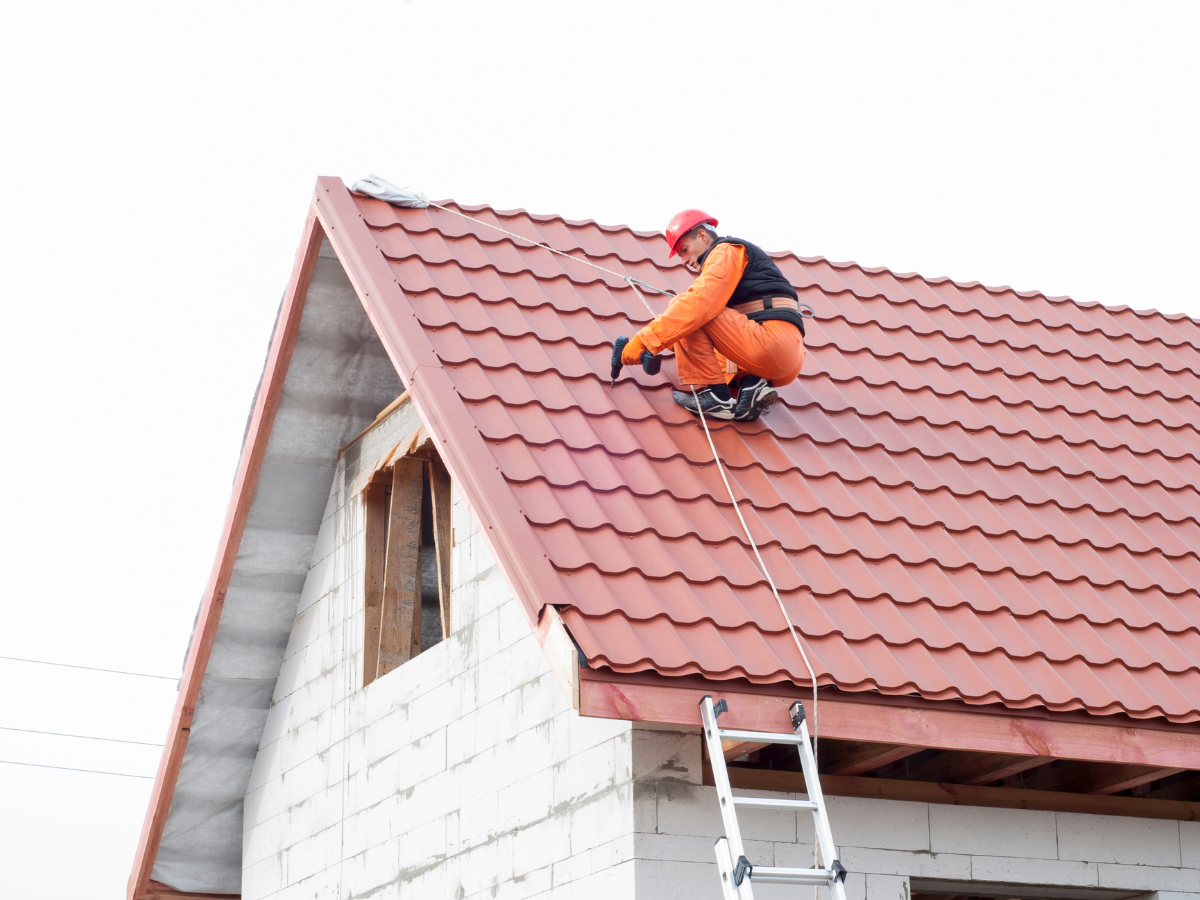
Choosing a roof often comes down to trade-offs rather than finding one material that outperforms every other option. Lifespan, climate, installation cost, maintenance, structural requirements, appearance, and energy performance can all change which roofing materials make the most sense for a particular home.
The following questions address some of the comparisons homeowners commonly make when narrowing their options.
Which Roofing Material Lasts the Longest?
Natural slate is among the longest-lasting residential roofing options. A high-quality slate roof can potentially remain serviceable for 100 years or longer when the material, installation, flashing, and supporting structure are appropriate and the roof receives proper care.
Clay and concrete tile can also provide long service lives, often lasting for many decades. Metal roofing commonly falls into the long-lasting category as well, with many systems designed to perform for roughly 40 to 70 years or longer depending on the metal, coating, environment, and installation.
Asphalt shingles generally have a shorter lifespan. Many products fall somewhere around the 15-to-30-year range, although premium shingles may be designed for longer service.
These figures should be treated as general expectations rather than guarantees. Local weather, workmanship, ventilation, maintenance, product quality, and roof design can substantially affect actual lifespan.
Are Metal Roofs More Energy-Efficient Than Asphalt Shingles?
They can be, but material type alone does not determine a roof’s energy performance.
Metal roofing is available with finishes that can provide high solar reflectance, reducing the amount of solar energy absorbed by the roof surface. This can be particularly useful in warm, sunny climates where cooling represents a significant portion of household energy use.
It is too simplistic, however, to assume that every metal roof will automatically outperform every asphalt roof. Roof color, surface properties, insulation, attic ventilation, roof assembly, climate, and the home’s overall energy efficiency all influence the result.
Homeowners specifically interested in energy performance should compare the tested solar reflectance and thermal characteristics of individual roofing products rather than relying on material category alone.
Are Asphalt Shingles Better Than Metal Roofing?
Neither option is universally better.
Asphalt shingles usually offer a lower initial installation cost and are available in a wide variety of colors and styles. Repairs are generally familiar to residential roofing contractors, making shingles a practical choice for many homes.
Metal typically costs more upfront but can provide a substantially longer service life. It is also available in standing-seam panels and products designed to resemble shingles, shakes, slate, or tile.
The better choice depends on budget, climate, expected ownership period, architectural preferences, maintenance expectations, and the specific roof design.
Which Roofing Materials Require the Least Maintenance?
Metal, slate, and tile are often considered relatively low-maintenance compared with some alternatives, but no roofing system should be treated as maintenance-free.
Metal roofs may need inspections of seams, flashing, fasteners, sealants, and coatings. Slate and tile can last for decades, but individual pieces may crack, shift, or break and require specialized repair. Asphalt roofs should be monitored for missing or damaged shingles, flashing problems, and signs of deterioration.
Regardless of material, keeping gutters and drainage paths clear and addressing storm damage promptly can help prevent avoidable problems.
Can You Change From Asphalt Shingles to a Different Roofing Material?
Often, yes, but the change should be evaluated as a roofing-system decision rather than a simple material swap.
Moving from asphalt shingles to metal may require different underlayment, flashing, fastening, and ventilation details. Switching to slate or tile introduces another consideration: weight. The existing roof structure must be capable of supporting the new system, and some homes may require structural evaluation or reinforcement.
Roof pitch can also limit which products are appropriate. Manufacturer specifications and local building requirements should be reviewed before choosing a replacement material.
Does Roof Color Affect Energy Efficiency?
Potentially. Lighter or more reflective roof surfaces generally absorb less solar energy than darker, less reflective surfaces, which can help reduce roof surface temperatures under sunny conditions.
Color is not the only factor, though. Two products that look similar can have different solar-reflective properties because of their pigments, coatings, and surface construction. Some darker roofing products are specifically engineered to reflect more solar energy than their appearance might suggest.
Homeowners concerned about cooling performance should therefore compare product specifications rather than choosing based solely on visible color.
What Is the Best Roofing Material for a Home?
There is no single best roofing material for every property. The strongest choice is one that suits the home’s structure, roof slope, local climate, budget, architectural style, and the homeowner’s long-term plans.
For some homeowners, affordable asphalt shingles provide the right balance. Others may decide that the longer potential lifespan of metal justifies the additional upfront expense. Slate or tile may make sense for homes that can support their weight and where longevity and architectural character are priorities.
When comparing roofing materials, focus on the complete roof system rather than one headline feature such as lifespan or price. A well-matched material installed correctly is ultimately more valuable than an impressive product that is poorly suited to the house.
Conclusion
Choosing the right roofing material means finding the best balance between durability, appearance, maintenance needs, and long-term value for your home.
From traditional asphalt shingles to metal, tile, and other options, each material offers distinct advantages that can influence your home’s curb appeal and protection from the elements.
Working with experienced professionals can help you compare your options and make a choice that complements both your property and your renovation goals.
For trusted home remodeling services and quality craftsmanship, choose FD Remodeling Atlanta & Marietta. If you’re ready to improve your home with a thoughtfully planned renovation, call 404-857-5582 to speak with the team at FD Remodeling Atlanta & Marietta or fill out the project form to get started today.