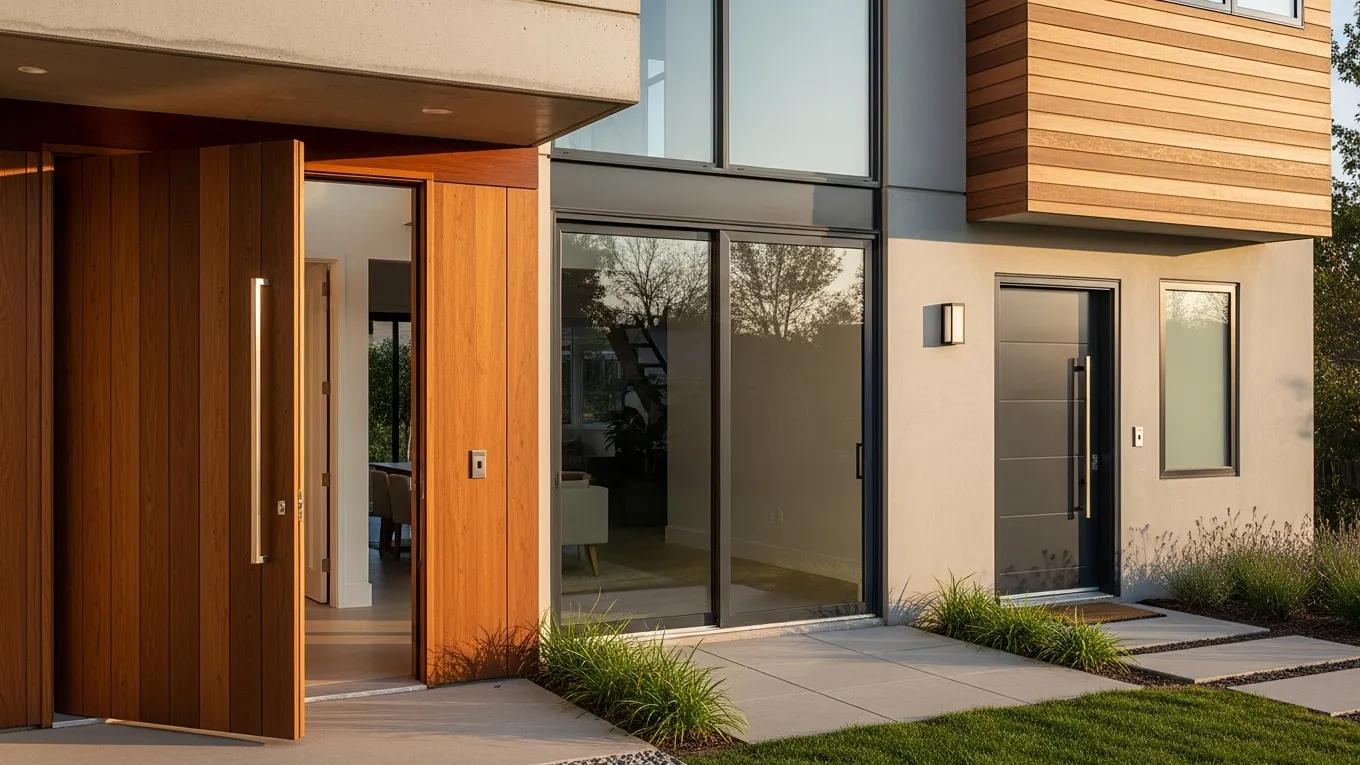
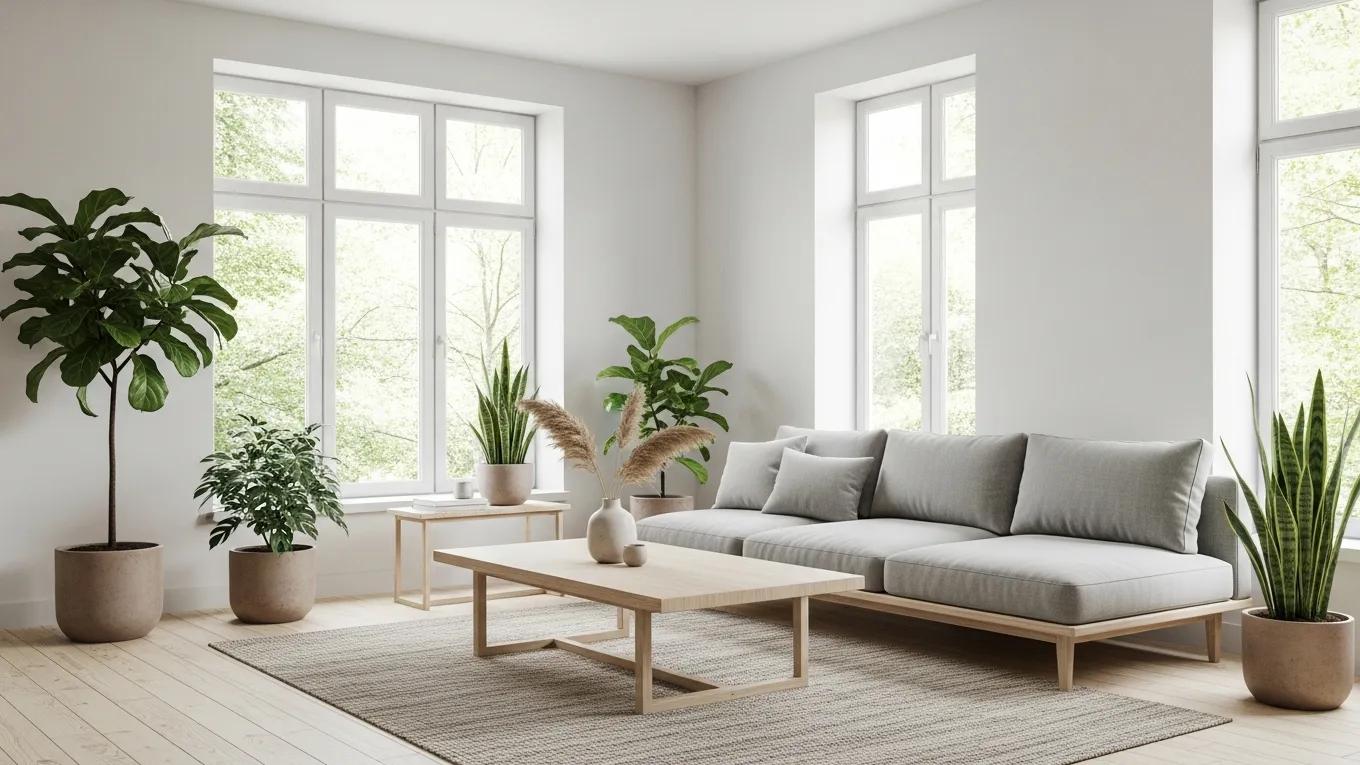
Minimalist design isn’t about having less for the sake of it. It’s about creating a home where every element serves a purpose and contributes to a sense of balance, simplicity, and comfort.
During a remodel, this approach can help transform cluttered or outdated spaces into environments that feel open, functional, and intentionally designed.
Achieving a minimalist design in your home remodel starts with thoughtful choices about layout, materials, storage, and visual flow. Clean lines, uncluttered surfaces, and carefully selected finishes work together to create a space that feels calm without feeling empty.
The focus is on quality, usability, and timeless appeal rather than excess decoration. With the right planning, a minimalist remodel can improve both the look and functionality of your home while creating a more organized and relaxing place to live.
Minimalist Design Strategies for a Cleaner, Calmer Space
Core Principles of Minimalist Design
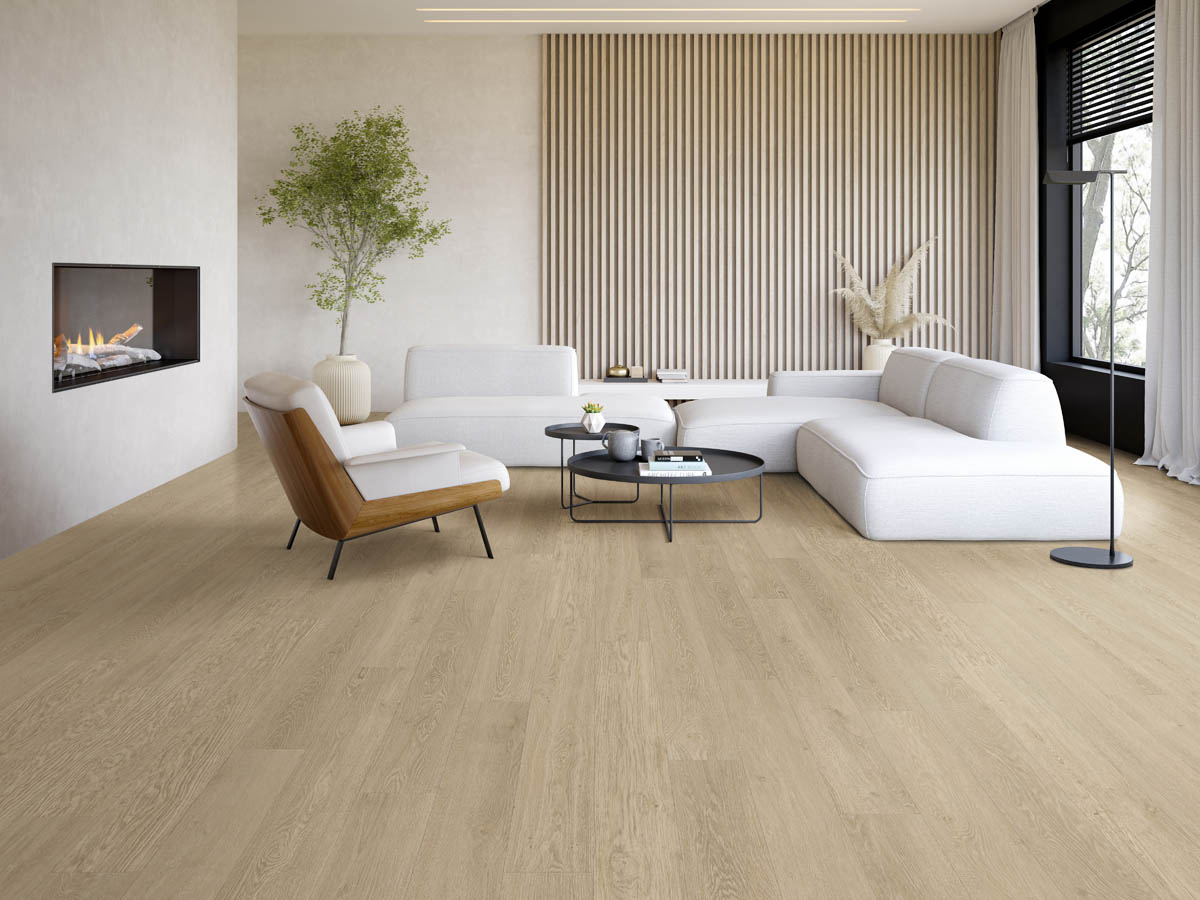
At its heart, minimalist design is about creating spaces that feel purposeful rather than empty. The goal is not to remove everything from a room, but to ensure that every element serves a function or contributes meaningfully to the overall aesthetic.
By focusing on simplicity, functionality, and thoughtful design choices, homeowners can create interiors that feel calm, organized, and easy to live in.
One of the reasons minimalist design remains so popular is its versatility. Whether applied to a small apartment or a large custom home, the same principles can help create a space that feels open, balanced, and visually uncluttered.
What Are the Core Principles of Minimalist Home Decor Ideas?
Successful minimalist design begins with intentional decision-making. Instead of filling a room with decorative items or oversized furniture, the focus shifts to selecting pieces that add genuine value to the space.
A neutral color palette is often the foundation of this approach. Soft whites, warm beiges, light grays, and muted earth tones create a sense of continuity throughout the home. These colors reflect light effectively, helping rooms feel brighter and more spacious while providing a flexible backdrop for furniture and artwork.
Functionality is equally important. Furniture should not only look good but also support the way people use their homes every day. Multi-functional pieces, such as storage ottomans, built-in shelving, or expandable dining tables, allow homeowners to maximize usable space without creating visual clutter.
Layout also plays a significant role. Open floor plans naturally align with minimalist design because they promote better flow between spaces and allow natural light to travel throughout the home.
Even in homes with more traditional layouts, reducing unnecessary obstacles and maintaining clear pathways can create a greater sense of openness.
Natural materials often help balance the simplicity of minimalist interiors. Wood, stone, linen, and indoor plants introduce warmth and texture without overwhelming the design. These elements prevent a minimalist space from feeling sterile while maintaining the clean aesthetic that defines the style.
Lighting is another essential consideration. Rather than relying on numerous decorative fixtures, minimalist interiors often emphasize quality over quantity.
Natural light is prioritized whenever possible, while carefully selected lighting fixtures provide both function and visual interest. The result is a home that feels bright, comfortable, and inviting throughout the day.
Modern technology can also support minimalist living. Smart home features allow homeowners to simplify daily routines while reducing the need for additional devices and controls.
Integrated lighting systems, smart thermostats, and automated shades can contribute to a cleaner, more streamlined environment without sacrificing convenience.
How Do Clean Lines and Neutral Palettes Define Modern Minimalist Interiors?
While many design styles rely on bold patterns, decorative details, or dramatic color contrasts, minimalist design takes a different approach. Its visual impact comes from restraint, balance, and thoughtful composition.
Clean lines are one of the most recognizable features of minimalist interiors. Furniture, cabinetry, and architectural details often feature simple silhouettes without excessive ornamentation.
This creates a sense of order that allows the eye to move comfortably through a space. Rooms feel less busy because visual distractions are intentionally minimized.
Neutral color palettes reinforce this sense of simplicity. Rather than competing for attention, colors work together to create a cohesive atmosphere. Layers of subtle tones add depth without making a room feel crowded or overwhelming.
This approach also provides flexibility, allowing homeowners to introduce personal touches through artwork, textiles, or accent pieces without disrupting the overall design.
The combination of clean lines and neutral colors contributes to a feeling of calm that many homeowners find appealing. Spaces appear more organized, even when they are actively used, because the design itself supports visual clarity.
Ultimately, minimalist design is not about following strict rules or eliminating personality from a home. It is about creating an environment where each element has a purpose and where simplicity enhances both beauty and functionality.
By embracing clean lines, neutral palettes, practical furnishings, and thoughtful layouts, homeowners can create spaces that feel timeless, comfortable, and easy to maintain.
Decluttering and Simple Living Strategies
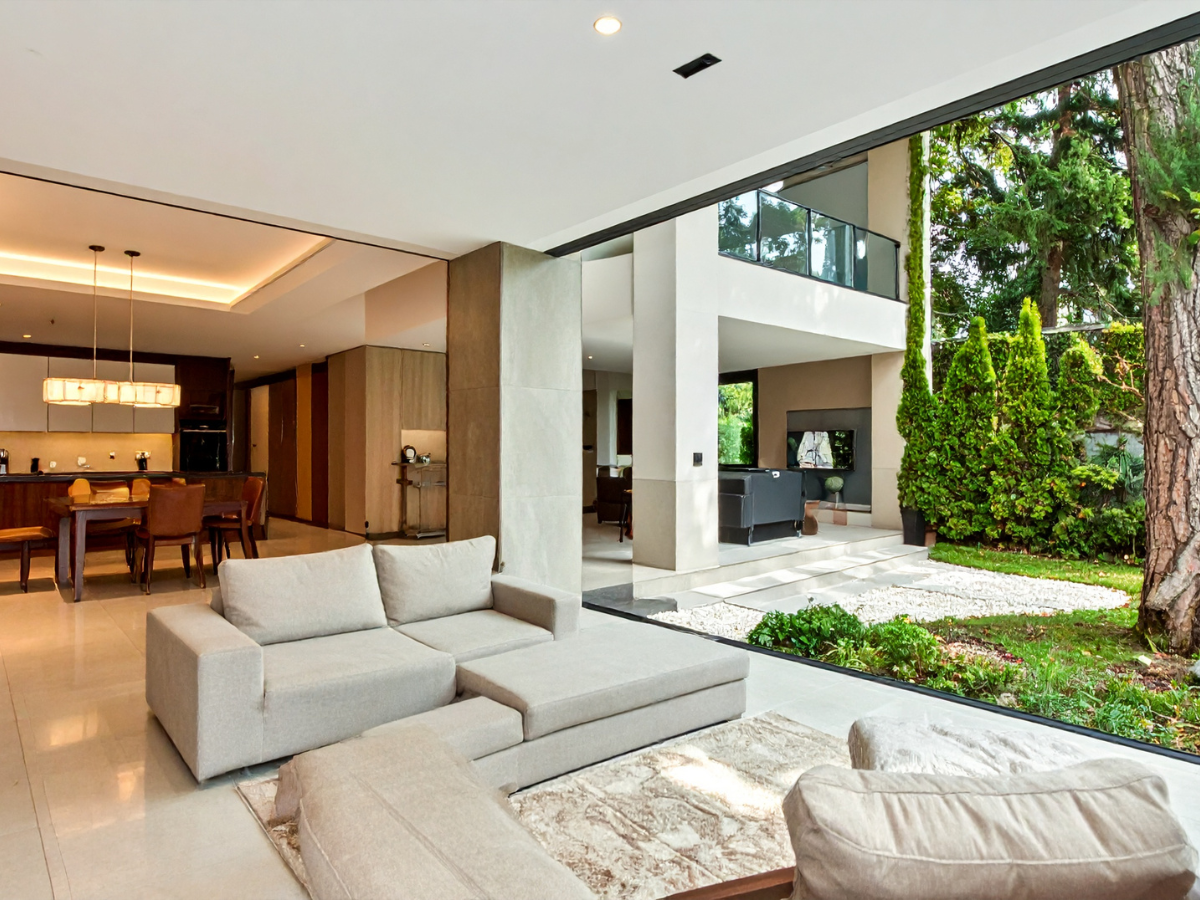
One of the most important aspects of minimalist design is reducing unnecessary clutter. Even the most thoughtfully designed room can feel crowded if it is filled with items that no longer serve a purpose.
Decluttering is not simply about getting rid of possessions. It is about creating a home that functions more efficiently and supports the way you want to live.
A successful decluttering process begins with intention. Instead of focusing on how much can be removed, consider how each space should function and which belongings genuinely contribute to that goal. This mindset helps create a more practical and sustainable approach to organizing a home.
Regular reviews of household items can also prevent clutter from gradually returning. Setting aside time every month to evaluate belongings allows homeowners to identify items that are no longer useful, needed, or relevant to their current lifestyle.
Small, consistent efforts often produce better long-term results than occasional large-scale cleanouts.
How Can You Declutter Effectively for a Minimalist Home Remodel?
When planning a home remodel centered on minimalist design, decluttering should happen before design decisions are finalized. Removing excess belongings provides a clearer understanding of how much storage is actually needed and how spaces are truly used.
Rather than tackling the entire home at once, focus on one room or category at a time. Starting with a manageable area helps build momentum and prevents the process from feeling overwhelming.
Closets, bookshelves, and storage cabinets are often good places to begin because they tend to accumulate items that are no longer regularly used.
As you sort through belongings, consider creating simple categories such as keep, donate, recycle, or discard. This approach makes decision-making more straightforward and helps avoid simply moving clutter from one location to another.
It can also be helpful to ask practical questions about each item. Is it used regularly? Does it serve a clear purpose? Would its absence affect daily life? Answering these questions honestly can help homeowners make thoughtful choices that align with the principles of minimalist design.
The goal is not to create empty rooms. Instead, it is to remove distractions so that the most important elements of the home can stand out and function effectively.
What Step-By-Step Decluttering Techniques Improve Living Space Functionality?
A structured approach often makes decluttering more successful and easier to maintain. One effective strategy is breaking the process into short, focused sessions rather than attempting to complete everything in a single day.
Setting a timer for 20 to 30 minutes can make the task feel more manageable. During that time, concentrate on a specific area and avoid moving between multiple projects. This focused effort often leads to noticeable progress without causing burnout.
Establishing clear goals can also improve results. Instead of setting a broad objective such as “declutter the house,” focus on smaller targets like organizing a pantry, simplifying a home office, or reducing items in a guest bedroom. Specific goals provide direction and make achievements easier to measure.
Another useful habit is adopting a maintenance mindset after the initial decluttering process is complete. Many homeowners follow a simple “one in, one out” approach, where a new purchase is balanced by removing an existing item. This practice helps prevent clutter from gradually rebuilding over time.
Celebrating progress is equally important. Creating a more functional living environment is a long-term process, and recognizing small accomplishments can help maintain motivation.
Which Decluttering Methods Support Sustainable Minimalist Design?
Minimalist design often overlaps with sustainability because both emphasize intentional consumption and thoughtful use of resources. Decluttering provides an opportunity to reduce waste while giving unwanted items a second life.
Donation is one of the most effective options for belongings that remain in good condition. Furniture, clothing, household goods, and other usable items can often benefit local charities, community organizations, or individuals in need.
Recycling is another important consideration. Many materials that no longer serve a purpose in the home can still be processed responsibly rather than sent directly to a landfill. Taking the time to recycle properly helps minimize environmental impact while supporting sustainable practices.
Some items may even have potential for repurposing. Upcycling projects can transform outdated furniture, décor, or storage solutions into functional pieces that better suit a minimalist home. This approach reduces waste while adding unique character to a space.
Ultimately, minimalist design is about more than visual simplicity. It encourages homeowners to make intentional choices about what they own, how they use it, and how their living spaces support daily life.
By combining thoughtful decluttering with sustainable practices, it becomes possible to create a home that feels organized, functional, and aligned with long-term goals.
Functional Storage and Space Optimization

One of the biggest misconceptions about minimalist design is that it requires owning fewer things than everyone else. In reality, successful minimalist spaces are often the result of thoughtful organization rather than strict limitations.
The key is ensuring that every item has a designated place and that storage solutions support the overall function of the home.
Vertical storage is one of the most effective ways to accomplish this goal. Instead of relying solely on floor space, homeowners can take advantage of wall height to create additional storage without making rooms feel crowded.
Wall-mounted shelving, tall bookcases, and floating storage systems allow belongings to remain accessible while minimizing visual clutter.
This approach is particularly useful in smaller homes, apartments, and multi-purpose spaces where square footage is limited.
By directing storage upward, rooms often feel larger and more open. Vertical storage can also create opportunities to display books, artwork, or decorative items in a way that feels intentional rather than cluttered.
When incorporated thoughtfully, vertical storage supports the clean, organized appearance that is central to minimalist design while improving the overall functionality of a space.
Why Is Functional Storage Key to Simple Living Tips?
The connection between storage and simple living is often overlooked. Many people focus on decluttering but underestimate the importance of creating systems that make organization easy to maintain over time.
Functional storage helps reduce the visual noise that can make a home feel chaotic. When everyday items have designated storage locations, it becomes easier to maintain order and avoid the gradual buildup of clutter.
This contributes to a calmer environment and reduces the time spent searching for misplaced belongings. Multi-functional furniture is a common feature in minimalist design because it combines practicality with efficient use of space.
Storage benches, beds with built-in drawers, coffee tables with concealed compartments, and ottomans that double as storage units all help maximize functionality without adding unnecessary furniture.
Functional storage also supports flexibility. As household needs change, well-designed storage systems can adapt more easily than purely decorative solutions. This adaptability allows homeowners to maintain a streamlined aesthetic without sacrificing convenience or comfort.
Ultimately, simple living is not about eliminating possessions entirely. It is about creating systems that allow the home to function smoothly while supporting daily routines.
Specific Storage Solutions
Not all storage solutions contribute equally to a minimalist aesthetic. The most effective options blend seamlessly into the design of the home while providing practical benefits that reduce visible clutter.
Built-in shelving is one of the strongest examples. Because it is integrated directly into the architecture of a room, it provides storage without taking up additional floor space. Built-ins can be customized to fit specific needs, making them a popular choice for living rooms, home offices, and bedrooms.
Under-bed storage is another valuable option, particularly in smaller homes. This often-overlooked area can accommodate seasonal clothing, extra linens, shoes, or other infrequently used items while keeping them out of sight.
By utilizing space that would otherwise remain unused, homeowners can free up valuable closet and cabinet storage elsewhere in the home.
Storage solutions can also be found in unexpected places. Areas beneath staircases, behind doors, and within recessed wall spaces often offer opportunities for additional organization. Small shelves, cabinets, or decorative baskets can transform these underutilized areas into highly functional storage zones.
Clear containers and labeled storage systems can further improve organization by making items easier to locate. Rather than creating hidden clutter, these solutions help maintain order while ensuring that belongings remain accessible when needed.
Another important consideration is furniture scale. Oversized furniture can consume valuable space and reduce flexibility within a room. Selecting appropriately sized pieces allows for better movement, improved traffic flow, and a greater sense of openness.
This design choice complements storage efforts by helping rooms feel less crowded and more intentional. At its core, minimalist design is about making the most of available space without sacrificing comfort or practicality. Functional storage plays a critical role in achieving that balance.
By combining vertical storage, multi-purpose furniture, built-in solutions, and thoughtful organization strategies, homeowners can create environments that feel spacious, efficient, and easy to maintain.
These solutions not only reduce clutter but also support the simplicity and functionality that define successful minimalist interiors.
What Are the Best Minimalist Remodeling Ideas for Kitchen Spaces?
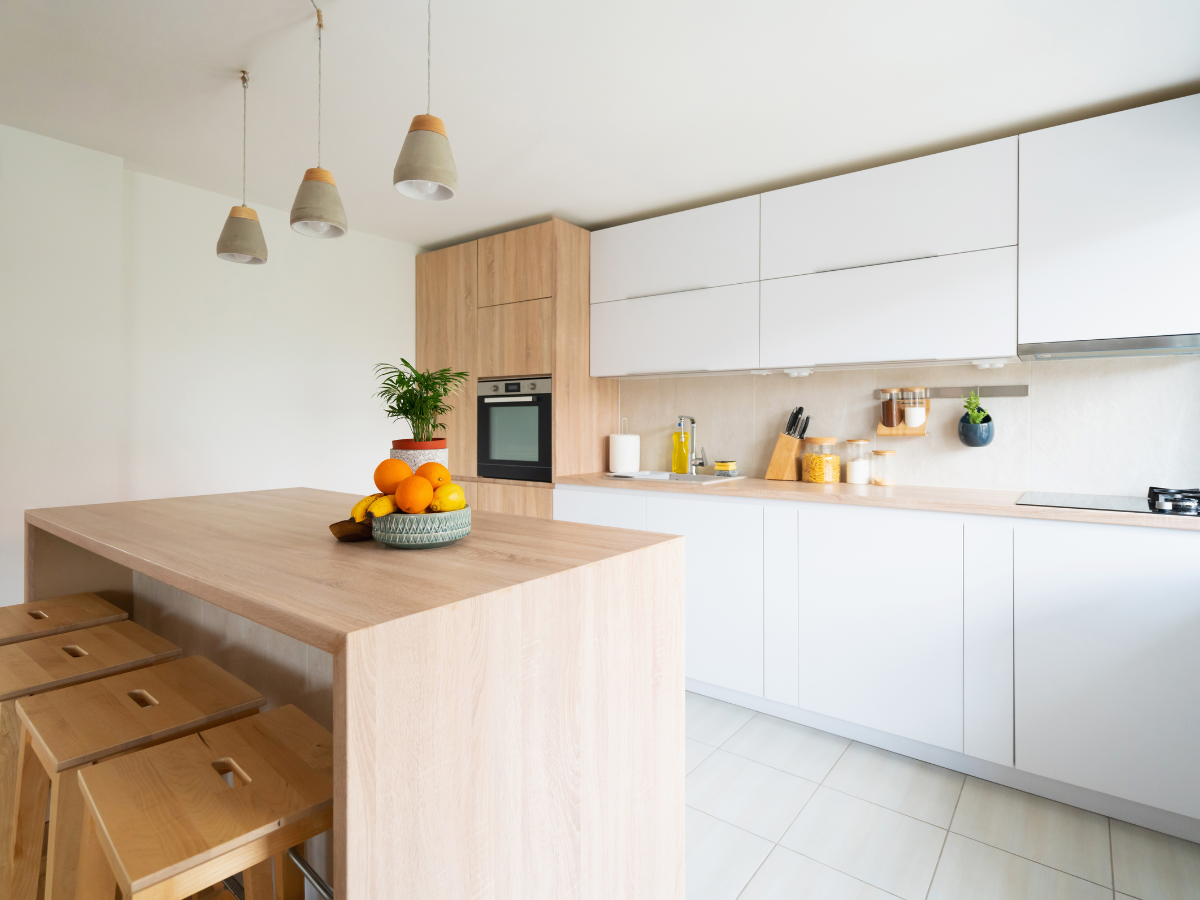
The kitchen is often one of the busiest rooms in a home, which makes it an ideal place to apply the principles of minimalist design. A well-designed minimalist kitchen focuses on efficiency, organization, and ease of use without sacrificing style or comfort.
One of the most effective remodeling strategies is simplifying the visual landscape. This can involve reducing unnecessary decorative elements, choosing streamlined cabinetry, and creating clear, uncluttered work surfaces.
The goal is to make the kitchen feel open and functional while supporting everyday tasks such as cooking, cleaning, and entertaining.
Another important consideration is prioritizing quality over quantity. Rather than filling the space with numerous features and accessories, minimalist design encourages homeowners to invest in durable materials, thoughtfully selected fixtures, and practical layouts that serve their long-term needs.
Many successful minimalist kitchen remodels also emphasize open sightlines and efficient movement. By carefully arranging work zones and minimizing obstacles, homeowners can create a space that feels more spacious and easier to navigate.
This approach improves both functionality and the overall visual appeal of the kitchen.
How Do Neutral Color Palettes and Scandinavian Style Enhance Minimalist Kitchen Remodels?
Color and material selection play a major role in shaping the atmosphere of a minimalist kitchen. Neutral palettes are commonly used because they create a clean, cohesive appearance that allows architectural details and quality materials to take center stage.
Soft white cabinetry, warm gray accents, natural wood finishes, and muted earth tones can all contribute to a balanced and inviting environment. These colors reflect light effectively, helping kitchens feel brighter and more open. They also provide a timeless foundation that remains appealing even as design trends change.
Scandinavian-inspired design has become closely associated with minimalist design because it combines simplicity with warmth. While some minimalist spaces can feel overly stark, Scandinavian influences help create a more welcoming environment through the use of natural textures and carefully chosen materials.
Wood elements are particularly common in Scandinavian kitchens. Whether incorporated through cabinetry, flooring, shelving, or furniture, natural wood adds warmth that balances the simplicity of neutral colors. The result is a space that feels calm and uncluttered without appearing cold or sterile.
Scandinavian design also emphasizes practicality. Every element is chosen with a purpose in mind, which aligns closely with the broader philosophy of minimalist living. Open shelving, simple hardware, and clean-lined cabinetry all contribute to a kitchen that feels organized and highly functional.
Which Functional Storage Solutions Optimize Kitchen Simplicity?
Storage is one of the most important factors in maintaining a minimalist kitchen. Even a beautifully designed space can quickly feel cluttered if everyday items lack proper organization.
Pull-out cabinets are an excellent example of storage that supports both convenience and simplicity. These systems make it easier to access items stored in deeper cabinets, reducing wasted space and improving overall organization.
By keeping cookware, pantry items, and small appliances neatly stored, homeowners can maintain cleaner countertops and a more streamlined appearance.
Drawer organization is equally important. Dividers help separate utensils, cooking tools, and kitchen accessories so that everything has a designated location. This not only improves efficiency during meal preparation but also prevents drawers from becoming overcrowded and difficult to navigate.
Magnetic strips offer another practical storage solution, particularly for knives and frequently used utensils. By utilizing wall space instead of drawer space, these systems help free up storage while keeping essential tools easily accessible.
In addition to specialized storage features, minimalist kitchens often benefit from thoughtful inventory management. Keeping only regularly used items within easy reach and storing less frequently used equipment elsewhere helps prevent overcrowding.
This approach supports the clean, organized aesthetic that defines minimalist design while making the kitchen easier to maintain.
Ultimately, a successful minimalist kitchen remodel is about creating a space that works efficiently for everyday life. Through the use of neutral color palettes, Scandinavian-inspired simplicity, and carefully planned storage solutions, homeowners can achieve a kitchen that feels both functional and visually balanced.
By focusing on purpose-driven design choices, minimalist design transforms the kitchen into a space that is easier to use, easier to maintain, and more enjoyable to spend time in.
How to Achieve Simple Living Principles in Bathroom Remodels?
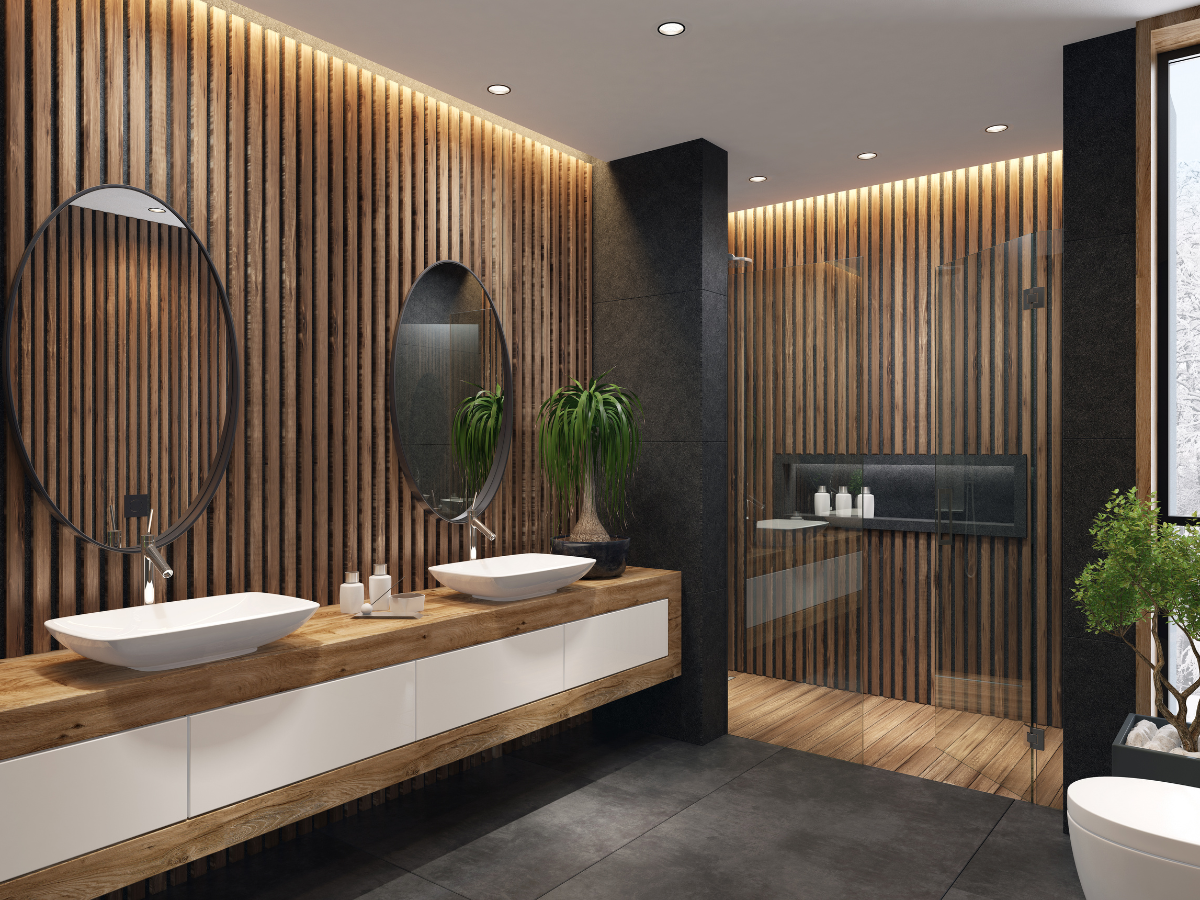
Bathrooms are often among the smallest rooms in a home, yet they tend to accumulate a surprising amount of clutter. Toiletries, cleaning products, linens, and personal care items can quickly overwhelm the space if storage and organization are not carefully considered.
Applying the principles of minimalist design can help transform the bathroom into a more functional and relaxing environment.
A minimalist bathroom remodel begins with simplifying the space. Rather than focusing on decorative elements, the emphasis shifts to usability, comfort, and thoughtful design choices.
Clean surfaces, intentional storage, and a restrained color palette help create a sense of order that makes the room feel larger and more inviting.
Simple living principles also encourage homeowners to evaluate what is truly necessary. Limiting countertops to frequently used items and storing everything else out of sight can significantly improve both appearance and functionality. The result is a bathroom that feels calm and organized rather than crowded and distracting.
Another important aspect of minimalist design is consistency. Coordinating materials, finishes, and fixtures throughout the space creates visual harmony and contributes to a more polished look. Even small bathrooms can feel luxurious when every design element works together cohesively.
What Materials and Fixtures Support Minimalist Bathroom Design?
Material selection plays a major role in establishing the atmosphere of a minimalist bathroom. Natural materials are particularly effective because they add warmth and texture while maintaining the simplicity that defines the style.
Stone surfaces, wood accents, and glass elements are common choices in minimalist design. These materials create visual interest without relying on bold patterns or excessive ornamentation. Their natural qualities also contribute to a timeless appearance that remains appealing for years.
Color selection is equally important. Neutral tones such as white, soft gray, beige, and muted earth colors help create a bright and open environment. These shades reflect light effectively, making the bathroom feel more spacious while supporting a sense of calm.
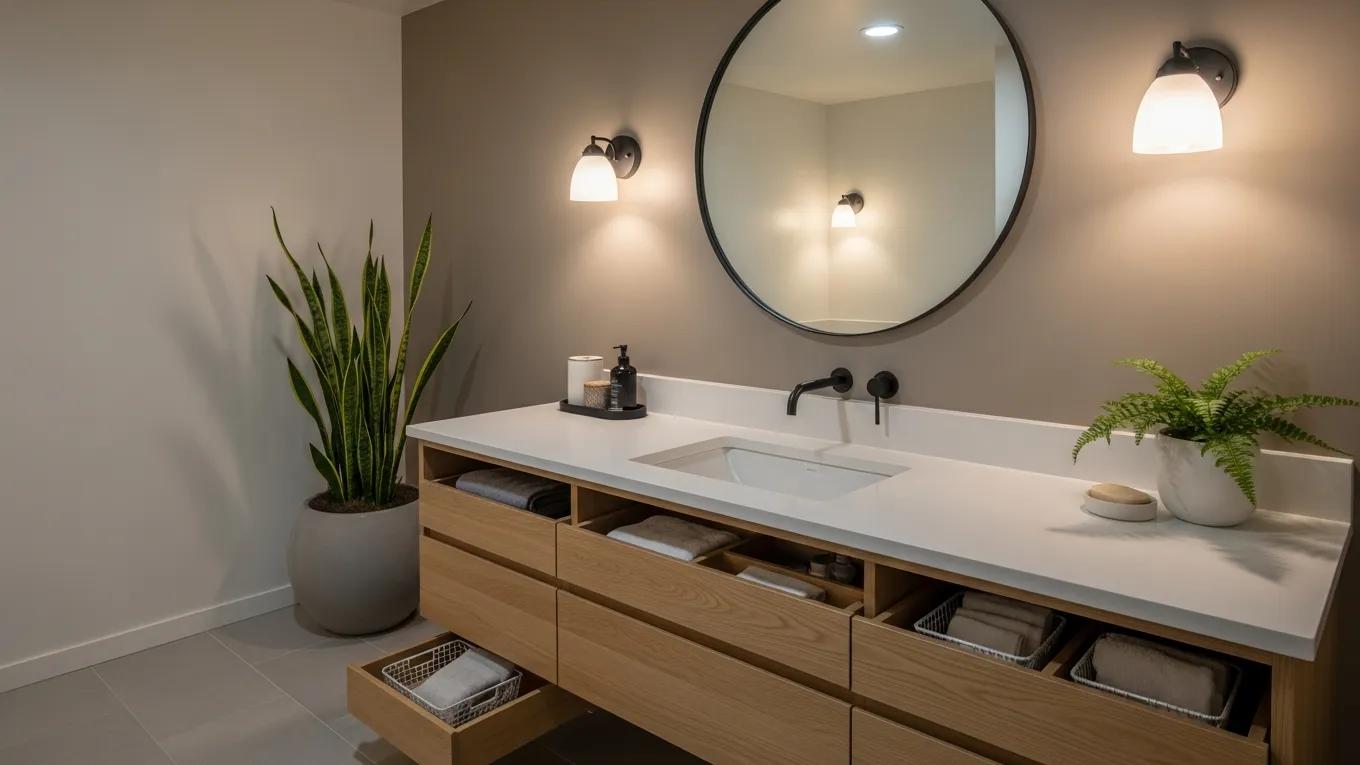
Fixtures should prioritize simplicity and functionality. Sleek faucets, streamlined vanities, frameless shower enclosures, and modern hardware all contribute to a cleaner aesthetic. The goal is not to eliminate character but to choose elements that serve their purpose without creating unnecessary visual distractions.
Lighting can further enhance the overall design. Well-placed lighting helps highlight architectural features and improve usability while maintaining the uncluttered feel associated with minimalist interiors. Combining natural light with simple, contemporary fixtures often produces the most balanced results.
How Does Decluttering Improve Bathroom Space Efficiency?
Decluttering is one of the most impactful ways to improve both the appearance and functionality of a bathroom. Unlike larger rooms where excess belongings can sometimes go unnoticed, clutter in a bathroom quickly affects how spacious and organized the room feels.
The first step is evaluating which items are used regularly and which are simply taking up valuable space. Expired products, duplicate toiletries, and unused accessories often accumulate over time without serving a practical purpose.
Removing these items creates immediate improvements in both storage capacity and visual clarity. Organization becomes much easier once unnecessary items have been removed.
Storage solutions such as shelves, baskets, drawer organizers, and vanity compartments help ensure that everyday essentials remain accessible without cluttering countertops and open surfaces.
Efficient storage also supports daily routines. When products are organized logically and stored in designated locations, it becomes easier to find what is needed without searching through crowded cabinets or drawers. This small improvement can make the space feel more functional and enjoyable to use.
From a design perspective, decluttering allows the key features of the bathroom to stand out. Quality materials, attractive fixtures, and thoughtful architectural details become more noticeable when they are not competing with visual distractions.
Ultimately, minimalist design is not about creating an empty bathroom. It is about creating a space that feels purposeful, comfortable, and easy to maintain.
By combining thoughtful material selections, streamlined fixtures, and effective organization strategies, homeowners can create bathrooms that support simple living while maximizing both efficiency and visual appeal.
How Can Basement Finishing Create Open And Functional Minimalist Spaces?
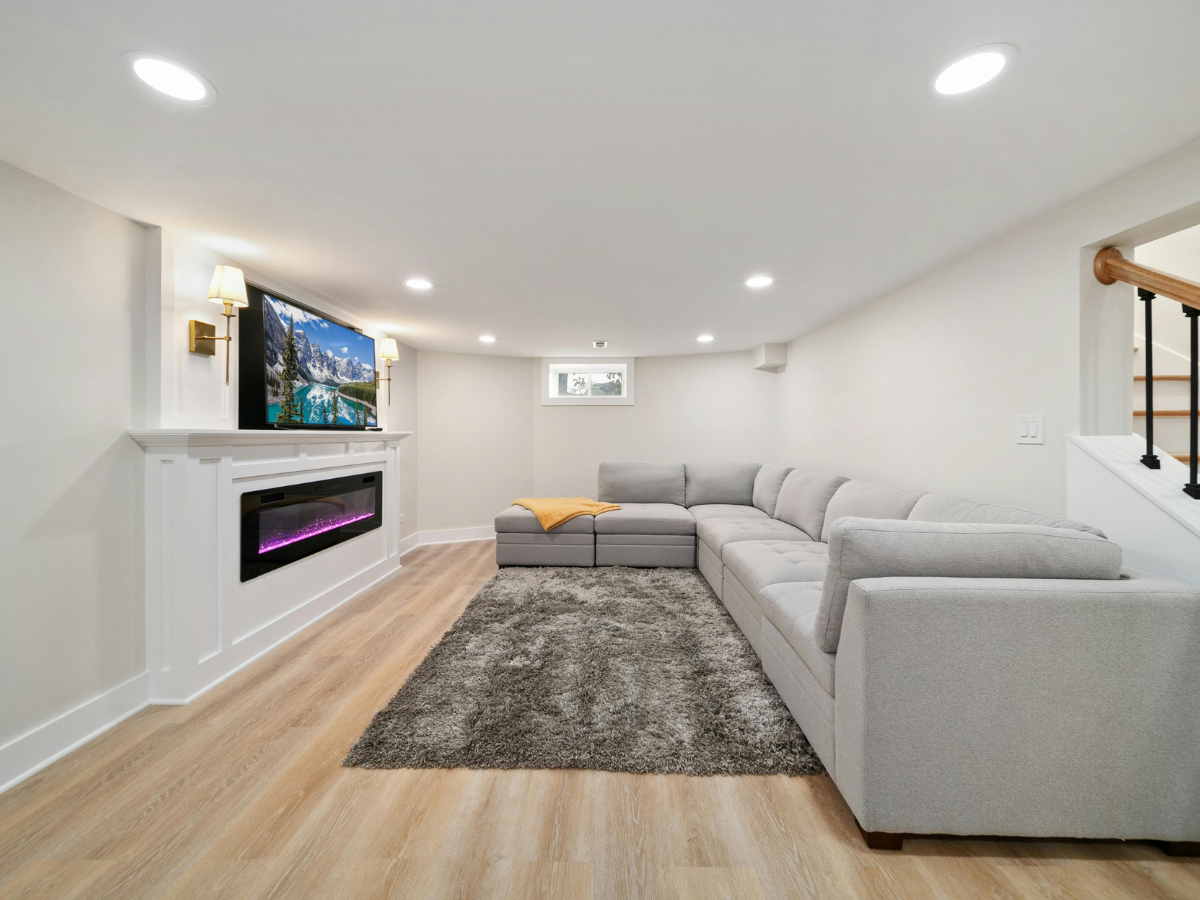
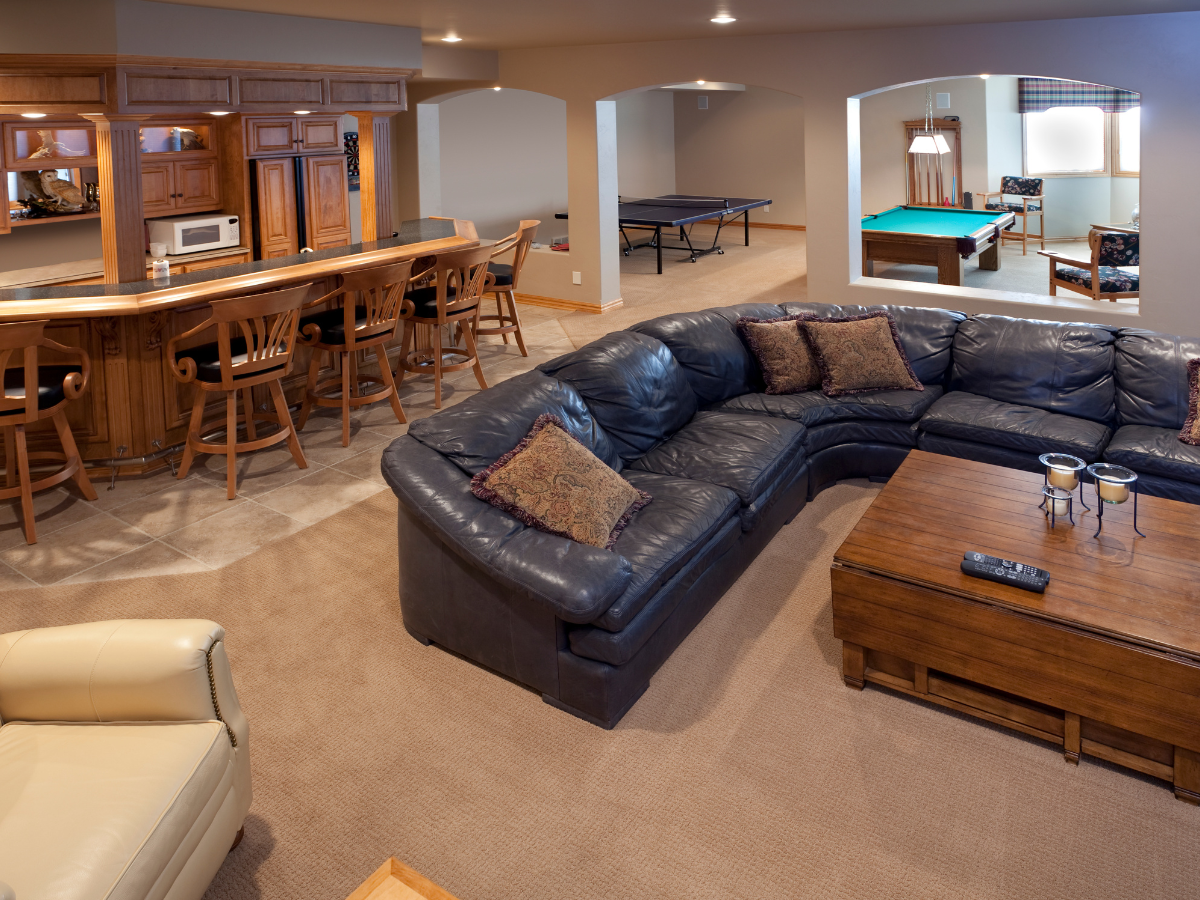
A finished basement can add valuable living space to your home while supporting the principles of minimalist design. Whether you plan to use the area as a family room, home office, guest suite, or entertainment space, the goal is to create an environment that feels purposeful rather than crowded.
The most successful minimalist design approaches begin by identifying how the space will be used. Instead of dividing the basement into several small rooms, many homeowners choose flexible layouts that can serve multiple functions. A single open area with thoughtfully selected furniture often feels larger, brighter, and easier to maintain than a heavily partitioned floor plan.
Because basements can sometimes feel enclosed, simplicity becomes especially important. Clean lines, uncluttered surfaces, and a restrained color palette help create a calm atmosphere that feels connected to the rest of the home. By focusing on essential furnishings and practical features, you can transform an underused basement into a comfortable and highly functional living area.
What Design Strategies Promote Spaciousness In Minimalist Basement Remodels?
One of the primary goals of minimalist design is creating a sense of openness. This can be particularly beneficial in a basement, where lower ceilings and limited natural light sometimes make the space feel smaller than it actually is.
Open floor plans are often the foundation of a successful remodel. Removing unnecessary walls allows light to travel more freely throughout the space and creates better visual flow. Even when separate zones are needed, furniture placement can often define areas without requiring permanent partitions.
Color selection also plays an important role. Light, neutral tones on walls, ceilings, and flooring help reflect available light and create a brighter environment. Shades of white, soft gray, beige, and warm earth tones can make a basement feel more expansive while maintaining the clean aesthetic associated with minimalist design.
Natural light should be maximized whenever possible. Enlarging basement windows, adding window wells, or incorporating glass elements can significantly improve the overall feel of the space. When natural light is limited, layered lighting can help achieve a similar effect. Recessed fixtures, wall sconces, and strategically placed lamps provide illumination without adding visual clutter.
Thoughtful furniture selection also contributes to spaciousness. Choosing streamlined pieces with simple profiles helps maintain an open appearance while ensuring the room remains comfortable and functional.
Which Storage Solutions Are Ideal For Basement Minimalism?
Storage is essential in any basement remodel, but in a minimalist space, it should blend seamlessly into the overall design rather than become a focal point. The best storage solutions keep belongings organized while preserving the clean, uncluttered look that defines minimalist design.
Built-in cabinetry is one of the most effective options. Custom cabinets can be designed to fit along walls, beneath windows, or around structural elements, making use of every available inch while keeping items hidden from view. This approach helps reduce visual clutter and creates a more polished appearance.
Another frequently overlooked opportunity is under-stair storage. The space beneath a staircase can be transformed into drawers, cabinets, or concealed storage compartments for seasonal items, household supplies, or recreational equipment. Using this area efficiently helps free up valuable floor space elsewhere in the basement.
Modular shelving systems can also work well when flexibility is important. Unlike permanent built-ins, modular units can be adjusted or reconfigured as your needs change. Choosing simple shelving designs in neutral finishes allows them to complement the room without overwhelming it.
For a truly minimalist result, focus on storing only items that serve a clear purpose. Well-designed storage is most effective when paired with thoughtful organization and regular decluttering.
By combining open layouts, strategic lighting, and integrated storage solutions, a basement remodel can become a practical extension of your home. When guided by the principles of minimalist design, the finished space feels organized, welcoming, and adaptable for years to come.
What Sustainable Materials Complement Minimalist Remodeling Designs?
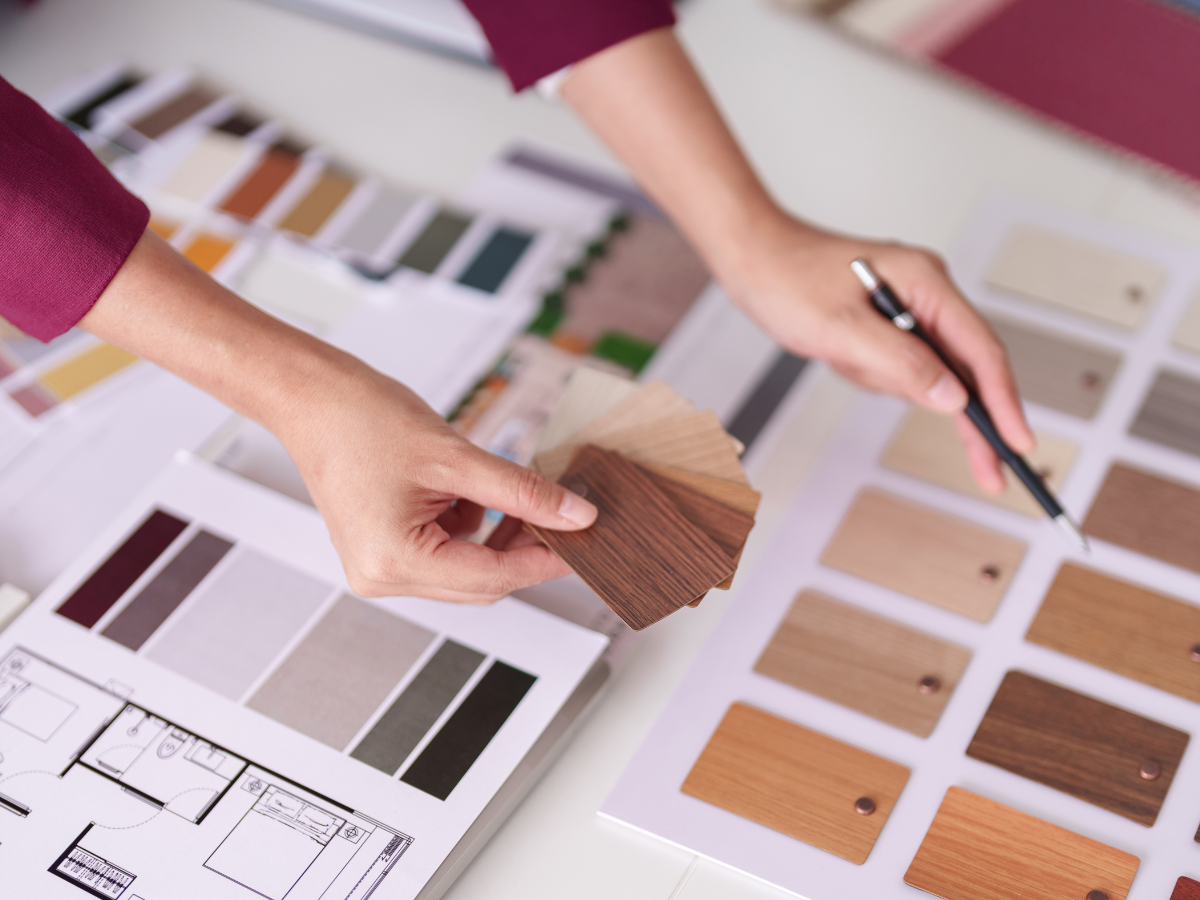
Sustainability and minimalist design naturally complement one another because both prioritize intentional choices over excess. Rather than filling a home with unnecessary materials, finishes, or decorative elements, a minimalist approach focuses on selecting products that are durable, functional, and built to last.
When planning a remodel, sustainable materials can help support these goals while reducing environmental impact. Bamboo is a popular choice because it grows quickly, renews naturally, and offers a clean, modern appearance that fits well within minimalist interiors.
Reclaimed wood is another option that combines character with sustainability, giving existing materials a second life instead of requiring new resources.
Natural stone also remains a favorite in minimalist homes. Its durability, timeless appearance, and low-maintenance qualities make it suitable for countertops, flooring, accent walls, and bathroom surfaces. Because stone ages gracefully, it often remains attractive for decades without requiring replacement.
Other environmentally conscious materials, such as recycled metal, recycled glass, and responsibly sourced wood products, can further support sustainable remodeling goals.
By choosing materials that are both practical and long-lasting, homeowners can create spaces that align with the principles of minimalist design while minimizing waste over time.
How Do Natural Materials Enhance Modern Minimalist Interiors?
One challenge homeowners sometimes encounter with minimalist design is avoiding spaces that feel too stark or impersonal. Natural materials help solve this problem by introducing warmth, texture, and visual interest without compromising simplicity.
Wood, stone, linen, and other organic materials bring subtle variation into a room. Their natural grain patterns, textures, and color differences add depth without creating visual clutter. This allows minimalist interiors to remain clean and streamlined while still feeling comfortable and inviting.
Natural materials also help establish a stronger connection between indoor and outdoor environments. Large windows, natural light, wood finishes, and stone accents can work together to create a sense of balance that many homeowners find calming and restorative.
The use of these materials often contributes to a timeless aesthetic as well. Unlike trend-driven finishes that may quickly feel outdated, natural materials tend to remain appealing across changing design styles.
This longevity aligns closely with the philosophy of minimalist design, which values enduring quality over short-lived trends. In addition to their visual appeal, many natural materials offer practical benefits.
Durable surfaces often require less frequent replacement, reducing both maintenance demands and long-term material consumption. As a result, homeowners can enjoy spaces that are both beautiful and functional.
Why Is Sustainability Important in Minimalist Home Remodels?
Sustainability has become an increasingly important consideration in modern home design, and it aligns naturally with the core values of minimalism. Both approaches encourage thoughtful decision-making, reduced waste, and a focus on quality rather than quantity.
A sustainable remodel is not only about selecting environmentally friendly materials. It also involves designing spaces that remain functional and relevant for years to come.
Durable finishes, efficient layouts, and timeless design choices reduce the need for frequent renovations and replacements, helping conserve resources over the long term.
Minimalist design supports this mindset by encouraging homeowners to prioritize what truly adds value to their daily lives. Rather than constantly updating spaces to follow changing trends, the focus shifts toward creating environments that are practical, adaptable, and enduring.
Research and industry discussions increasingly recognize the connection between minimalist design and sustainability. By reducing unnecessary consumption and emphasizing intentional use of materials, minimalist spaces often support broader environmental goals.
Fewer materials, less waste, and a stronger focus on longevity all contribute to a more responsible approach to home remodeling. There are also personal benefits to incorporating sustainability into a remodel.
Many eco-friendly materials contribute to healthier indoor environments, particularly when they contain fewer chemical treatments or volatile compounds. Combined with the clean, organized nature of minimalist interiors, this can create spaces that feel more comfortable and supportive of everyday well-being.
Ultimately, sustainability and minimalist design share a common philosophy: choosing what matters most and eliminating what does not.
By selecting durable natural materials, prioritizing quality craftsmanship, and designing with long-term use in mind, homeowners can create spaces that are visually appealing, environmentally responsible, and built to stand the test of time.
Minimalist Remodeling Trends and Case Studies
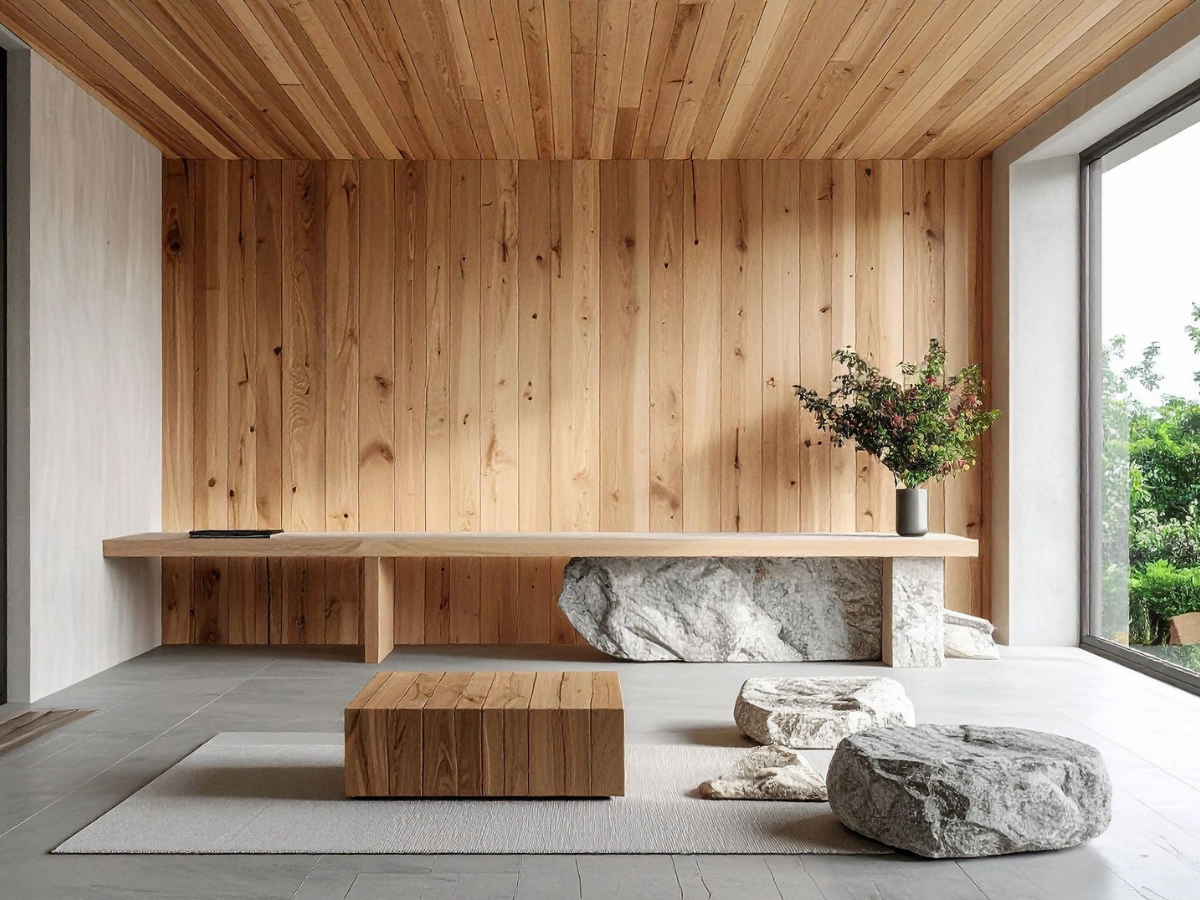
Minimalist design has evolved significantly over the past decade. While early interpretations often focused on stark interiors and extremely sparse spaces, today’s approach is much more balanced.
Homeowners are increasingly drawn to minimalist remodeling because it combines visual simplicity with practical functionality, creating homes that are both attractive and easier to maintain.
One of the most notable trends is the growing emphasis on purposeful design. Rather than filling rooms with decorative features, homeowners are prioritizing layouts that support daily routines and make better use of available space.
This shift reflects a broader desire for homes that feel organized, efficient, and adaptable to changing lifestyles. Another trend involves the integration of hidden storage solutions.
Built-in cabinetry, concealed storage compartments, and streamlined organizational systems allow homeowners to reduce visible clutter without sacrificing convenience. These features help maintain the clean appearance associated with minimalist design while addressing real-world storage needs.
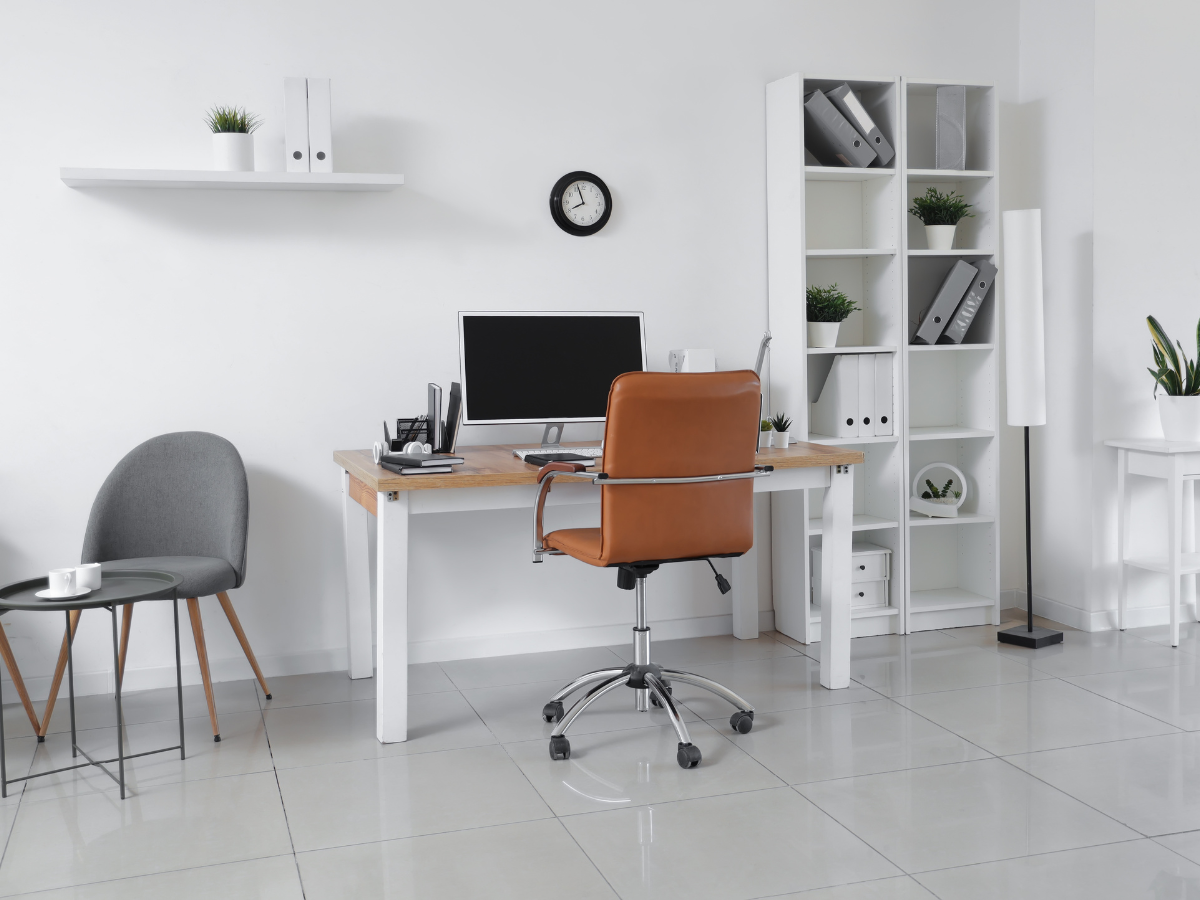
Flexible living spaces have also become increasingly popular. As more people work remotely or use their homes for multiple purposes, minimalist remodels often focus on creating rooms that can adapt to different activities throughout the day.
Thoughtful furniture choices, open layouts, and efficient storage systems make it easier to transition between work, relaxation, and entertainment without overwhelming the space.
Natural materials continue to play a major role as well. Many modern minimalist homes incorporate wood, stone, and other organic finishes to create warmth and texture. This reflects a growing preference for interiors that feel comfortable and inviting rather than overly rigid or sterile.
Industry research has also shown increasing interest in simplicity and functionality. Many homeowners now prioritize practical improvements that enhance everyday living, reflecting the continued popularity of minimalist design as both an aesthetic choice and a lifestyle philosophy.
How Do Case Studies Illustrate Successful Minimalist Remodel Implementations?
Real-world remodeling projects often provide the clearest examples of how minimalist principles can transform a home. While every project is unique, successful remodels tend to share common themes that highlight the practical benefits of a simplified design approach.
One frequently cited example involves smaller urban homes and apartments where space is limited. In these projects, designers often focus on maximizing functionality through open layouts, integrated storage, and carefully selected furniture.
By removing unnecessary barriers and reducing visual clutter, even compact spaces can feel larger and more comfortable. For example, a small apartment remodel may replace bulky furniture with multi-functional pieces that serve multiple purposes.
A dining area might double as a workspace, while built-in storage helps eliminate the need for additional cabinets or shelving units. The result is a space that feels more open without compromising usability.
Larger homes can benefit from minimalist remodeling in different ways. In these projects, the focus is often on improving flow between rooms and reducing unnecessary visual distractions.
Homeowners may choose to simplify architectural details, update finishes, and streamline layouts to create a more cohesive living environment.
Successful case studies also demonstrate that minimalist design is not about removing personality from a home. Instead, it encourages homeowners to be selective about what they display and how spaces are organized.
Meaningful artwork, quality furnishings, and carefully chosen decorative elements often become more impactful when they are not competing with excessive clutter.
Another lesson from many remodeling projects is the value of long-term thinking. Homeowners who embrace minimalist principles frequently choose durable materials, timeless finishes, and flexible layouts that remain functional as their needs evolve.
This approach reduces the likelihood of frequent renovations and helps create spaces that continue to feel relevant over time.
Ultimately, case studies highlight the practical strengths of minimalist design. Whether applied to a small apartment, a family home, or a large renovation project, the core principles remain consistent: simplify where possible, prioritize functionality, and create spaces that support everyday life.
These examples demonstrate that minimalist remodeling is not simply a design trend but a thoughtful approach to creating homes that are comfortable, efficient, and built around intentional living.
Conclusion
Achieving a minimalist design is about more than reducing clutter. It involves creating a home that feels intentional, functional, and visually balanced through thoughtful layouts, clean lines, and carefully selected materials.
Whether you’re updating a single room or planning a whole-home renovation, a well-executed minimalist remodel can enhance both the beauty and usability of your living space for years to come.
For expert remodeling services and personalized design solutions, choose FD Remodeling Atlanta & Marietta. If you’re ready to transform your home with a clean, modern design, call 404-857-5582 to speak with our team at FD Remodeling Atlanta & Marietta or fill out our project form today.