Exterior paint does more than change the look of your home. It acts as a protective barrier against sun exposure, moisture, temperature changes, and everyday wear.
Choosing the wrong product can lead to fading, peeling, and frequent repainting, while the right one helps your home stay protected and visually appealing for years.
Choosing the best exterior paint for durability and curb appeal means looking beyond color alone. Factors like climate, surface material, finish type, and paint quality all influence how well the coating performs over time. In areas with strong sun, humidity, or seasonal weather shifts, durability becomes especially important.
With the right paint selection, you can improve your home’s appearance, reduce maintenance needs, and create a finish that holds up beautifully against the elements.
Choosing Exterior Paint for a Longer-Lasting Finish
Guide to Choosing the Best Exterior Paint for Durability and Curb Appeal
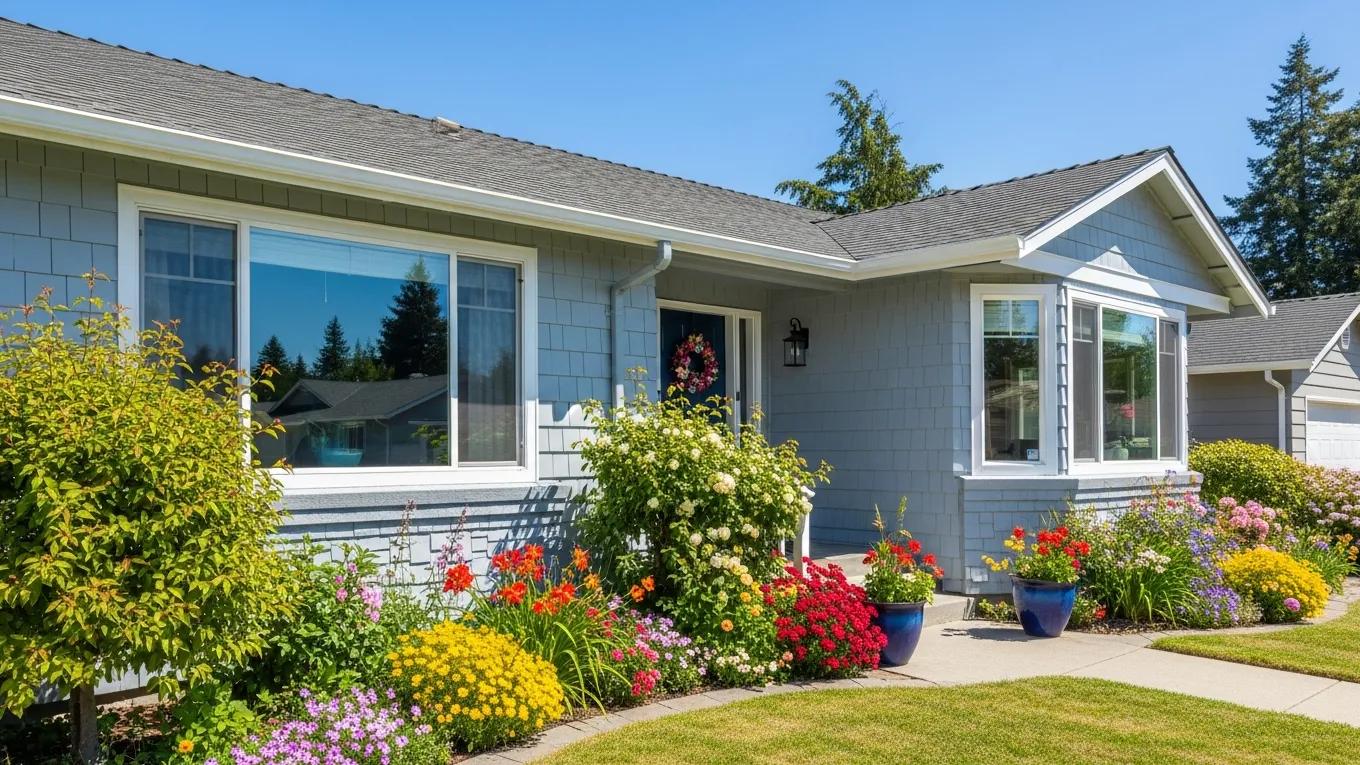
Choosing the right exterior paint is about more than color alone. A good paint job protects your home from weather, moisture, and sun exposure while also improving curb appeal and overall property value. The best results come from balancing appearance, durability, and long-term performance.
Climate, surface material, and maintenance expectations all influence which exterior paint will work best for your home.
A product that performs well in a dry climate may not hold up the same way in humid or coastal conditions. Understanding how different paint types behave can help homeowners make a more informed decision before starting a project.
Understanding The Main Types Of Exterior Paint
Several types of exterior paint are commonly used for residential projects, and each offers different advantages depending on the surface and environment.
Oil-based paint is known for its hard, durable finish and strong resistance to moisture. It tends to perform well in areas exposed to heavy wear or high humidity. However, oil-based paints usually require longer drying times and more involved cleanup.
Latex paint has become one of the most popular choices for modern exterior paint projects because it dries quickly, cleans up easily, and remains flexible as temperatures change. That flexibility helps reduce cracking and peeling over time.
Acrylic paint, which is a high-performance form of latex paint, is often considered one of the best all-around options for exterior applications. Acrylic formulas offer strong adhesion, fade resistance, and durability across a wide range of weather conditions.
How Climate Affects Exterior Paint Performance
Weather exposure is one of the biggest factors affecting the lifespan of exterior paint. Homes in sunny climates need strong UV resistance to prevent fading, while homes in humid or rainy areas need better moisture protection.
Research on exterior coatings has highlighted how environmental exposure, including salt-laden air and harsh weather, can affect paint resistance and long-term performance.
For homes exposed to intense sunlight, acrylic exterior paint often performs well because it resists fading and handles temperature fluctuations effectively. In wetter environments, moisture resistance becomes especially important to help prevent blistering, mildew growth, or peeling.
Surface material matters too. Wood siding, stucco, brick, and fiber cement each absorb and release moisture differently, which can influence how well paint adheres and how long it lasts.
Choosing Exterior Paint For Curb Appeal
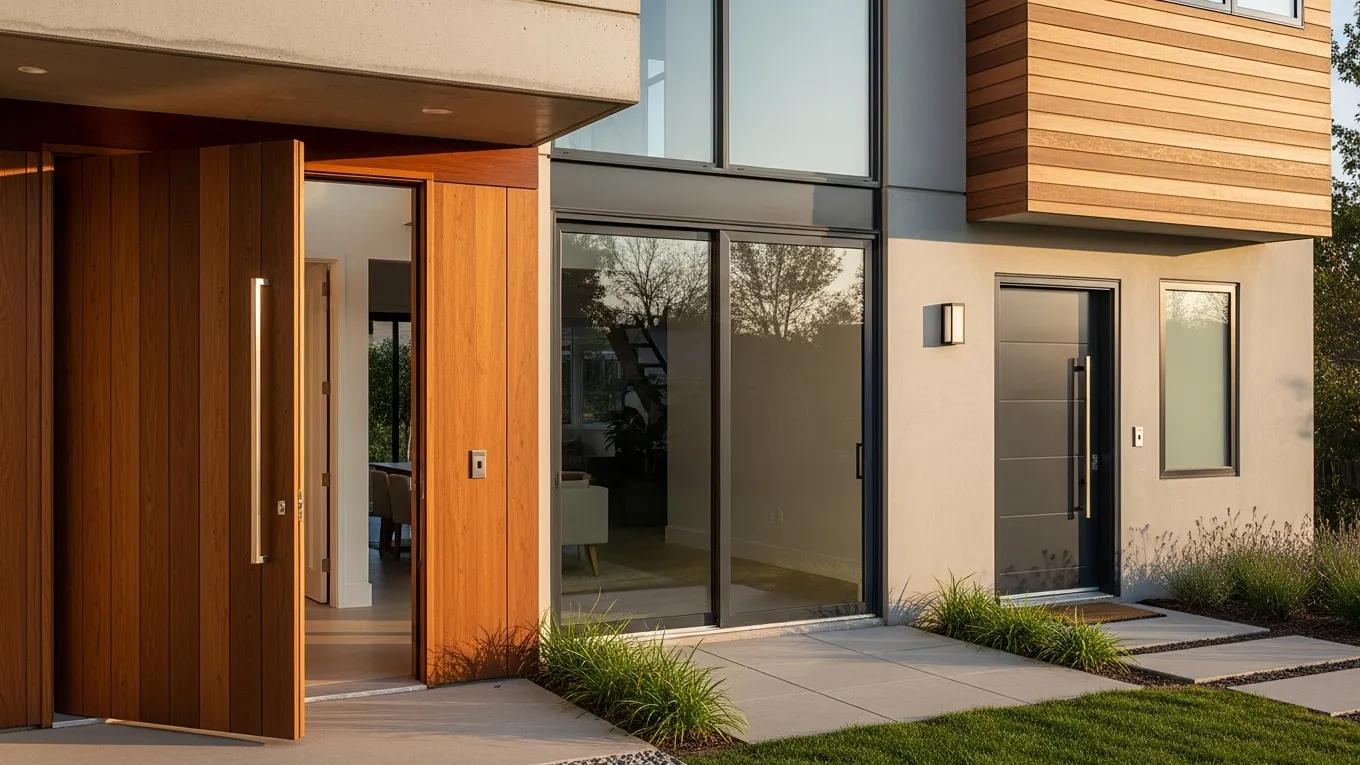
Durability matters, but appearance plays an equally important role. The right exterior paint color can dramatically change how a home feels from the street and how well it fits within the surrounding neighborhood.
Lighter colors can make a home appear larger and brighter, while darker tones often create a more dramatic or modern appearance. Neutral shades tend to have broader long-term appeal, especially for resale value, while bold accent colors are commonly used on front doors, shutters, or trim.
Lighting also changes how paint colors appear throughout the day. A shade that looks warm and soft in morning sunlight may appear cooler or darker in the evening. Testing samples directly on the home’s exterior is one of the best ways to avoid surprises once the full project is complete.
Why Paint Quality Matters
Not all exterior paint products perform the same way. Higher-quality paints typically contain better pigments, stronger binders, and more durable protective ingredients. These formulas often provide better coverage, resist fading longer, and require fewer repainting cycles over time.
Professional painters frequently recommend trusted brands like Sherwin-Williams, Benjamin Moore, and Behr because of their durability, color retention, and broad selection of finishes.
While premium exterior paint may cost more upfront, it can save money long-term by reducing maintenance, repainting frequency, and repair needs.
Tips For Getting Long-Lasting Results
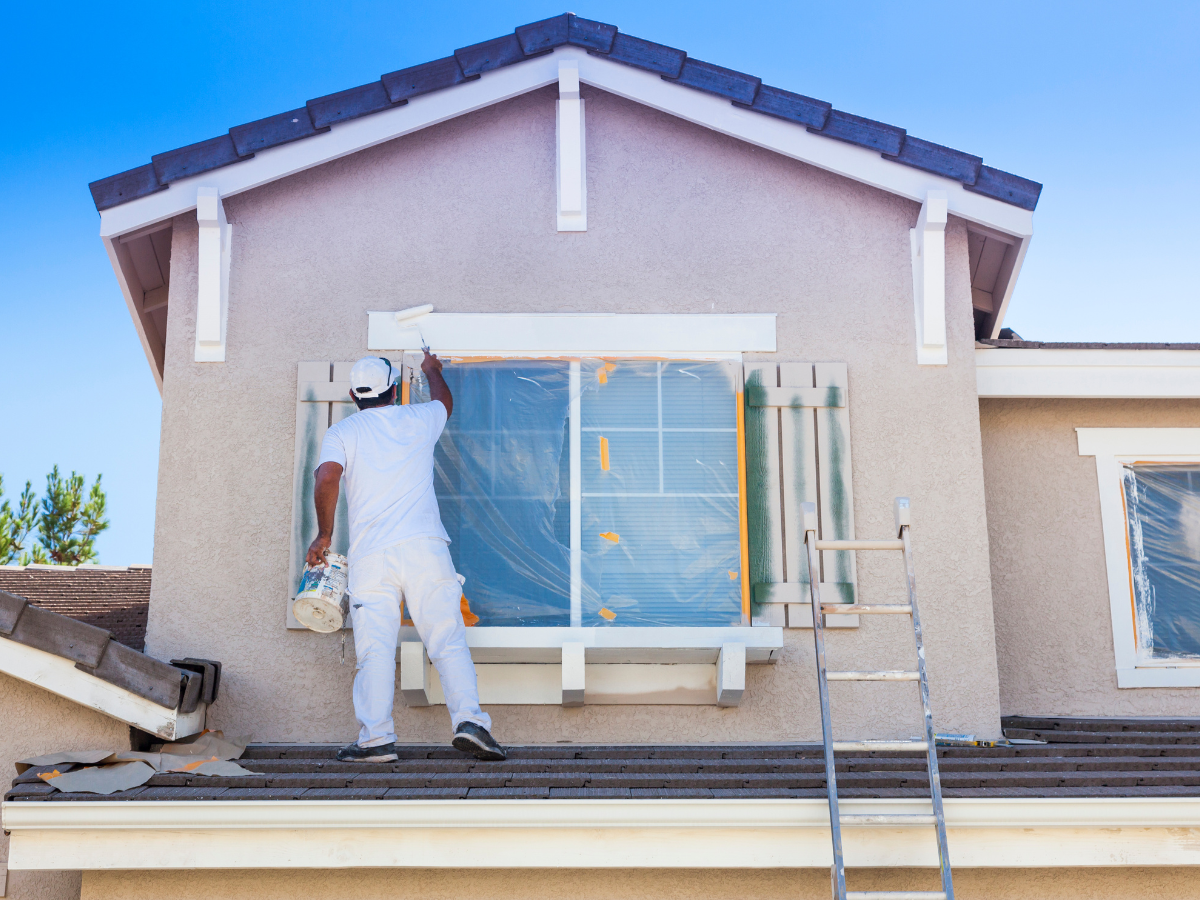
Even the best exterior paint performs poorly if the surface is not prepared correctly. Cleaning, scraping loose paint, repairing damaged areas, and using the appropriate primer all help improve adhesion and durability.
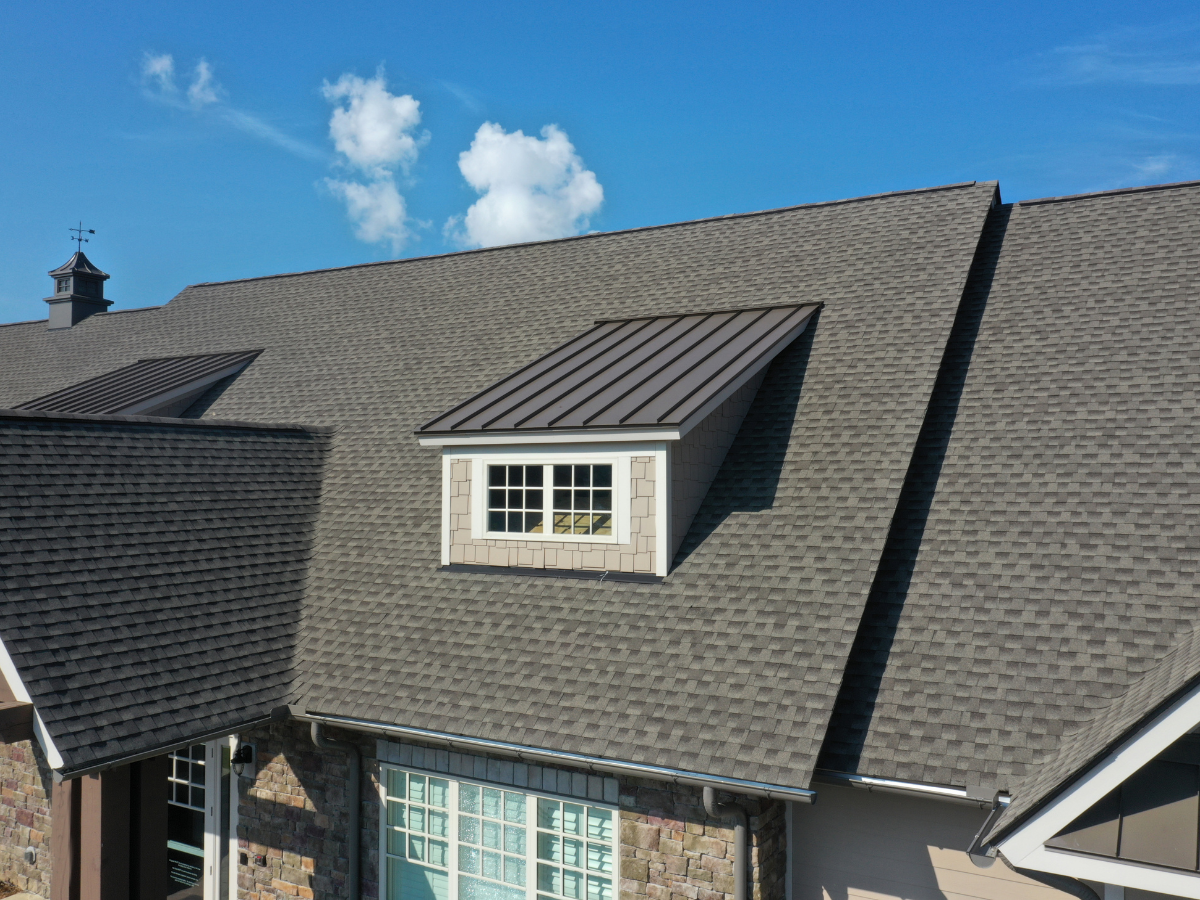
Color coordination also matters when trying to create a polished appearance. Trim, shutters, roofing, and landscaping should all work together visually instead of competing for attention.
Regular maintenance extends the life of exterior paint as well. Washing away dirt, addressing small chips early, and inspecting surfaces annually can help preserve both appearance and protection.
Finding The Right Balance Between Style And Protection
The best exterior paint is one that fits both the visual style of the home and the environmental demands of the location. Some homeowners prioritize bold curb appeal, while others focus primarily on durability and low maintenance.
In most cases, the ideal solution combines both. A carefully selected exterior paint can improve the appearance of a home while also protecting it from years of weather exposure, helping homeowners get more value and longer performance from their investment.
Which Exterior Paint Finishes Enhance Curb Appeal And Durability?
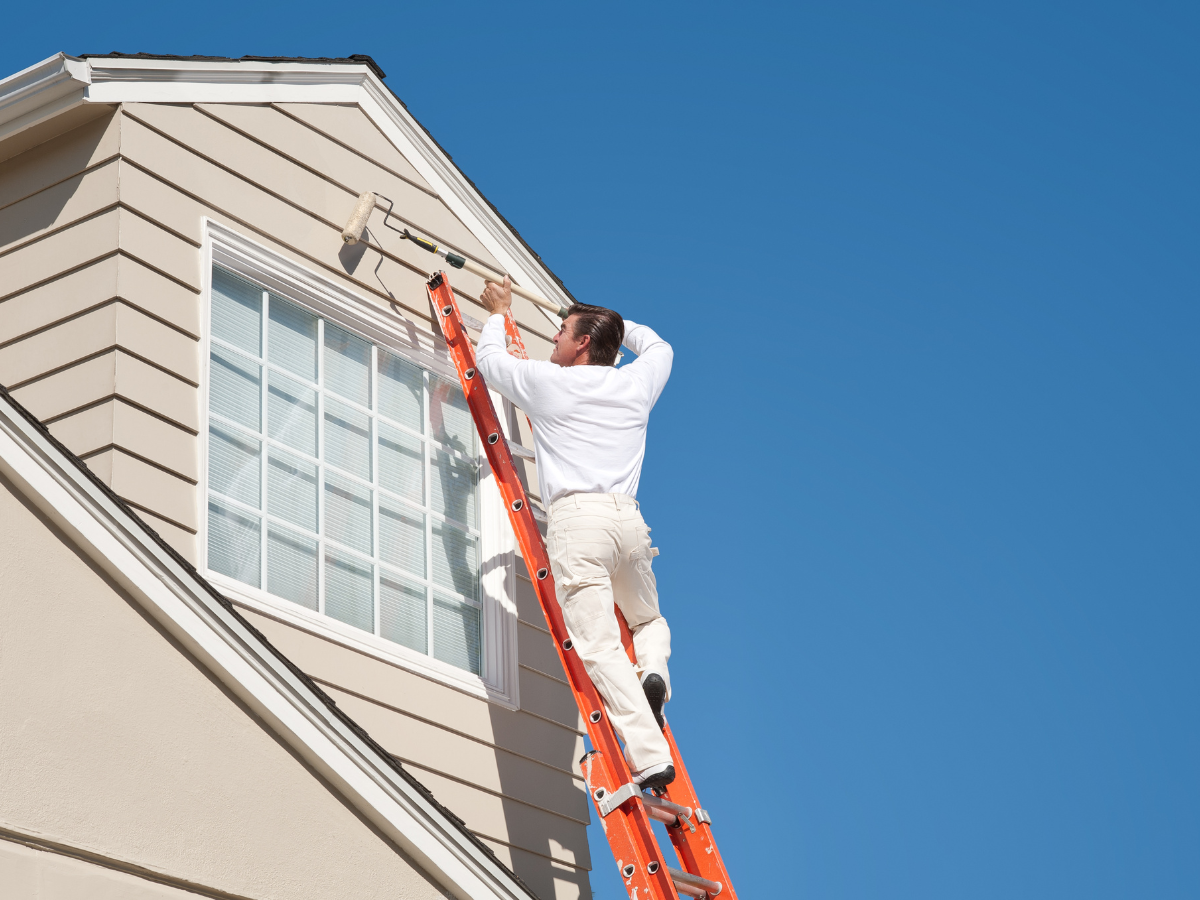
Choosing the right finish is just as important as choosing the right color when planning an exterior paint project. The finish affects how the paint looks from the street, how well it handles weather exposure, and how much maintenance it may require over time.
Different finishes create different visual effects, but they also perform differently depending on the surface and environment. A finish that works well for trim may not be the best choice for siding, and a finish that looks attractive initially may become difficult to maintain if it is not suited to local weather conditions.
Understanding how each finish performs can help homeowners choose an exterior paint that balances appearance, durability, and practicality.
What Are The Differences Between Matte, Satin, And Glossy Finishes?
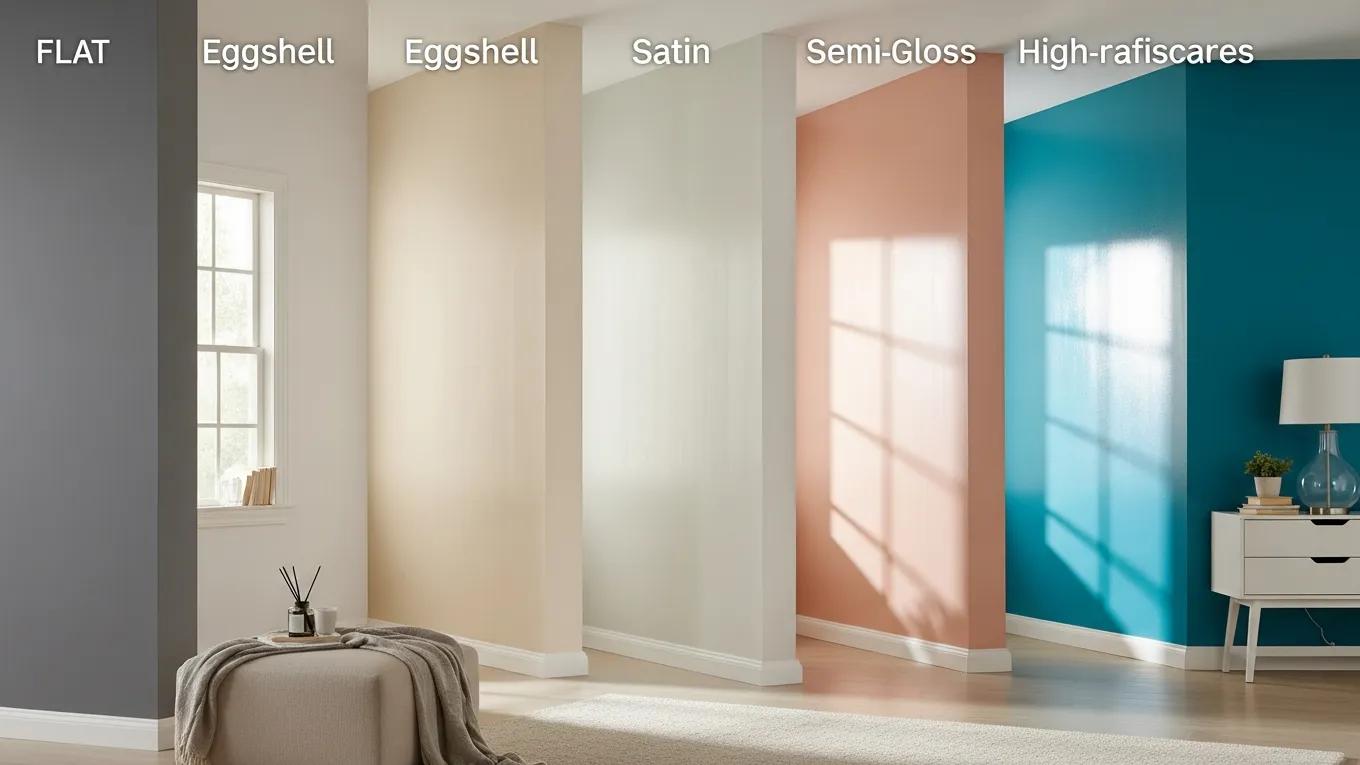
Exterior paint finishes generally fall into three common categories: matte, satin, and glossy. Each one creates a different look and serves a different purpose on a home’s exterior.
A matte finish, sometimes called flat paint, has little to no shine. It creates a softer appearance and is often chosen for siding because it helps conceal surface imperfections like small cracks, uneven textures, or patchwork repairs.
Older homes with weathered siding sometimes benefit from matte finishes because they create a smoother visual effect overall.
However, matte finishes are usually more porous than higher-sheen options. Because of this, they can collect dirt more easily and may require more frequent touch-ups in areas exposed to moisture or heavy weather.
Satin finishes offer a slight sheen without appearing overly reflective. This balance makes satin one of the most popular choices for exterior paint applications.
Satin finishes are easier to clean than matte paints and generally hold up well against changing weather conditions while still maintaining a softer, more natural appearance.
Glossy finishes create a shiny, reflective surface that stands out visually and offers strong durability. They are commonly used for trim, shutters, railings, and doors because they resist moisture and clean easily.
However, glossy finishes also highlight flaws more aggressively, so proper surface preparation becomes especially important before application.
How Finish Types Affect Curb Appeal
The finish homeowners choose can dramatically influence the overall look and feel of a property. Even when using the same exterior paint color, different finishes can create very different visual results.
Matte finishes tend to create a more understated and modern appearance. Because they absorb light instead of reflecting it, they often make colors appear deeper and softer. This finish works well for homes aiming for a subtle or contemporary look.
Satin finishes provide a balanced appearance that feels polished without being overly shiny. The slight reflectiveness helps colors appear vibrant while still maintaining a natural exterior look. Many homeowners choose satin because it offers broad versatility across different architectural styles.
Glossy finishes attract attention more easily because they reflect sunlight and create visual contrast. Used strategically on trim and accents, glossy paint can highlight architectural details and improve curb appeal. Overusing glossy finishes on large surfaces, however, can sometimes make imperfections more noticeable.
Matching the finish to the style of the home is often just as important as choosing the color itself.
How Exterior Paint Finishes Impact Durability
Beyond appearance, the finish also affects how well exterior paint handles long-term exposure to weather, dirt, and moisture.
Glossier finishes typically provide stronger moisture resistance because their smoother surfaces repel water more effectively. This makes them a practical option for areas exposed to rain, humidity, or frequent contact, such as doors, railings, and window trim.
Matte finishes, while visually appealing, may absorb more moisture over time. In climates with frequent rain or humidity, this can increase the likelihood of mildew growth, staining, or fading if the paint quality is not high enough.
Satin finishes often provide the best balance between appearance and durability. They resist dirt and moisture better than matte paint while avoiding the overly reflective appearance of high-gloss coatings.
Climate also influences which finish performs best. Homes in coastal or wet regions may benefit from more moisture-resistant finishes, while homes in dry climates may prioritize UV resistance and color retention.
Maintenance Considerations For Different Paint Finishes
Maintenance requirements vary significantly depending on the finish selected.
Glossy surfaces are usually the easiest to clean because dirt and grime do not cling as easily to the smooth coating. Homeowners can often wash these surfaces without damaging the paint.
Matte finishes require more careful maintenance because scrubbing too aggressively may leave visible marks or uneven areas. They may also show stains more easily in high-exposure environments.
Satin finishes again fall somewhere in the middle, offering relatively easy cleaning while maintaining a softer look.
Choosing the right exterior paint finish ultimately depends on the home’s style, local climate, and the homeowner’s maintenance expectations. A thoughtful combination of finishes across siding, trim, and accents can improve curb appeal while also helping the paint last longer under everyday weather conditions.
How To Choose Paint Colors That Maximize Curb Appeal
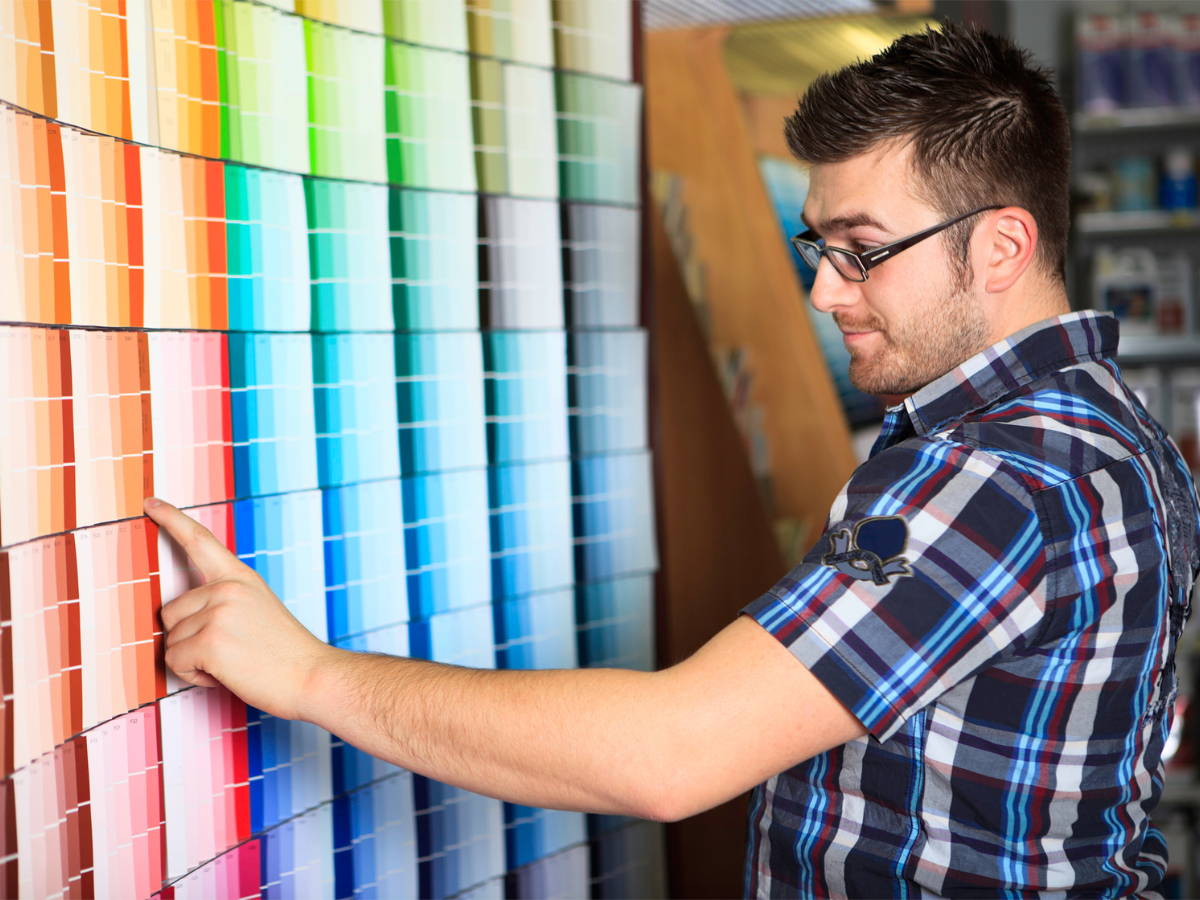
Choosing the right color palette can completely change how a home looks from the street. The right exterior paint colors can make a property feel more modern, more inviting, or more visually balanced, while poor color choices can make even a well-maintained home appear dated or disconnected from its surroundings.
Curb appeal is not just about following trends. It involves understanding how color interacts with lighting, architecture, landscaping, and neighborhood style. A color that looks appealing on a paint swatch may appear very different once applied across a large exterior surface.
When selecting exterior paint, homeowners should think beyond personal preference alone and consider how the colors will perform visually throughout the day and across different seasons.
What Are The Latest Color Trends For Exterior Paint In 2024-2026?
Recent exterior paint trends have shifted toward more natural and grounded color palettes. Many homeowners are moving away from overly bright or stark combinations in favor of shades that feel timeless and adaptable.
Earthy neutrals remain especially popular. Warm taupes, muted greens, clay-inspired browns, and soft charcoal tones continue to appear in modern exterior designs because they blend well with natural surroundings while still feeling sophisticated. These shades also tend to age well visually, making them a practical long-term choice.
Soft off-whites and creamy beiges are also trending for homeowners who want a clean look without the harshness of pure white. These colors work particularly well on traditional and farmhouse-style homes because they create warmth while maintaining brightness.
At the same time, darker accent colors are becoming more common for shutters, trim, and front doors. Deep navy, forest green, matte black, and rich terracotta tones are often used to create contrast and visual depth without overwhelming the home’s exterior.
Contemporary homes are also embracing monochromatic palettes that combine multiple shades from the same color family. This layered approach gives the exterior paint scheme a more refined and cohesive appearance.
How Hue Influences Exterior Paint Choices
Hue refers to the actual color family being used, such as blue, green, gray, or beige. Different hues create different emotional impressions and can subtly influence how a home is perceived.
Warm hues, including tan, cream, soft red, and brown, often make homes feel more welcoming and approachable. They tend to pair well with traditional architecture and natural landscaping features.
Cool hues like slate blue, gray, or sage green usually create a calmer and more modern appearance. These tones are frequently used on contemporary homes because they offer a clean and understated look.
The surrounding environment should also influence hue selection. Homes in wooded areas often look more balanced with earthy or muted tones, while coastal homes may benefit from lighter blues, sandy neutrals, or brighter whites.
Choosing the right hue for exterior paint helps ensure the home feels visually connected to its setting rather than disconnected from it.
Why Saturation Affects Curb Appeal
Saturation refers to the intensity or boldness of a color. Highly saturated colors appear richer and more vibrant, while lower-saturation tones feel softer and more subdued.
Highly saturated exterior paint colors can make a dramatic statement, especially when used on front doors or accent features. However, when applied across an entire home, bold colors can sometimes feel overwhelming or date quickly.
Lower-saturation colors generally create a more timeless appearance. Muted greens, soft blues, and weathered grays often age better visually because they feel less aggressive under changing sunlight conditions.
Many homeowners find that balancing saturation works best. A softer main body color paired with a slightly more saturated accent color creates contrast while maintaining overall harmony.
Lighting also affects how saturated colors appear. Bright sunlight can intensify already-bold colors, while shaded areas may soften them considerably.
How Brightness Changes The Overall Appearance Of A Home
Brightness refers to how light or dark a color appears. This characteristic plays a major role in how large, clean, or dramatic a home looks from the curb.
Lighter exterior paint colors tend to make homes appear larger and more open. They also reflect heat more effectively, which can be beneficial in warmer climates. Soft whites, pale grays, and light beige tones remain popular because they provide flexibility across many architectural styles.
Darker colors create depth and contrast, but can make certain surfaces appear smaller. When used strategically, darker exterior paint can highlight architectural details and give homes a more upscale, modern appearance.
Balancing brightness across siding, trim, and accents is often the key to achieving strong curb appeal. Too much contrast can feel visually busy, while too little contrast may cause important details to disappear.
Testing paint samples outdoors before committing to a final color is always worthwhile. Natural lighting changes throughout the day, and exterior paint can look dramatically different in morning sun, afternoon shade, or evening light.
How Does Surface Preparation Impact Paint Longevity And Appearance?
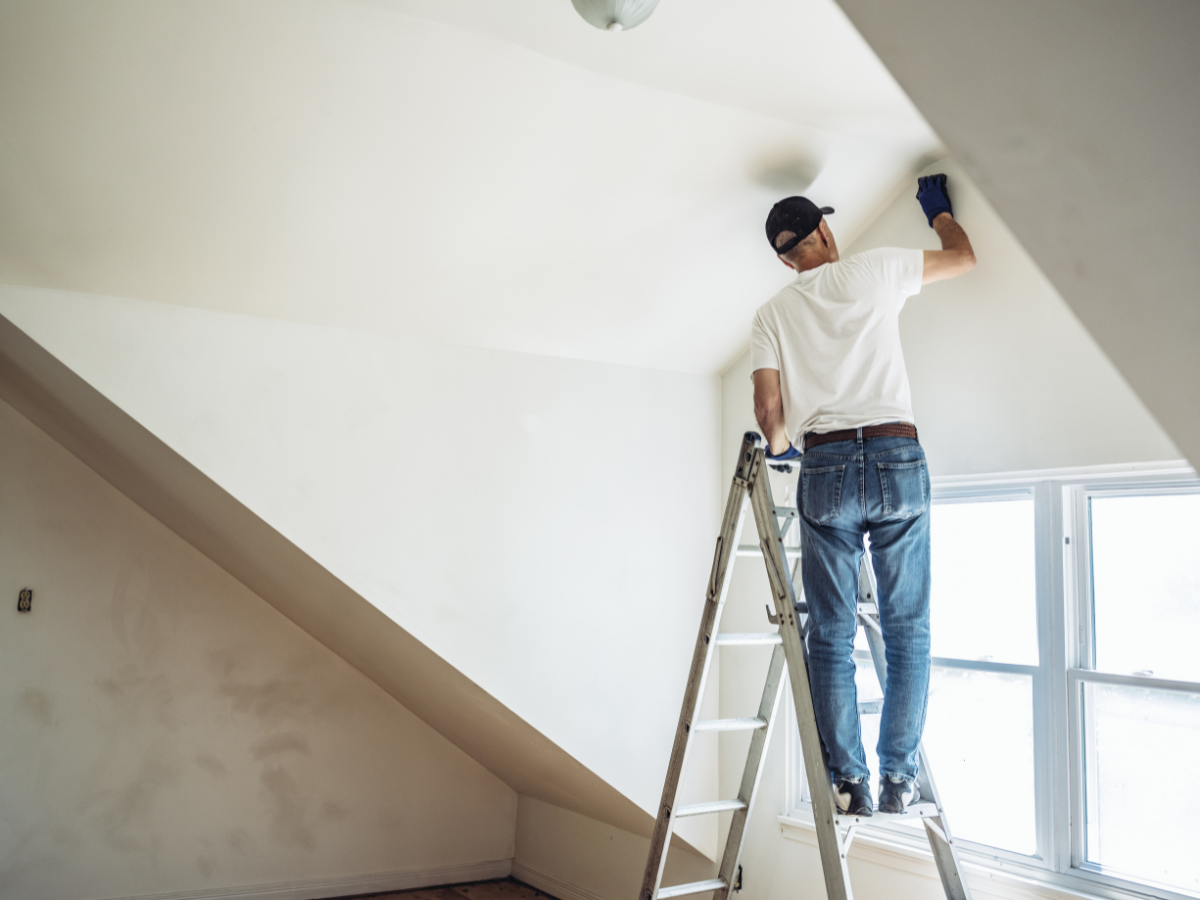
Even the highest-quality exterior paint will struggle to perform if the surface underneath is not properly prepared. Paint durability depends heavily on how clean, stable, and well-conditioned the exterior surface is before application begins.
Skipping preparation steps often leads to peeling, bubbling, uneven coverage, or premature fading long before the paint itself should fail.
Good preparation creates the foundation for a longer-lasting finish. It improves paint adhesion, helps coatings withstand changing weather conditions, and gives the final color a cleaner, more professional appearance.
Whether a home has wood siding, stucco, or brick, each material requires a slightly different preparation process to achieve the best results.
Many homeowners focus heavily on paint color and finish selection, but surface preparation is often the factor that determines how well exterior paint actually holds up over time.
What Are Essential Surface Preparation Techniques For Wood, Stucco, And Brick?
Different exterior materials respond differently to moisture, temperature changes, and paint products, which is why preparation techniques should always match the surface being painted.
Wood surfaces usually require the most preparation. Older wood siding often develops peeling paint, rough patches, or exposed grain after years of weather exposure. Sanding helps smooth uneven areas and remove loose paint so the new coating bonds properly.
Any damaged or rotting sections should also be repaired before painting begins. Applying primer afterward helps seal the wood and creates a more stable base for exterior paint.
Stucco surfaces require a different approach because the material is porous and prone to cracking. Dirt, mildew, and chalky residue should be cleaned thoroughly before painting.
Small cracks should be patched and allowed to cure properly to prevent moisture intrusion beneath the paint layer. Because stucco absorbs paint differently than wood, many professionals use specialized masonry or elastomeric coatings designed for textured surfaces.
Brick preparation focuses heavily on moisture management. Brick can trap water if painted incorrectly, which may lead to peeling or deterioration over time. Cleaning the surface and removing mineral deposits are important first steps.
A masonry primer is often recommended because it helps exterior paint adhere more evenly while reducing absorption issues across porous surfaces.
Matching the preparation process to the building material helps extend paint life and creates a more consistent appearance once the project is complete.
Why Clean Surfaces Matter Before Applying Exterior Paint
Cleaning may seem like a basic step, but it has a major impact on paint performance. Dust, mildew, pollen, grease, and chalky residue all interfere with adhesion and can cause coatings to fail prematurely.
Pressure washing is commonly used before exterior painting projects, although the pressure level should be adjusted carefully depending on the surface material.
Too much pressure can damage wood fibers or force moisture deep into siding and trim. In some cases, hand scrubbing with a cleaning solution may be safer and more effective.
Homes in humid climates are especially vulnerable to mildew growth beneath paint layers. If mildew is not completely removed before repainting, it can continue spreading underneath the new coating and eventually stain or weaken the finish.
Allowing surfaces to dry fully after cleaning is equally important. Applying exterior paint to damp surfaces often traps moisture beneath the coating, increasing the likelihood of blistering, cracking, or peeling later.
How Does Proper Preparation Improve Paint Adhesion?
Adhesion is one of the biggest factors affecting exterior paint durability. Paint needs a stable surface to grip properly, especially in climates with strong sun exposure, heavy rain, or large temperature swings.
Sanding rough areas creates texture that helps paint bond more effectively. Primers also play an important role because they create a transition layer between the surface and the paint itself. Without proper priming, certain materials may absorb paint unevenly or reject the coating entirely.
Moisture is another major concern. Research has shown that water weakens paint bond strength and increases the likelihood of peeling and cracking over time. Exterior surfaces that are not properly sealed or repaired before painting are far more vulnerable to these issues.
By investing time in preparation, homeowners reduce the chances of early paint failure and improve the overall lifespan of the project.
How Surface Preparation Helps Prevent Mildew And Weather Damage
Preparation also helps exterior paint resist environmental damage long after application. Cracks, gaps, and exposed surfaces allow moisture to penetrate beneath paint layers, creating conditions where mold and mildew can grow.
Using mildew-resistant primers and coatings adds another layer of protection, especially in humid or rainy regions. Proper sealing around trim, windows, and siding joints also helps prevent water intrusion that could damage both the paint and the structure underneath.
A well-prepared surface gives exterior paint the best possible chance to withstand UV exposure, moisture, and seasonal weather changes. While preparation adds time to a painting project, it often saves homeowners money by reducing maintenance needs and extending the life of the finish.
What Are The Best Practices For Applying And Maintaining Exterior Paint?
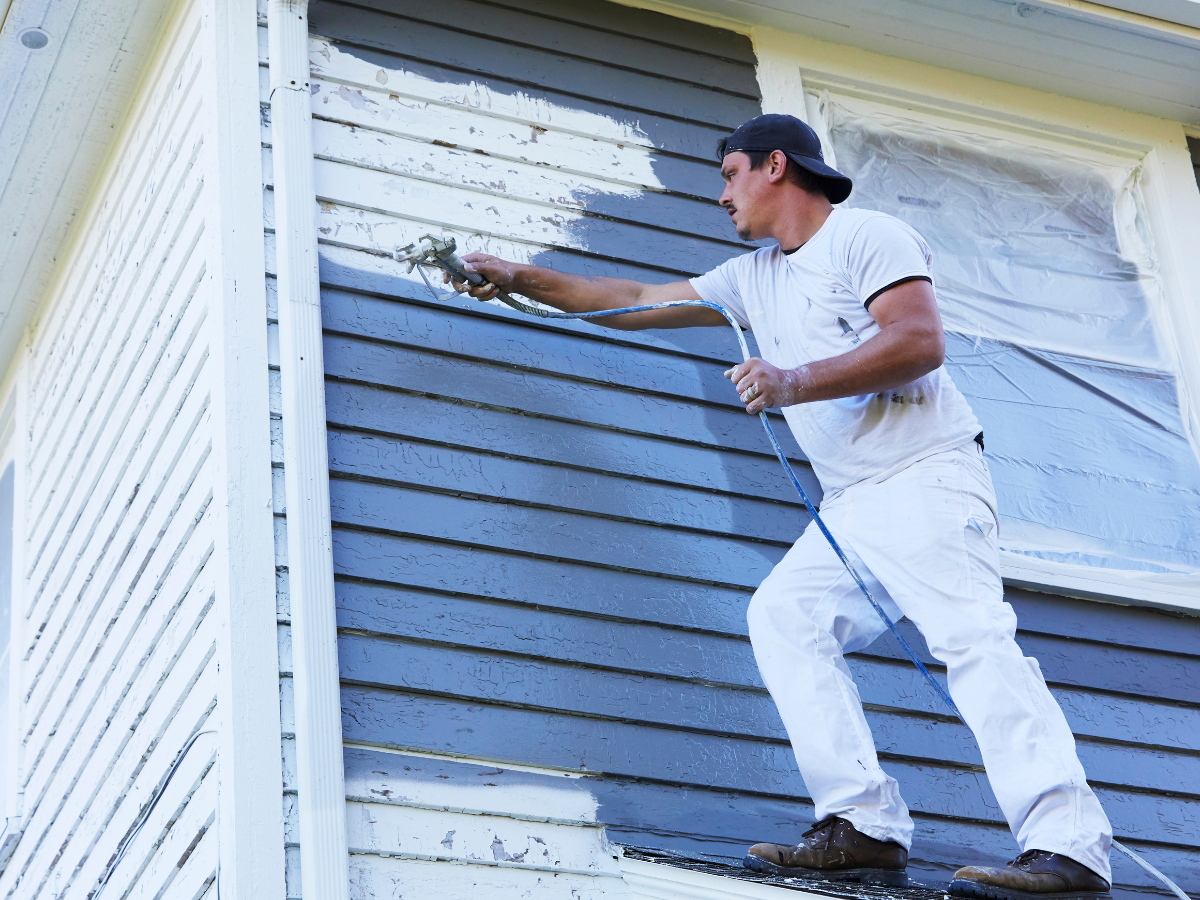
Choosing high-quality exterior paint is only part of the process. How the paint is applied and maintained has a major impact on how long it lasts and how well it protects the home. Even premium products can fail early if they are applied incorrectly or exposed to years of neglect.
A well-executed paint job improves curb appeal, strengthens weather protection, and helps reduce long-term maintenance costs. Proper application techniques create a smoother, more even finish, while ongoing care helps preserve color, prevent peeling, and extend the lifespan of the coating.
Understanding how to apply and maintain exterior paint correctly can make the difference between a finish that lasts a few years and one that continues performing well for a decade or longer.
Which Application Techniques Ensure Long-Lasting Coverage?
Successful exterior painting starts with careful planning and proper technique. Rushing through application often leads to uneven coverage, visible brush marks, blistering, or premature wear.
One of the most important factors is using quality painting tools. High-quality brushes and rollers distribute paint more evenly and help create better coverage across textured or uneven surfaces. Cheap tools tend to shed fibers, leave streaks, and make it harder to achieve a professional-looking finish.
Applying multiple coats also improves durability. While some paints advertise single-coat coverage, two coats generally provide stronger protection against moisture, UV rays, and temperature changes. Multiple coats also deepen color consistency and help exterior paint maintain its appearance over time.
Weather conditions matter more than many homeowners realize. Paint should ideally be applied during mild, dry weather with moderate temperatures. Extremely hot surfaces can cause paint to dry too quickly, preventing proper adhesion, while high humidity or rain can interfere with curing.
Timing the project correctly helps exterior paint bond properly and reduces the risk of cracking, bubbling, or peeling later.
Why Surface Consistency Matters During Application
Consistent paint application is important for both appearance and performance. Uneven thickness can create visible patches, dull spots, or weak areas that wear faster than the rest of the surface.
Maintaining a “wet edge” while painting helps prevent lap marks and uneven color transitions. This technique involves slightly overlapping freshly painted sections before they begin drying. It creates a more uniform finish and reduces visible streaking.
Exterior paint should also be applied in the correct order. Many professionals begin at the top of the home and work downward so drips and runoff can be smoothed out as they go. Trim, doors, and detail work are usually painted separately to maintain cleaner edges and sharper lines.
Attention to detail during application improves not only curb appeal but also the long-term durability of the finish.
How To Maintain Exterior Paint Over Time
Even durable exterior paint requires regular maintenance to stay in good condition. Dirt buildup, moisture exposure, mold, and UV damage slowly wear down painted surfaces over the years.
Routine cleaning helps preserve both appearance and performance. Washing siding and trim periodically removes grime, mildew, and airborne contaminants that can degrade the paint surface. In many climates, a gentle wash once or twice a year is enough to keep surfaces looking fresh.
Homeowners should also inspect painted surfaces regularly for early signs of wear. Small cracks, chips, or peeling areas can often be repaired quickly before they spread into larger problems. Prompt touch-ups help prevent moisture from reaching the underlying material, which reduces the risk of rot or structural damage.
Landscaping can also affect paint longevity. Trees, shrubs, and climbing plants that trap moisture against exterior walls may accelerate mildew growth or paint deterioration. Keeping vegetation trimmed away from siding improves airflow and reduces long-term wear.
When Should Exterior Paint Be Reapplied?
Eventually, every paint job reaches the point where repainting becomes necessary. The timeline depends on factors such as climate, surface material, paint quality, and sun exposure.
In general, exterior paint lasts anywhere from five to ten years, although some premium products may perform longer under favorable conditions. Homes exposed to intense sunlight, heavy rainfall, coastal salt air, or extreme temperature swings often require more frequent repainting.
Fading, widespread cracking, chalky residue, and peeling are common signs that repainting may be needed. Waiting too long can allow moisture intrusion and increase repair costs before the next painting project even begins.
Staying proactive with maintenance and repainting schedules helps homeowners protect their investment while keeping the exterior looking clean, durable, and visually appealing year after year.
Which Eco-Friendly And Advanced Paint Technologies Should You Consider?
Homeowners today are looking for more from exterior paint than just color and coverage. Durability still matters, but sustainability, air quality, and long-term performance have become major factors in the decision-making process. As paint technology continues to evolve, many modern products now offer stronger weather protection while also reducing environmental impact.
Eco-friendly formulations and advanced protective coatings are becoming more common across the industry. These options can help homeowners reduce maintenance needs, improve paint longevity, and create a safer environment around the home.
Choosing the right exterior paint now often involves balancing appearance, durability, and environmental responsibility.
What Are The Benefits Of Eco-Friendly And Low-VOC Exterior Paints?
Low-VOC and eco-friendly paints have gained popularity because they reduce the number of volatile organic compounds released into the air during and after application.
Traditional paints can emit strong chemical odors and airborne pollutants that linger for days or even weeks, especially during large exterior painting projects.
Low-VOC exterior paint products are designed to minimize these emissions without sacrificing performance. Many homeowners appreciate the reduced odor during application, particularly when painting around windows, doors, or outdoor living spaces where ventilation may affect indoor air quality.
Environmental impact is another major reason people choose eco-friendly paint. Many newer formulations use more sustainable raw materials and manufacturing processes that reduce pollution and waste.
Some products are also designed to last longer, which means fewer repainting cycles and lower material consumption over time. Modern low-VOC exterior paint options have improved significantly compared to earlier generations.
Years ago, environmentally friendly paints sometimes struggled with durability or color retention, but many current products now compete closely with conventional paints in terms of coverage, fade resistance, and weather performance.
How Sustainable Paint Choices Support Long-Term Home Maintenance
Sustainability is not only about environmental impact. It also relates to how often surfaces need repainting or repair.
High-quality, eco-friendly exterior paint products are often formulated to resist cracking, peeling, and moisture damage more effectively than older paint technologies. Better durability means homeowners may spend less on maintenance and repainting over the long term.
Some manufacturers also focus on recyclable packaging and reduced production waste, which appeals to homeowners trying to make broader environmentally conscious choices during renovation projects.
In climates with high humidity or intense sunlight, selecting durable paint formulations becomes even more important. Longer-lasting coatings reduce both labor costs and material usage over time.
When evaluating sustainable paint options, homeowners should look beyond marketing labels alone and review factors like weather resistance, warranty coverage, and surface compatibility.
How Do Advanced UV Protection Technologies Improve Paint Durability?
Sun exposure is one of the biggest reasons exterior paint deteriorates over time. Ultraviolet rays gradually break down paint pigments and binders, causing fading, chalking, and surface weakening. Homes in sunny climates often experience faster paint wear, especially on sides exposed to direct afternoon sunlight.
Advanced UV-resistant technologies help slow this process significantly. Many modern exterior paint products now include specialized additives and protective resins designed to reflect or absorb harmful UV radiation before it damages the coating.
This added protection helps colors stay more consistent for longer periods. Darker paint shades, which typically fade faster under strong sunlight, benefit especially from improved UV resistance.
UV protection also affects the structural integrity of the paint itself. As sunlight breaks down older paint coatings, surfaces become brittle and more prone to cracking or peeling. Advanced formulations help maintain flexibility and adhesion even after years of weather exposure.
For homeowners investing in premium exterior paint colors or custom finishes, stronger UV protection can help preserve curb appeal while reducing repainting frequency.
What Other Advanced Paint Technologies Are Worth Considering?
Beyond UV resistance, several newer paint technologies are designed to improve durability and simplify maintenance.
Some exterior paint products include enhanced moisture resistance that helps prevent water penetration during heavy rain or humid conditions. Others are engineered with dirt-resistant finishes that make surfaces easier to clean and reduce staining from pollutants or mildew.
Self-priming paints have also become more common, although they still perform best on properly prepared surfaces. These products can reduce labor time while still providing strong adhesion and coverage.
Temperature-resistant coatings are another growing category, particularly in regions with extreme seasonal weather changes. These formulations expand and contract more effectively with shifting temperatures, reducing the likelihood of cracking over time.
As paint technology continues to improve, homeowners have more options than ever for balancing appearance, durability, and sustainability. Choosing the right exterior paint now involves looking not only at color, but also at how the product performs years after application.
Conclusion
Selecting the right exterior paint is about more than just color—it’s a critical decision that affects your home’s protection against Georgia’s humidity, UV rays, and seasonal storms.
For professional guidance on paint selection, surface preparation, and flawless application for your home remodel, trust FD Remodeling Atlanta & Marietta to deliver lasting results.
Ready to transform your home’s exterior with durability and style? Call (404) 857-5582 or submit your project details through our online form for a consultation. Let our team help you choose the perfect finish that stands strong against the elements and welcomes you home every day.