The doors in your home do more than provide privacy and security. They influence natural light, energy efficiency, accessibility, and the overall style of your living space. With so many options available, choosing the right type of door for each room can have a lasting impact on both function and appearance.
Understanding different door types for your home helps you compare the benefits of popular options, from classic hinged and French doors to space-saving pocket, sliding, and bi-fold designs. Each style offers unique advantages depending on your layout, budget, and design goals.
Whether you’re building a new home or planning a renovation, knowing how different door types perform will help you make confident decisions that enhance comfort, practicality, and long-term value.
Door Types Explained: Styles, Materials, and Uses
What Are the Main Types of Interior Doors and Their Styles?
Interior doors do more than separate rooms. They influence how a home looks, feels, and functions every day. From creating privacy in bedrooms to improving the flow between living spaces, the right choice can make a noticeable difference.
With so many door types available, understanding the strengths of each style can help you choose options that complement both your home’s design and the way you use each room.
Which Interior Door Materials and Designs Are Most Popular?
Interior doors are available in a variety of materials, each with its own advantages. Solid wood doors are valued for their durability, sound insulation, and timeless appearance.
They work well in bedrooms, home offices, and other spaces where privacy is important. Hollow core doors are a more budget-friendly option that is lightweight, easy to install, and commonly used throughout modern homes.
Composite and MDF doors provide a middle ground, offering the look of painted wood with greater resistance to warping and less maintenance.
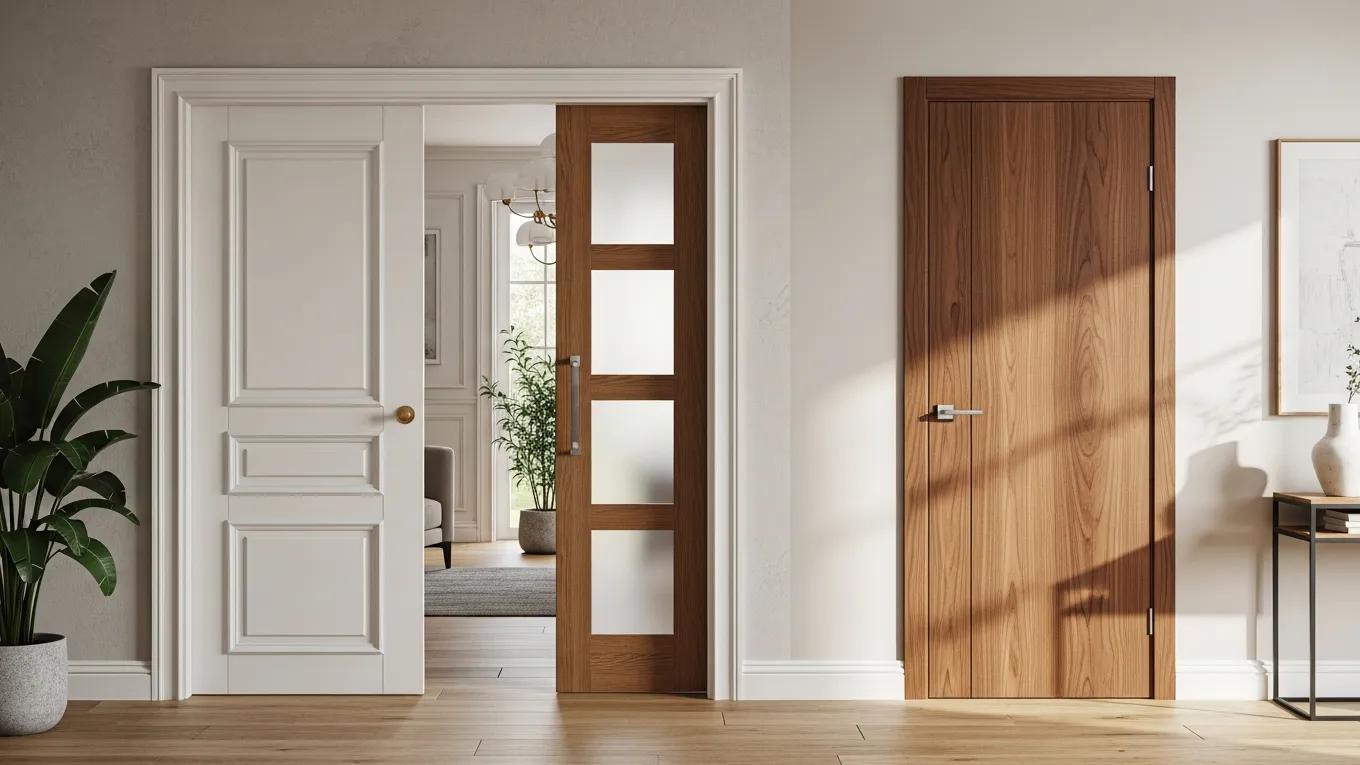
Design choices are just as varied as the materials. Traditional panel doors remain a popular option for classic homes, while sleek flush doors suit contemporary interiors with their clean, minimalist appearance.
Glass-panel doors can brighten darker areas by allowing light to pass between rooms, making them ideal for home offices or dining areas.
How Do Interior Door Styles Affect Home Design and Functionality?
Different door types influence more than just appearance. They also affect how efficiently a space is used and how rooms connect with one another. Hinged doors are the most familiar option and work well in areas with enough clearance for the door to swing open.
Sliding barn doors and pocket doors save valuable floor space, making them practical for smaller rooms, closets, or bathrooms where a traditional swing door may be inconvenient.
Bi-fold doors are another space-saving solution commonly used for closets, laundry rooms, and pantries. Because they fold inward as they open, they require less clearance while still providing wide access to the space behind them.
When selecting interior doors, consider both style and function. A solid door may be the best choice where noise reduction and privacy are priorities, while glass or sliding doors can make shared living spaces feel brighter and more open.
Coordinating the door style, finish, and hardware throughout the home also creates a cohesive look, ensuring your chosen door types contribute to both the design and practicality of your interior.
Which Exterior Doors Offer the Best Security and Energy Efficiency?
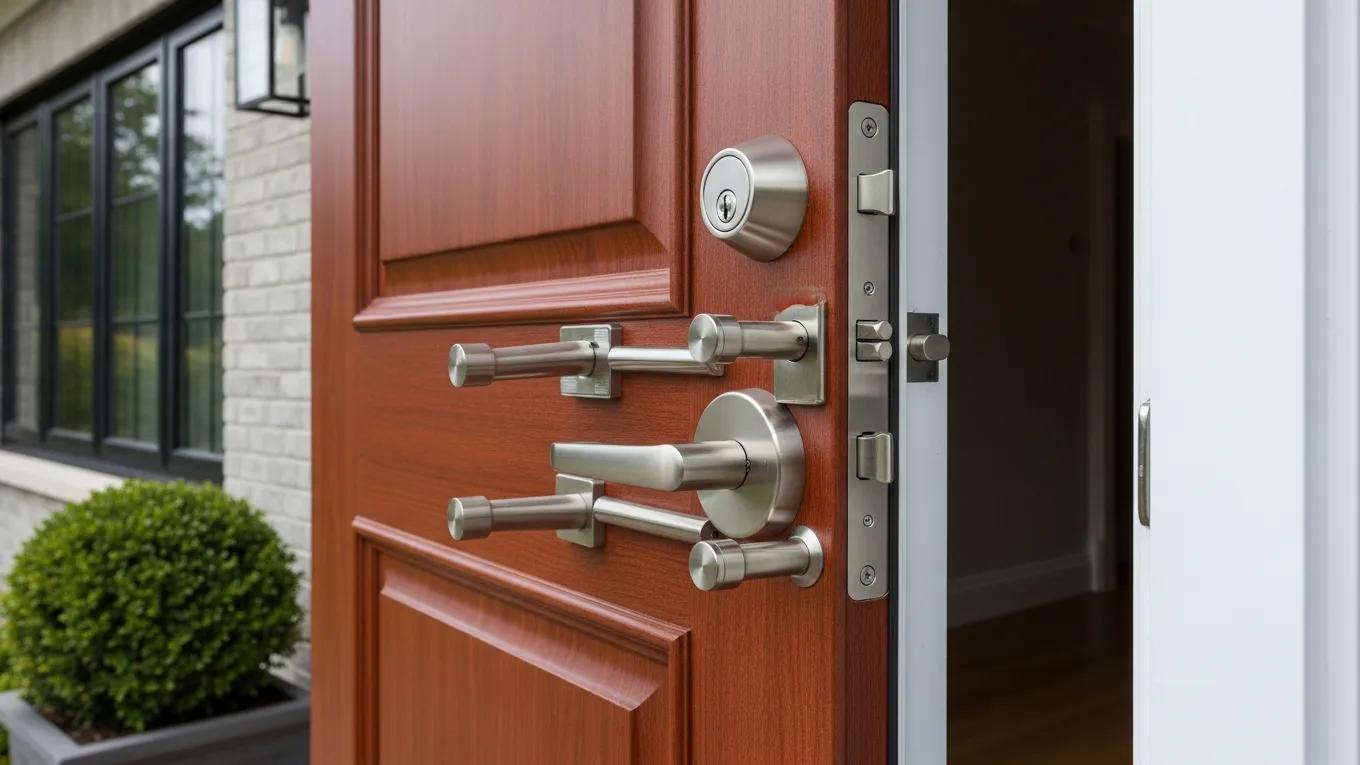
Unlike interior doors, exterior doors must withstand weather, improve energy efficiency, and provide a strong barrier against unwanted entry.
Choosing the right exterior door involves balancing durability, insulation, maintenance, and security. Understanding the strengths of different door types can help you select an option that protects your home while contributing to year-round comfort.
What Materials Are Used for Durable and Secure Exterior Doors?
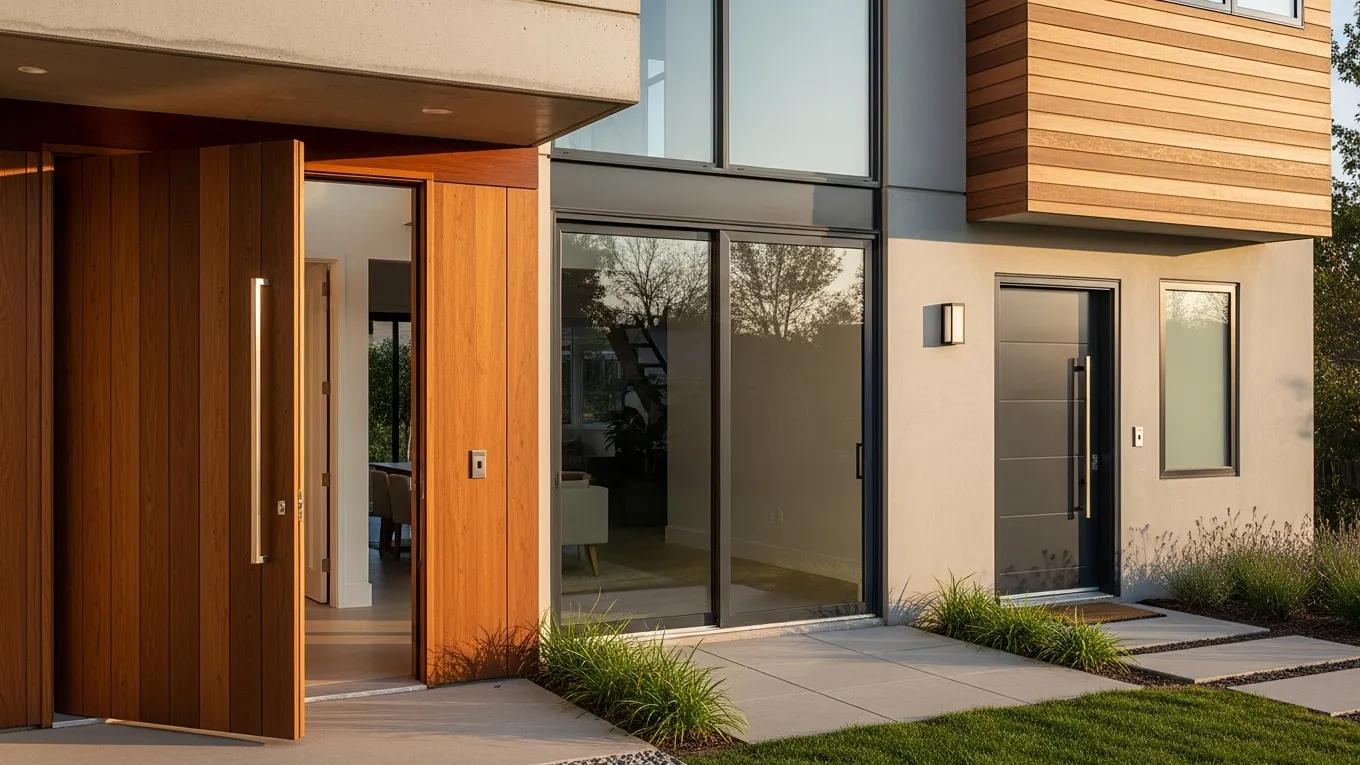
The material of an exterior door has a major impact on its performance and lifespan. Steel doors are among the most secure options available. They resist impact well, require relatively little maintenance, and are often more affordable than solid wood.
Fiberglass doors have become increasingly popular because they resist dents, warping, moisture, and extreme temperatures while closely resembling the appearance of real wood.
Solid wood doors remain a timeless choice for homeowners who value natural beauty and craftsmanship. They provide excellent insulation when properly maintained but typically require regular sealing or refinishing to protect against moisture and sun exposure.
The best material ultimately depends on your climate, maintenance preferences, and desired architectural style.
How Do Exterior Door Features Impact Insulation and Safety?
Beyond the door material itself, several design features influence both security and energy performance. Modern insulated doors often include a foam-filled core that reduces heat transfer, helping maintain comfortable indoor temperatures and potentially lowering heating and cooling costs.
Weather stripping around the frame and a properly sealed threshold prevent drafts, moisture, and outdoor air from entering the home. Together, these features improve comfort while reducing unnecessary energy loss.
Security is equally important. Many high-quality exterior door types now include reinforced frames, heavy-duty hinges, and multi-point locking systems that secure the door at several locations instead of a single deadbolt.
Laminated or impact-resistant glass can also improve safety for doors that include decorative windows or full glass panels. Recent building standards and energy regulations have encouraged manufacturers to improve door insulation and thermal performance.
As a result, many modern exterior doors are designed to meet strict efficiency requirements while maintaining the strength needed to protect the home. When comparing exterior door types, look beyond appearance alone.
Choosing a well-insulated door with durable materials, quality weather sealing, and dependable locking hardware will provide long-term value through improved security, greater energy efficiency, and reliable performance in changing weather conditions.
What Sliding Door Options Are Available for Modern Homes?
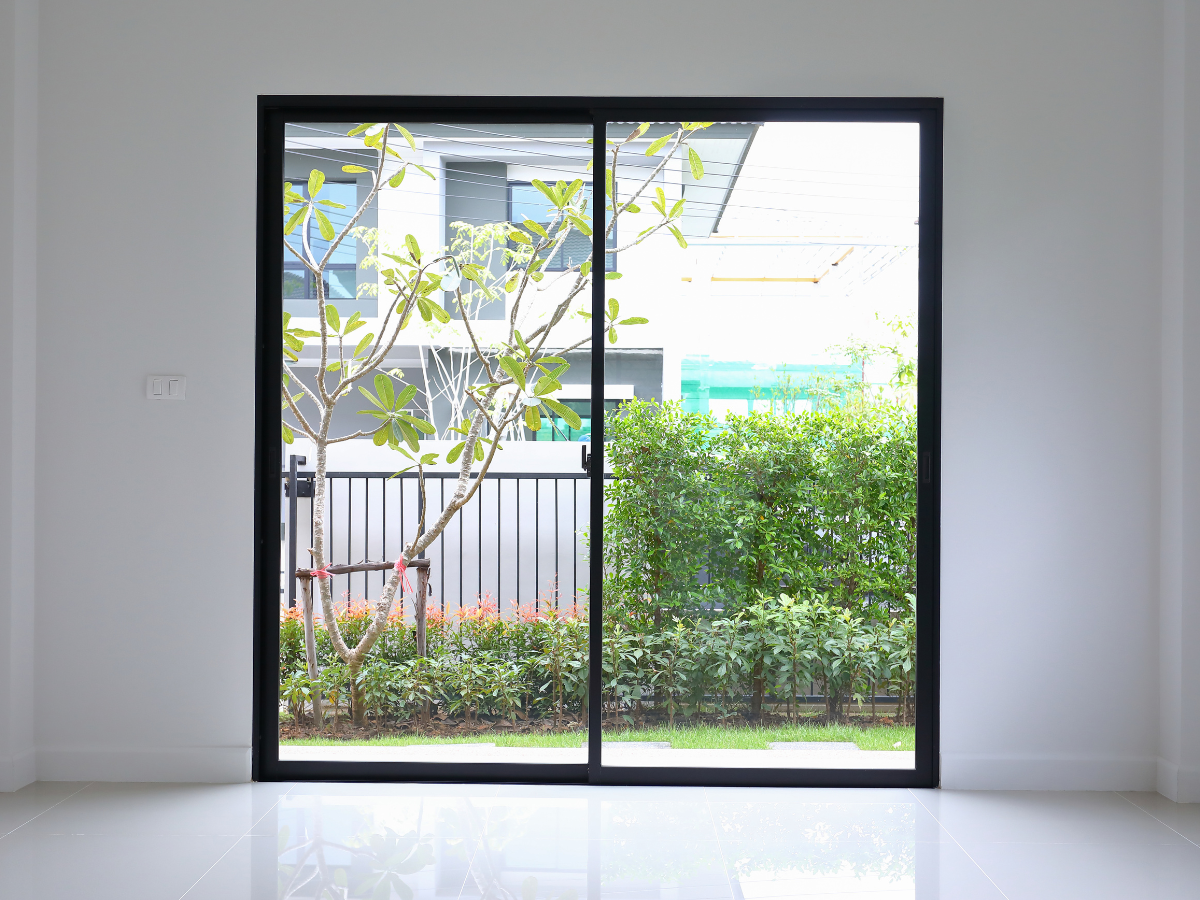
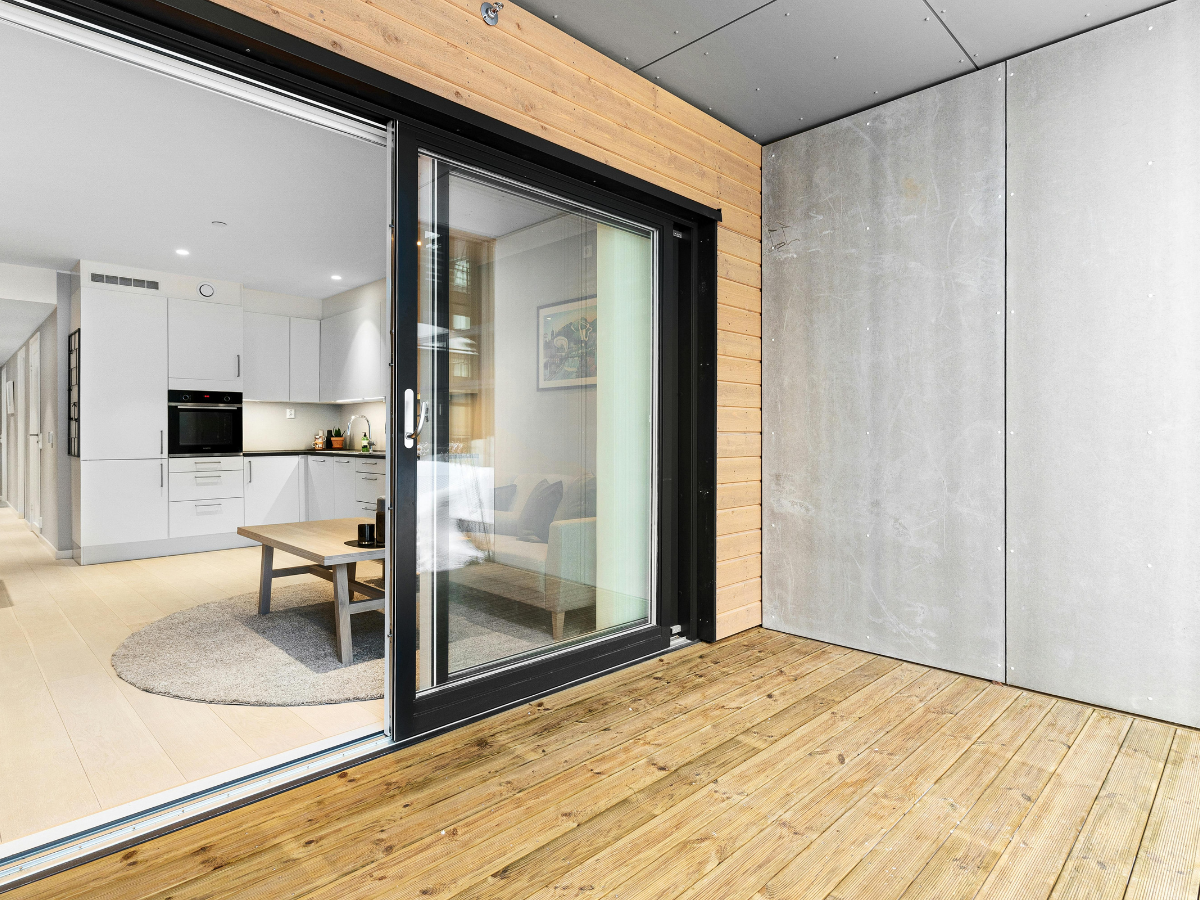
Sliding doors have become a popular feature in modern homes because they combine functionality with a clean, contemporary look. Unlike traditional hinged doors, they glide along a track instead of swinging open, making them an excellent choice where floor space is limited.
Among the many door types available today, sliding doors are especially valued for creating seamless transitions between rooms and connecting indoor living areas with patios, decks, or gardens.
How Do Sliding Door Types Differ by Material and Installation?
Sliding doors are available in several materials, each suited to different needs and budgets. Glass sliding doors are the most common for exterior applications because they maximize natural light and provide expansive outdoor views.
Many models feature insulated or double-pane glass to improve energy efficiency while reducing outside noise.
Vinyl sliding doors are a practical, low-maintenance option that resists moisture and doesn’t require painting. Aluminum frames offer a sleek, modern appearance with excellent durability, making them ideal for contemporary homes.
Wood-framed sliding doors provide a warm, traditional look but typically require more upkeep to protect them from weather and humidity.
Installation also varies depending on the design. Standard sliding patio doors operate on visible tracks and are relatively straightforward to install during new construction or renovations.
Pocket doors, on the other hand, slide into a concealed compartment inside the wall, making them an excellent solution for bathrooms, home offices, and other interior spaces where every square foot matters. While pocket doors save even more space, they usually require more extensive framing during installation.
What Are the Benefits of Sliding Doors for Space and Light?
One of the biggest advantages of sliding doors is their ability to maximize usable floor space. Since the panels move sideways instead of swinging inward or outward, furniture can be placed closer to the doorway without interfering with its operation.
This makes sliding door types particularly useful in compact rooms and open-concept layouts. Large glass panels also allow significantly more natural light into the home, making interior spaces feel brighter and more spacious throughout the day.
In addition to improving the atmosphere, increased daylight can reduce the need for artificial lighting during daylight hours.
Modern sliding doors are also designed with comfort in mind. Many feature energy-efficient glazing, weather-resistant seals, and secure multi-point locking systems that improve insulation and home security.
Whether used as patio doors or stylish interior partitions, sliding door types offer a practical combination of aesthetics, functionality, and efficient use of space, making them a lasting favorite in contemporary home design.
How to Choose Wooden Door Styles That Complement Your Home?
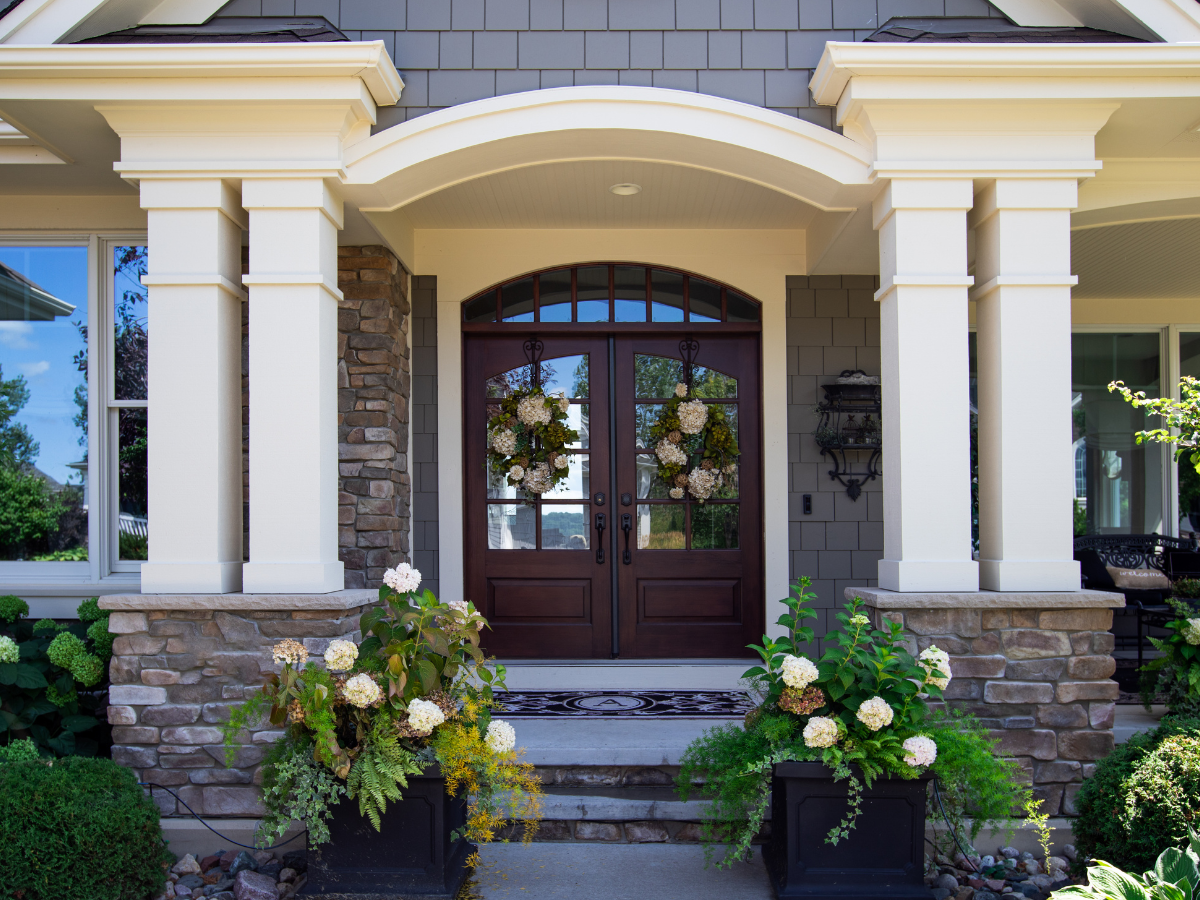
Wooden doors have remained a favorite among homeowners for generations because they combine warmth, durability, and timeless style.
Whether you’re updating a single room or selecting doors for a new build, choosing the right design can have a significant impact on your home’s overall appearance.
Among the many door types available, wood offers exceptional versatility, making it suitable for both traditional and contemporary homes.
What Are the Different Wooden Door Types and Finishes?
Wooden doors are available in several constructions, each designed to suit different needs and budgets. Solid wood doors are crafted from natural timber and are valued for their strength, excellent sound insulation, and premium appearance.
They’re often chosen for entryways, home offices, and bedrooms where durability and privacy are priorities. Engineered wood doors use a solid core or layered wood construction that resists warping and shrinking caused by changes in humidity.
They provide many of the visual benefits of solid wood while requiring less maintenance over time. Hollow core wood doors are a lightweight and economical option commonly used for interior rooms where sound insulation is less important.
The finish you choose also influences the final look. Natural stains highlight the wood grain and complement traditional, farmhouse, or craftsman-style homes.
Painted finishes offer greater flexibility, allowing wooden door types to blend into modern, coastal, or minimalist interiors. Protective sealants can also improve durability, particularly for exterior doors exposed to changing weather conditions.
How Do Wooden Doors Integrate With Interior and Exterior Designs?
One of the greatest advantages of wooden doors is their ability to adapt to almost any architectural style. Raised panel designs create a classic, elegant appearance, while flush wood doors provide the clean lines often associated with contemporary homes.
Decorative glass inserts can brighten entryways without sacrificing character, and custom carvings or molding details add visual interest to more traditional designs.
Wood also pairs naturally with other building materials. It complements brick, stone, steel, and glass, making it easy to coordinate with existing flooring, cabinetry, trim, and exterior finishes. Matching the stain or s to nearby woodwork creates a cohesive design throughout the home.
When selecting wooden door types, consider more than appearance alone. Think about the level of privacy, durability, and maintenance each location requires.
A solid wood front door may be the ideal statement piece for curb appeal, while engineered or hollow core options can provide a practical and attractive solution for interior spaces. By balancing style with functionality, you can choose wooden doors that enhance both the beauty and everyday comfort of your home.
What Glass Door Types Enhance Aesthetics and Functionality?
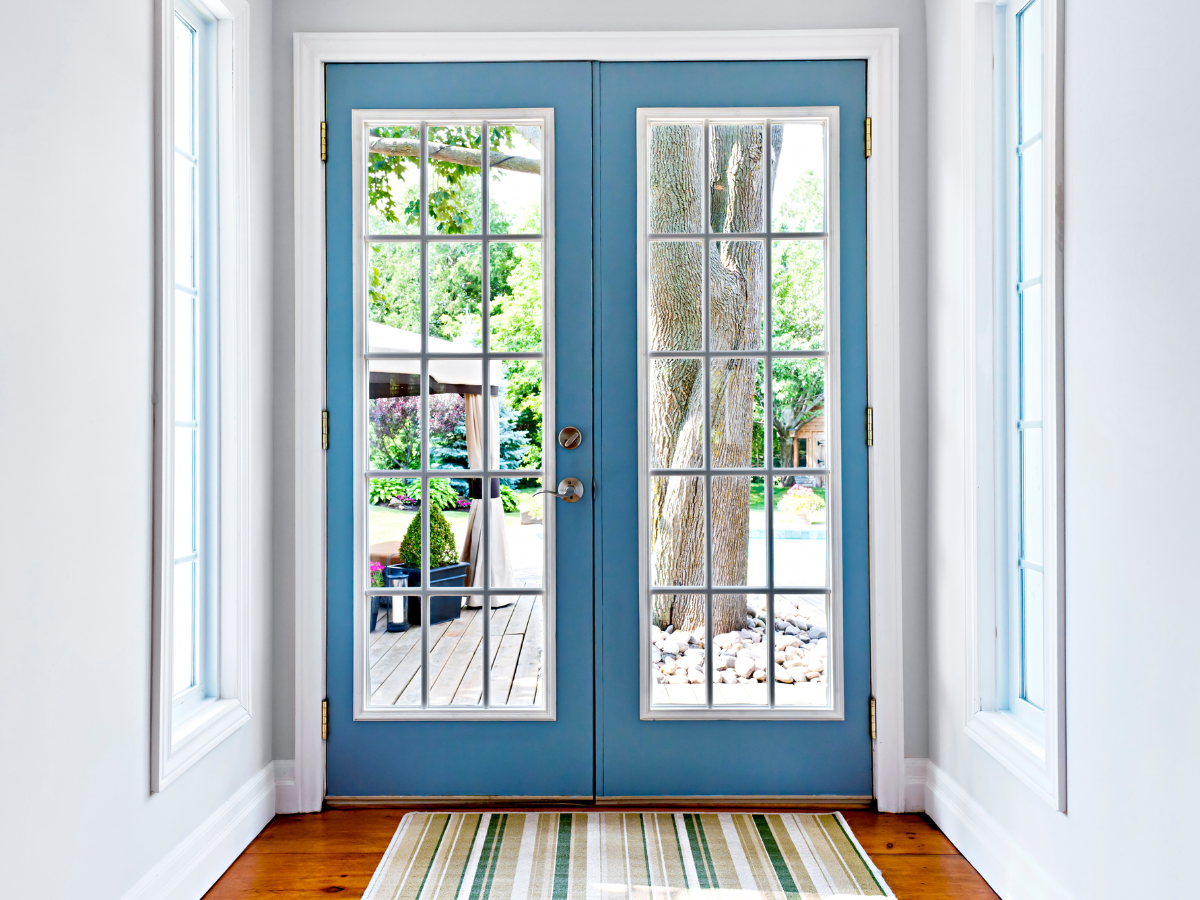
Glass doors are a popular choice for homeowners who want to create brighter, more open living spaces. By allowing natural light to flow through the home, they can make rooms feel larger while maintaining a clean, modern appearance.
Among the many door types available, glass doors stand out for their ability to combine visual appeal with everyday functionality, making them suitable for both interior and exterior applications.
Which Glass Door Styles Are Suitable for Interior and Exterior Use?
Glass doors come in several styles, each designed for a different purpose. Sliding glass doors are a favorite for patios and decks because they provide wide outdoor views while saving space.
French doors, which feature large glass panels within hinged frames, add a classic and elegant touch to dining rooms, home offices, and exterior entrances.
Bi-fold glass doors are often used to create a seamless connection between indoor and outdoor living areas. When fully opened, the panels fold neatly to one side, creating an expansive opening that’s ideal for entertaining.
Interior glass doors are also commonly used as room dividers, allowing daylight to travel between spaces without completely sacrificing separation.
When comparing door types, consider how each style will function within your home’s layout as well as the amount of natural light you want to introduce.
How Do Glass Doors Balance Privacy, Light, and Security?
One of the biggest concerns homeowners have about glass doors is finding the right balance between openness and privacy.
Fortunately, there are several glazing options to suit different needs. Frosted, textured, or tinted glass allows light to enter while obscuring visibility, making these finishes well suited for bathrooms, home offices, and front entry doors.
For exterior installations, many modern glass doors use insulated double- or triple-pane glass to improve energy efficiency and reduce outside noise. Tempered or laminated safety glass adds another layer of protection by making the panels more resistant to impact than standard glass.
Security features have also advanced significantly. Reinforced frames, multi-point locking systems, and impact-resistant glazing help modern glass door types provide both style and peace of mind. These upgrades allow homeowners to enjoy expansive views and abundant natural light without compromising safety.
Whether you’re creating an inviting patio entrance or adding brightness to interior spaces, glass door types offer a versatile solution that blends beauty with practical performance.
By selecting the right style, glazing, and security features, you can enjoy a home that feels more open, comfortable, and connected to its surroundings.
How to Install and Maintain Different Door Types for Longevity?
Choosing the right door is only part of the equation. Proper installation and routine maintenance play an equally important role in ensuring your investment lasts for years.
Whether you’re installing an interior bedroom door, a sliding patio door, or a secure front entry, following a few best practices can improve performance, reduce repairs, and extend the lifespan of all door types.
What Are the Best Practices for Door Installation and Hardware Selection?
A well-installed door should open and close smoothly, seal properly, and remain aligned over time. During installation, it’s important to ensure the frame is square and level before securing the door. Even a slight misalignment can cause sticking, uneven gaps, or difficulty latching.
Choosing quality hardware is just as important as proper installation. Durable hinges, sturdy handles, and reliable locking mechanisms help doors operate smoothly while reducing wear on moving parts.
For exterior door types, weather-resistant hardware and corrosion-resistant finishes are especially valuable because they withstand exposure to changing weather conditions.
It’s also worth selecting hardware that matches how the door will be used. High-traffic entryways may benefit from heavy-duty hinges, while sliding doors require quality rollers and well-built tracks for consistent performance.
How Should You Maintain Various Door Materials to Ensure Durability?
Different door materials require different maintenance routines. Wooden doors should be inspected periodically for signs of moisture damage, cracking, or fading. Refinishing or resealing the surface every few years helps protect the wood and preserve its appearance.
Fiberglass and steel doors generally require less maintenance. Washing them occasionally with mild soap and water removes dirt and grime, while checking weather stripping and seals helps maintain energy efficiency.
Glass doors should be cleaned with a non-abrasive glass cleaner, and tracks should be kept free of dust and debris so the panels continue to slide smoothly.
Regardless of the material, all door types benefit from routine inspections. Tighten loose hinges, lubricate locks and moving hardware when needed, and replace worn weather stripping before it affects insulation or security. Addressing small issues early can prevent larger repairs later.
By combining careful installation with regular maintenance, homeowners can maximize the lifespan of their doors while preserving both appearance and functionality.
A little preventative care goes a long way toward ensuring your door types continue to operate smoothly, improve energy efficiency, and enhance your home’s overall value for many years.
What Are the Latest Trends in Smart and Sustainable Doors?
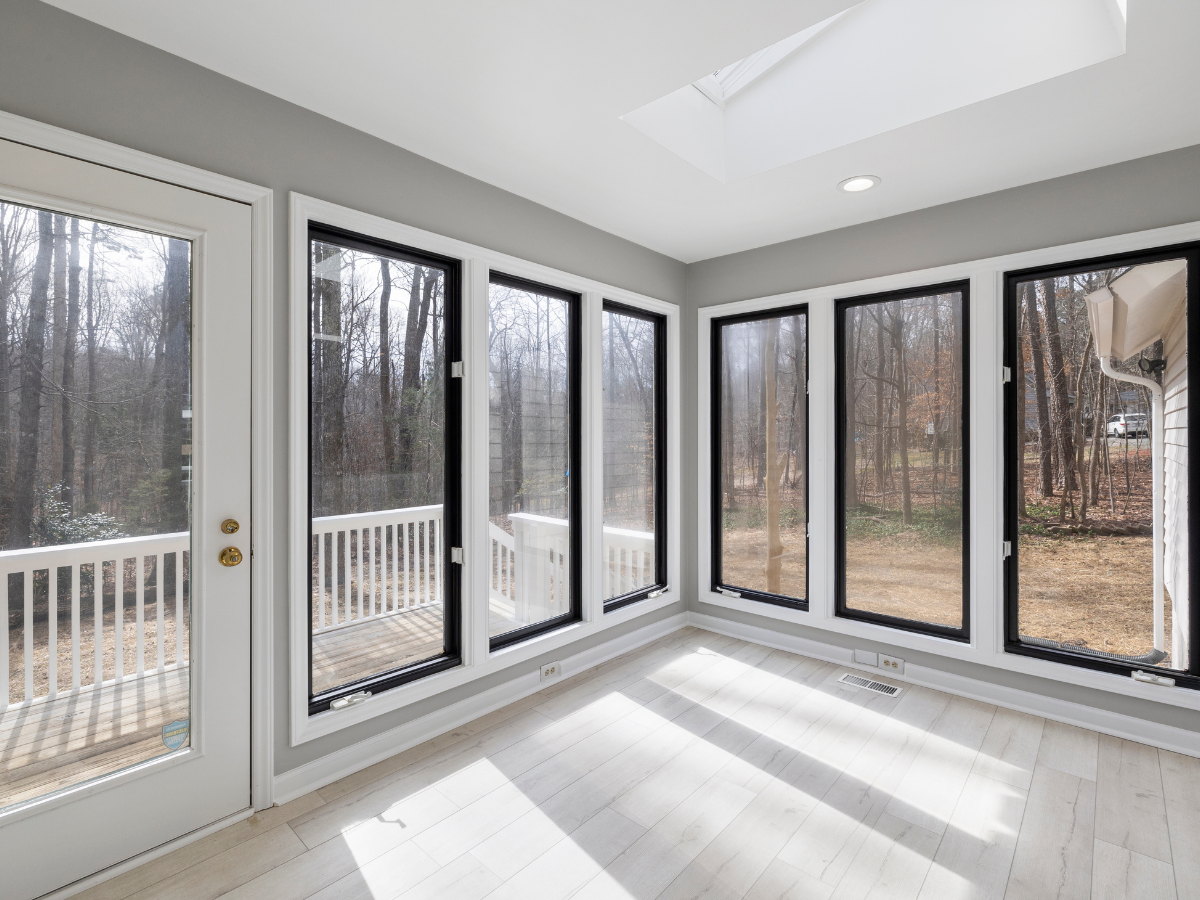
Modern homeowners are looking for more than attractive entrances. Today’s door types are increasingly designed with security, energy efficiency, and environmental responsibility in mind.
From smart technology that improves everyday convenience to eco-friendly materials that reduce environmental impact, the latest innovations make it easier to choose doors that are both functional and future-ready.
Whether you’re building a new home or replacing older doors, understanding these trends can help you make a more informed investment that delivers long-term value.
How Are Smart Door Technologies Enhancing Home Security and Convenience?
Smart technology has transformed the way people interact with their homes, and doors are no exception. Many modern door types can now be paired with smart locks, video doorbells, and keyless entry systems, giving homeowners greater control over who enters their property.
Instead of relying solely on traditional keys, smart locks allow you to unlock doors with a smartphone, keypad, fingerprint scanner, or voice assistant. Many systems also let you create temporary access codes for guests, contractors, or delivery personnel, eliminating the need to hand out spare keys.
Remote monitoring is another major advantage. Homeowners can receive notifications when a door is opened, check whether it has been locked, and secure it from virtually anywhere with an internet connection. These features not only improve convenience but also add an extra layer of security for busy households.
When selecting smart-enabled door types, it’s important to ensure the hardware is compatible with your existing home automation system and meets your desired security standards.
Which Sustainable Materials Are Emerging in Door Manufacturing?
Sustainability has become an important consideration for many homeowners, and manufacturers are responding with environmentally responsible materials and production methods.
Many newer door types now incorporate renewable, recycled, or responsibly sourced materials without compromising durability or appearance.
Reclaimed wood has become a popular option for homeowners who appreciate natural character while reducing demand for newly harvested timber. Engineered wood products are another sustainable choice because they make efficient use of wood fibers while offering excellent stability and resistance to warping.
Recycled composite materials are also gaining popularity. These doors combine recycled wood fibers and plastics to create products that resist moisture, insects, and weather damage while requiring minimal maintenance.
Fiberglass doors with insulated cores continue to be another energy-efficient option, helping reduce heating and cooling costs throughout the year.
Beyond the door itself, manufacturers are placing greater emphasis on low-emission finishes, recyclable components, and energy-efficient production processes.
As a result, homeowners can find door types that support sustainability goals while still delivering the style, security, and performance expected from modern home improvements.
As smart technology and eco-conscious design continue to evolve, choosing innovative door types allows homeowners to improve comfort, increase security, and make environmentally responsible decisions without sacrificing aesthetics or functionality.
What Frequently Asked Questions Help You Understand Door Types Better?
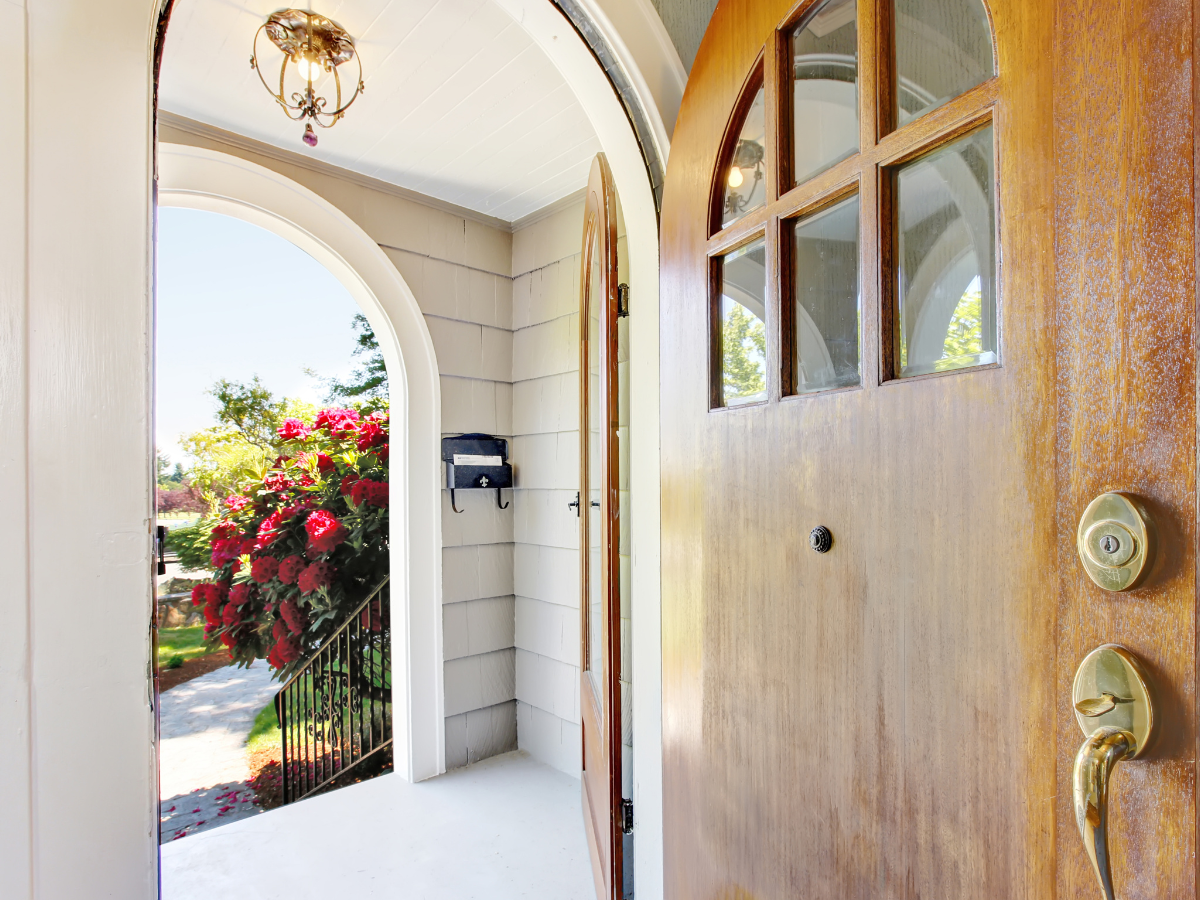
Choosing from the many available door types can feel overwhelming, especially when you’re balancing style, durability, security, and budget.
Homeowners often have similar questions when planning a renovation or new build, and understanding the answers can make the selection process much easier. Below are some of the most common questions people ask before investing in new doors.
What Are Common User Questions About Door Materials and Styles?
One of the first questions homeowners ask is which material is best for their needs. The answer depends on where the door will be installed and the priorities for that space.
For example, solid wood doors are valued for their timeless appearance, natural insulation, and premium feel, making them a popular choice for both entryways and interior spaces.
Fiberglass doors are highly resistant to moisture, dents, and weather, making them an excellent option for exterior use with minimal maintenance. Steel doors are often chosen when security is the top priority, while composite materials offer a balance of durability, affordability, and energy efficiency.
Style is another common consideration. Homeowners frequently compare traditional panel doors, sleek flush doors, French doors, barn doors, and sliding doors to determine which best complements their home’s architecture and interior design.
The right choice depends on the available space, desired level of privacy, and overall aesthetic. By comparing different door types side by side, it’s easier to find an option that fits both your practical needs and design preferences.
How Do Door Choices Affect Remodeling Projects and Home Value?
The doors you choose can have a noticeable impact on both the appearance and performance of your home. During a remodeling project, replacing outdated or damaged doors is one of the simplest ways to give interior and exterior spaces a refreshed, cohesive look.
For exterior renovations, upgrading to modern, energy-efficient door types can improve insulation, reduce drafts, and help lower heating and cooling costs. Features such as insulated cores, quality weather stripping, and multi-point locking systems also enhance comfort and security, adding value beyond aesthetics.
Interior door upgrades can make a home feel more polished while improving functionality. Pocket doors can free up valuable floor space, French doors can brighten adjoining rooms, and solid-core doors can reduce noise between living areas.
These thoughtful improvements often appeal to prospective buyers because they combine style with everyday practicality.
Ultimately, selecting high-quality door types is more than a cosmetic decision. Well-designed, durable doors contribute to curb appeal, improve energy efficiency, and enhance the overall living experience.
Whether you’re renovating for your own enjoyment or preparing to sell, investing in the right doors can provide lasting value for years to come.
Conclusion
Choosing the right doors for your home can enhance its appearance, improve energy efficiency, and add lasting value. From elegant entry doors to functional interior and patio doors, selecting the right style and material helps create a home that is both beautiful and practical.
Whether you’re replacing a single door or incorporating new doors into a larger remodeling project, professional guidance can help you achieve the best results.
For expert home remodeling and renovation services, choose FD Remodeling Atlanta & Marietta. If you’re ready to upgrade your home with high-quality doors and expert craftsmanship, call 404-857-5582 to speak with the team at FD Remodeling Atlanta & Marietta or fill out the project form today.