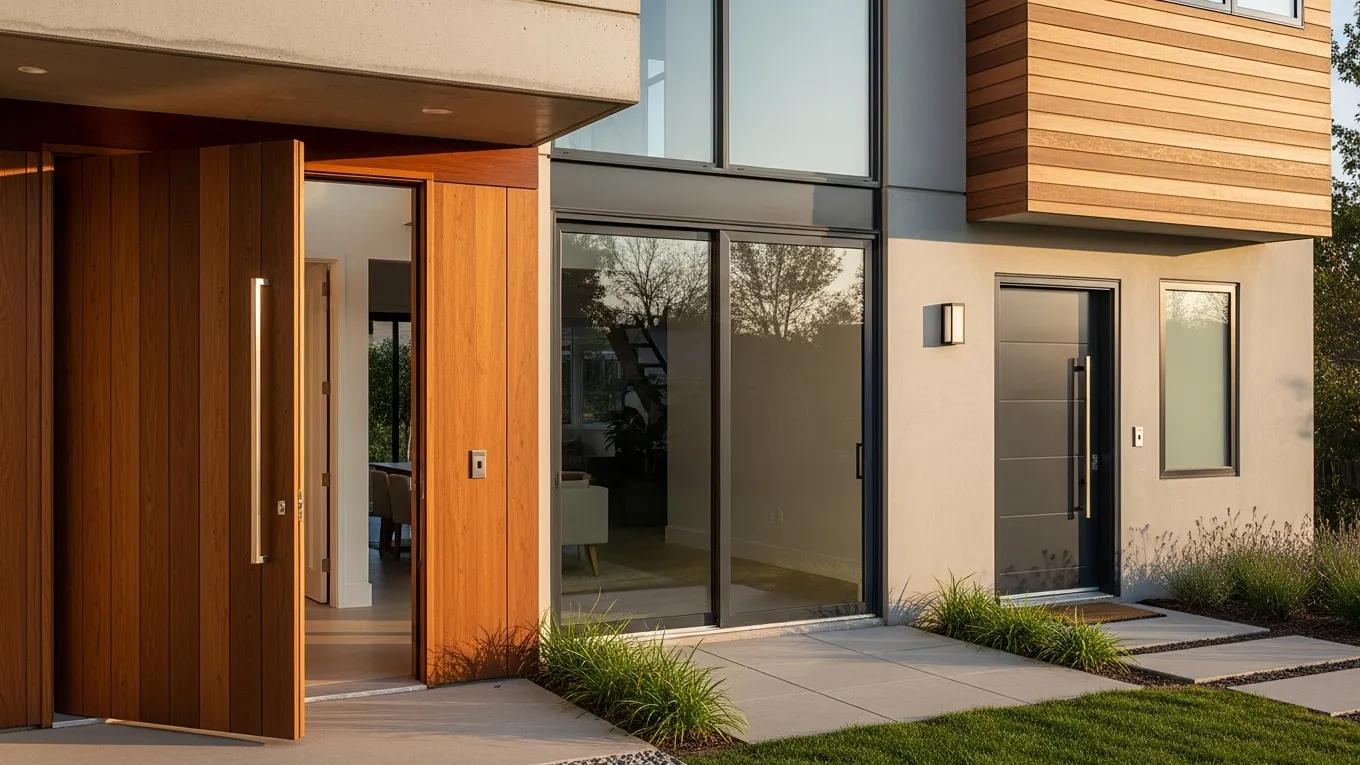
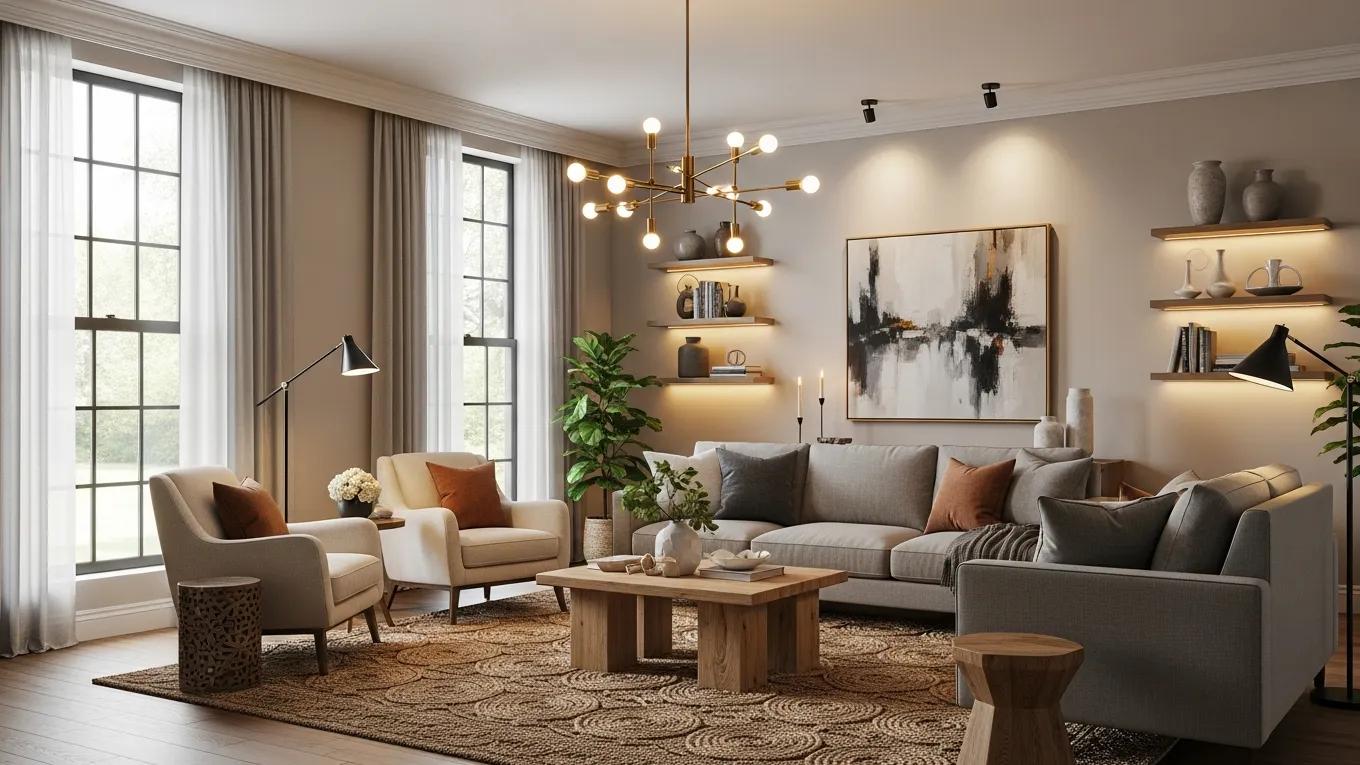
Lighting systems can completely change how a home looks, feels, and functions. During a remodel, it’s one of the most important design elements to plan carefully because the right lighting improves visibility, highlights architectural features, and creates a more comfortable atmosphere throughout the space.
Effective lighting design for home remodeling goes beyond choosing attractive fixtures. It involves layering ambient, task, and accent lighting in ways that support daily activities while enhancing the overall design.
Energy-efficient solutions like LED technology, dimmers, and smart lighting systems also help reduce long-term energy use without sacrificing style or performance.
With the right residential lighting ideas and planning, a remodeled home can feel brighter, more functional, and more visually balanced in every room.
Lighting Design Ideas That Transform Home Remodeling
Understanding The Different Types Of Lighting Design
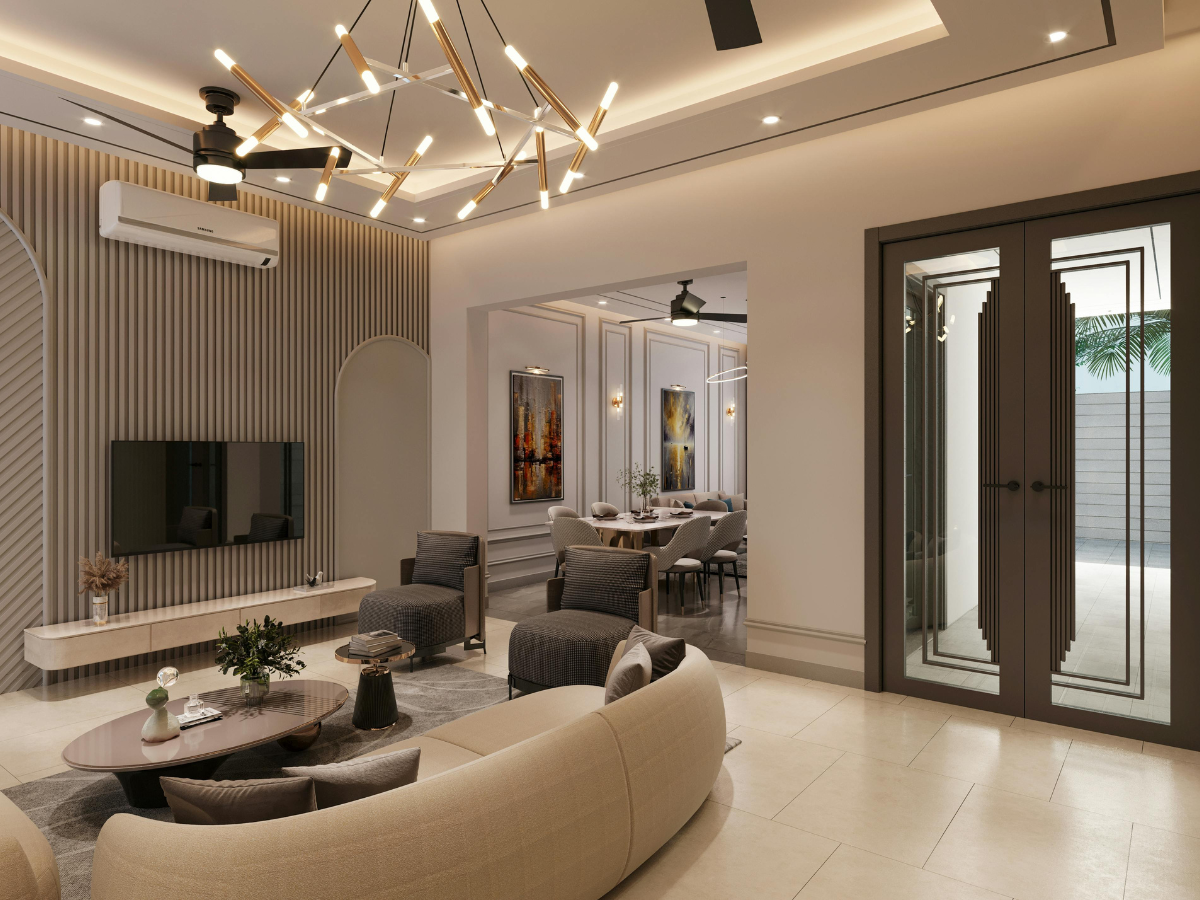
A successful lighting design does much more than brighten a room. It shapes how a space feels, supports everyday activities, and helps highlight the design features homeowners want to showcase.
In home remodeling projects, lighting should be planned just as carefully as flooring, cabinetry, or furniture placement because it directly affects both functionality and atmosphere.
Most interior spaces rely on three primary types of lighting: ambient, task, and accent lighting. Ambient lighting acts as the foundation by providing overall illumination throughout a room. This is the general light people rely on when entering a space and moving around comfortably.
Task lighting serves a more focused purpose. It is designed to improve visibility in areas where specific activities take place, such as cooking, reading, applying makeup, or working at a desk.
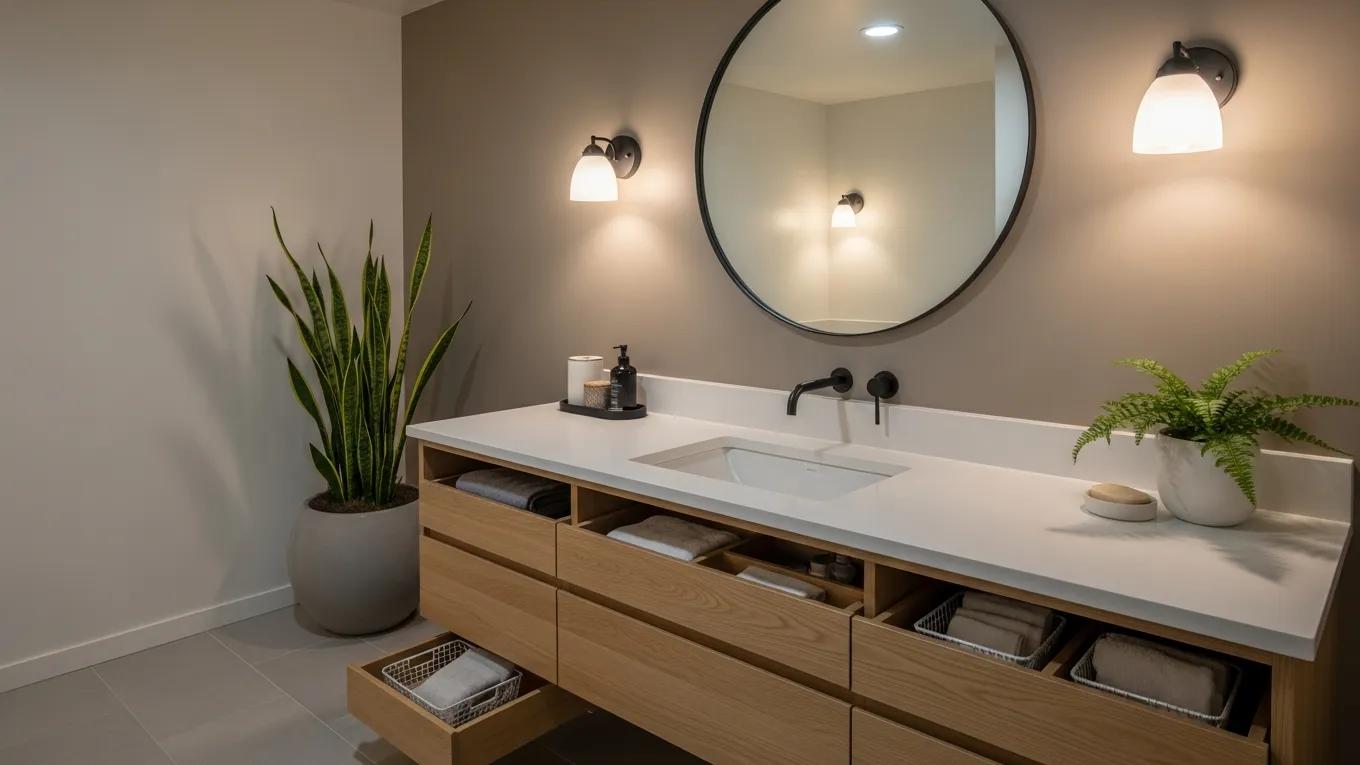
Under-cabinet lights in kitchens and vanity lighting in bathrooms are common examples of task lighting used in residential lighting design.
Accent lighting adds depth and visual interest by drawing attention to architectural details, artwork, shelving, or decorative elements. While accent lighting is often more subtle, it plays an important role in creating a polished and layered appearance within a room.
Layered Lighting Design
Rather than depending on one overhead fixture, layered lighting design combines multiple lighting sources to create a more balanced and adaptable environment. This approach allows homeowners to adjust the mood and functionality of a room based on the time of day or the activity taking place.
For example, a living room may use recessed ambient lighting for general brightness, floor lamps for reading, and wall sconces or picture lights to highlight artwork. Together, these layers create a more comfortable and visually dynamic space than a single ceiling light could provide on its own.
Layered lighting design also helps reduce harsh shadows and uneven brightness. Rooms feel more inviting when light is distributed thoughtfully throughout the space instead of concentrated in one area.
This technique has become increasingly popular in modern home remodeling because it supports both practical use and overall aesthetics.
What Are The Core Principles Of Effective Lighting Design In Home Remodeling?
One of the most important principles of effective lighting design is understanding how each room will be used. A kitchen, for instance, requires brighter and more functional lighting than a bedroom or media room.
Homeowners should also consider natural light levels, ceiling height, room size, and furniture placement when planning lighting layouts.
Balance is another key factor. Overly bright spaces can feel cold and uncomfortable, while dim rooms may lack functionality. The goal is to create lighting that feels natural, comfortable, and flexible throughout the home.
Consistency also matters in lighting design. While each room may have different needs, the overall lighting style should still feel cohesive from one space to another. Matching color temperatures and fixture styles can help maintain visual flow throughout the home.
How Does Layered Lighting Enhance Home Ambiance And Functionality?
Layered lighting gives homeowners greater control over the atmosphere within each room. Bright lighting may be useful during meal preparation or cleaning, while softer lighting creates a more relaxed environment for entertaining or winding down in the evening.
This flexibility improves both comfort and usability. Dimmer switches, smart lighting controls, and adjustable fixtures make it easier to adapt spaces throughout the day without needing major changes to the room itself.
In addition to improving functionality, layered lighting design helps rooms feel more visually complete. Accent fixtures add depth, task lighting improves convenience, and ambient lighting ties everything together in a cohesive way.
How Can Ambient Lighting Techniques Transform Different Rooms?
Ambient lighting sets the overall tone of a room and often serves as the primary source of illumination. In living rooms and bedrooms, softer ambient lighting can create a warm and relaxing atmosphere. In kitchens, laundry rooms, and bathrooms, brighter ambient lighting improves visibility and practicality.
Placement plays a major role in how ambient lighting affects a space. Recessed ceiling lights can provide even illumination, while wall-mounted fixtures and pendants help distribute light more naturally throughout the room.
Natural light should also work alongside ambient lighting whenever possible. Large windows, reflective surfaces, and open layouts can help reduce reliance on artificial light during the day while making spaces feel brighter and more open.
What Are The Best Ambient Lighting Fixtures For Kitchens And Bathrooms?
Kitchens and bathrooms require fixtures that balance style with functionality. Recessed lighting remains one of the most popular options because it provides broad, even coverage without overwhelming the room visually. This makes it especially effective in spaces where clean lines and open sightlines are important.
Flush-mount fixtures are another practical solution, particularly in rooms with lower ceilings. They provide strong light output while maintaining a streamlined appearance.
Pendant lights are commonly used in kitchens over islands or dining areas to combine ambient and task lighting in a more decorative way. In bathrooms, layered combinations of ceiling lighting and vanity fixtures help reduce shadows and improve visibility for everyday routines.
When thoughtfully planned, lighting design can completely transform how a home looks, feels, and functions on a daily basis.
Ambient, Task, And Accent Lighting Techniques
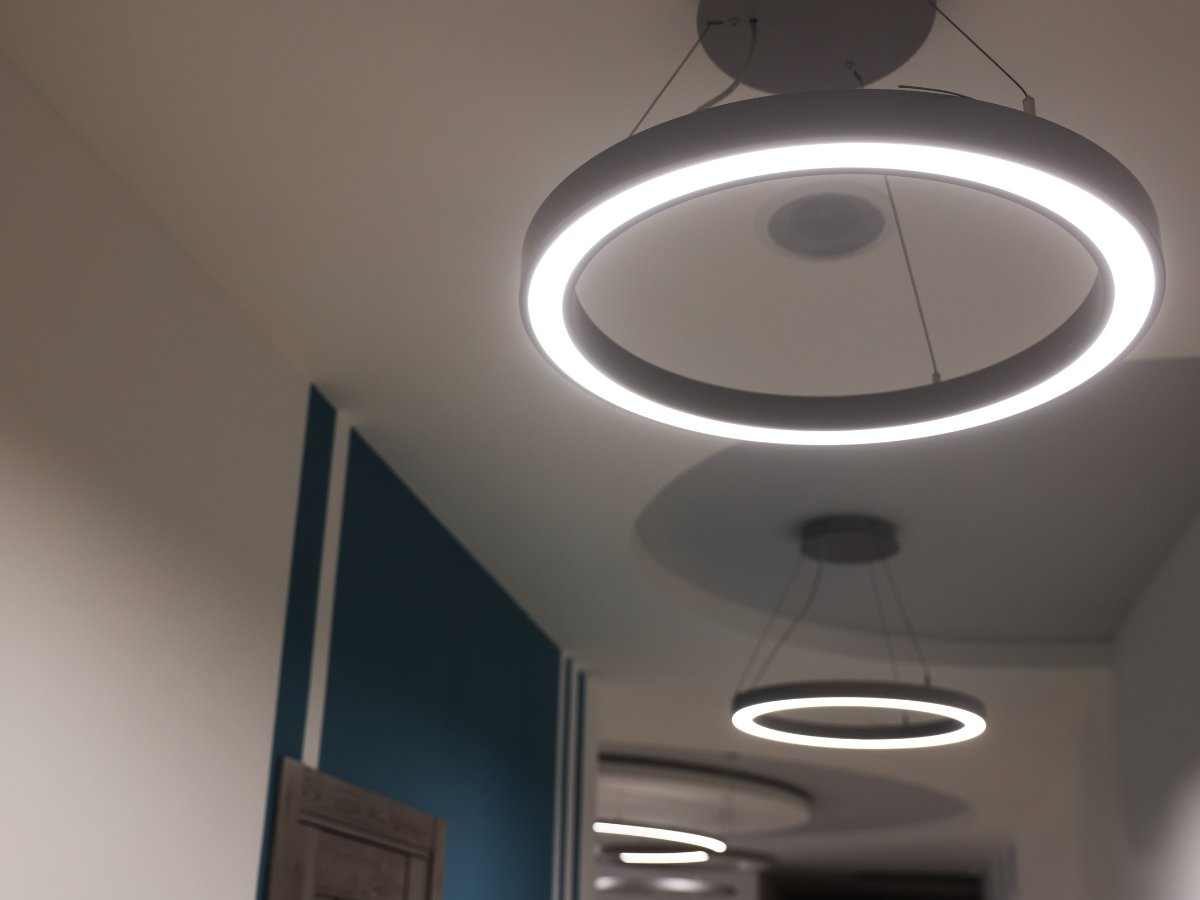
Ambient lighting forms the foundation of a room’s overall illumination. It creates the general brightness that allows people to move comfortably through a space without dealing with dark corners or harsh shadows.
In most homes, this layer of lighting comes from ceiling fixtures, recessed lighting, chandeliers, or larger pendant lights that distribute light evenly throughout the room.
The purpose of ambient lighting is not to spotlight individual features but to establish a comfortable and welcoming atmosphere. A thoughtfully planned lighting design uses ambient lighting to create balance while supporting the room’s overall function.
Natural light also contributes to ambient lighting during the daytime. Rooms with large windows or open layouts may need less artificial lighting, while darker spaces often require additional fixtures to maintain consistent brightness throughout the day and evening.
How Task Lighting Improves Functionality
Task lighting serves a much more focused purpose. Instead of illuminating an entire room, it concentrates light where visibility is especially important. This type of lighting design helps support everyday activities like cooking, reading, working, or getting ready in the morning.
Common examples include under-cabinet lighting in kitchens, bedside reading lamps, vanity lights in bathrooms, and desk lamps in home offices. These fixtures help reduce eye strain and improve comfort by directing light exactly where it is needed most.
Placement is one of the most important parts of successful task lighting. Fixtures should provide enough illumination for detailed activities without creating glare or uncomfortable shadows.
For example, kitchen lighting should fully illuminate countertops without casting shadows from overhead cabinets or the homeowner standing at the workspace.
The Purpose Of Accent Lighting
Accent lighting adds character and dimension to a room by highlighting specific features rather than providing general illumination. In a layered lighting design, accent fixtures help prevent spaces from feeling flat or overly uniform.
This style of lighting is often used to showcase artwork, fireplaces, textured walls, shelving, built-in cabinetry, or architectural details. Accent lighting can also help draw attention to decorative pieces that might otherwise blend into the background.
Popular accent lighting fixtures include wall sconces, picture lights, directional spotlights, and LED strip lighting. When used strategically, these fixtures create contrast and depth while adding a more polished look to the room.
How Ambient Lighting Creates The Foundation
A successful lighting design typically begins with ambient lighting because it establishes the base layer for the entire room. Without proper ambient illumination, even the most decorative fixtures can leave spaces feeling incomplete or uncomfortable.
Ceiling-mounted fixtures and recessed lighting are especially popular because they provide broad, even coverage. In open-concept homes, ambient lighting also helps connect different living areas visually, creating a smoother transition from one space to another.
Dimmers can make ambient lighting even more versatile. Homeowners can brighten a room during active parts of the day and lower the intensity in the evening for a more relaxed atmosphere.
Why Task Lighting Improves Everyday Functionality
Task lighting is often what makes a room truly practical on a daily basis. In kitchens, under-cabinet fixtures improve visibility for food preparation and cooking.
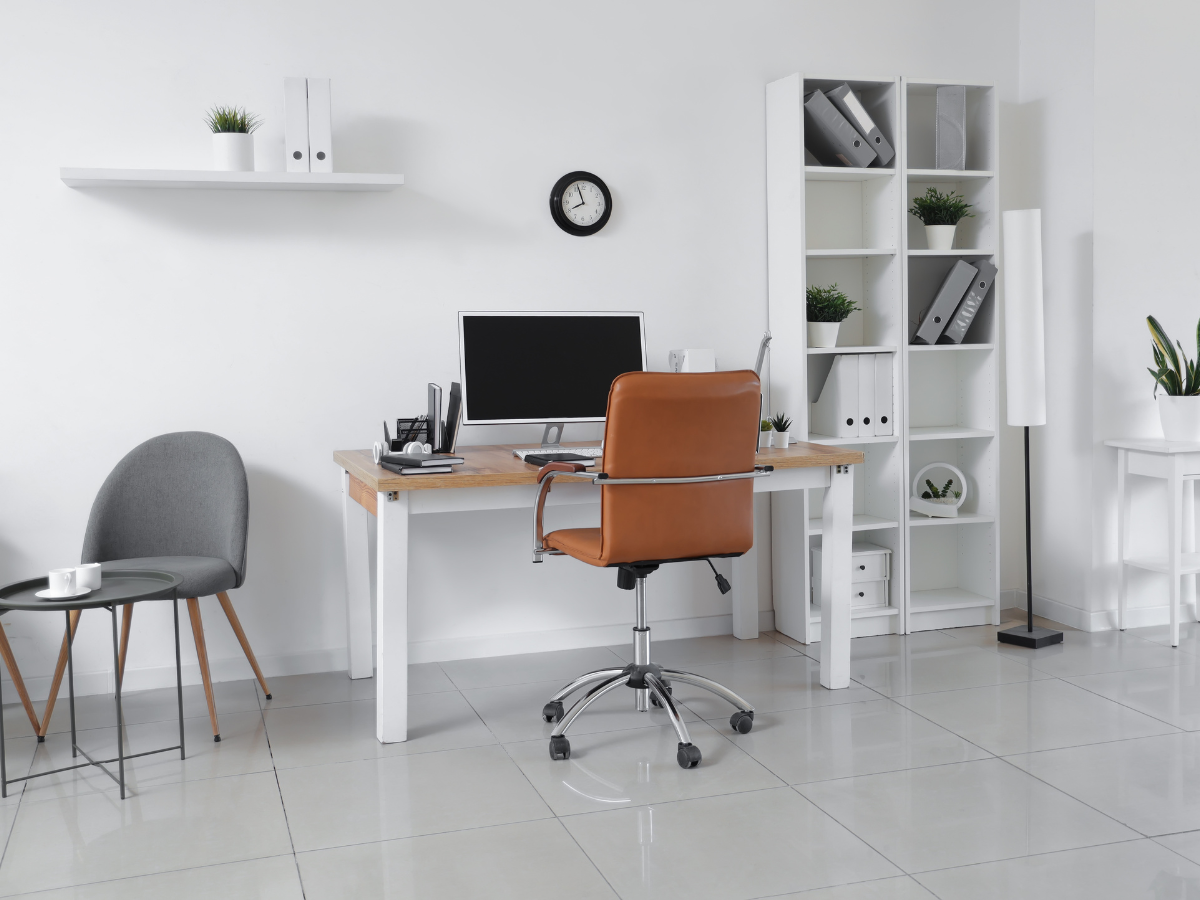
In home offices, desk lighting reduces strain during computer work or reading. Bathrooms benefit from balanced vanity lighting that improves clarity without harsh shadows.
The best lighting design plans consider how people actually use a space instead of relying only on overhead fixtures. This targeted approach improves comfort while making daily activities easier and safer.
Task lighting can also enhance efficiency. Rather than brightly lighting an entire room, focused fixtures allow homeowners to use light only where it is needed, helping reduce unnecessary energy use.
How Accent Lighting Adds Depth And Atmosphere
Accent lighting helps create a more visually interesting environment by introducing layers and contrast. A room with only ambient lighting can sometimes feel flat, while carefully placed accent fixtures add warmth and texture.
For example, recessed spotlights can highlight artwork or architectural details, while LED strips beneath shelves or cabinets create a soft glow that adds depth without overpowering the room. Wall washers can also emphasize textures such as stone, brick, or decorative paneling.
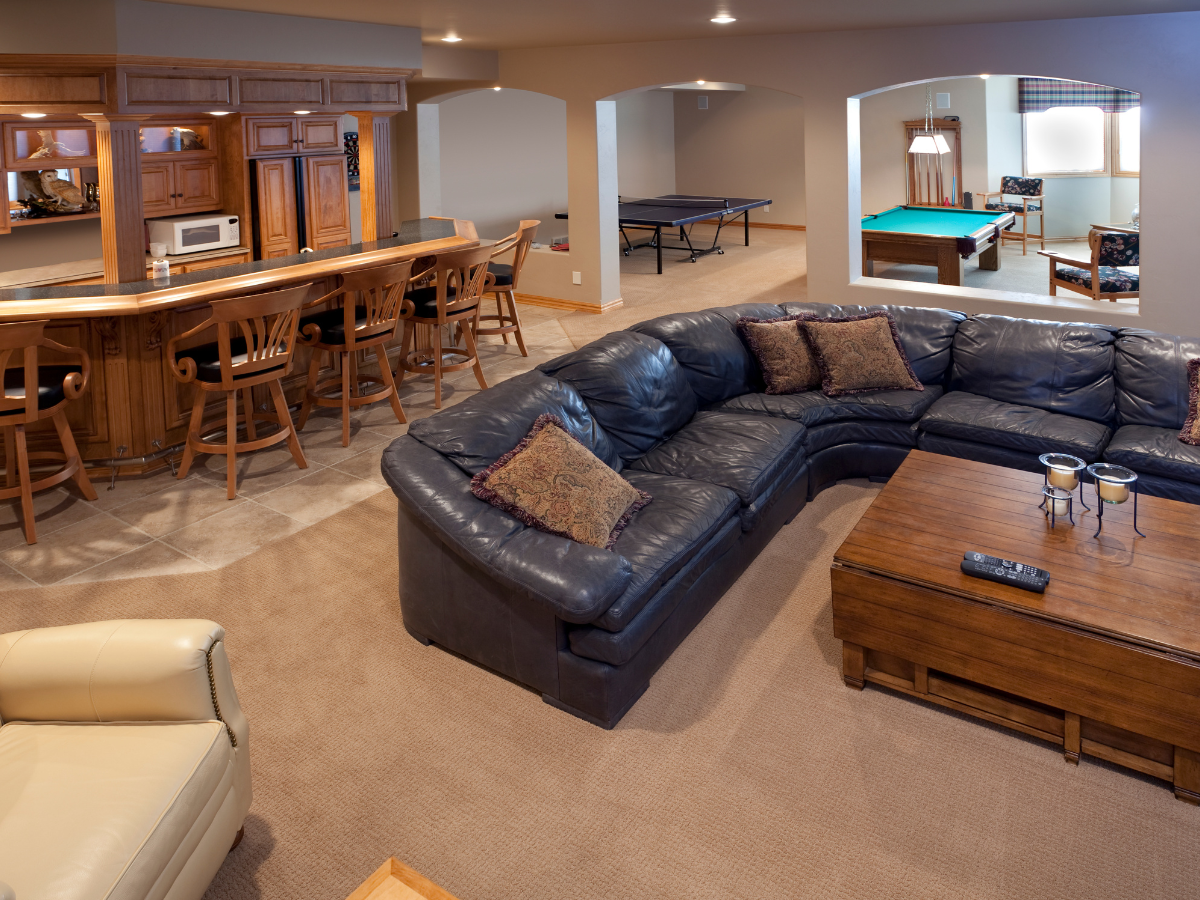
In addition to improving aesthetics, accent lighting contributes to mood and atmosphere. Softer, focused illumination can make living spaces feel more inviting and comfortable, particularly in dining rooms, bedrooms, and entertainment areas.
Which Lighting Fixtures Work Best For Task And Accent Lighting?
Certain fixtures naturally perform better depending on the intended purpose. Pendant lights and track lighting are popular choices for kitchens because they provide focused illumination over islands, counters, and workspaces. LED strip lighting is another flexible option that works well beneath cabinets or along shelving.
For accent lighting, adjustable track lights, wall sconces, and recessed spotlights offer flexibility while keeping the design clean and modern. Table lamps and picture lights can also add a more decorative touch while highlighting specific areas within the home.
By combining ambient, task, and accent fixtures thoughtfully, homeowners can create a layered lighting design that feels balanced, functional, and visually appealing in every room.
Why Natural Light Matters In Home Design
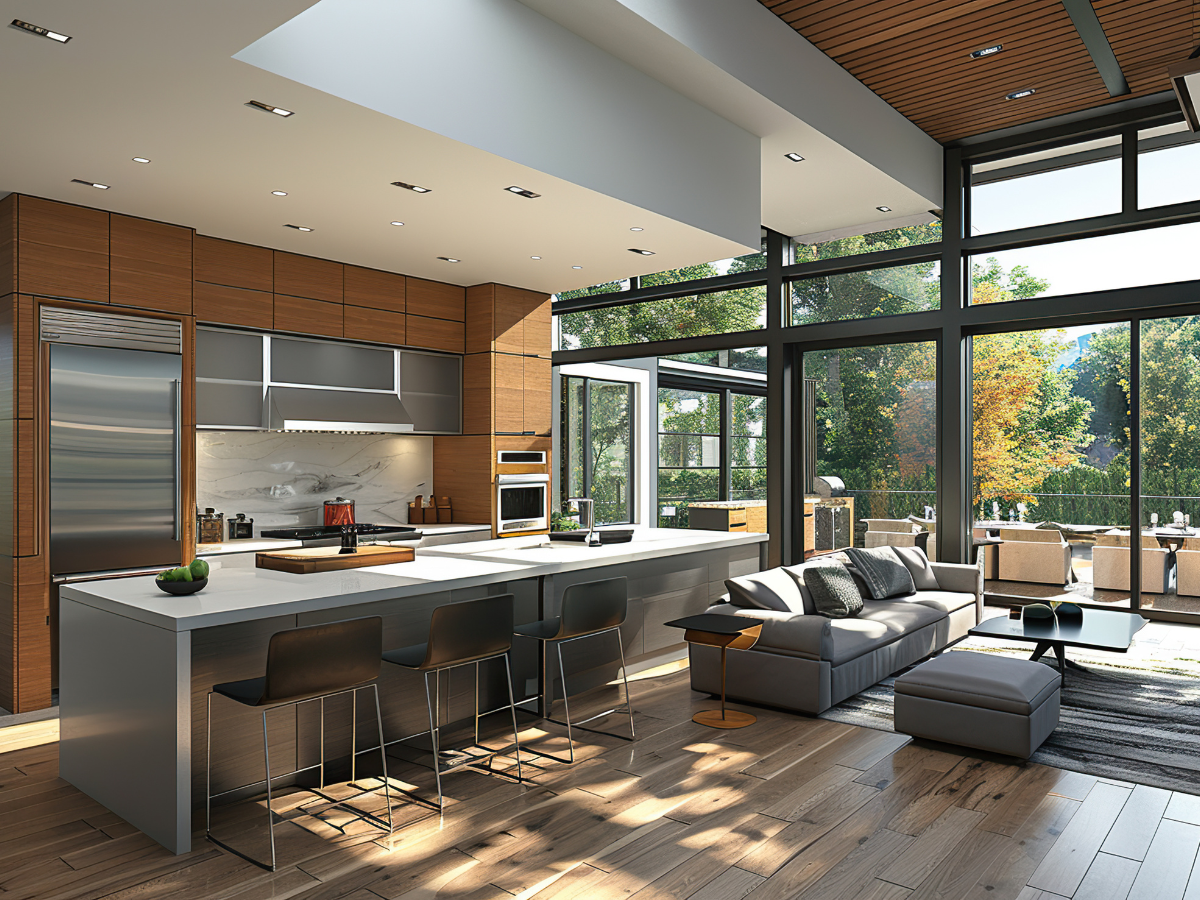
Natural light is one of the most important elements in a comfortable and visually appealing home. A well-planned lighting design does more than brighten a room. It helps spaces feel larger, more open, and more welcoming throughout the day.
Homes with strong natural light often create a stronger connection between indoor and outdoor living areas. Sunlight also changes how colors, textures, and finishes appear within a room.
Flooring, wall paint, furniture, and décor tend to look more vibrant and balanced under natural daylight compared to artificial lighting alone.
Beyond aesthetics, natural light can also improve the overall atmosphere of a home. Bright, sunlit spaces often feel more energizing during the day while helping reduce dependence on overhead fixtures and lamps.
When integrated properly into a lighting design plan, daylight becomes an active part of the room rather than simply a background feature.
How Larger Windows Improve Lighting Design
One of the most effective ways to maximize daylight is through larger windows. Expansive windows allow sunlight to travel farther into the home, helping rooms feel brighter and less enclosed. This approach is especially valuable in living rooms, kitchens, and dining areas where families tend to spend the most time.
Larger windows can also improve the visual flow of a space. By increasing the connection between indoor and outdoor areas, they help rooms feel more open and balanced.
In open-concept homes, natural light from one section of the house can spread more easily into neighboring spaces, reducing dark areas and improving overall visibility.
Window placement matters just as much as size. South-facing windows generally provide more consistent daylight throughout the day, while strategically placed corner windows can help distribute light more evenly across a room.
The Role Of Skylights And Reflective Surfaces
Skylights are another effective feature in modern lighting design, especially in rooms where wall space for windows may be limited. Bathrooms, hallways, laundry rooms, and kitchens often benefit from skylights because they bring in overhead sunlight without sacrificing privacy.
Unlike traditional windows, skylights allow daylight to enter from above, helping brighten areas that might otherwise feel dim or enclosed. This added light can reduce the need for artificial lighting during daytime hours while making smaller rooms feel more spacious.
Reflective surfaces also help maximize the effect of natural light. Mirrors, glossy finishes, glass décor, and lighter paint colors can bounce sunlight throughout a room and improve overall brightness. Even subtle design choices, such as satin cabinetry or polished countertops, can contribute to a more open and airy feel.
How Furniture Placement Affects Natural Light
Furniture arrangement plays a bigger role in lighting design than many homeowners realize. Even rooms with large windows can feel dark if bulky furniture blocks the path of incoming sunlight.
Oversized bookcases, tall cabinets, or sectionals placed directly in front of windows can interrupt light flow and create shadows across the room. Rearranging furniture to keep windows more open allows daylight to spread naturally throughout the space.
Using lower-profile furniture near windows is often a simple but effective solution. Sheer curtains or light-filtering window treatments can also preserve privacy while still allowing sunlight to enter the room.
Thoughtful furniture placement helps natural light become part of the overall design instead of something that is unintentionally restricted.
Balancing Natural And Artificial Lighting
A strong lighting design balances natural and artificial light so the home remains functional and comfortable at all hours of the day.
During the daytime, natural light should provide much of the room’s illumination whenever possible. In the evening, layered artificial lighting can take over without making the space feel harsh or overly bright.
This transition works best when ambient, task, and accent lighting are planned alongside natural daylight sources. For example, recessed lighting can support general brightness after sunset, while table lamps and accent fixtures maintain warmth and depth within the room.
Dimmer switches and smart lighting controls can further improve flexibility by allowing homeowners to adjust brightness levels depending on the time of day and available sunlight.
How To Utilize Natural Light To Complement Ambient Lighting
Natural light and ambient lighting should work together rather than compete with one another. Light-colored walls, reflective finishes, and open layouts help daylight spread more effectively during the day, while carefully positioned ambient fixtures maintain consistency after dark.
A successful lighting design considers how sunlight changes throughout the day and how artificial lighting can support those shifts naturally. When both elements are balanced thoughtfully, rooms feel brighter, more comfortable, and visually connected from morning to night.
Smart Lighting And Energy Efficiency
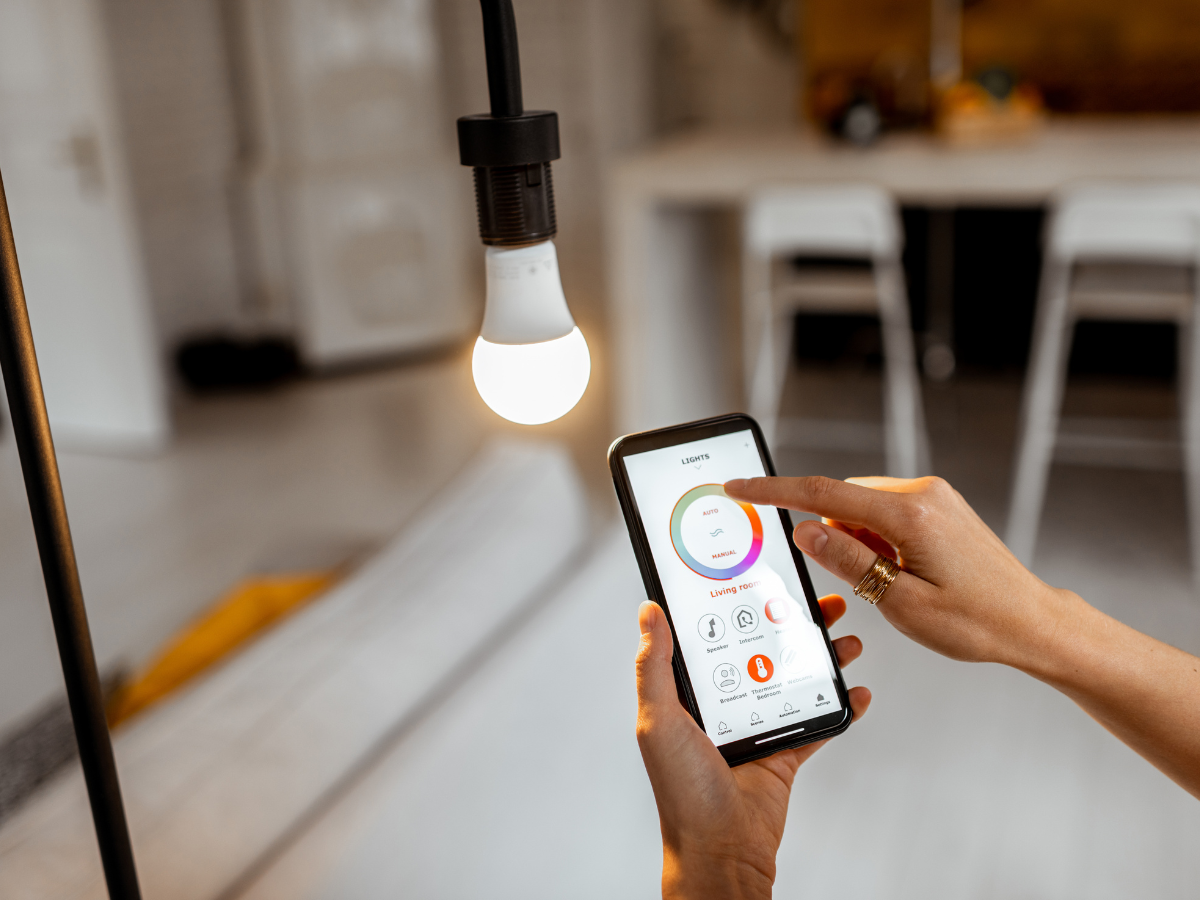
Modern lighting design has evolved far beyond simple on-and-off switches. Smart lighting systems now allow homeowners to customize brightness, automate schedules, and control fixtures remotely from smartphones or voice assistants.
These features make everyday lighting more convenient while also improving efficiency throughout the home. One of the biggest advantages of smart lighting is flexibility.
Homeowners can create lighting scenes tailored to specific activities, such as cooking, relaxing, entertaining, or working from home. Instead of manually adjusting multiple fixtures, a single command can instantly change brightness levels and color temperature to match the desired atmosphere.
Many systems also allow lighting to operate automatically based on occupancy or time of day. This helps reduce unnecessary energy use while improving comfort and convenience.
Energy Efficiency In Modern Lighting Design
Energy efficiency has become one of the most important priorities in modern lighting design. Homeowners are increasingly looking for ways to reduce utility costs without sacrificing comfort or visual appeal.
LED lighting has played a major role in this shift. Compared to traditional incandescent bulbs, LEDs use far less electricity while delivering the same or even greater brightness. They also generate less heat and last significantly longer, making them a practical long-term investment for both residential and commercial spaces.
Efficient lighting design also involves choosing the right fixture placement and control systems. Dimmers, timers, and motion sensors help ensure that lights are only used when needed, which can significantly reduce overall energy consumption over time.
Why Is Energy Efficiency Essential In Modern Residential Lighting?
Energy-efficient lighting benefits homeowners in several ways. Lower electricity use helps reduce monthly utility bills, while longer-lasting fixtures decrease replacement and maintenance costs.
These upgrades can also improve the overall sustainability of a home by lowering energy demand and reducing environmental impact.
In many remodeling projects, energy-efficient lighting design is viewed as both a practical and future-focused improvement. Homes equipped with LED fixtures and smart controls are often more appealing because they combine modern convenience with lower operating costs.
Energy efficiency also supports comfort. Efficient fixtures typically produce more consistent light quality while generating less excess heat, helping rooms feel more comfortable throughout the year.
How Do Dimmable And Smart Controls Enhance Task Lighting Efficiency?
Task lighting works best when homeowners can easily adjust brightness based on the activity taking place. Dimmable controls make this possible by allowing lighting levels to change throughout the day rather than remaining fixed at full brightness.
For example, kitchen lighting may need to be brighter during food preparation but softer during evening meals. In home offices, adjustable task lighting can reduce eye strain during computer work or reading.
Smart controls improve this flexibility even further. Automated schedules, occupancy sensors, and app-based controls allow lights to respond more efficiently to daily routines. Instead of leaving lights on accidentally, homeowners can automate lighting to operate only when needed.
What Are The Latest Smart Lighting Solutions For Home Remodeling?
Many modern remodeling projects now include smart lighting systems as part of the overall home upgrade. Smart bulbs remain one of the most popular options because they are relatively easy to install and can often work with existing fixtures.
Voice-controlled systems have also become increasingly common. Homeowners can adjust brightness, turn lights on or off, or activate preset scenes using voice assistants integrated with the home’s smart technology setup.
Automated lighting schedules are another major advancement in lighting design. Lights can gradually brighten in the morning, dim automatically at night, or activate when someone enters a room. These features improve convenience while helping reduce wasted energy.
Which Smart Lighting Systems Work Well In Remodeling Projects?
Several smart lighting systems integrate especially well into home remodeling projects because they combine flexibility with ease of use. Systems such as Philips Hue are known for customizable smart bulbs and scene controls, while Lutron Caseta systems are popular for dimmers and integrated lighting controls.
Google Nest products also work well in connected smart homes by allowing lighting systems to communicate with thermostats, security devices, and other automation features.
The best system often depends on the size of the project, the homeowner’s preferences, and whether the goal is full-home automation or simpler room-by-room control.
What Are The Benefits Of LED Lighting And Energy Efficiency Ratings?
LED fixtures continue to dominate modern lighting design because of their strong combination of performance and efficiency. Many LED bulbs can last up to 25,000 hours or more, reducing the need for constant replacements.
They also consume significantly less energy than traditional incandescent bulbs, which can lower electricity costs over time. Because LEDs are available in a wide range of brightness levels, color temperatures, and fixture styles, they work well in nearly every room of the home.
Energy efficiency ratings also help homeowners compare products more effectively. Choosing certified efficient fixtures can improve long-term savings while ensuring consistent performance.
How To Choose Sustainable Lighting Materials For Remodeling Projects
Sustainable lighting design extends beyond energy-efficient bulbs. Many homeowners are also paying closer attention to the materials used in lighting fixtures themselves.
Fixtures made from recycled metals, glass, or responsibly sourced materials can help reduce environmental impact while still supporting modern design goals. Durability also matters. Long-lasting fixtures reduce waste and minimize the need for future replacements.
When combined thoughtfully, smart technology, LED efficiency, and sustainable materials create a lighting design that feels modern, practical, and environmentally responsible.
Aesthetic Considerations And Home Ambiance

Lighting has a major influence on how a home looks and feels. Beyond basic visibility, lighting design helps shape atmosphere, highlight architectural details, and create visual balance throughout a space.
The right lighting can make a room feel warm and inviting, while poor lighting choices can leave even beautifully designed interiors feeling flat or uncomfortable.
A successful lighting design balances practicality with style. Homeowners often focus heavily on furniture, flooring, or wall colors during remodeling projects, but lighting ties all of those elements together. It affects how colors appear, how textures are perceived, and how comfortable a room feels throughout the day and evening.
Different spaces also require different lighting moods. A bright kitchen may prioritize clarity and functionality, while a bedroom or living room often benefits from softer lighting that encourages relaxation. Understanding how lighting contributes to atmosphere is one of the most important parts of creating a cohesive home design.
How Fixture Style Influences Interior Design
Lighting fixtures are no longer viewed as purely functional additions. In many homes, they serve as statement pieces that contribute directly to the room’s overall aesthetic.
Chandeliers, pendant lights, sconces, recessed fixtures, and decorative lamps all create different visual effects depending on their size, shape, and placement.
Modern lighting design often uses fixtures to reinforce the architectural style of the home. Sleek metal pendants may complement contemporary interiors, while warm-toned sconces and decorative chandeliers can support more traditional or transitional spaces.
Scale is also important. Oversized fixtures can create dramatic focal points in dining rooms or entryways, while smaller, understated fixtures may work better in compact spaces or minimalist interiors. The goal is to choose lighting that feels intentional and proportionate without overwhelming the room.
Layering fixture styles throughout the home can also add depth and personality. Combining decorative fixtures with recessed lighting or hidden LED accents creates a more refined and visually interesting environment.
Why Color Temperature Matters
Color temperature has a major impact on the mood and comfort of a room. Measured in Kelvins, color temperature determines whether light appears warm, neutral, or cool.
Warm lighting, typically in the 2700K to 3000K range, creates a softer and more relaxing atmosphere. This type of lighting is commonly used in bedrooms, living rooms, and dining spaces because it feels comfortable and inviting.
Cooler lighting tends to feel brighter and more energizing. It is often preferred in kitchens, bathrooms, laundry rooms, and workspaces where clarity and visibility are especially important.
Choosing the right color temperature is an essential part of effective lighting design because it influences how materials, paint colors, and furnishings appear within the room. The wrong lighting tone can make colors feel dull or overly harsh, even if the overall design is well planned.
Consistency also matters. Sudden shifts between warm and cool lighting throughout a home can feel visually disconnected, so many homeowners aim for a balanced approach that complements the overall design style.
The Importance Of Fixture Placement
Even high-quality fixtures may not perform well if they are positioned incorrectly. Placement directly affects how evenly light spreads throughout a room and whether shadows or glare become a problem.
For example, recessed lights that are spaced too far apart can create dark areas, while poorly positioned vanity lights may cast unflattering shadows across the face. Pendant lights placed too high or too low can also affect both comfort and functionality.
A thoughtful lighting design considers how people move through the space and where illumination is needed most. In kitchens, task lighting should focus on counters and preparation areas. In living rooms, layered lighting should support both relaxation and everyday activities.
Accent lighting placement is equally important. Spotlights, wall washers, and LED strips should highlight architectural features or decorative elements without overpowering the room.
Balancing Beauty And Function
The best lighting design combines visual appeal with everyday usability. A fixture may look beautiful in a showroom, but it still needs to provide the appropriate level of illumination for the room where it will be installed.
Balancing beauty and function means thinking beyond appearance alone. Homeowners should consider brightness, bulb type, color temperature, energy efficiency, and fixture placement alongside decorative style.
When these elements work together, lighting becomes more than a utility. It becomes part of the overall experience of the home, shaping comfort, atmosphere, and functionality in every room.
Safety And Security In Lighting Design
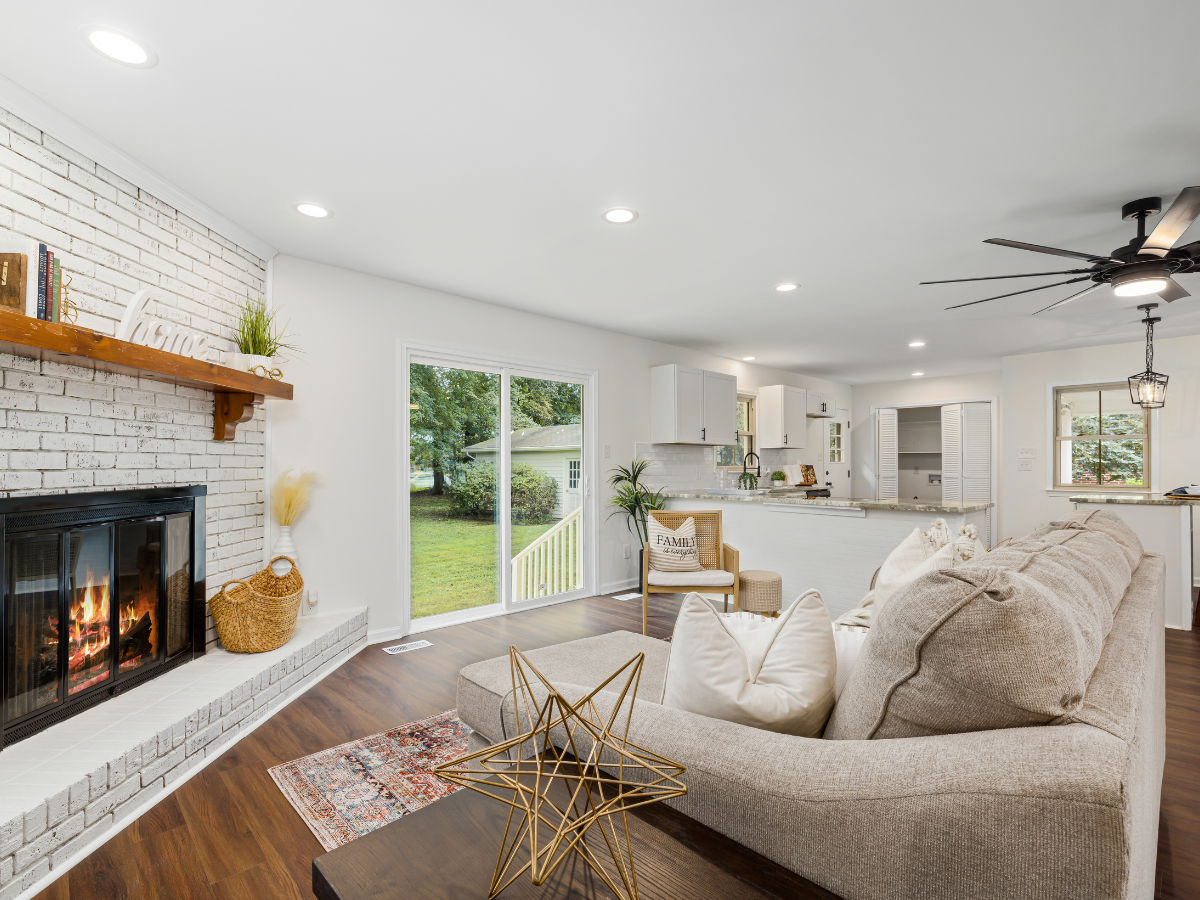
Safety is one of the most practical aspects of a well-planned lighting design. While many homeowners focus on lighting for style and ambiance, proper illumination also improves visibility, reduces accidents, and helps create a greater sense of security throughout the property.
A thoughtful lighting design makes it easier to move safely through both indoor and outdoor spaces, especially during the evening hours. Hallways, staircases, entryways, and exterior walkways all benefit from consistent lighting that minimizes dark spots and improves depth perception.
Outside the home, security lighting plays an especially important role. Poorly lit entry points, shadowed corners, and dark pathways can make a property feel less welcoming and more vulnerable.
Strategically placed exterior fixtures improve visibility while also helping homeowners feel more comfortable when arriving home at night or spending time outdoors after sunset.
Outdoor Lighting For Security And Visibility
Exterior lighting works best when it is layered throughout the property rather than concentrated in a single area. Path lights, step lights, wall-mounted fixtures, and landscape lighting can all work together to improve navigation and eliminate unsafe dark zones.
Walkways and stairs should always have enough illumination to clearly define elevation changes and obstacles. This is particularly important in areas with uneven terrain, retaining walls, or decorative landscaping features that may become difficult to see after dark.
Entry points such as front doors, garages, and side gates should also be well-lit. These areas experience frequent activity, and proper lighting improves both convenience and visibility for homeowners and guests.
Modern lighting design often incorporates subtle low-level fixtures instead of relying entirely on bright floodlights. Softer lighting can create a more comfortable appearance while still providing effective visibility and security.
The Benefits Of Motion-Activated Lighting
Motion-activated lighting has become a popular feature in residential lighting design because it combines convenience with energy efficiency. These fixtures automatically illuminate when movement is detected, helping homeowners avoid leaving lights on continuously throughout the night.
Motion sensors are commonly installed near garages, driveways, backyards, and side entrances where additional visibility may be needed unexpectedly. The sudden activation of light can also discourage unwanted activity around the property.
In addition to security benefits, motion-activated lighting improves everyday functionality. Carrying groceries, taking out trash, or arriving home late at night becomes safer and easier when lights activate automatically as someone approaches.
The placement of motion sensors is important, however. Fixtures that are overly sensitive may activate constantly due to passing cars, pets, or wind-blown vegetation. A carefully planned lighting design takes these factors into account to create a more reliable and practical setup.
How Smart Lighting Improves Home Security
Smart home technology has expanded the possibilities of residential lighting design. Homeowners can now control indoor and outdoor lighting remotely through mobile apps, voice assistants, or automated scheduling systems.
Smart lighting allows lights to turn on and off at specific times, helping create the appearance that someone is home even when the property is vacant. This can be especially useful during vacations or extended work trips.
Some systems also allow homeowners to adjust brightness levels, monitor lighting activity remotely, and integrate lighting with security cameras or alarm systems. These features provide greater flexibility while improving overall home security.
Because smart systems are highly customizable, homeowners can create lighting schedules that match their routines without wasting unnecessary energy.
Balancing Brightness And Comfort
One of the most common mistakes in security lighting is using fixtures that are too bright. Excessive brightness can create harsh glare, deep shadows, and uneven visibility that may actually make it harder to see clearly.
A more effective lighting design focuses on balanced illumination. Soft, evenly distributed light typically provides better visibility and creates a more comfortable environment overall.
Shielded fixtures, layered lighting, and carefully positioned light sources can reduce glare while maintaining adequate coverage throughout the property. The goal is to create spaces that feel safe, functional, and visually comfortable rather than overly harsh or industrial.
When safety, comfort, and appearance are considered together, lighting becomes an important part of both home design and everyday peace of mind.
Lighting Planning, Installation, And Professional Guidance
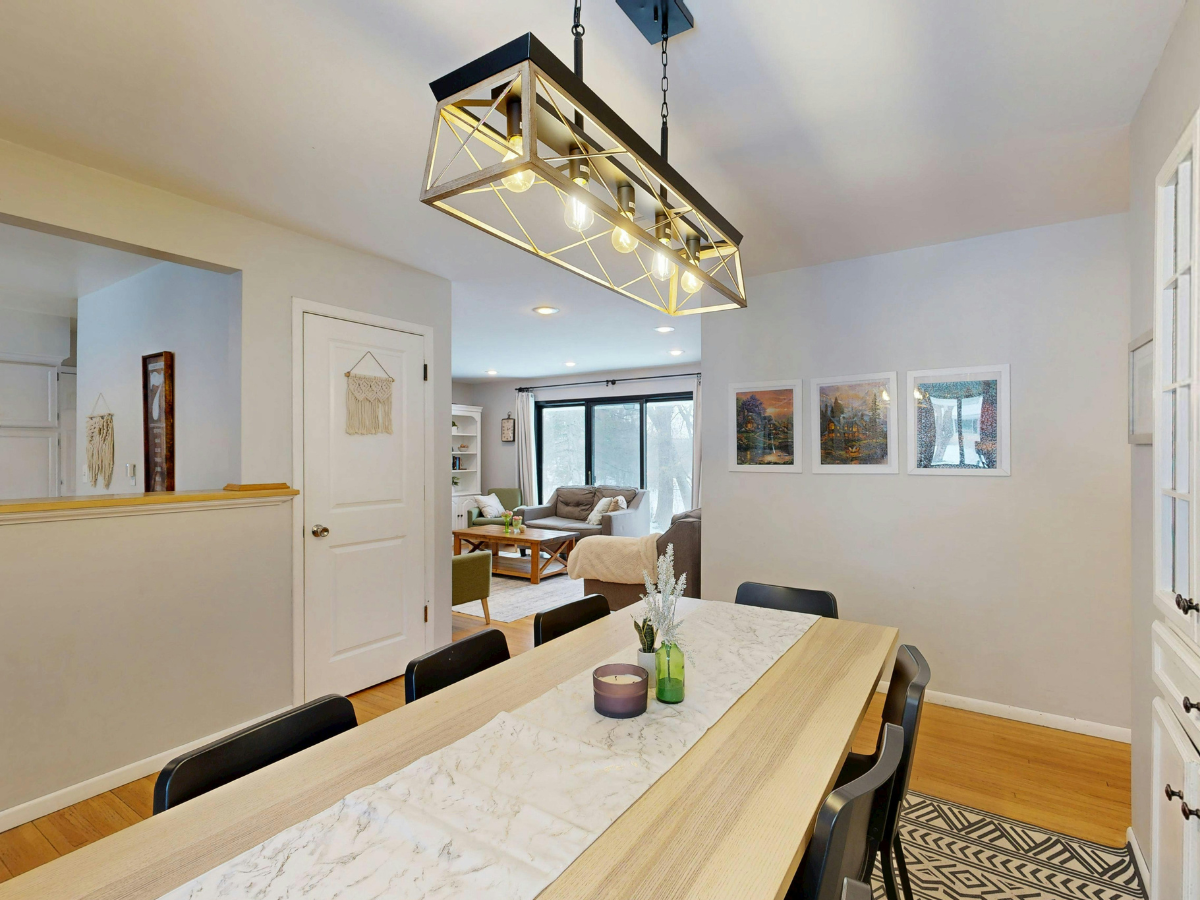
A successful lighting design starts long before fixtures are installed. Careful planning helps homeowners create spaces that feel comfortable, functional, and visually balanced while avoiding common problems like uneven brightness, glare, or poor fixture placement.
Because lighting affects nearly every part of a home, many remodeling projects benefit from professional guidance during the planning and installation process.
From selecting fixture styles to determining switch locations, thoughtful preparation can make a major difference in how a finished space looks and performs.
Consulting Professionals For Better Lighting Design
Working with experienced professionals can simplify the decision-making process and help homeowners avoid costly mistakes. A lighting designer or licensed electrician understands how lighting interacts with ceiling height, room dimensions, furniture placement, and natural daylight.
Professional guidance is especially helpful in larger remodeling projects where multiple lighting layers need to work together cohesively. Kitchens, bathrooms, living rooms, and outdoor areas all require different lighting strategies based on how the spaces are used.
An experienced professional can also recommend energy-efficient fixtures, smart controls, and layout improvements that may not be immediately obvious during the planning stage. In many cases, a strong lighting design improves both daily comfort and long-term property value.
What Are Best Practices For Lighting Layout Planning In Home Remodeling?
One of the most important parts of lighting design is understanding how each room will function throughout the day. A family room used for entertaining requires different lighting than a home office or bathroom.
A good layout typically begins by evaluating natural light levels first. Rooms with large windows may need less daytime illumination, while darker areas may require additional ambient lighting to maintain balance.
Creating separate lighting zones also improves flexibility. Instead of controlling every fixture with a single switch, homeowners can divide lighting into layers that serve different purposes.
For example, recessed ceiling lights may provide overall illumination while pendant fixtures and under-cabinet lighting handle more focused tasks.
Dimmer switches are another valuable addition during remodeling projects. They allow lighting levels to shift throughout the day and help create a more adaptable environment without changing fixtures.
How To Create Effective Lighting Plans Using Diagrams And Visual Aids?
Visual planning tools can make lighting decisions easier and more accurate. Floor plans, diagrams, and digital renderings help homeowners see how fixtures will interact within the space before installation begins.
Even simple sketches can help identify where lighting may feel uneven or where additional fixtures may be needed. Mapping out furniture placement alongside lighting locations is especially useful because it shows how people will move through the room and where task lighting should be concentrated.
A lighting design plan should also include details such as switch placement, fixture spacing, and the direction of light output. This level of planning helps reduce installation changes later in the project.
For larger remodels, professionals often use layered diagrams to separate ambient, task, and accent lighting systems. This approach creates a clearer understanding of how the different lighting elements will work together once the project is complete.
What Installation Tips Ensure Optimal Lighting Performance And Safety?
Proper installation is just as important as selecting the right fixtures. Even high-quality lighting products can perform poorly if they are incorrectly placed or improperly wired.
Hiring qualified electricians helps ensure that fixtures meet local electrical codes and safety requirements. This is particularly important when installing recessed lighting, outdoor fixtures, or smart lighting systems that require specialized wiring.
Before installation is finalized, homeowners should test lighting levels and fixture placement whenever possible. Small adjustments can significantly improve visibility and reduce harsh shadows or glare.
It is also important to choose fixture sizes that match the scale of the room. Oversized fixtures may overwhelm smaller spaces, while fixtures that are too small can leave areas feeling dim and unbalanced.
What Common Questions Do Homeowners Have About Lighting In Remodeling?
Many homeowners wonder how much lighting is necessary for a remodeling project. The answer depends on the size of the room, ceiling height, natural light availability, and how the space will be used daily.
Another common concern involves energy efficiency. Modern lighting design often incorporates LED fixtures, dimmers, and smart controls that reduce energy use while maintaining strong performance.
Homeowners also frequently ask whether layered lighting is truly necessary. In most cases, combining ambient, task, and accent lighting creates a more comfortable and versatile environment than relying on a single overhead fixture alone.
How To Layer Lighting For Different Home Remodeling Phases?
Lighting needs often change as remodeling projects progress. During the construction phase, bright general lighting helps improve visibility for contractors and installers. As rooms begin to take shape, task lighting becomes more important in areas like kitchens, bathrooms, and workspaces.
The final stage of lighting design typically focuses on refinement. Accent lighting, decorative fixtures, and dimmable controls help create atmosphere and highlight architectural features or décor elements.
By approaching lighting in layers, homeowners can create spaces that feel practical during everyday use while still maintaining warmth, depth, and visual appeal.
Conclusion
Effective lighting design can completely transform the look, feel, and functionality of a home during a remodeling project.
From layered ambient lighting and statement fixtures to energy-efficient solutions that improve comfort and reduce energy costs, the right lighting choices help create spaces that are both beautiful and practical.
Whether you are updating a kitchen, bathroom, living room, or your entire home, professional planning and installation can make a significant difference in the final result.
For high-quality remodeling services and expert design solutions, choose FD Remodeling Atlanta & Marietta. Ready to start your next remodeling project? Call 404-857-5582 or fill out our project form today.