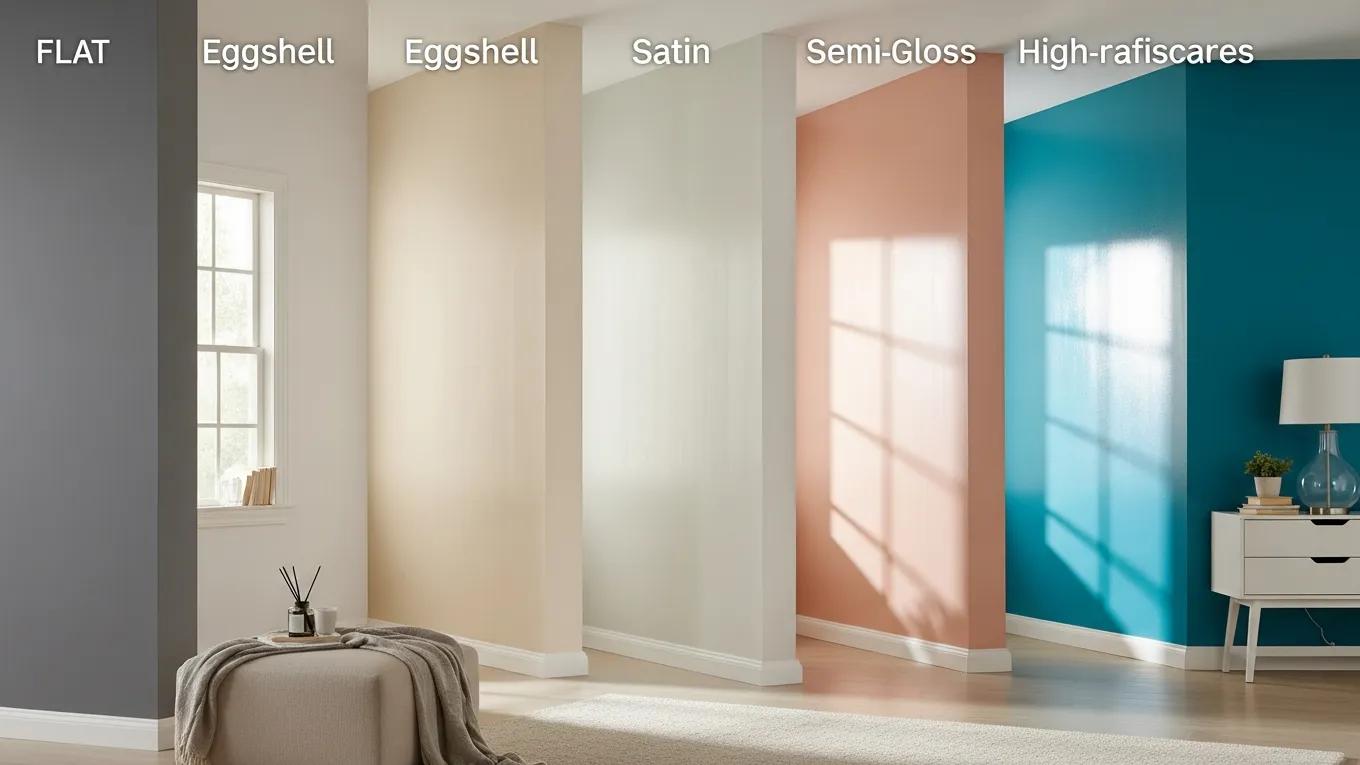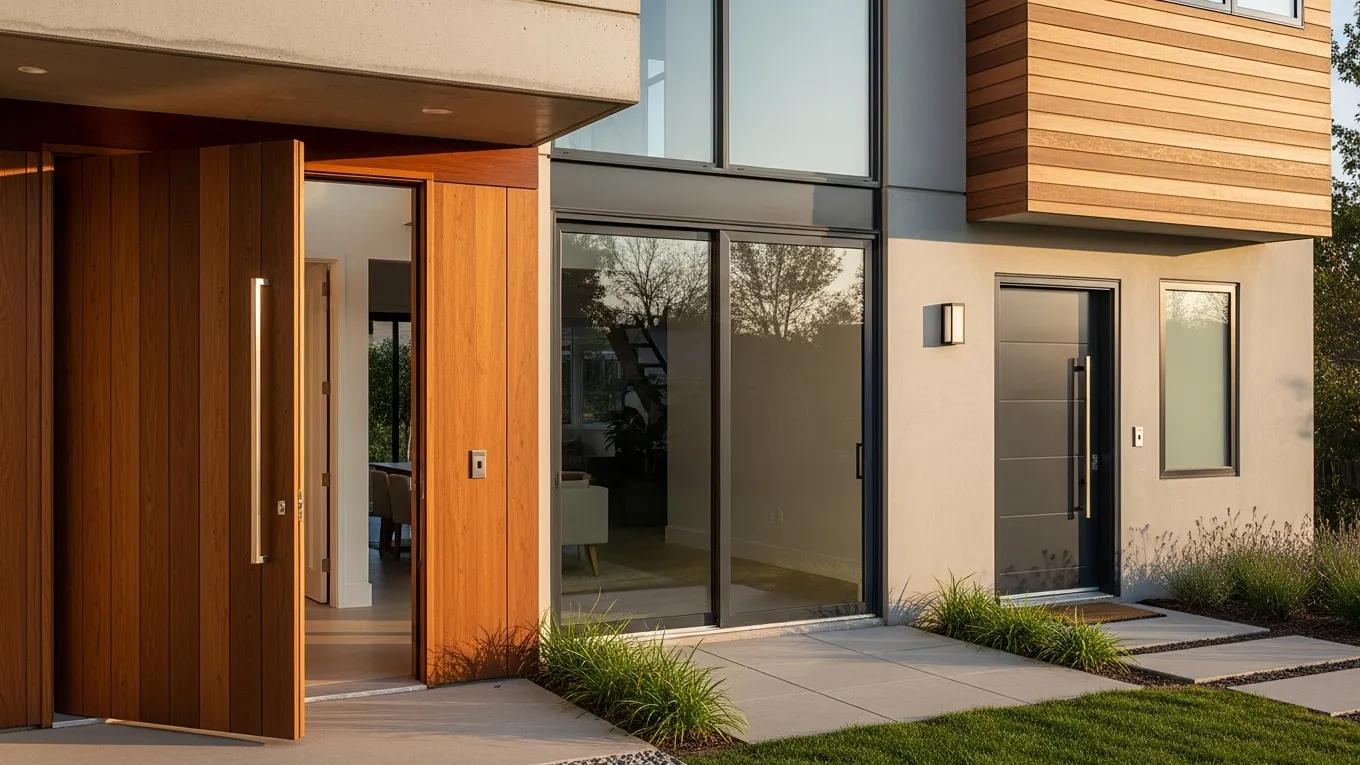
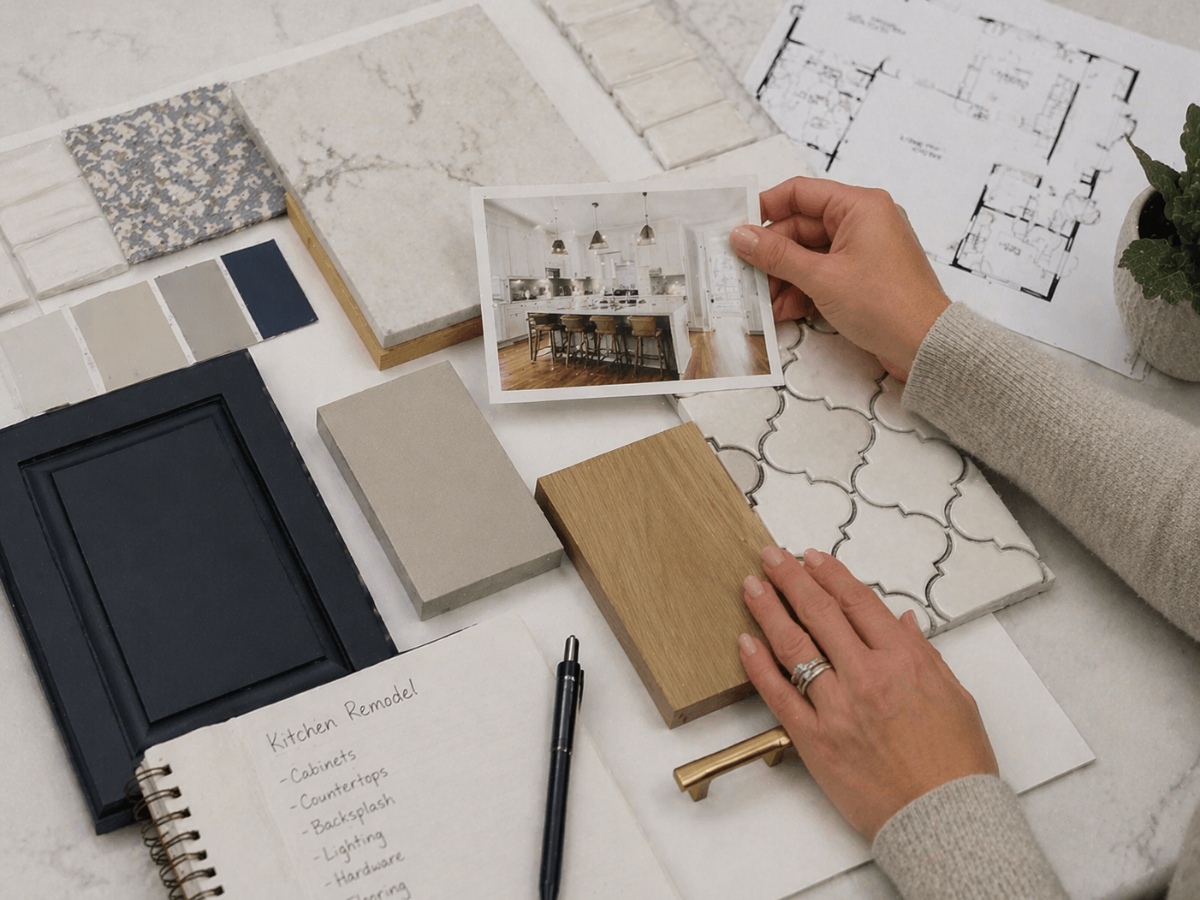
A remodeling project can quickly feel overwhelming when ideas start pulling in different directions. Colors, materials, layouts, and finishes all need to work together, but it’s not always easy to visualize the final result.
Learning how to create a mood board for your remodeling project helps bring clarity to your vision before any decisions are locked in.
A well-built mood board acts as a visual guide, helping you organize inspiration, compare options, and refine your style. It allows you to see how textures, colors, and design elements interact, making it easier to spot what works and what doesn’t early in the process.
With a clear mood board in place, you can move forward with more confidence, communicate your ideas effectively, and keep your project aligned from start to finish.
Why Every Home Remodel Starts with a Mood Board
What Is A Mood Board And Why Is It Essential For Remodeling Projects?

A mood board is a visual tool that brings together ideas for a space in one place. It usually includes images, colors, textures, and materials that reflect the overall look you want to achieve. Instead of trying to describe your vision in words, a mood board lets you see how everything works together before any work begins.
In remodeling projects, this can make a noticeable difference. It helps homeowners organize their ideas and gives designers a clearer understanding of the direction. When both sides are working from the same visual reference, it reduces confusion and keeps decisions more consistent throughout the process.
A mood board is not just about aesthetics. It also helps narrow down choices early, which can save time later. When you already have a clear sense of style, it becomes easier to choose finishes, fixtures, and layouts that fit together naturally.
How Does A Mood Board Support Visual Planning And Communication?
One of the biggest advantages of using a mood board is how it improves communication. Design ideas can be hard to explain, especially when they involve subtle details like tone, texture, or atmosphere. A mood board turns those abstract ideas into something visible and easier to discuss.
When reviewing options with a designer or contractor, having a mood board on hand keeps the conversation focused. It gives everyone a shared point of reference, which helps avoid misunderstandings.
Instead of going back and forth trying to clarify preferences, you can point to specific elements and explain what works and what does not.
It also supports better planning. By seeing how different elements interact, you can spot potential conflicts before they become part of the build. For example, a finish that looks good on its own might not fit with the rest of the palette. A mood board makes those relationships easier to evaluate early on.
Over time, it becomes a guide for decision-making. When new ideas come up, you can compare them to your mood board and decide whether they fit your original vision.
What Key Elements Should A Remodeling Mood Board Include?
A well put together mood board usually includes a mix of visual and material references. Each element plays a role in shaping the final outcome, so it helps to be intentional about what you include.
Color schemes often form the foundation. Choosing a set of colors early helps create consistency across walls, cabinetry, flooring, and decor. Even subtle variations in tone can change how a space feels, so having a visual reference makes those decisions easier.
Material samples are just as important. Surfaces like wood, tile, stone, or fabric all bring texture into the design. Including these in your mood board helps you see how they work together, rather than evaluating them in isolation.
Inspirational images can help tie everything together. These might include photos of finished spaces, furniture styles, or lighting setups that reflect the look you want. They do not need to match exactly, but they should point in the same direction.
You might also include smaller details, such as hardware finishes or patterns, if they play a role in the overall design. These elements help round out the mood board and make it more complete.
Why A Mood Board Leads To Better Remodeling Outcomes
Taking the time to create a mood board can make the remodeling process more straightforward. It provides clarity at the start, which helps reduce second-guessing later. When decisions are guided by a clear visual plan, the final result tends to feel more cohesive.
A mood board also makes collaboration easier. Designers, contractors, and homeowners can all refer back to the same set of ideas, which keeps the project aligned from beginning to end. Even as adjustments are made, the core vision remains consistent.
In the end, a mood board is a simple tool that supports better planning, clearer communication, and more confident decision-making. For any remodeling project, it serves as a strong foundation that helps turn ideas into a finished space that feels intentional and well put together.
How To Select Color Palettes And Materials For Your Remodeling Mood Board
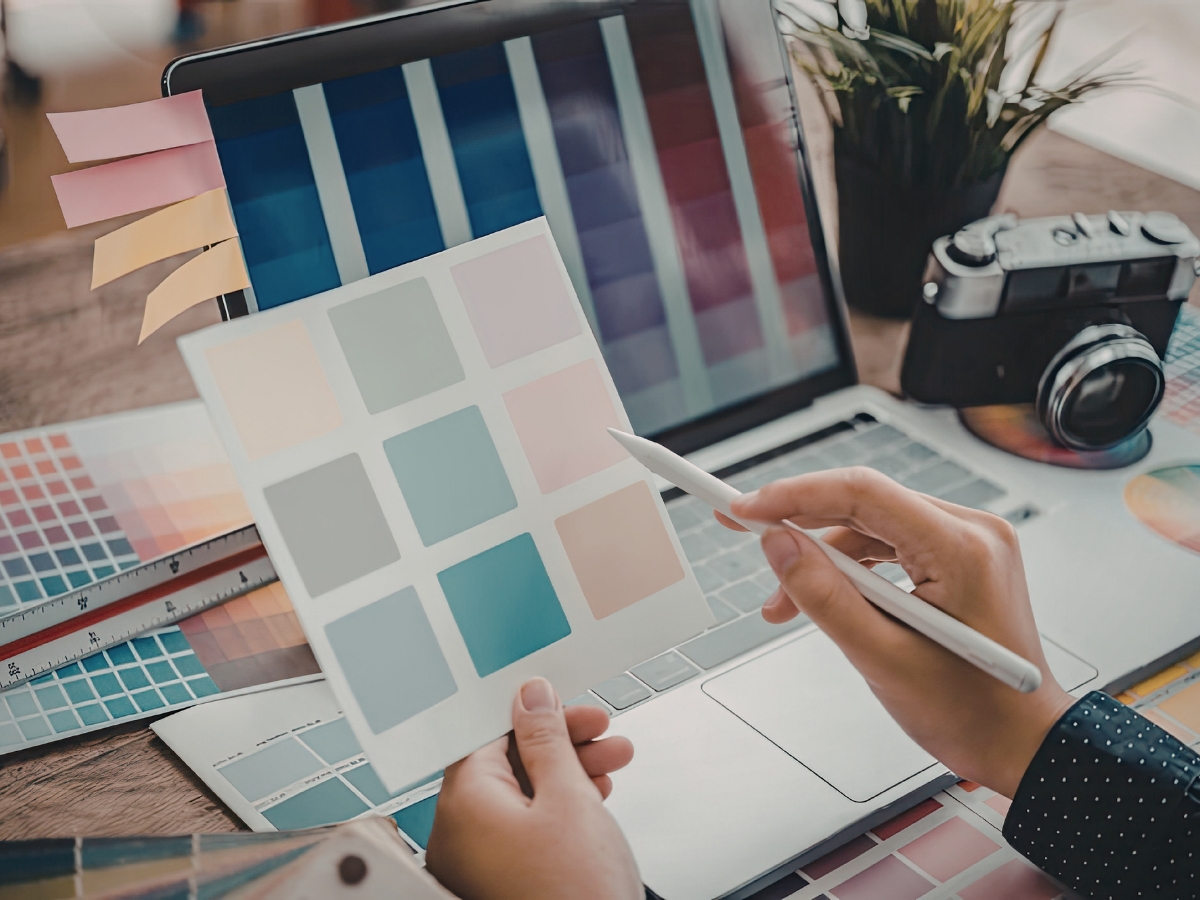
Choosing colors and materials is one of the most important parts of building a mood board. These elements shape how the space will look and feel, so it helps to approach them with a clear plan.
A well-thought-out mood board brings these pieces together in a way that feels balanced rather than random.
Instead of picking colors and materials separately, it is more effective to consider how they work together. When everything is viewed side by side, it becomes easier to spot combinations that feel natural and ones that do not quite fit. This approach helps create a more cohesive design from the beginning.
What Are The Best Practices For Choosing Color Schemes In Remodeling?
Selecting a color palette is not just about preference. It also involves understanding how color behaves in a space. One of the first things to consider is natural lighting. Colors can look very different depending on the time of day, so it helps to observe how light moves through the room before finalizing your choices.
Room size also plays a role. Lighter tones can make a smaller area feel more open, while deeper shades tend to create a more enclosed and comfortable atmosphere. Neither option is better than the other, but each creates a different effect, so it depends on what you want the space to feel like.
It is also important to aim for a cohesive palette. This does not mean everything needs to match perfectly, but the colors should relate to each other in a way that feels intentional. When building your mood board, try grouping a few core colors with a couple of supporting tones. This keeps the design focused without feeling too limited.
A helpful way to test your palette is to place the colors next to each other and view them as a group. This gives you a clearer sense of how they interact and whether any adjustments are needed.
How To Incorporate Material Samples Effectively In Your Mood Board?
Materials bring depth and texture to a mood board, which is why they are just as important as color. Including real samples can make your mood board more accurate and easier to work from during the remodeling process.
Start by gathering samples that reflect the finishes you are considering. This might include paint swatches, flooring pieces, or fabric samples. Having these items in front of you allows you to see how they look together instead of relying on memory or separate images.
Once you have your materials, arrange them on your mood board in a way that feels natural. Try placing them near related colors or images so you can see how everything connects. This step helps you evaluate whether the textures and finishes complement each other or if something feels out of place.
It is also helpful to view your samples in the actual space when possible. Lighting conditions can change how materials appear, so testing them in the room gives you a more accurate sense of the final result. Even small differences in lighting can affect how colors and textures are perceived.
Why Balance Between Color And Materials Matters
A strong mood board is not just about individual choices but about how those choices work together. Colors set the tone, while materials add dimension and practicality. When both are aligned, the design feels more complete.
If one element stands out too much, it can throw off the overall look. For example, a bold material paired with a muted palette might feel disconnected. By adjusting both elements together, you can create a design that feels more consistent.
Building A Mood Board That Reflects Your Vision
Taking the time to refine your color palette and material selection helps your mood board become a reliable guide throughout your project. It gives you a clear reference point when making decisions and helps keep the design on track.
When your mood board reflects both the look and feel you want, it becomes easier to move forward with confidence. Each choice supports the overall vision, making the remodeling process more focused and less overwhelming.
Which Tools And Apps Enhance Mood Board Creation For Remodeling Projects?

Creating a mood board has become much easier with the help of digital tools. While traditional boards made from physical samples still have value, many people now prefer digital options because they are faster to update and easier to share.
A digital mood board allows you to gather ideas, adjust layouts, and refine your vision without starting over each time something changes.
For remodeling projects, this flexibility can be especially useful. As ideas evolve, your mood board can evolve with them.
Instead of juggling multiple samples or printed images, everything can be organized in one place, making the process more efficient and easier to manage.
What Digital Visual Design Tools Are Recommended For Remodeling Mood Boards?
There are several tools that work well for building a mood board, each offering a slightly different approach. Choosing the right one often depends on how you like to organize ideas and collaborate with others.
Pinterest is often the starting point for many homeowners. It allows you to collect images from different sources and group them into boards. This makes it easy to explore styles, compare ideas, and narrow down your preferences over time.
Canva is a good option if you want more control over layout and presentation. It provides templates that help you arrange images, colors, and text in a clean and structured way. This can make your mood board easier to understand when sharing it with others.
Milanote offers a more flexible workspace. Instead of a fixed layout, it lets you place images, notes, and links freely across a board. This can be helpful if you are still in the early stages and want to experiment with different directions before finalizing your design.
Each of these tools supports the same goal, which is to bring your ideas together in a way that feels clear and organized. The best choice is the one that matches how you prefer to think and work.
How Do These Tools Support Project Planning And Collaboration?
A mood board becomes more valuable when it is shared and discussed with others. Digital tools make this process more straightforward by allowing multiple people to view and contribute to the same board.
Many platforms support real-time updates, which means changes can be made as new ideas come up. Instead of waiting for meetings or sending files back and forth, everyone involved can see the latest version at any time. This helps keep the project aligned and reduces confusion.
Feedback is also easier to manage. Comments can be added directly to specific images or elements, making it clear what is being discussed. This level of detail can improve communication, especially when working with designers or contractors who need a clear understanding of your preferences.
Another advantage is the ability to adjust quickly. If something does not work, it can be removed or replaced without affecting the rest of the board. This makes the mood board a living document rather than a fixed plan.
Physical Vs Digital Mood Board Approaches
While digital tools are convenient, physical mood boards still have a place in remodeling projects. Holding real materials, such as wood samples or fabric swatches, can give you a better sense of texture and scale. In many cases, people use both approaches together.
A digital mood board can help you organize ideas and communicate your vision, while a physical board can confirm how materials feel and look in real conditions. Combining the two methods can give you a more complete understanding of your design.
What Is The Step By Step Process To Create An Effective Remodeling Mood Board?
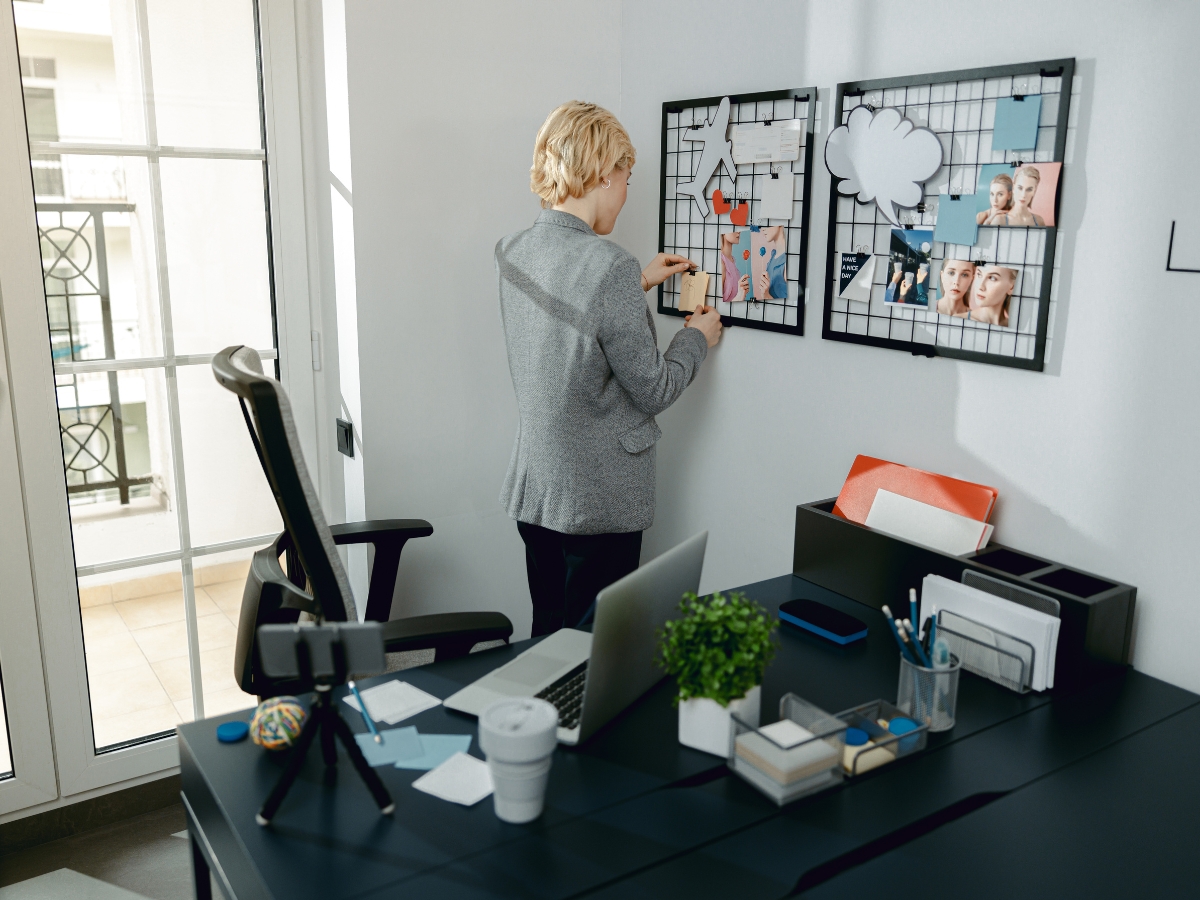
Putting together a mood board is less about artistic skill and more about organizing ideas in a clear way. When you follow a simple process, it becomes easier to turn scattered inspiration into a plan you can actually use. A structured and step-by-step approach also helps you avoid second-guessing your choices later in the project.
The goal is to move from broad inspiration to a focused visual direction. As you refine your mood board, it should start to reflect not just what you like, but what works together.
How To Gather And Organize Design Inspiration And Remodeling Ideas
The first step in building a mood board is collecting ideas. At this stage, it helps to stay open and gather more than you think you need. You are not making final decisions yet, just exploring what stands out.
Pinterest is a useful tool for this phase. You can create separate boards for different aspects of your project, such as color schemes, layouts, or materials. This keeps your ideas organized while still allowing you to explore different directions.
You can also look through home décor blogs or remodeling articles to see how others approach similar spaces. These sources often show how different elements come together, which can help you think beyond individual pieces.
Home improvement shows can be another helpful reference. Watching how spaces are transformed can give you a better sense of what works in real settings, not just in staged photos. As you gather ideas, focus on saving anything that feels consistent with the direction you want to take.
What Are The Sequential Steps To Assemble And Refine Your Mood Board?
Once you have collected enough inspiration, the next step is to shape it into something more intentional. This is where your mood board starts to take form.
- Define your style. Look at the images you saved and identify common themes. You might notice a preference for certain finishes, layouts, or overall moods. This helps you narrow your focus.
- Choose a color palette. Select a few core colors that appear repeatedly in your inspiration. These will guide the rest of your decisions and help create a cohesive look.
- Select key materials. Bring in samples or images of materials that fit your chosen style and colors. This might include wood tones, tile options, or fabrics.
- Arrange your elements. Place your images, colors, and materials together so you can see how they interact. This step is important because it reveals whether your choices feel balanced.
- Refine your selections. Remove anything that feels out of place and adjust your choices until the mood board feels consistent.
This process is not always linear. You may go back and adjust earlier steps as you see how everything comes together. That is part of building a mood board that actually works.
How To Keep Your Mood Board Focused And Useful
As your mood board develops, it helps to stay selective. Including too many ideas can make it harder to see a clear direction. Instead, focus on the elements that best represent the space you want to create.
If something stands out but does not quite fit, it is usually better to remove it. A strong mood board is not about including everything you like, but about choosing what works together.
It can also help to revisit your mood board after a short break. Looking at it with fresh eyes can make it easier to spot inconsistencies or areas that need adjustment.
How To Incorporate Style And Interior Design Concepts Into Your Mood Board
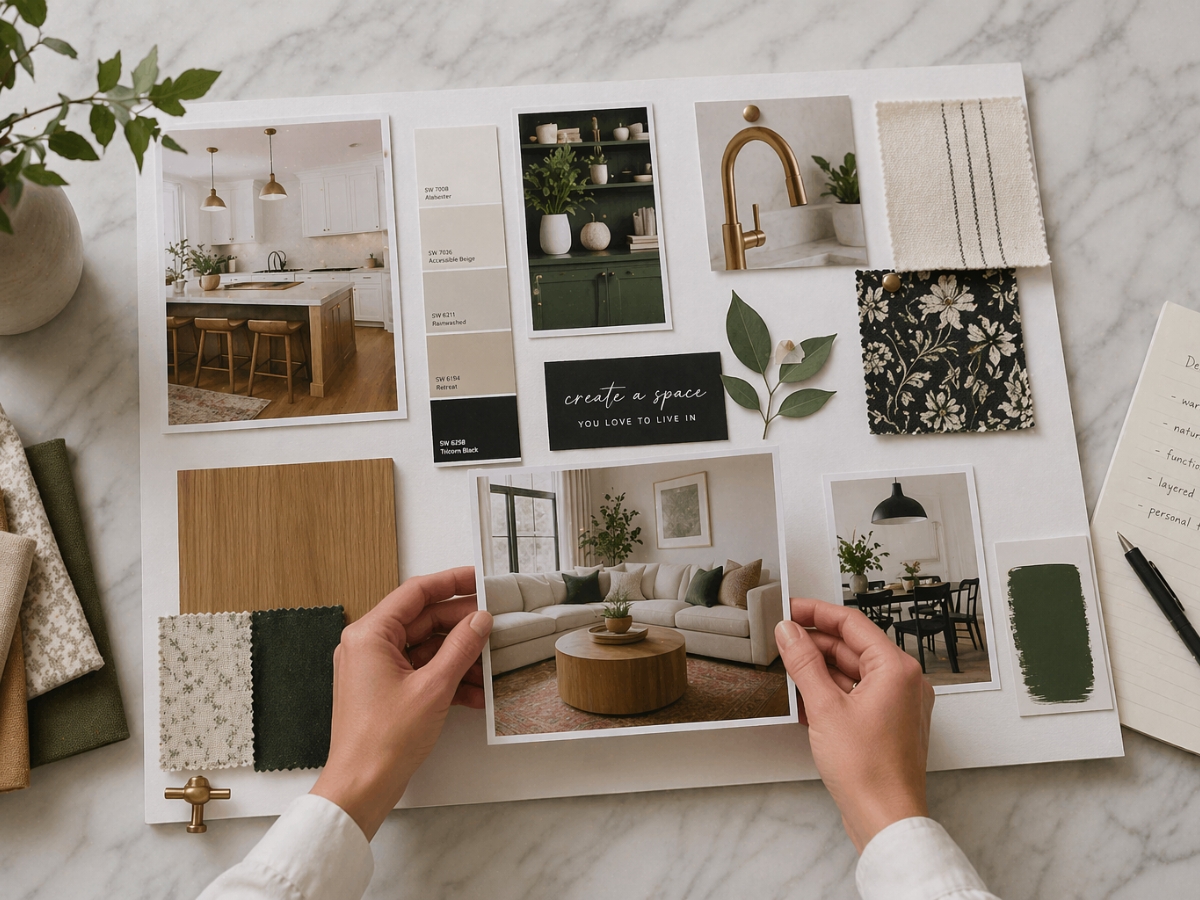
Bringing style and interior design concepts into your mood board helps turn scattered ideas into something more intentional. Instead of collecting random inspiration, you begin to shape a clear direction that reflects how you want the space to feel and function.
A well-built mood board does more than look good. It connects your preferences with practical design decisions, which makes it easier to move forward with confidence during a remodel. When you take the time to define style early, your mood board becomes a guide rather than just a collection of images.
What Are Popular Design Styles To Consider For Remodeling Projects?
Understanding a few core design styles can make it easier to organize your ideas. Most people naturally lean toward a certain look, even if they have not named it yet. As you review inspiration for your mood board, patterns tend to appear.
Some of the most common styles include:
- Traditional style focuses on classic details, layered textures, and deeper color tones. It often feels more formal and grounded, with an emphasis on symmetry and familiar materials.
- Modern style takes a simpler approach, using clean lines, open space, and a more neutral palette. It tends to feel uncluttered and practical without sacrificing visual interest.
- Transitional style sits between the two, combining the structure of traditional design with the simplicity of modern elements. This approach works well for homeowners who want something balanced and flexible.
As you build your mood board, you do not have to commit to just one style. Many successful designs borrow elements from multiple styles, but there should still be a sense of consistency. If your selections start to feel disconnected, it may help to narrow your focus again.
How To Translate Design Style Into Your Mood Board
Once you have a general sense of style, the next step is applying it to your mood board in a way that feels cohesive. This is where your choices begin to work together instead of competing for attention.
Start by selecting images that clearly reflect your preferred style. Look for repeating features such as similar finishes, furniture shapes, or lighting styles. These small details help reinforce the overall direction of your mood board.
Next, layer in materials and textures that support that style. For example, a modern space might lean toward smooth surfaces and subtle contrast, while a more traditional space might include richer wood tones and decorative elements. Seeing these materials alongside your images helps you understand how the final space might come together.
How To Align Your Mood Board With Your Remodeling Goals
A mood board should not just reflect style. It should also support what you want to achieve in your space. This is where many people lose direction, especially if they focus only on aesthetics without thinking about function.
Begin by defining your main goal. You might want a more open layout, better storage, or a space that feels calmer and easier to use. Once you are clear on that, your mood board should start to reflect those priorities.
It also helps to think about what is not working in your current space. If lighting feels too harsh, your mood board might include softer lighting ideas. If the space feels cramped, you may lean toward lighter colors and simpler layouts.
Color plays a key role here. Instead of choosing colors based only on preference, look at how they support your goal. Lighter tones can make a room feel more open, while darker shades can create a more contained and comfortable atmosphere.
What Common Mistakes Should Be Avoided When Creating A Remodeling Mood Board?
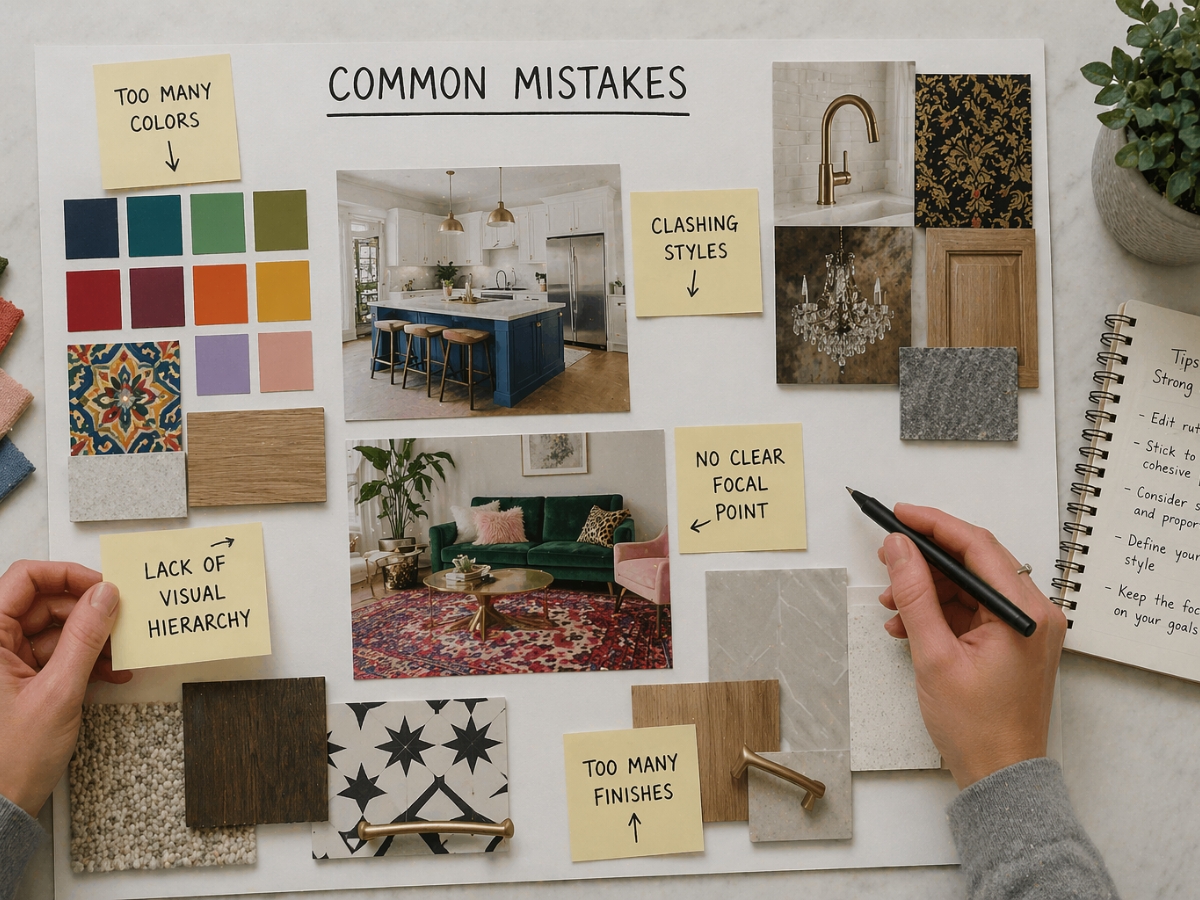
Putting together a mood board is usually an enjoyable part of the remodeling process, but it is easy to lose direction without realizing it.
Many homeowners start with a clear idea and end up with something that feels scattered or overly complicated. The goal of a mood board is not to collect as many ideas as possible, but to narrow them into something usable.
A strong mood board should feel focused and intentional. When it starts to feel crowded or inconsistent, it becomes harder to make decisions later on. Avoiding a few common mistakes can make the entire process smoother and more effective.
How To Prevent Overcomplicating Your Mood Board Design
One of the most common issues is trying to include too much. It is tempting to save every image or idea that stands out, but this quickly leads to a mood board that lacks clarity. Instead of helping guide your project, it can create confusion.
A better approach is to start with a simple foundation. Choose a color palette early on and let that guide your selections. This keeps everything connected and reduces the chance of adding elements that do not fit.
It also helps to stay selective. If something does not clearly support your overall vision, it probably does not belong on your mood board. Editing your choices as you go is just as important as gathering them in the first place.
Visual balance matters as well. A mood board should be easy to look at and understand at a glance. When too many competing ideas are placed side by side, it becomes harder to see how the space will actually come together. Keeping things streamlined allows each element to serve a purpose.
Why Simplicity Leads To Better Design Decisions
Keeping your mood board simple does not mean limiting creativity. It means giving your ideas room to work together. When your board is clear, it becomes easier to make decisions about finishes, furniture, and layout later on.
A focused mood board also helps when sharing your ideas with others. Whether you are working with a designer or making decisions on your own, a clear visual direction reduces second-guessing and unnecessary changes.
In many cases, the best mood board is not the one with the most elements, but the one where everything feels connected.
What Are The Pitfalls In Color And Material Selection To Watch For?
Color and material choices often create the biggest challenges. Even when individual selections look good on their own, they may not work well together. This is where many mood boards start to lose consistency.
One common mistake is rushing the process. Colors can look very different depending on lighting, surrounding finishes, and the size of the space. Taking time to compare options side by side can prevent costly changes later.
Another issue is overlooking how materials will actually perform over time. A finish that looks great in a photo may not hold up well in a busy household. Durability, maintenance, and texture should all be considered alongside appearance.
Compatibility is just as important. Materials and colors should support each other rather than compete. For example, combining too many bold tones or contrasting finishes can make a space feel unbalanced. A more consistent approach tends to create a calmer and more cohesive result.
How To Keep Your Mood Board Practical And Cohesive
A successful mood board does more than capture inspiration. It reflects real decisions that can be carried through the entire project. That means balancing style with practicality from the beginning.
As you refine your mood board, look at how each element connects to the next. Colors should flow naturally, materials should feel consistent, and the overall direction should remain clear. If something feels out of place, it is usually worth revisiting.
By avoiding these common mistakes, your mood board becomes a reliable guide rather than just a collection of ideas. It helps you stay focused, make confident choices, and move through your remodeling project with a clearer sense of direction.
Conclusion
Creating a mood board for your remodeling project is more than just a fun design exercise—it’s a powerful tool that clarifies your vision, streamlines decision-making, and ensures every element of your space works in harmony.
From color palettes and material samples to inspirational images and texture swatches, a well-crafted mood board serves as your roadmap, helping you communicate your ideas clearly and confidently to your design team.
When you’re ready to transform that vision into reality, trust the home remodeling expertise of FD Remodeling Atlanta & Marietta. Ready to bring your dream space to life? Call 404-857-5582 or submit your project details through our online form for a consultation. Let our team help you turn your inspiration into a beautifully crafted home you’ll love for years to come.