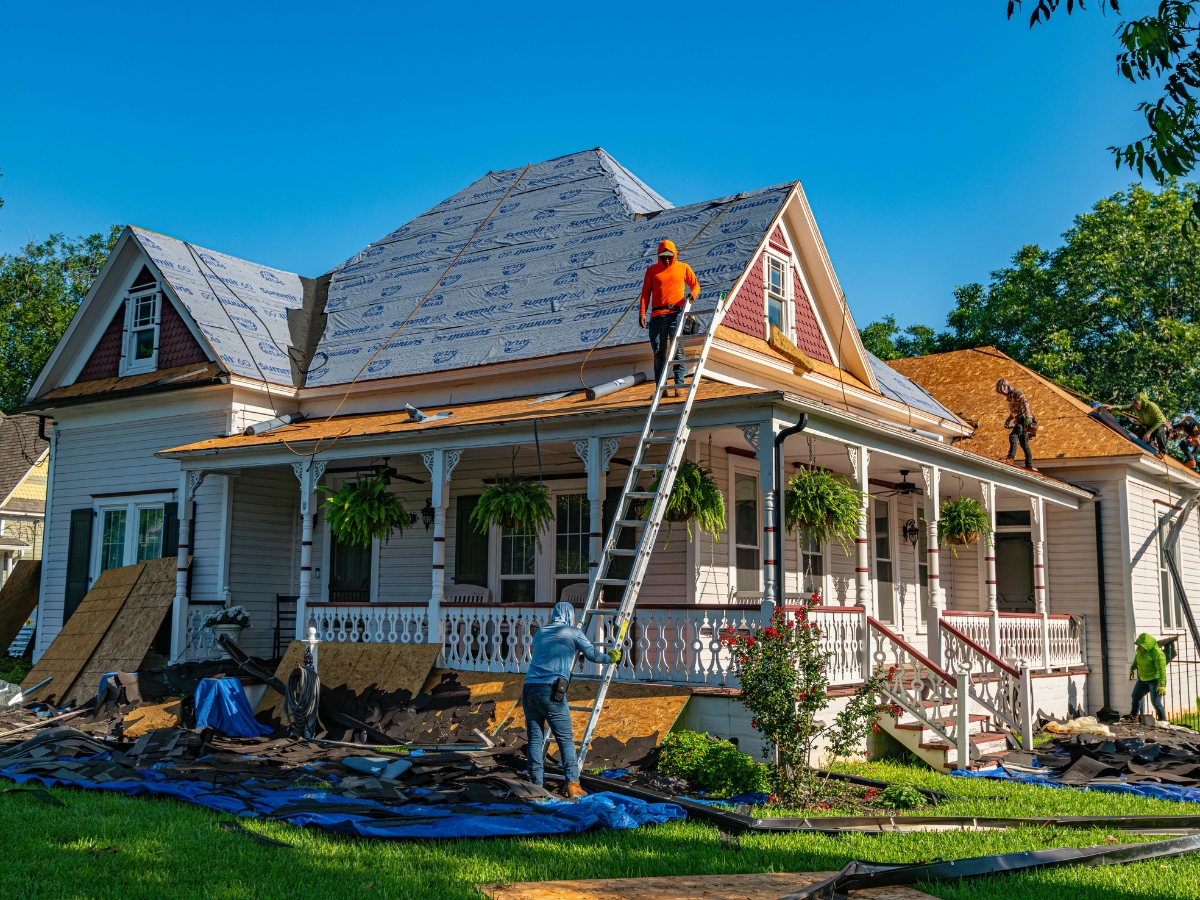
Renovating a historic home in Atlanta can be both rewarding and complex. These properties carry architectural character and cultural significance, but updating them requires careful planning to preserve their original features. From Victorian houses in Inman Park to Craftsman bungalows throughout the city, historic renovations demand a balance between restoration and modernization.
Homeowners often face strict preservation guidelines, specialized materials, and structural challenges that aren’t common in newer homes. Outdated wiring, aging foundations, and limited design flexibility can add layers of complexity to the process.
Understanding the guidelines and challenges involved in renovating historic homes in Atlanta helps ensure improvements respect the home’s heritage while still creating a comfortable, functional space for modern living.
How to Modernize Historic Homes Without Losing Their Charm
What Are The Key Atlanta Historic District Regulations For Home Renovation?
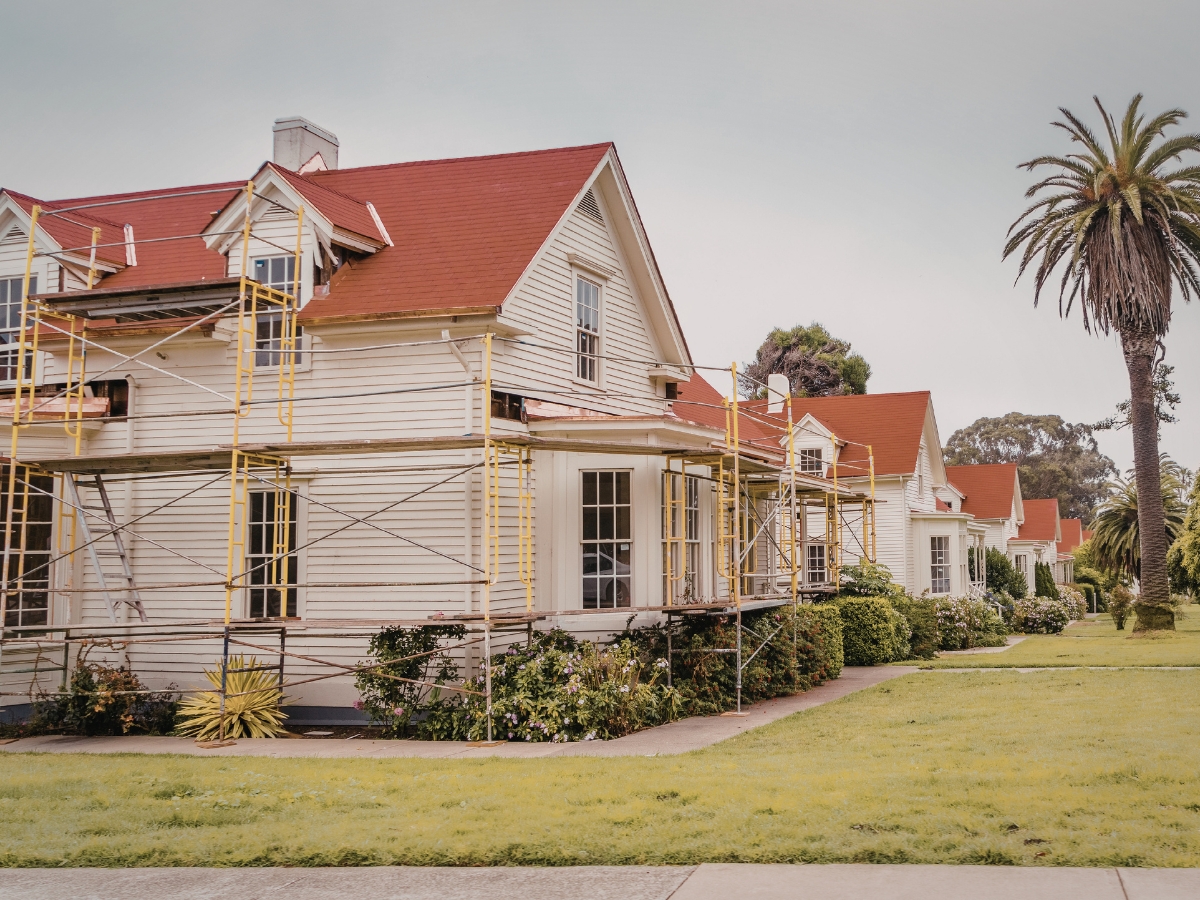
Renovating historic homes in Atlanta requires careful attention to preservation regulations. Many neighborhoods across the city are designated historic districts, which means renovations must follow specific guidelines intended to protect architectural character and cultural significance. These regulations help ensure that historic homes remain consistent with the original style and historical context of the surrounding neighborhood.
Before making structural changes, homeowners typically need approval from local preservation authorities. This review process helps confirm that renovations respect the historical appearance of the property. Projects involving exterior alterations, additions, or demolition often require permits and design approval before work can begin.
Understanding these regulations early in the planning process helps avoid delays and ensures that renovations align with preservation goals. When property owners become familiar with the requirements that apply to historic homes, they can plan updates that maintain both function and historical value.
Understanding Atlanta’s Historic District Guidelines
Atlanta has several locally designated historic districts, each with design guidelines that influence how historic homes can be renovated. These guidelines are intended to maintain the visual character of the neighborhood while allowing homeowners to repair and update their properties.
Design standards often address features such as exterior materials, roof shapes, window styles, and building proportions. In many cases, renovations must preserve the original architectural details that define historic homes. Changes that significantly alter the appearance of a property may require additional review or modification before approval.
Historic district guidelines commonly focus on preserving features such as:
- Original facades and exterior architectural details
- Historically appropriate building materials
- Landscape features that contribute to the district’s character
These standards are not meant to prevent renovation. Instead, they guide how updates are carried out so that historic homes remain consistent with the surrounding environment. By maintaining these elements, neighborhoods retain the character that led to their historic designation.
Historic Districts With Preservation Requirements
Atlanta includes several well known historic districts where preservation guidelines influence renovation decisions. Each district has its own architectural history and design priorities, which shape the rules applied to renovation projects.
Inman Park is one of Atlanta’s oldest planned neighborhoods and is widely recognized for its Victorian era architecture. Renovations in this area often focus on maintaining decorative details, original materials, and the overall structure of historic homes.
Grant Park includes a mix of architectural styles developed during the late nineteenth and early twentieth centuries. Preservation guidelines in this district often emphasize protecting historic features while allowing careful restoration and repair.
The Old Fourth Ward is another historic area where renovation projects must balance preservation with neighborhood growth. While restoration of historic homes is encouraged, new construction and additions must remain visually compatible with the surrounding buildings.
These districts illustrate how preservation standards help protect neighborhood identity while still allowing homes to evolve over time.
The Role Of Atlanta Preservation Commissions
Preservation commissions play a key role in reviewing renovation plans within historic districts. These commissions are responsible for evaluating proposed changes to historic homes and ensuring that projects meet established guidelines.
When homeowners plan exterior modifications or structural changes, they usually submit an application for review. The commission evaluates the proposal to determine whether it preserves the historical character of the property and the surrounding district.
This process typically involves reviewing architectural drawings, materials, and design details. If adjustments are needed, the commission may request modifications before granting approval.
Working with preservation commissions early in the planning process often makes renovations smoother. By discussing ideas with reviewers before finalizing designs, homeowners can address potential concerns and avoid delays during construction.
Planning Renovations For Historic Homes
Renovating historic homes requires balancing modern needs with architectural preservation. While homeowners may want to update interiors or improve functionality, exterior changes often require careful consideration.
Planning ahead and understanding historic district regulations can make renovation projects more successful. By respecting design guidelines and working with preservation authorities, property owners can maintain the unique character that makes historic homes valuable to both residents and the broader community.
Through thoughtful planning and attention to historical detail, renovation projects can preserve the heritage of Atlanta’s historic districts while allowing homes to remain comfortable and functional for modern living.
How To Navigate Preservation Guidelines And Compliance In Atlanta Historic Home Renovation?

Renovating historic homes in Atlanta involves more than standard construction planning. Many properties are located within designated historic districts, which means renovations must follow preservation guidelines established to protect the architectural identity of these neighborhoods. Understanding these rules early can help homeowners plan updates while avoiding delays during the approval process.
Historic district guidelines are designed to preserve the visual character and historical value of older properties. When changes affect the exterior of historic homes, property owners usually need to submit renovation plans for review before work begins.
This process allows preservation authorities to confirm that proposed changes remain consistent with the architectural style of the district.
Homeowners who take time to understand these requirements often find that renovation projects move forward more smoothly. Planning with preservation standards in mind allows historic homes to be updated while still maintaining their original character.
Working With Experienced Contractors And Preservation Authorities
One of the most practical steps in renovating historic homes is working with professionals who understand preservation guidelines. Contractors experienced with historic renovation projects are often familiar with the materials, construction methods, and regulatory requirements that apply in historic districts.
These professionals can help homeowners interpret local regulations and prepare designs that align with preservation standards. Because historic homes often contain unique architectural features, experienced contractors can also recommend ways to repair or restore original elements rather than replacing them unnecessarily.
Collaboration with preservation authorities also plays an important role in the process. Many homeowners find it helpful to communicate with local preservation commissions during the early planning stages. These conversations can clarify expectations and help identify potential concerns before formal applications are submitted.
When homeowners work closely with contractors and regulatory bodies, renovation plans are more likely to meet district requirements and receive approval without major revisions.
Steps For Obtaining Renovation Permits
Permits are typically required when renovating historic homes in Atlanta, especially when work involves exterior alterations or structural changes. The permitting process allows preservation commissions to review renovation proposals and confirm that they follow district guidelines.
Several steps are commonly involved when applying for renovation permits in historic districts:
- Reviewing local regulations that apply to the property’s historic district
- Preparing documentation such as architectural plans and project descriptions
- Submitting the application for review by the appropriate preservation authority
These steps allow review boards to evaluate whether the renovation respects the historical appearance of the property. Depending on the project, homeowners may need to provide drawings, photographs, or material samples that illustrate the planned changes.
Once submitted, the proposal is reviewed to determine whether it aligns with preservation guidelines. If adjustments are needed, the commission may request modifications before granting final approval.
Although the process can take time, it helps ensure that historic homes maintain their architectural integrity while still allowing appropriate updates.
Preservation Standards That Guide Renovations
Renovation projects in historic districts must follow established preservation standards. These standards focus on protecting the defining architectural features that give historic homes their historical and visual significance.
A key principle involves preserving original elements whenever possible. Features such as windows, moldings, doors, and exterior materials often contribute to the historical value of a home. Repairing these components instead of replacing them helps maintain the authenticity of the structure.
When materials must be replaced, preservation guidelines usually encourage using options that closely match the original design. This ensures that updates remain visually consistent with the rest of the building.
Structural integrity is another important consideration. Renovations should strengthen the building without altering the features that define its historical appearance.
Preserving The Character Of Historic Homes
Renovating historic homes requires balancing modern improvements with preservation responsibilities. By understanding district guidelines, working with knowledgeable professionals, and preparing accurate permit applications, homeowners can complete renovations that respect the historical character of their property.
Historic districts exist to protect the architectural heritage of communities. Thoughtful renovation projects allow these homes to remain functional while continuing to represent the history and design traditions that make them unique.
What Are The Common Challenges In Renovating Historic Homes In Atlanta?
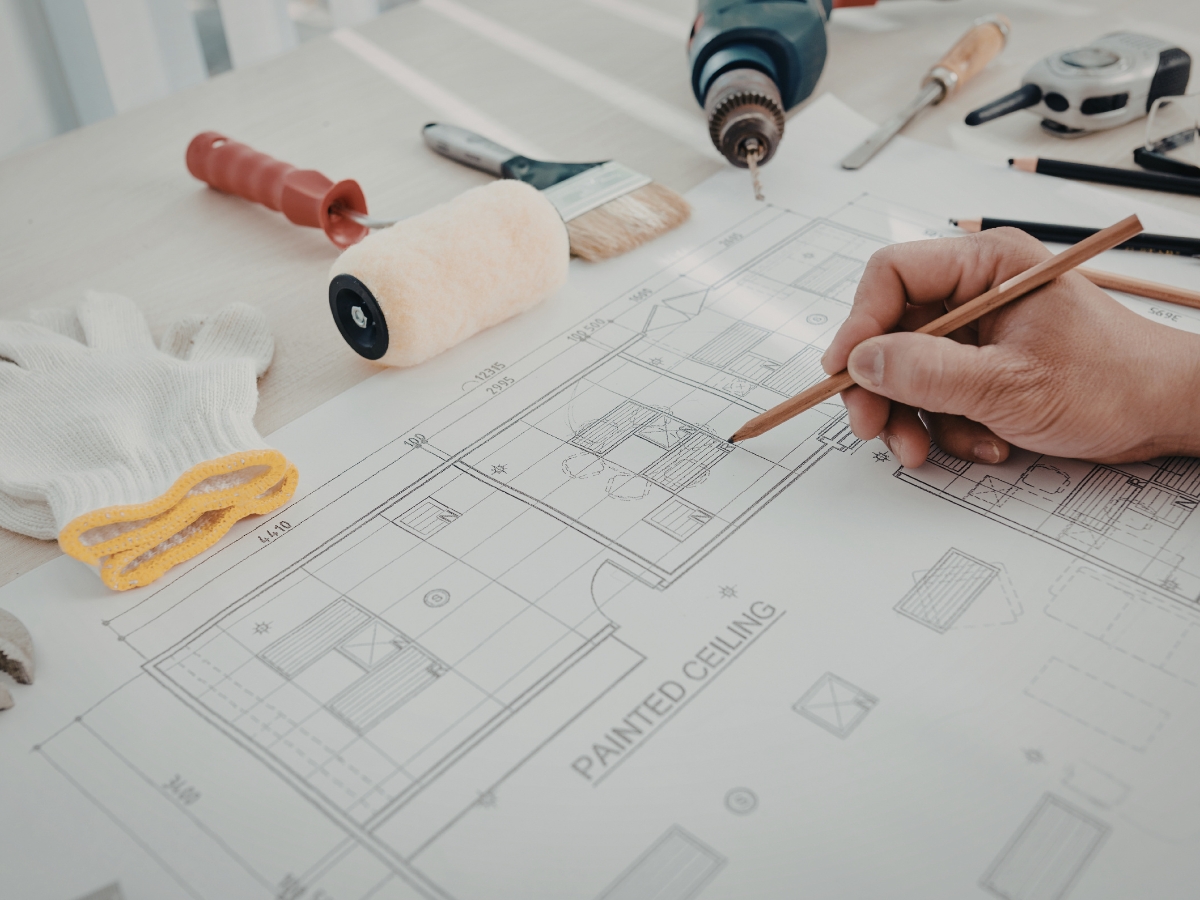
Renovating historic homes in Atlanta can be rewarding, but it often comes with unique challenges. These properties were built decades ago, sometimes more than a century in the past, and the materials and construction methods used at that time can differ significantly from modern building standards.
Because of this, renovation projects often involve careful planning, detailed inspections, and thoughtful restoration work.
Historic homes may contain architectural features that must be preserved while also requiring updates for safety, comfort, and efficiency. Homeowners frequently need to balance modern improvements with preservation requirements. This balance can affect timelines, material choices, and the overall scope of the renovation.
Two of the most common challenges involve addressing structural issues and locating materials that match the original design of the home. Both factors can influence the complexity and cost of renovation projects.
Structural Issues In Historic Home Restoration
Structural stability is one of the first concerns when renovating historic homes. Buildings that have been standing for many decades often develop wear that may not be immediately visible. Before starting major work, inspections are usually necessary to identify areas that need repair.
Several structural issues appear frequently in older properties.
- Foundations may shift or settle over time, which can affect the stability of the entire structure
- Roofing systems can deteriorate with age, increasing the risk of leaks and water damage
- Walls may develop cracks or bowing that signal underlying structural stress
Foundation movement is particularly important to address early in the renovation process. Even minor shifts can affect floors, walls, and door frames throughout the house. Repairing these issues helps stabilize the structure before other improvements are made.
Roofing also plays a major role in protecting historic homes. Older roofs may have reached the end of their lifespan, and water infiltration can damage interior materials and framing. Replacing or reinforcing the roof helps protect the rest of the renovation work.
Wall stability is another area that may require attention. Cracks in plaster or masonry can indicate structural changes over time. Identifying the cause of these problems allows contractors to make repairs that maintain the integrity of the building.
Careful inspections and early structural repairs help create a stable foundation for the rest of the renovation project.
Challenges In Finding Authentic Materials
Another difficulty when renovating historic homes involves sourcing materials that match the original design. Many materials used in older construction are no longer produced in the same way, which can make replacements difficult to find.
Original brick styles, wood trim profiles, and window components may not be readily available through standard suppliers. In some cases, homeowners must search for specialty manufacturers or salvaged materials that resemble the originals.
Several factors contribute to the difficulty of locating appropriate materials.
- Certain historical building materials are no longer widely manufactured
- Authentic replacements can be more expensive than modern alternatives
- Specialized suppliers may be limited and require additional research
Because of these challenges, planning ahead becomes essential. Homeowners often begin sourcing materials early in the renovation process so that construction timelines are not delayed.
Reclaimed materials are sometimes used to preserve the appearance of historic homes. Salvaged doors, windows, and architectural details can provide a close match to the original features while maintaining historical character.
Planning for a Successful Historic Home Renovation
Renovating historic homes requires patience and careful decision-making. Structural repairs, material sourcing, and preservation requirements all influence how renovation projects move forward.
By identifying potential issues early and working with experienced professionals, homeowners can address these challenges more effectively. Thoughtful planning helps ensure that improvements strengthen the structure while preserving the architectural character that makes historic homes unique.
With the right preparation, renovation projects can maintain the heritage of historic homes while allowing them to function comfortably in the present day.
How Can Energy Efficiency Be Improved In Historic Home Renovations?

Improving energy efficiency is often a major goal when renovating historic homes. Older buildings were constructed long before modern insulation standards and energy-efficient systems became common.
As a result, many historic homes lose heat during the winter and struggle to stay cool during warmer months. Renovation projects provide an opportunity to address these issues while still preserving the architectural character of the property.
Energy upgrades in historic homes usually focus on reducing energy loss while maintaining the appearance of original design elements. Careful planning allows homeowners to improve comfort and reduce utility costs without changing the features that give these properties their historical value.
Several renovation strategies can improve efficiency while respecting the structure and materials of historic homes.
- Improving insulation in attics and walls to reduce heat transfer
- Installing window systems that match traditional designs while improving thermal performance
- Using modern energy management systems to regulate heating and cooling
When these improvements are introduced thoughtfully, historic homes can perform more efficiently while maintaining their original architectural character.
Insulation Improvements In Historic Homes
One of the most effective ways to improve energy efficiency in historic homes is by addressing insulation. Many older houses were built with minimal insulation, which allows indoor temperatures to fluctuate more easily.
Attic insulation is often one of the first upgrades considered during renovation. Because warm air rises, poorly insulated attics can lead to significant heat loss in colder seasons. Adding insulation in this area helps maintain a more stable indoor temperature throughout the year.
Wall insulation may also be added in some situations, though this process requires careful planning. Older walls may contain materials or construction methods that require specialized installation techniques. By selecting insulation that fits the structure without altering exterior features, homeowners can improve efficiency while preserving the look of historic homes.
These upgrades often reduce heating and cooling demands, making indoor spaces more comfortable during seasonal temperature changes.
Window And Structural Efficiency Improvements
Windows are another important factor in energy performance. Many historic homes contain original windows that contribute to their architectural character but may allow air leakage. Renovation projects sometimes address this issue by restoring or upgrading window systems.
Energy-efficient windows designed for historic homes can replicate traditional shapes and frame styles while improving insulation. Double-glazed units and carefully fitted storm windows can help reduce drafts without altering the appearance of the home.
Improving air sealing around doors, windows, and structural gaps can also increase efficiency. Small improvements in sealing and insulation often make a noticeable difference in how well historic homes retain conditioned air.
By focusing on these upgrades, homeowners can improve indoor comfort while protecting the visual features that define the property.
Smart Technology And Energy Management
Modern technology can also support energy efficiency in historic homes. Smart thermostats and automated climate systems allow homeowners to manage heating and cooling more effectively.
These systems adjust temperatures based on occupancy patterns, which helps reduce unnecessary energy use. Instead of maintaining the same temperature all day, smart systems regulate energy use according to household routines.
Because these technologies typically operate through interior systems rather than exterior modifications, they can be installed without affecting the appearance of historic homes. This makes them a practical solution for improving efficiency while preserving historical details.
Financial Incentives For Energy Improvements
Homeowners renovating historic homes may also have access to financial incentives that support energy improvements. Some utility companies offer rebates for upgrades such as insulation improvements or energy-efficient window installations.
Federal programs may provide tax credits for qualifying energy efficiency improvements when projects meet certain standards. State and local preservation initiatives sometimes offer additional incentives for renovations that improve energy performance while maintaining historical character.
Exploring available programs can help offset renovation costs while supporting long-term efficiency improvements.
Balancing Efficiency And Preservation
Renovating historic homes often involves balancing modern performance with historical preservation. Energy upgrades must be carefully selected so that they enhance efficiency without altering defining architectural features.
With thoughtful planning, homeowners can improve insulation, update systems, and introduce modern energy management tools while maintaining the design and character that make historic homes unique.
What Are Effective Historic Home Remodeling Tips For Atlanta Homeowners?
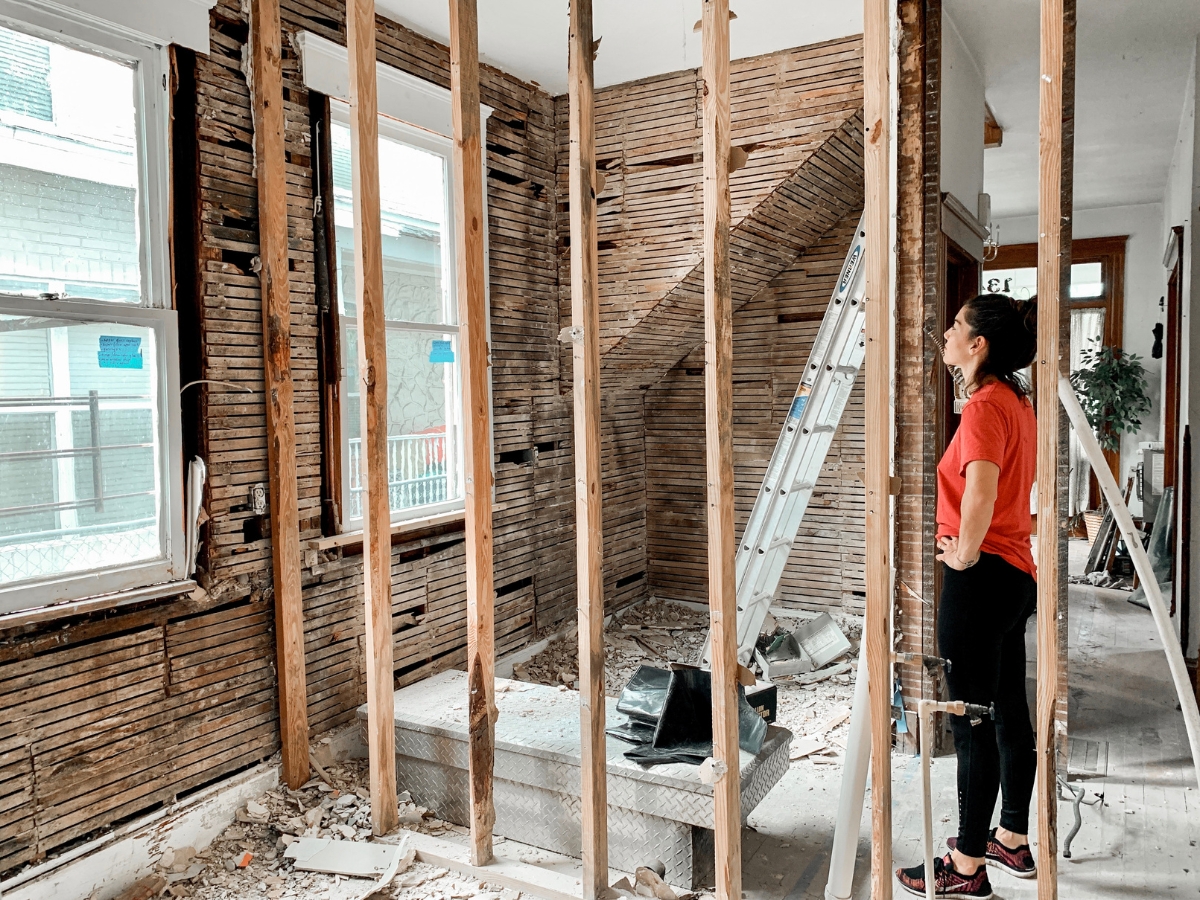
Remodeling historic homes requires a thoughtful approach that respects both the structure and its history. Many of these properties were built decades ago, often using materials and construction techniques that differ from modern building practices.
When renovation projects begin, homeowners must balance the need for improvements with the responsibility of preserving architectural character.
Planning plays an important role in successful renovation work. Historic homes often include original details such as wood trim, decorative windows, and unique floor plans that contribute to the identity of the building. Careful renovation can preserve these elements while updating the home for modern living.
Several practical strategies help guide the remodeling process. These approaches allow historic homes to maintain their character while adapting to present-day needs.
- Working with contractors experienced in historic renovation projects
- Preserving architectural features that define the original design
- Obtaining permits required for work in historic districts
Following these principles can help homeowners avoid costly mistakes and maintain the historical value of their properties.
Working With Experienced Contractors
Selecting the right professionals is often one of the most important decisions in a renovation project. Contractors who specialize in historic homes understand the construction methods and materials used in older buildings. Their experience can help identify which elements should be restored, repaired, or carefully replaced.
Historic homes sometimes contain structural features that require specialized handling. For example, original hardwood floors, plaster walls, and traditional window frames often need restoration rather than full replacement. Contractors familiar with historic work can recommend techniques that maintain the authenticity of these materials.
They are also more likely to understand preservation requirements that apply within historic districts. By working with professionals who have experience in this area, homeowners can avoid unnecessary changes that might conflict with local guidelines.
Preserving Architectural Character
One of the main goals when remodeling historic homes is preserving the architectural details that give the property its character. These features often include moldings, window shapes, exterior siding, and decorative elements that reflect the design period of the house.
During renovation, preserving these details helps maintain the visual identity of the property. Instead of removing original features, restoration techniques can bring them back to life. Refinishing woodwork, repairing original windows, and restoring decorative trim are examples of ways to maintain authenticity.
Preserving these elements also contributes to the overall value of historic homes. Buyers and residents often appreciate the craftsmanship and design details found in older properties, especially when they are maintained carefully.
Balancing Modern Comfort With Historic Style
While preserving historical details is important, many homeowners also want to improve comfort and functionality. Updating kitchens, bathrooms, and mechanical systems can make historic homes more practical for modern living.
Balancing these goals often requires creative design solutions. Interior updates can introduce modern appliances, lighting, and energy-efficient systems without affecting the historic appearance of the home. When changes are carefully integrated, the overall design remains consistent with the property’s original style.
Using design choices that complement the existing architecture is another helpful approach. Materials, colors, and finishes that reflect the home’s historical period can help modern improvements blend naturally with older features.
This type of design balance allows homeowners to enjoy contemporary conveniences while maintaining the charm that defines historic homes.
Learning From Successful Renovation Projects
Atlanta includes many examples of historic homes that have been successfully renovated. In these projects, careful planning allowed homeowners to restore key architectural details while updating interior spaces for everyday use.
Some renovations focus on restoring exterior features while modernizing interior layouts. Others emphasize preserving traditional materials such as brick, wood, and stone while improving energy efficiency and structural stability.
These examples show that thoughtful renovation can extend the life of historic homes without compromising their identity. When homeowners combine preservation awareness with practical upgrades, the result is often a property that reflects both history and modern comfort.
Preserving The Future Of Historic Homes
Remodeling historic homes requires patience, planning, and attention to detail. By respecting architectural features, working with experienced professionals, and integrating modern improvements carefully, homeowners can achieve renovations that support both preservation and comfort.
With the right approach, historic homes can remain functional and attractive while continuing to represent the architectural heritage that makes them unique.
Conclusion
Renovating a historic Atlanta home is a labor of love that requires balancing modern functionality with the preservation of architectural character that makes these properties so special.
Navigating local preservation guidelines, sourcing period-appropriate materials, and addressing unique structural challenges demands specialized expertise and a deep appreciation for craftsmanship. For sensitive, knowledgeable renovation of your historic home, trust FD Remodeling Atlanta & Marietta.
Ready to honor your home’s history while creating its future? Call 404-857-5582 or submit your project details through our online form for a consultation. Let’s preserve the past while building for generations to come.