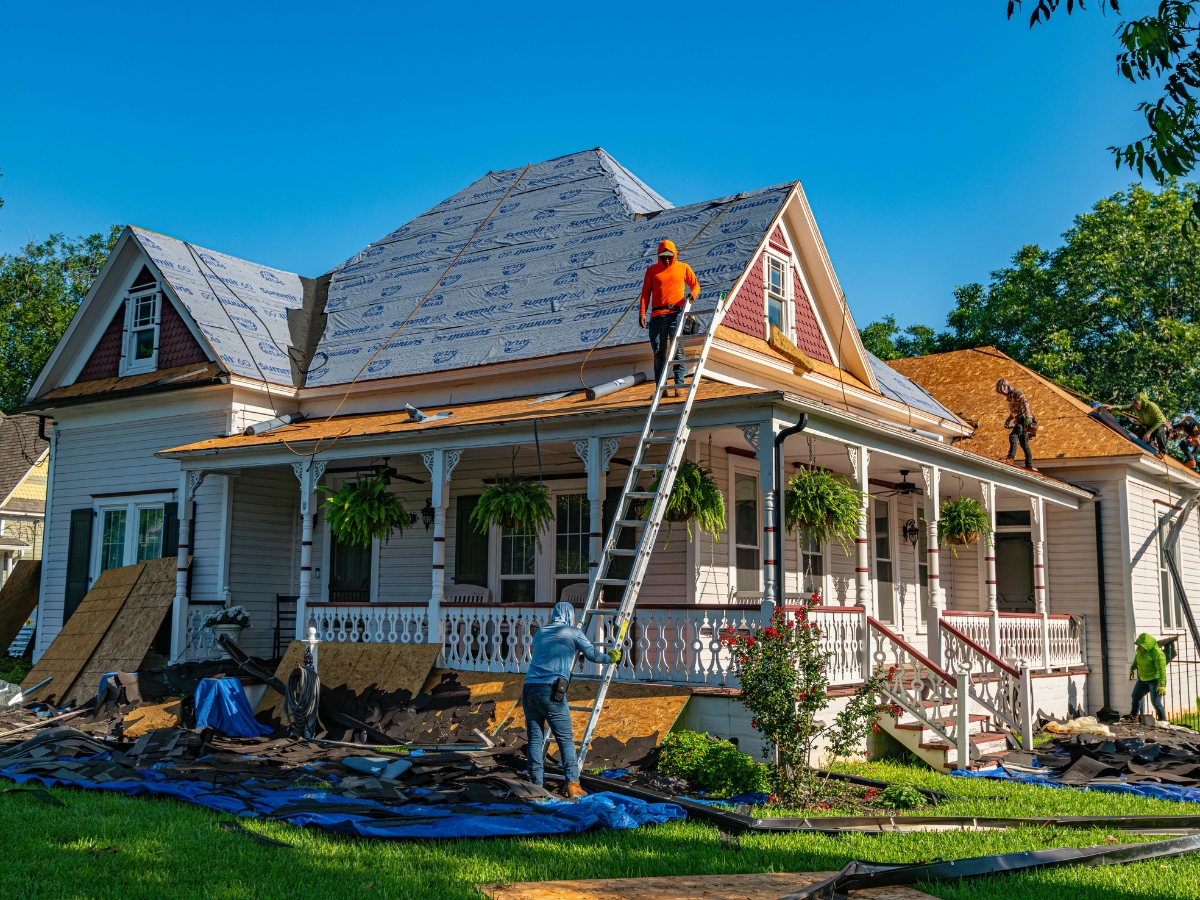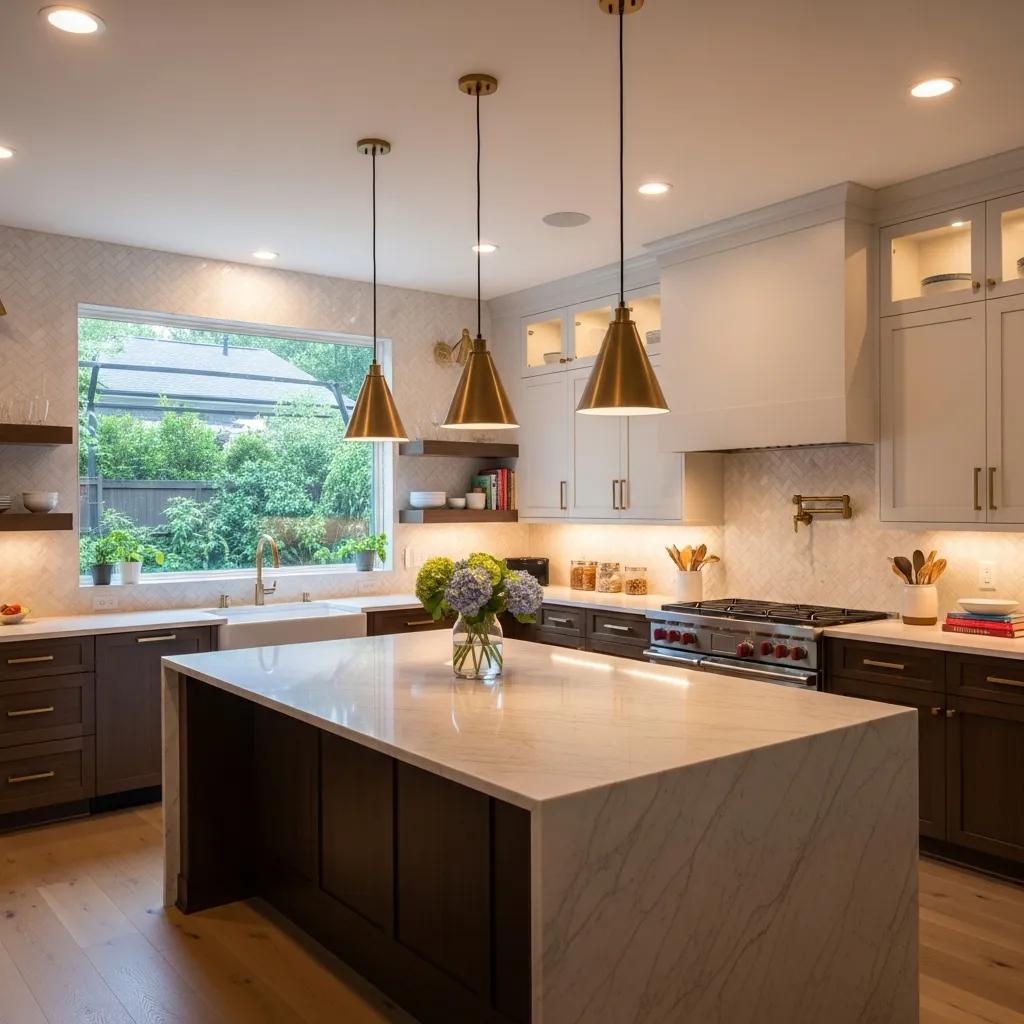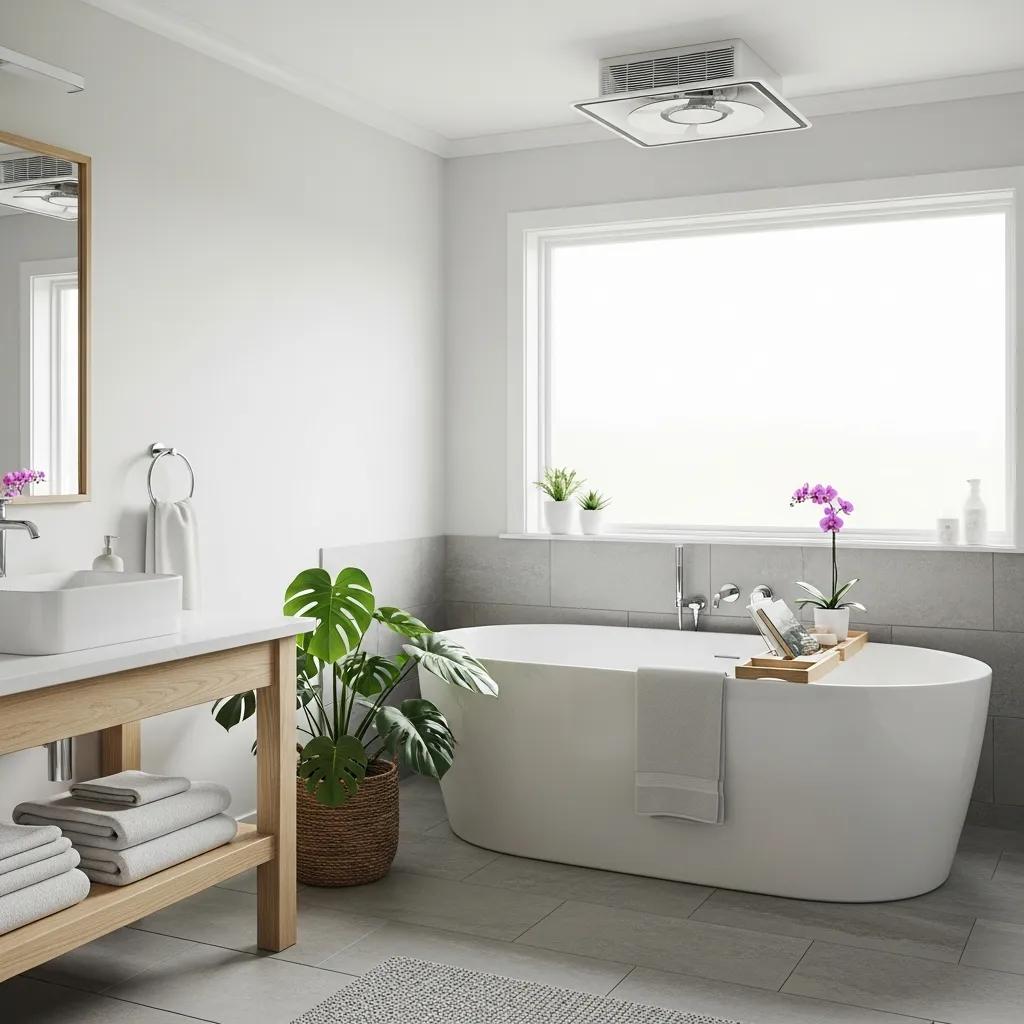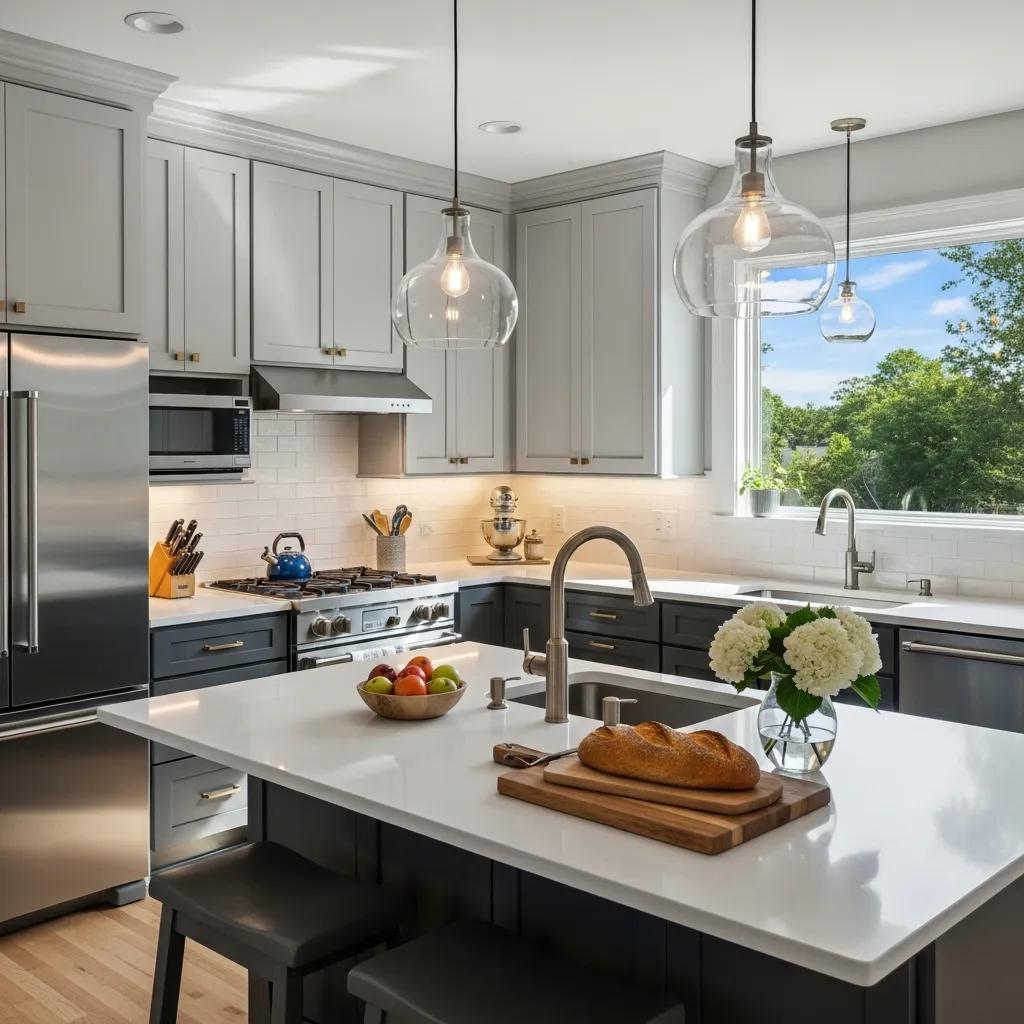
Pets are part of the household, yet many remodels overlook how a space functions for them day to day. Scratched floors, limited storage for supplies, and hard-to-clean surfaces can quickly become ongoing frustrations. Knowing what to include in a remodel for better pet friendly design helps create a home that works for both people and animals without sacrificing style.
Thoughtful upgrades like durable flooring, built-in feeding stations, designated sleeping areas, and easy-access washing zones can make daily routines smoother. Materials that resist stains, odors, and wear also help maintain a clean, comfortable environment.
By planning with pets in mind from the start, your remodel can support convenience, cleanliness, and long-term durability while still reflecting your overall design vision.
Pet Friendly Design Tips for a Safer, Happier Home
Which Pet Safe Materials And Flooring Options Best Suit Your Remodel?
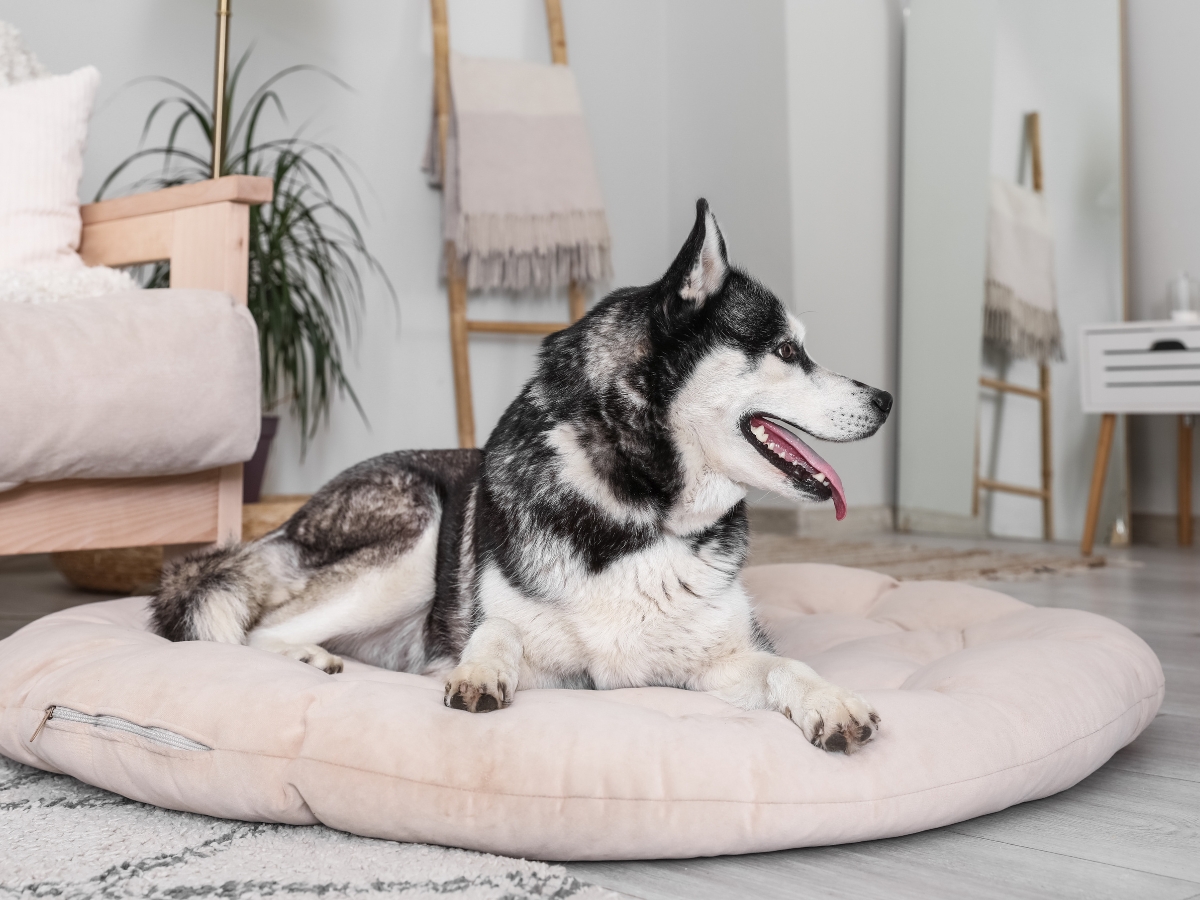
Choosing the right materials is a big part of creating a comfortable and functional home for both people and pets. A well-planned pet friendly design should focus on durability, safety, and ease of maintenance without sacrificing style. Flooring, in particular, plays a major role since it takes the most wear from daily activity.
Pets can bring in dirt, shed hair, and occasionally cause accidents, so surfaces need to handle frequent cleaning and movement. At the same time, materials should be safe for paws and free from harmful chemicals. Finding the right balance helps create a space that works long term.
What Are The Most Durable And Non-Toxic Flooring Choices For Pets?
When selecting flooring for a pet friendly design, durability and safety should guide the decision. Some materials hold up better than others under constant use while still offering a comfortable surface for pets.
Bamboo flooring is often chosen for its strength and clean look. It resists scratches better than many traditional hardwood flooring options, although quality can vary depending on how it is manufactured. Higher quality bamboo tends to perform better in homes with active pets.
Cork flooring offers a softer feel underfoot, which can be easier on joints for both pets and people. It also has natural antimicrobial properties that help maintain a cleaner surface. However, it may require more care in areas where moisture is common.
Luxury vinyl plank is one of the more practical choices for pet owners. It is water-resistant, easy to clean, and designed to handle heavy use. Many homeowners prefer it because it provides the look of wood while offering better durability in a pet friendly design.
Each of these materials supports a balance between appearance and function, making them reliable options for everyday living.
How To Compare Pet-Proof Flooring For Scratch Resistance And Hygiene?
Not all flooring performs the same when it comes to scratches and cleanliness. Comparing options carefully can help you choose a surface that fits your lifestyle and your pet’s habits.
Luxury vinyl plank continues to stand out because of its strong resistance to scratches and moisture. It works well in areas where pets spend a lot of time, especially near entryways or feeding areas.
Laminate flooring can also be a reasonable choice, particularly for higher-quality versions. It provides decent scratch resistance and is often more budget-friendly. However, it may not handle standing water as well, so it works best in lower moisture areas.
Tile flooring, including porcelain and ceramic, is another durable option. It resists scratches, stains, and moisture, making it easy to maintain. The surface can feel harder and cooler, so some homeowners add rugs or mats in areas where pets rest.
When comparing these materials, it helps to think about daily use rather than just appearance. A pet friendly design should make cleaning easier while also holding up over time.
Creating A Practical And Comfortable Pet Friendly Design
Flooring is only one part of the overall plan, but it has a major impact on how a home functions. Choosing materials that are easy to maintain and safe for pets makes everyday routines simpler.
In a well-designed space, durability does not come at the expense of comfort. Surfaces that reduce slipping, resist damage, and clean easily all contribute to a more practical home. By focusing on these details, homeowners can create a pet friendly design that works for both their lifestyle and their pets without constant upkeep.
How Can You Design Pet Accessibility Features To Enhance Comfort And Safety?
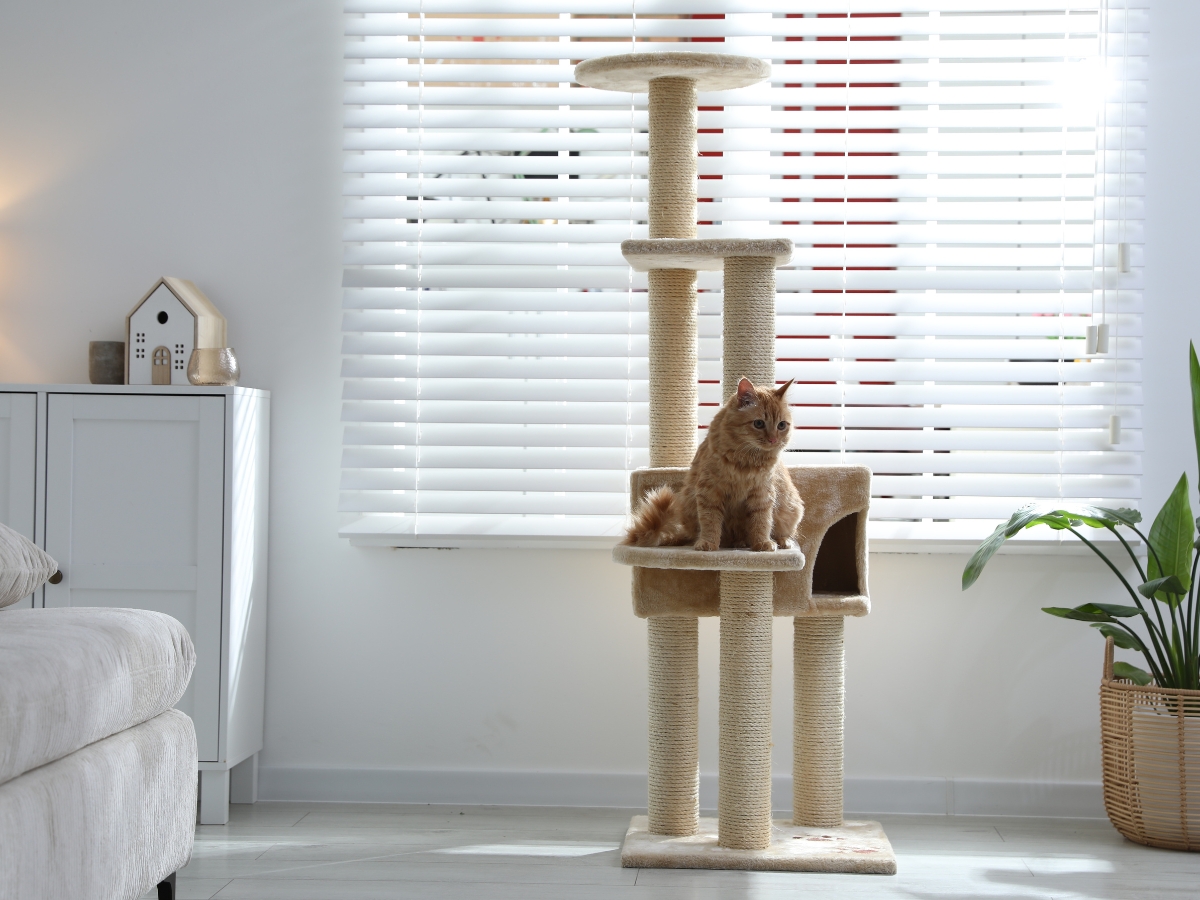
A well-planned pet friendly design goes beyond choosing the right materials. It also considers how pets move through the home and how easily they can access the spaces they use every day. Thoughtful accessibility features can make a noticeable difference, especially for older pets or those with mobility issues.
When pets can move comfortably and safely, it reduces stress for both the animal and the owner. Small adjustments in layout and structure often have a bigger impact than expected. Over time, these changes support a smoother daily routine and a more functional living environment.
What Are Effective Pet Doors, Ramps, And Feeding Stations To Include?
Adding accessibility features does not have to feel complicated. Many upgrades can be introduced gradually while still improving how your home works for your pets.
Pet doors are one of the simplest ways to support independence. They allow pets to move between indoor and outdoor spaces without constant assistance. Placement matters, so it helps to install them in areas that are easy to reach and away from heavy foot traffic.
Ramps are especially useful in homes with stairs or elevated furniture. Older pets often struggle with jumping, and repeated strain can lead to injury over time. A well-placed ramp offers a safer alternative while still giving pets access to their favorite spots.
Feeding stations are another important detail in a pet friendly design. Keeping food and water in a dedicated, low-traffic area helps reduce distractions and prevent spills in busy zones. Slightly raised feeding setups can also improve comfort for larger pets by reducing strain on the neck and joints.
Each of these features supports daily routines while making the home easier for pets to navigate.
How To Integrate Animal-Friendly Renovation Elements Seamlessly Into Your Home
Designing for pets does not mean sacrificing style. A good pet friendly design blends practical features into the overall layout so they feel like part of the home rather than an afterthought.
Open layouts can make a big difference. When rooms flow naturally into one another, pets have more freedom to move without barriers. This can be especially helpful in homes with multiple animals or active pets that need space.
Material choices also play a role in accessibility. Non-toxic paints and finishes create a safer environment, especially for pets that spend a lot of time indoors. Durable surfaces that resist scratches and are easy to clean help maintain both appearance and function over time.
Furniture placement can support accessibility as well. Leaving clear pathways between rooms and avoiding clutter makes it easier for pets to move confidently through the space. Even small changes, like repositioning a chair or widening a walkway, can improve how the home feels.
Creating A Home That Works For Both Pets And People
The goal of a thoughtful pet friendly design is to create a space that works for everyone. Accessibility features should feel natural within the home, not separate from it. When done well, they improve comfort without drawing attention to themselves.
By focusing on movement, safety, and everyday use, homeowners can build an environment that supports their pets as they age and adapt. Over time, these decisions contribute to a home that feels more balanced, practical, and easy to live in.
What Strategies Ensure Durable And Hygienic Surfaces For Pet-Friendly Homes?
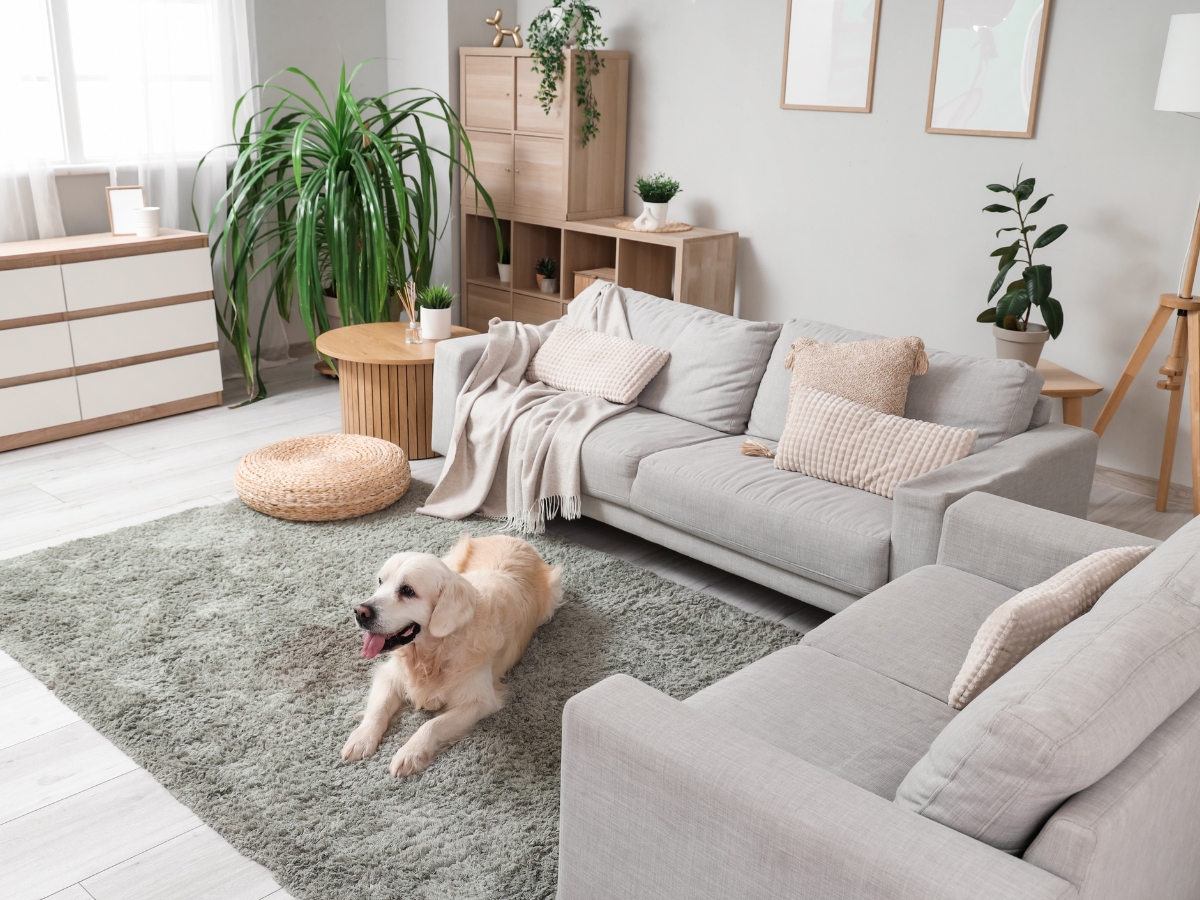
Creating a clean and long-lasting home environment becomes more important when pets are part of daily life. A well-planned pet friendly design should focus on surfaces that can handle wear while still being easy to maintain. Pets bring in dirt, shed fur, and occasionally leave behind messes, so materials and routines need to support both hygiene and durability.
The goal is not just to protect your home from damage, but also to create a healthier space for everyone. Choosing the right surfaces and keeping up with simple maintenance habits can make a noticeable difference over time.
Which Materials Resist Stains And Are Easy To Clean For Pet Hygiene?
Material selection plays a big role in how easy it is to keep your home clean. In a pet friendly design, surfaces should resist stains and allow for quick cleanup without requiring constant effort.
Natural stone, such as granite or slate, is often used in areas that see a lot of traffic. These materials hold up well against scratches and are less likely to absorb stains when properly sealed. They also work well in entryways, kitchens, and other spaces where pets tend to move in and out.
Synthetic materials are another practical option. Many modern surfaces are designed to repel stains and moisture, making them easier to clean after accidents or spills. These materials can mimic the look of wood or stone while offering better resistance to everyday wear.
Cleaning habits matter just as much as the materials themselves. Using pet-safe cleaners and wiping surfaces regularly helps prevent buildup that can lead to odors or discoloration. Even simple routines, like quick daily wipe-downs in high-use areas, can help maintain a cleaner environment.
How To Maintain Long-Term Durability In High Traffic Pet Areas?
High-traffic areas tend to show wear faster, especially in homes with active pets. Maintaining durability in these spaces is an important part of any pet friendly design, and it often comes down to consistency rather than major repairs.
Routine inspections can help catch small issues before they become bigger problems. Scratches, loose tiles, or worn finishes are easier to fix early, which helps extend the life of your surfaces. Paying attention to these details also keeps your home looking well cared for.
Establishing a regular cleaning schedule is another key step. Vacuuming helps remove pet hair and debris that can scratch floors, while mopping keeps surfaces free from dirt and residue. Keeping this routine manageable makes it easier to stay consistent over time.
Basic repair habits can also make a difference. Minor scratches or scuffs can often be addressed without replacing entire sections of flooring. Learning how to handle small fixes helps maintain both the appearance and function of your home.
Building A Practical and Low-Maintenance Pet Friendly Design
Durability and cleanliness go hand in hand when designing a home for pets. A thoughtful pet friendly design takes into account how spaces are used daily and focuses on materials that can handle that use without constant upkeep.
When surfaces are chosen carefully and supported by simple maintenance routines, the home becomes easier to manage. Over time, this approach reduces stress, limits damage, and helps create a space that feels both comfortable and practical for pets and people alike.
How Do Smart Home Technologies Improve Pet Care During And After Remodeling?
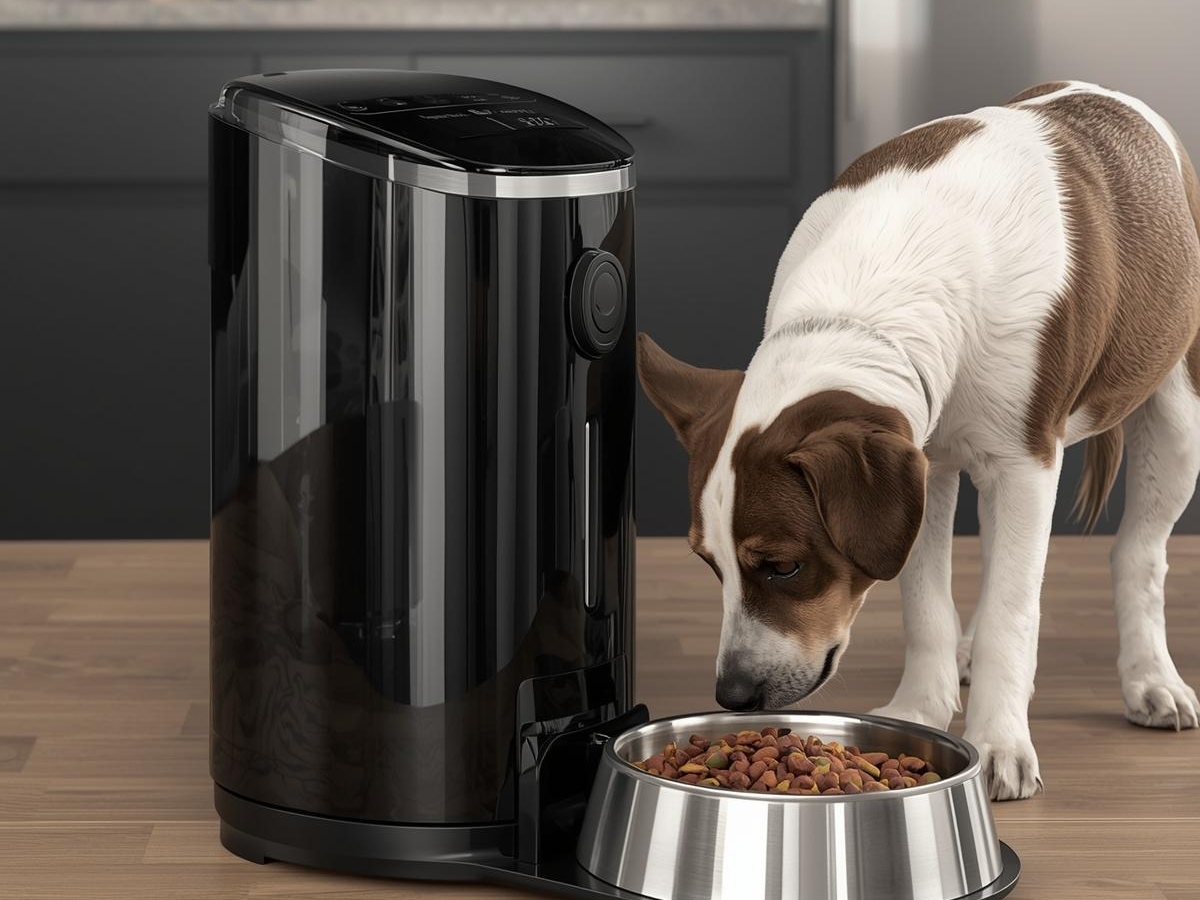
Smart home features are becoming a natural extension of a well-planned pet friendly design. They add convenience, but more importantly, they help create a safer and more predictable environment for pets. Whether you are updating your home or making small improvements, technology can support daily routines without adding complexity.
For many homeowners, the appeal comes from being able to monitor and adjust things remotely. This is especially useful during remodeling, when pets may be adjusting to new layouts, unfamiliar sounds, or changes in their usual spaces. After the work is complete, these tools continue to support long-term comfort and care.
What Smart Devices Monitor Pet Activity And Enhance Safety?
Monitoring your pet’s activity is one of the most practical ways to use technology in a pet friendly design. It allows you to stay connected to your home, even when you are not physically there.
Pet cameras are one of the most common additions. They give you a real-time view of your pet’s behavior and surroundings, which can be helpful if your pet is adjusting to a new space. Some models also include audio features, allowing you to speak to your pet and help calm them if needed.
Motion sensors can add another layer of awareness. These devices can detect unexpected movement in certain areas of the home and send alerts when something seems off. In a remodeled space, where layouts may have changed, this can help ensure your pet is staying within safe areas.
Activity trackers provide insight into your pet’s daily movement. These wearable devices track steps, rest, and overall activity levels. Over time, this information can help you understand whether your pet is getting enough exercise or if changes in behavior might need attention.
Together, these tools support a more responsive and informed approach to pet care.
How To Incorporate Technology For Automated Feeding And Environmental Control
Beyond monitoring, smart home features can also help manage daily routines. In a pet friendly design, automation can reduce stress for both pets and owners by keeping schedules consistent.
Automated feeders are one of the most practical upgrades. They allow you to set regular feeding times, which is especially helpful for pets that rely on routine. Even if your schedule changes, your pet’s meals stay consistent, which supports overall health and behavior.
Temperature control is another important factor. Smart thermostats help maintain a stable indoor climate, which is essential for pets that are sensitive to heat or cold. Being able to adjust settings remotely ensures that your home stays comfortable throughout the day.
Lighting and air quality can also be managed through smart systems. Adjustable lighting helps maintain a calm environment, while air purifiers can reduce allergens, pet dander, and odors. These features contribute to a healthier indoor space without requiring constant attention.
Creating A Balanced Pet Friendly Design With Technology
Technology should support your home, not complicate it. When used thoughtfully, smart devices fit naturally into a pet friendly design and improve how the space functions on a daily basis.
The key is to focus on features that match your routine and your pet’s needs. Monitoring tools offer peace of mind, while automation keeps essential tasks consistent. Over time, these small improvements add up to a home that feels more organized, comfortable, and easier to manage for both pets and their owners.
What Are Best Practices For Creating Outdoor Pet Friendly Landscaping?
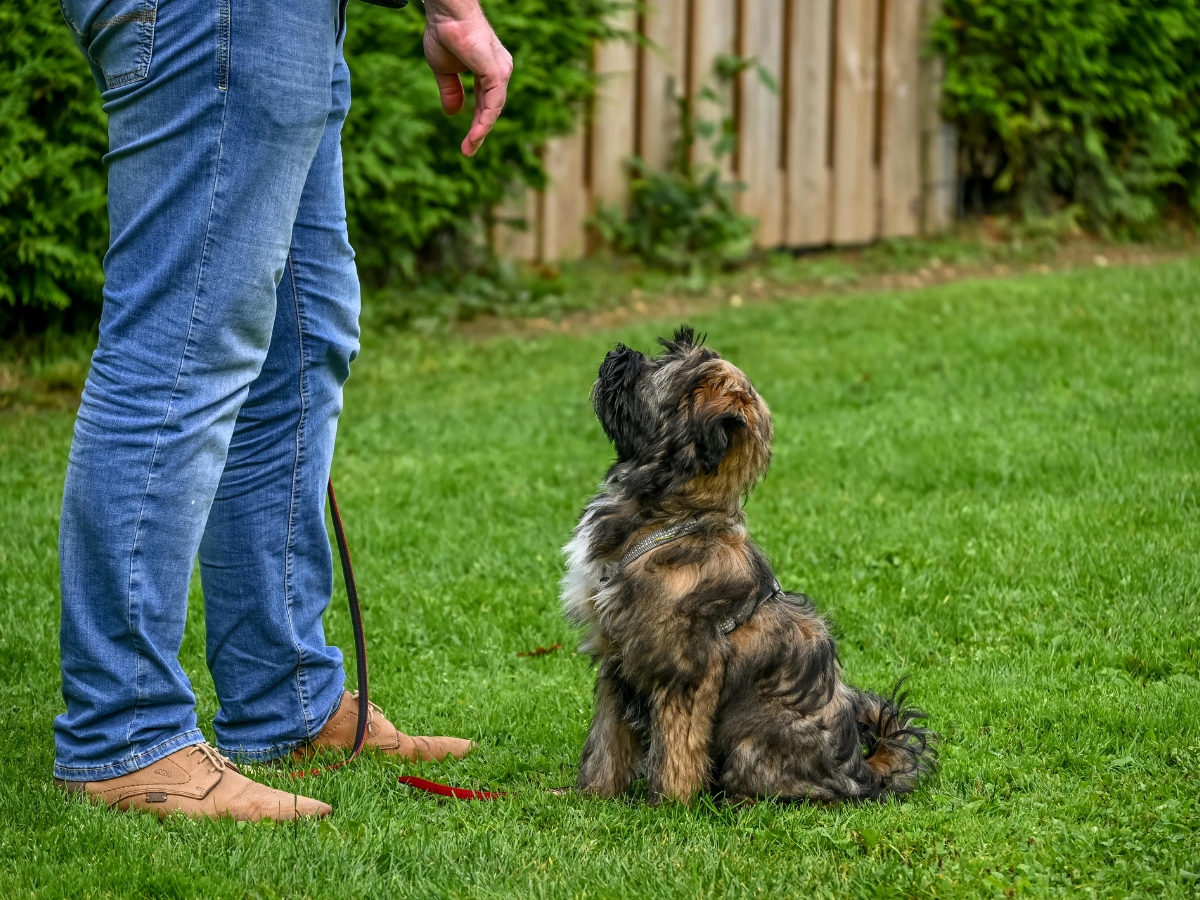
Designing an outdoor space with pets in mind adds another layer to a well-rounded pet friendly design. A yard should not only look good, but also support safe movement, comfort, and daily activity. With the right planning, outdoor areas can become an extension of the home that pets use confidently.
A balanced approach focuses on both safety and usability. Pets need room to explore, but they also need protection from hazards such as toxic plants, rough surfaces, or unstable boundaries. When these factors are considered early, the space becomes easier to maintain and more enjoyable over time.
Which Plants And Materials Are Safe And Comfortable For Pets Outdoors?
Plant and material choices play a major role in how safe and comfortable a yard feels. In a pet friendly design, it is important to choose options that support both durability and pet safety.
Non-toxic plants are a good starting point. Many common garden plants can be harmful if ingested, so selecting pet-safe varieties helps reduce risk. This is especially important for curious pets that tend to chew on leaves or dig in planted areas. A bit of research ahead of time can prevent avoidable problems later.
Surface materials also affect how pets interact with the space. Grass is often the most comfortable option for play, while mulch can provide a softer landing compared to harder surfaces. However, it helps to choose mulch types that are safe for pets and do not contain sharp or irritating materials.
Adding shaded areas is another practical step. Trees, pergolas, or covered sections can give pets a place to rest during warmer parts of the day. This keeps the yard usable even in changing weather and supports overall comfort.
These choices work together to create an outdoor area that feels natural while still being easy to manage.
How To Design Secure And Stimulating Outdoor Spaces For Pets
A secure layout is essential in any pet friendly design. Without proper boundaries, even the most well-planned yard can create risks. Fencing is one of the most important elements, and it should be designed with both height and durability in mind. Pets that like to jump or dig may require additional reinforcement to keep the area fully enclosed.
Beyond safety, stimulation is just as important. Pets benefit from having features that encourage movement and engagement. This does not have to be complicated. Simple additions like open running space, varied terrain, or designated play areas can make the environment more interesting.
Interactive features can also be introduced gradually. Some homeowners include small agility elements or paths that encourage exploration. These additions help prevent boredom and give pets a way to stay active without leaving the property.
Comfort zones should also be part of the design. Quiet areas with shade or soft ground allow pets to rest when needed. These spaces are especially helpful for older animals or those that prefer a calmer environment.
Bringing It All Together In A Pet Friendly Design
Outdoor spaces should feel like a natural extension of the home. When safety, comfort, and activity are all considered, the result is a yard that supports everyday life without constant adjustments.
A thoughtful pet friendly design does not rely on one feature alone. Instead, it combines safe materials, secure boundaries, and engaging elements into a layout that works over time. By focusing on how pets actually use the space, homeowners can create an outdoor environment that is both practical and enjoyable.
Conclusion
Designing a pet-friendly home doesn’t mean sacrificing style—it means thoughtfully incorporating durable materials, smart layouts, and thoughtful features that make life better for both you and your furry companions.
From scratch-resistant flooring and built-in feeding stations to cozy nooks and easy-clean surfaces, intentional design choices create a space where pets and people thrive together. For expert home remodeling guidance in blending elegance with everyday pet-friendly functionality, trust FD Remodeling Atlanta & Marietta.
Ready to create a home that works for every member of your family—on two legs or four? Call 404-857-5582 or submit your project details through our online form for a consultation. Let’s build a home where comfort meets practicality for all.