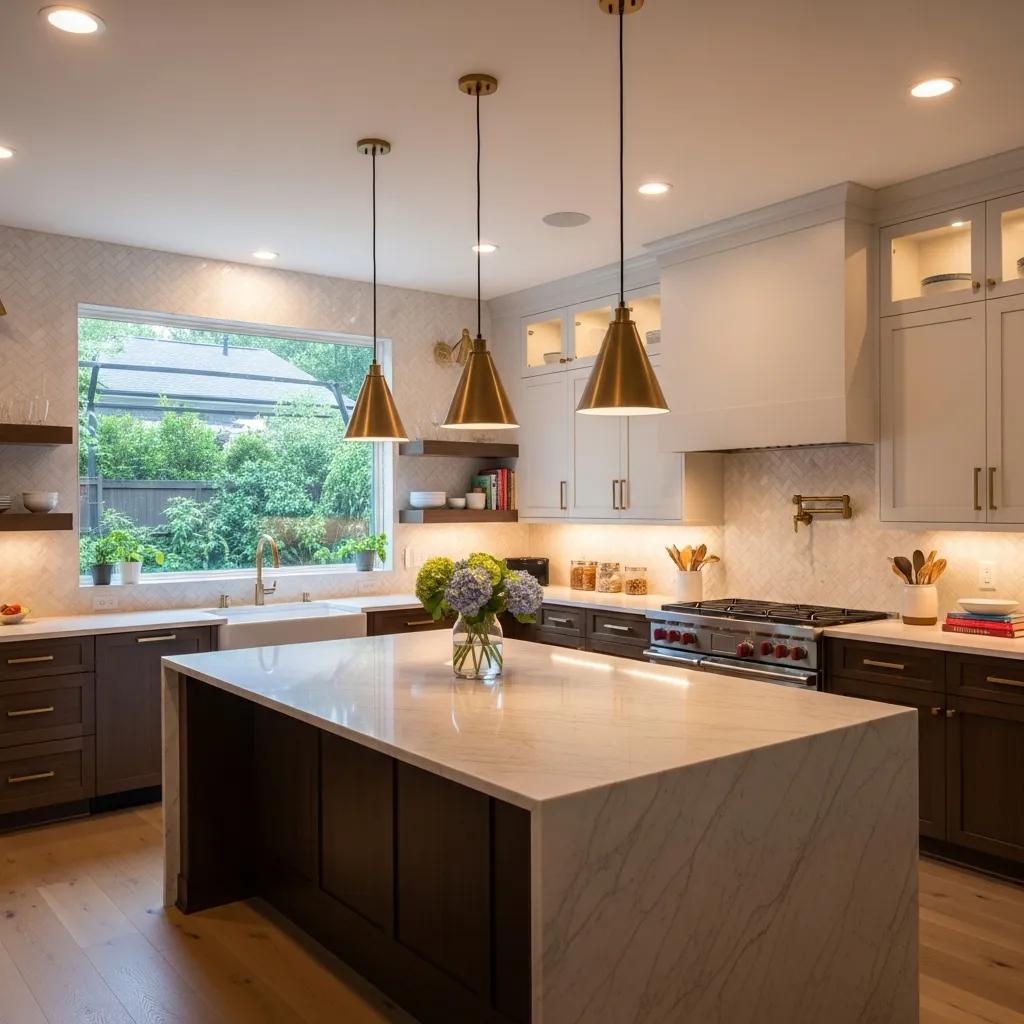
The kitchen is one of the most used spaces in any home, and lighting plays a bigger role than many homeowners realize. Poor placement can leave countertops in shadow, create glare, or make the room feel smaller than it is. Essential kitchen lighting design for Atlanta homes focuses on blending functionality with style, ensuring your space is bright where it needs to be and inviting throughout the day and night.
In Atlanta’s mix of historic properties and modern builds, lighting plans should complement architecture while supporting everyday tasks like cooking, cleaning, and entertaining. A thoughtful combination of ambient, task, and accent lighting can transform how your kitchen looks and feels.
With the right design strategy, essential kitchen lighting design for Atlanta homes enhances visibility, highlights key features, and creates a balanced, welcoming atmosphere that works for both busy mornings and relaxed evenings.
Kitchen Lighting Design Ideas That Make Kitchens Shine
What Are the Best Kitchen Lighting Ideas for Atlanta Homes?
Kitchen lighting works best when it supports how you actually use the space, not just how it looks in a photo. In many Atlanta homes, the kitchen pulls double duty as a cooking zone, a gathering spot, and sometimes even a work-from-home corner.
That mix of tasks calls for lighting that feels layered and intentional. Instead of relying on a single overhead fixture, think in terms of coverage: bright, even light for the whole room, focused light where you prep and cook, and a softer layer that makes the kitchen feel comfortable in the evening.
A good starting point is to combine ambient lighting with task lighting, then add an accent element if the room needs more personality. Recessed lights can provide a clean baseline for general illumination, while under cabinet lighting solves the common problem of shadows on countertops.
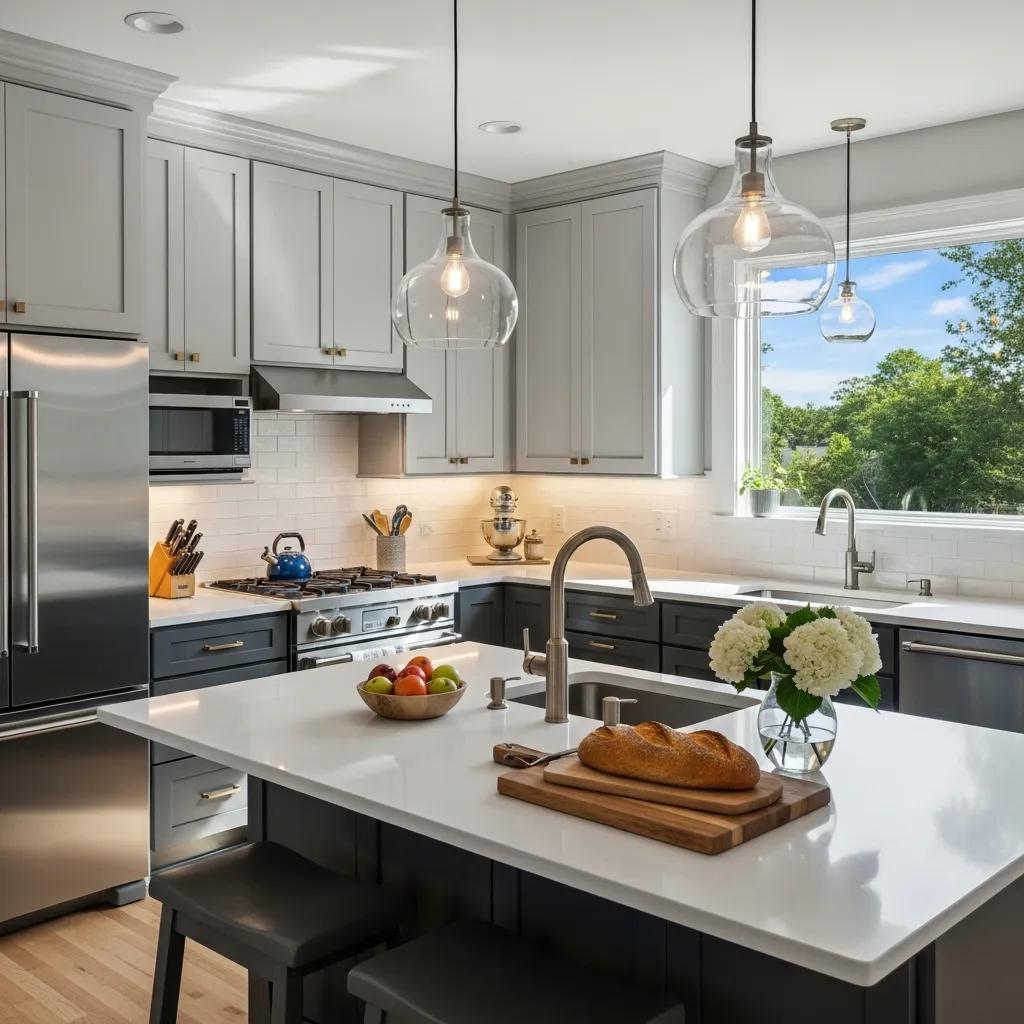
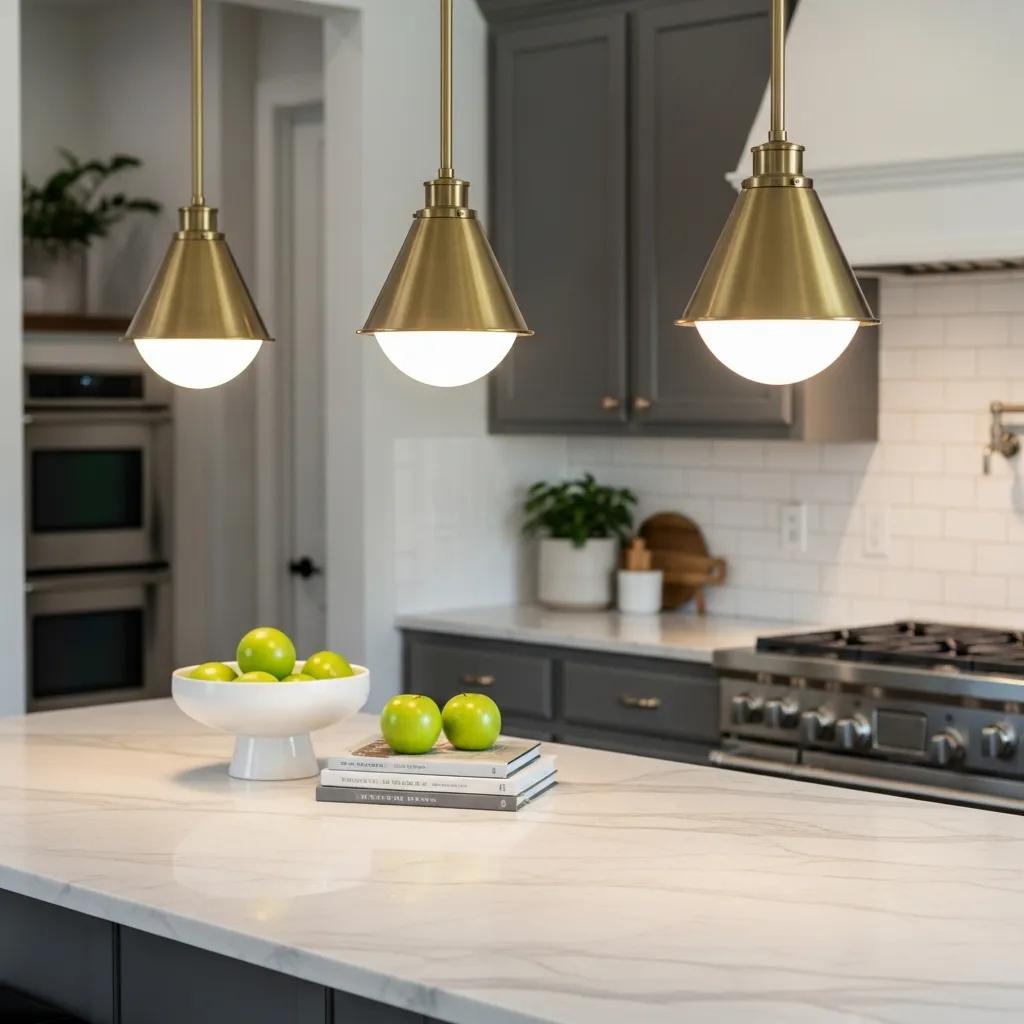
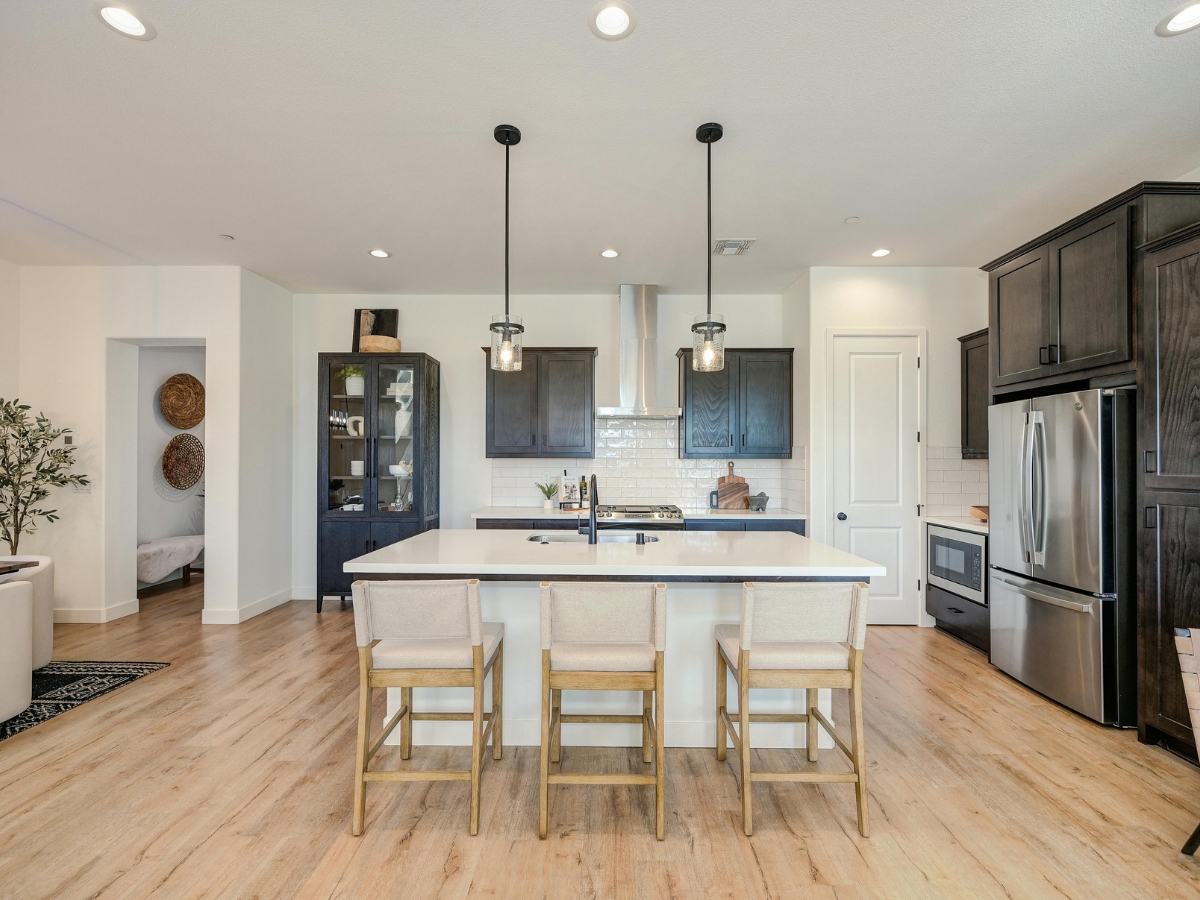
Pendant lights bring style and direct light to a kitchen island or breakfast bar, which is especially useful in open layouts where the island becomes the visual center of the room.
How Do Pendant Lights Enhance Kitchen Islands In Atlanta?
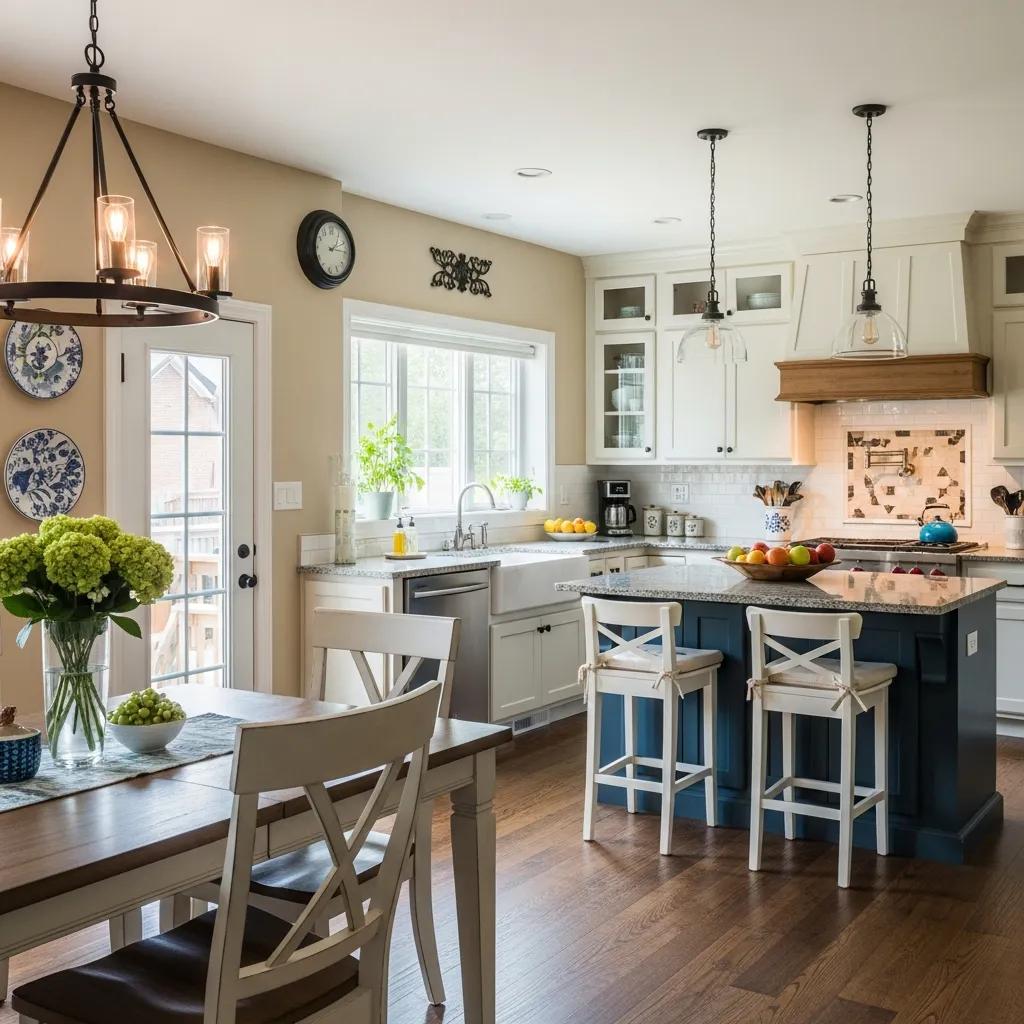
Pendant lights are one of the simplest ways to make an island feel finished, because they do two jobs at once. They give you direct light for everyday tasks like chopping, plating, and helping kids with homework, and they also anchor the island visually, so it does not feel like a big floating block in the middle of the room.
In Atlanta kitchens, where open-concept layouts are common, pendants can help define the kitchen area without needing walls or extra furniture.
The key is placement. Pendants should be centered over the island and spaced evenly so light is distributed across the whole work surface. If they are too close together, you get bright hotspots and dim corners. If they are too far apart, the lighting feels scattered, and the island loses that cohesive look.
Hanging height matters too. You want pendants low enough to cast useful light onto the countertop, but not so low that they block sightlines across the room or feel intrusive when people are sitting on the opposite side.
Style choices can lean modern, industrial, traditional, or transitional, depending on the kitchen’s finishes. A quick way to keep the look cohesive is to repeat a metal finish that is already in the room, such as cabinet hardware or faucet finishes.
Glass shades can keep things airy and bright, while opaque shades create more focused pools of light and can feel cozier at night.
Why Choose Under-Cabinet Lighting For Atlanta Kitchens?
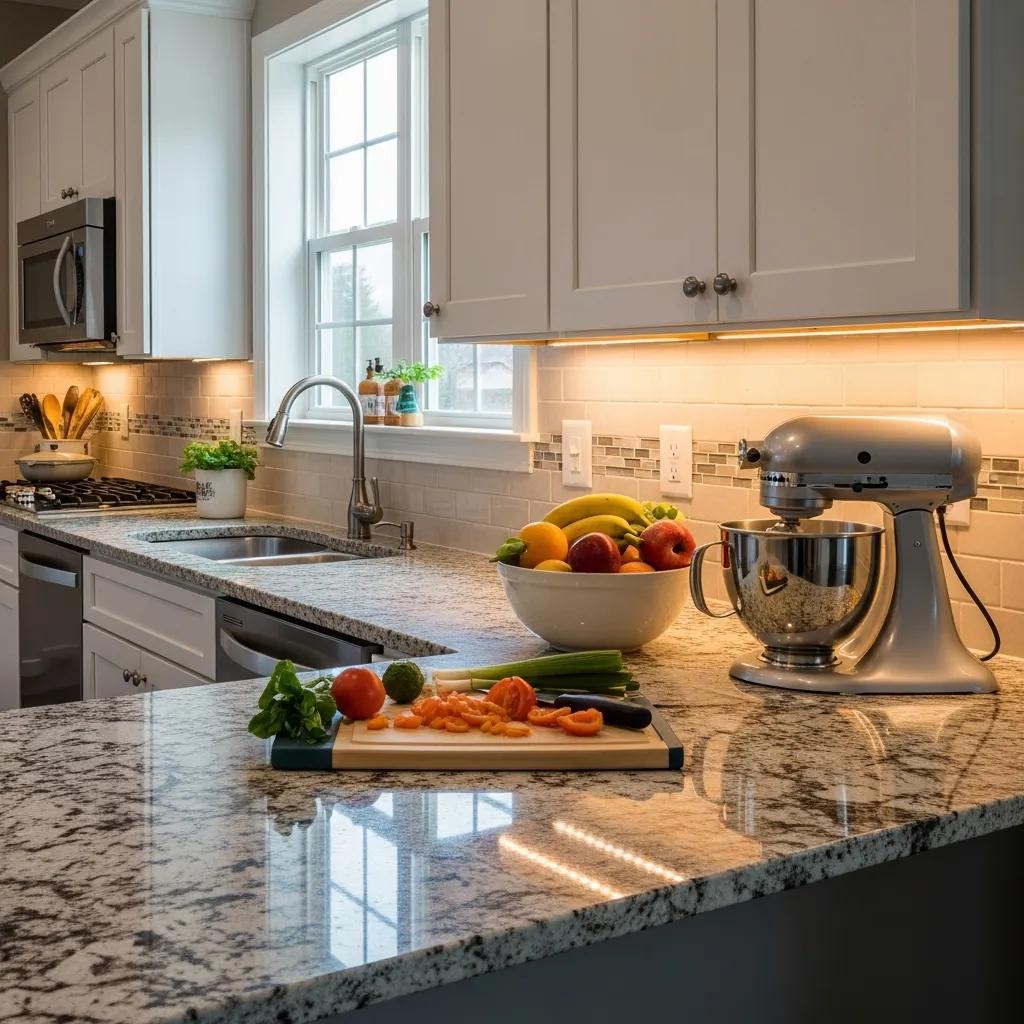
Under-cabinet lighting is one of those upgrades people often underestimate until they live with it. Overhead lights can still leave countertops in shadow because your body blocks the light while you work.
Under-cabinet fixtures solve that by putting light directly where you need it, making prep easier and improving safety around knives and hot surfaces. It also makes kitchens feel more inviting in the evening, especially when you want enough light to move around without flipping on every overhead fixture.
LED under cabinet lighting is popular because it runs cool, uses less energy, and lasts longer than older bulb types. It also gives you options: warmer tones for a softer feel, brighter tones for clearer visibility, and even dimmable settings if you want to adjust the mood. A clean installation can blend into the cabinetry so the light is what you notice, not the hardware itself.
Maintenance is usually simple, but it helps to wipe fixtures occasionally since kitchens collect grease and dust over time. If you choose strip lighting, look for a diffuser that softens the light and reduces visible dots from individual LEDs. It is a small detail that makes the finished result look more polished.
When you combine under-cabinet lighting with thoughtfully placed pendants and a solid layer of recessed or ceiling lighting, the kitchen becomes easier to use at every time of day. The long-term payoff comes from getting the basics right, then sticking with a setup that keeps the space functional, clean-looking, and comfortable to live in.
How to Use Recessed Lighting Effectively in Atlanta Kitchens?
Recessed lighting is popular in Atlanta kitchens for a reason. It provides clean, even light without taking up visual space, which works well in open layouts and kitchens with lower ceilings.
The mistake many homeowners make is treating recessed cans like a single solution, when they work best as the foundation of a layered plan. If the placement is off, you can end up with bright spots, dim corners, or shadows right where you prep food. If the layout is thoughtful, recessed lighting makes the entire kitchen feel brighter, more functional, and easier to live in.
Start by thinking about how your kitchen is used throughout the day. Morning light is different from evening light, and the areas where people gather often need softer lighting than the work zones. Recessed fixtures can handle general illumination, but they should be placed to support the workflow of the room.
That includes sink areas, countertops, cooktops, and pathways where people naturally move. The results come from planning and consistency, not from overdoing a single step. A few well-placed fixtures beat a crowded ceiling full of lights that still leave shadows on the counters.
What Are The Placement Guidelines For Recessed Kitchen Lighting?
Good recessed lighting placement begins with even spacing and a layout that matches the shape of the room. In most kitchens, lights are spaced a few feet apart in a grid pattern, but spacing is not one-size-fits-all. Ceiling height, fixture brightness, and the width of the room all matter.
A higher ceiling usually needs either brighter fixtures or slightly closer spacing to prevent the light from feeling weak or patchy. The goal is a consistent wash of light that does not make any one area feel noticeably darker than the rest.
Distance from walls is also important. If recessed lights are placed too close to the wall, they can create harsh, scalloped shadows and make the room feel uneven. If they are placed too far from the wall, counters along the perimeter can end up in shadow, especially when upper cabinets block overhead light.
A balanced approach is to keep the first row of recessed lights set back from walls enough to spread light across the room while still reaching the edges where counters and walkways are located.
You also want to avoid placing recessed lights directly behind where you stand to work. For example, if a light is positioned behind you at the sink, your body can cast a shadow over the basin and counter. A better approach is to place lights so they shine in front of you or slightly to the side in key work areas.
That way, the light lands on the surface you are using instead of being blocked. The result is a kitchen that feels naturally bright without glare or awkward dark zones.
How Does Recessed Lighting Complement Other Kitchen Light Layers?
Recessed lighting is at its best when it supports other lighting types rather than competing with them. Think of recessed fixtures as your baseline, creating general illumination that makes the room feel open and usable. Then you add task lighting where you need precision, and accent lighting where you want warmth or style.
Pendant lights over an island are a good example of how layering works. Pendants provide focused light where people prep, serve, and gather, while recessed lights fill in the rest of the kitchen so the room does not feel dim outside of the island zone.
Under-cabinet lighting is another layer that solves a specific problem: it puts light directly on the countertop, reducing shadows created by upper cabinets. When under-cabinet lights are paired with recessed fixtures, you get a kitchen that is both bright and comfortable, without having to rely on high-intensity bulbs.
A layered setup also gives you flexibility. You can run recessed lights for general brightness during busy times, then switch to under-cabinet lights or pendants in the evening for a calmer feel. It is a practical approach that supports everyday use and helps the kitchen feel cohesive.
If you plan recessed lighting with placement, purpose, and layers in mind, you get a kitchen that looks clean, functions well, and feels comfortable no matter the time of day.w to layer lighting effectively, homeowners can create a dynamic and functional kitchen environment.
What Are the Top Kitchen Lighting Trends in Atlanta for 2026?
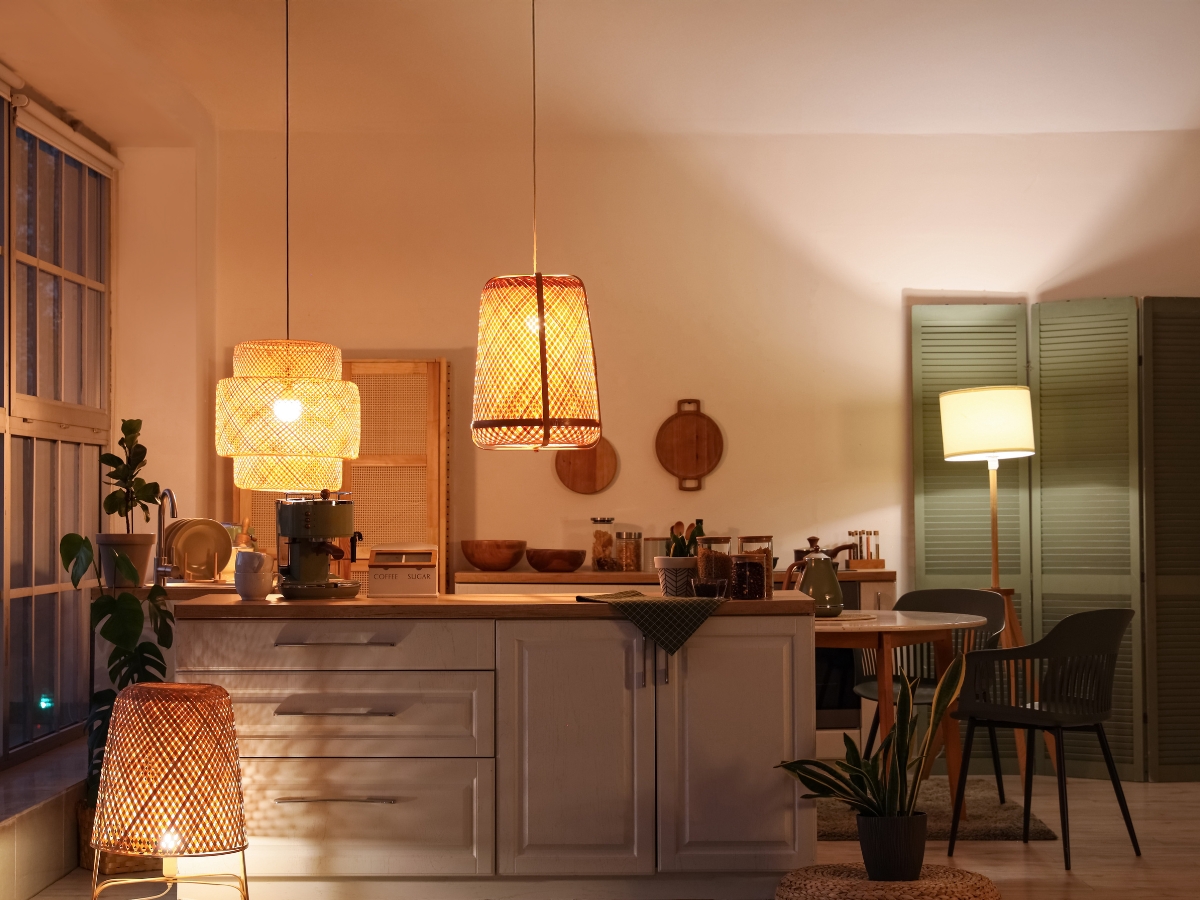
Kitchen lighting in Atlanta has been moving in a practical direction, with homeowners paying more attention to how the space functions day to day. The look still matters, but the bigger trend is flexibility.
People want lighting that works for cooking, hosting, and everyday living, without making the kitchen feel harsh or overly bright. In newer remodels and updated older homes, you will see more emphasis on lighting plans that combine multiple sources and can be adjusted based on time of day or what is happening in the room.
One of the biggest shifts is the rise of smart lighting. Instead of relying on a single wall switch, homeowners are choosing systems that let them adjust brightness and color temperature with an app or voice command.
That matters in kitchens because the lighting needs can change quickly, from bright task lighting while prepping dinner to softer light when the kitchen becomes a hangout space after the meal. Smart setups also make it easier to avoid energy waste, since lights can be scheduled or turned off remotely.
Another major trend is layered lighting, which has become almost standard in modern kitchen design. Rather than one overhead fixture doing all the work, designers are combining recessed lights for general coverage with pendants over islands and under cabinet lighting for counters.
This approach reduces shadows and makes the room feel more balanced. It is also easier on the eyes, especially in open floor plans where the kitchen lighting affects the adjacent living and dining spaces.
Sustainable choices are also gaining ground, and this mostly shows up through LED fixtures. LEDs last longer, use less energy, and now come in a wide range of tones, so you can choose warm light that feels inviting or cooler light that improves visibility.
Which Smart Lighting Systems Are Popular In Atlanta Kitchens?
Smart lighting has become more accessible, which is why it is showing up in more Atlanta kitchens. Wi-Fi-enabled bulbs are one of the most common entry points because they are simple to install and easy to control from a phone.
They let you adjust brightness and color temperature without changing fixtures, which is helpful if you are working with a mix of natural light during the day and artificial light at night. For many homeowners, the ability to shift from a bright, clean light while cooking to a softer tone in the evening is the biggest selling point.
Voice-controlled systems are also popular, especially in kitchens where hands are often full. Pairing lights with a smart assistant allows you to turn lights on or off, dim them, or activate a preset scene without touching a switch. That convenience is a big deal when you are cooking, cleaning, or moving between the kitchen and other parts of the home.
Programmable settings round out the appeal. Schedules can turn on lighting at predictable times, which can make early mornings easier and evenings more comfortable. They also help prevent lights from being left on all night. Over time, that kind of automation can support energy savings without requiring extra effort.
How Are Layered Lighting Techniques Shaping Modern Atlanta Kitchens?
Layered lighting is shaping kitchen design by making the room feel both brighter and more comfortable, depending on how it is used.
Ambient lighting is usually handled by recessed fixtures or a central ceiling light, giving the kitchen a consistent base level of illumination. This keeps walkways and general areas from feeling dim, especially in kitchens with fewer windows or deeper floor plans.
Task lighting is where kitchens become easier to work in. Under cabinet lighting is a common solution because it targets countertops directly and reduces the shadow effect caused by upper cabinets. Pendant lights over islands and peninsulas also fall into this category, since they add focused light where people prep, serve, and gather. When task lighting is done well, you rely less on overly bright overhead lights and get better visibility exactly where you need it.
Accent lighting adds the finishing layer. This might include lighting inside glass-front cabinets, a soft glow above cabinets, or small fixtures that highlight architectural details.
It is not necessary in every kitchen, but it can add depth and make the room feel more intentional, especially in the evening. When all three layers work together, the kitchen feels flexible and polished without being complicated to use.
How Much Does Kitchen Lighting Installation Cost In Atlanta?
Kitchen lighting installation costs in Atlanta can vary quite a bit, mostly because “kitchen lighting” can mean anything from swapping a fixture to adding new wiring, switches, and multiple lighting layers.
A simple replacement where existing wiring is already in place will usually cost less than a project that requires opening up drywall, adding new circuits, or installing lighting in several zones like an island, perimeter counters, and inside cabinets.
The best way to think about budgeting is to separate fixture costs from installation costs, then factor in how much electrical work your kitchen actually needs.
Fixture pricing is often the widest swing. A basic pendant or under-cabinet kit can be fairly affordable, while higher-end fixtures with premium finishes, specialty glass, or integrated smart features can push the budget quickly. That is why two kitchens of the same size can end up with very different totals. Even if the installation work is similar, the materials can change the final number more than people expect.
Installation labor is the other major variable. If you are simply replacing a light where a box and switch already exist, the job is more straightforward. If you are adding recessed lights, installing under-cabinet lighting across multiple cabinet runs, or creating separate zones on different switches, the complexity goes up.
More complexity typically means more time, and more time means a higher labor cost. Electrical work also often includes small but necessary add-ons, such as new junction boxes, updated switches, dimmers, or additional wiring to meet current code.
Another factor that affects pricing is access. Older homes, tighter attic spaces, or kitchens with limited access above the ceiling can require more labor to run wiring. The same goes for tile backsplashes or finished cabinetry that makes it harder to hide wiring for under-cabinet lighting.
When homeowners plan a kitchen lighting upgrade, it helps to decide early whether the goal is purely functional, purely cosmetic, or both, because the scope of work can shift fast once you start adding new locations and controls.
What Factors Influence The Cost Of Installing Pendant and Under-Cabinet Lights?
Pendant and under-cabinet lights are two of the most common upgrades, and they are often installed together because they solve different lighting needs. Pendants usually focus on islands or peninsulas, while under-cabinet fixtures improve countertop visibility.
The overall cost depends on how many fixtures you are installing, what kind of power source is available, and whether the wiring is already there.
Fixture type plays a big role. Pendants range from simple, single-light styles to larger multi-light fixtures and statement pieces. Under-cabinet lighting can be as basic as plug-in strips or as involved as hardwired LED systems with dimming and color temperature controls. Hardwired systems typically cost more to install because they require electrical work behind the scenes, but they also tend to look cleaner because cords are not visible.
Labor depends heavily on what is already in place. If there is no existing wiring above an island, an electrician may need to run a new line, cut openings, and add a switch or tie into an existing one.
Under-cabinet lighting can also vary in difficulty. Some kitchens allow easy access through upper cabinets or along a soffit, while others require creative routing to keep wiring hidden. If you want multiple lighting zones, such as separate controls for pendants and under-cabinet lights, that can add additional switch work and time.
Materials beyond the fixtures should not be overlooked. Dimmers, smart switches, additional wiring, and mounting hardware can all add to the total. These are usually smaller line items, but they matter when you are trying to estimate the full kitchen lighting budget realistically.
Why Choose Professional Installation Over A DIY Approach?
Professional installation is often worth considering for kitchen lighting, especially when the project involves new wiring, multiple fixtures, or changes to switches and circuits.
Electrical work has safety and code considerations, and kitchens have higher demands than many other rooms because of appliances and frequent use. A qualified electrician can help ensure the wiring is correct, the fixtures are supported properly, and the layout performs the way you expect once everything is installed.
Another advantage is troubleshooting and planning. Professionals can flag issues that are easy to miss, such as overloaded circuits, outdated wiring, or the need for dedicated lines in certain areas.
They can also help you avoid common lighting mistakes, like placing recessed lights where they cast shadows on countertops or hanging pendants at a height that blocks sightlines. When the goal is a clean, functional kitchen lighting setup that works for years, getting the installation right matters as much as choosing the fixtures.
Conclusion
Thoughtful kitchen lighting design transforms your Atlanta home’s culinary space from merely functional to truly spectacular, creating layers of illumination that enhance both ambiance and practicality. From task lighting for food preparation to statement fixtures that define your style, the right design makes every moment in your kitchen more enjoyable.
For expert lighting design integration during your kitchen remodel, trust FD Remodeling Atlanta & Marietta. Ready to illuminate your dream kitchen? Call 404-857-5582 or submit your project details through our online form for a consultation. Let’s design a kitchen that shines in every way.