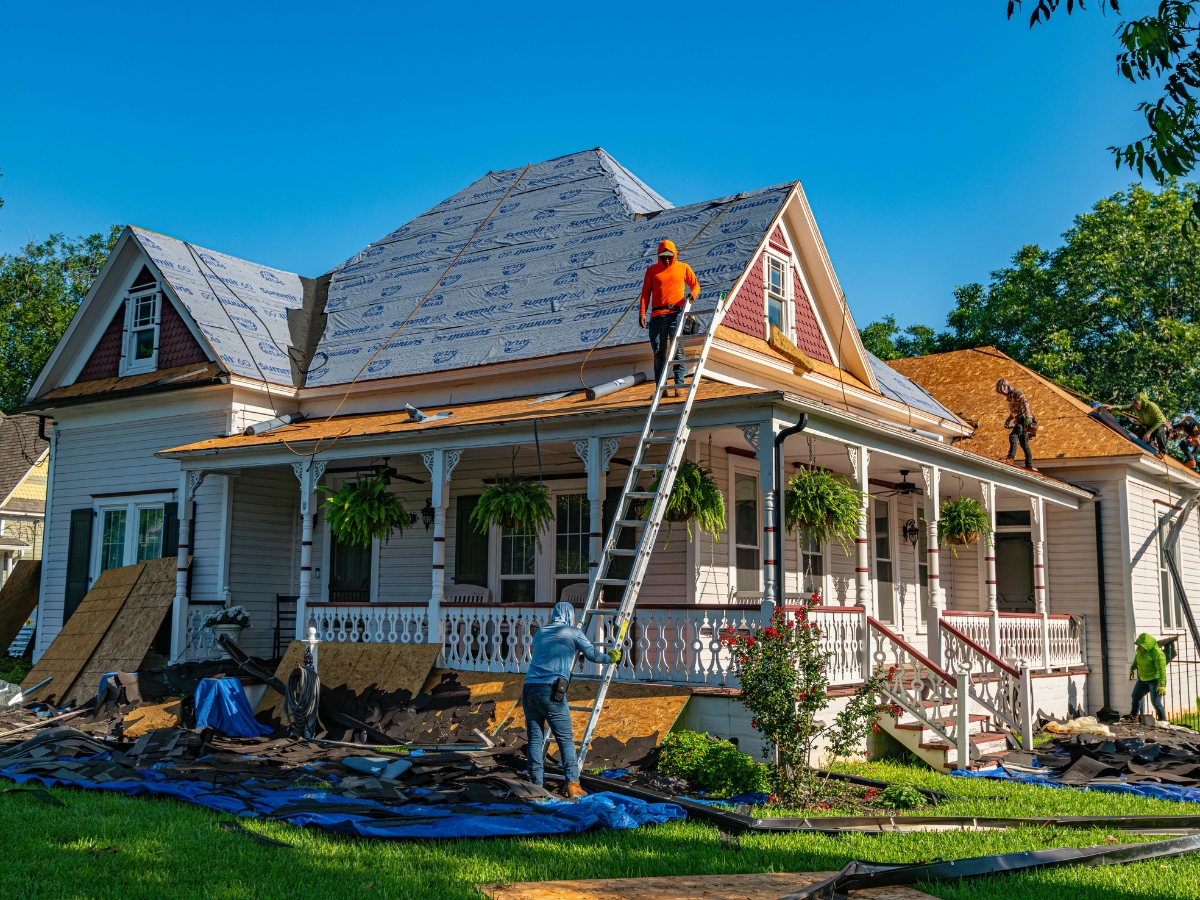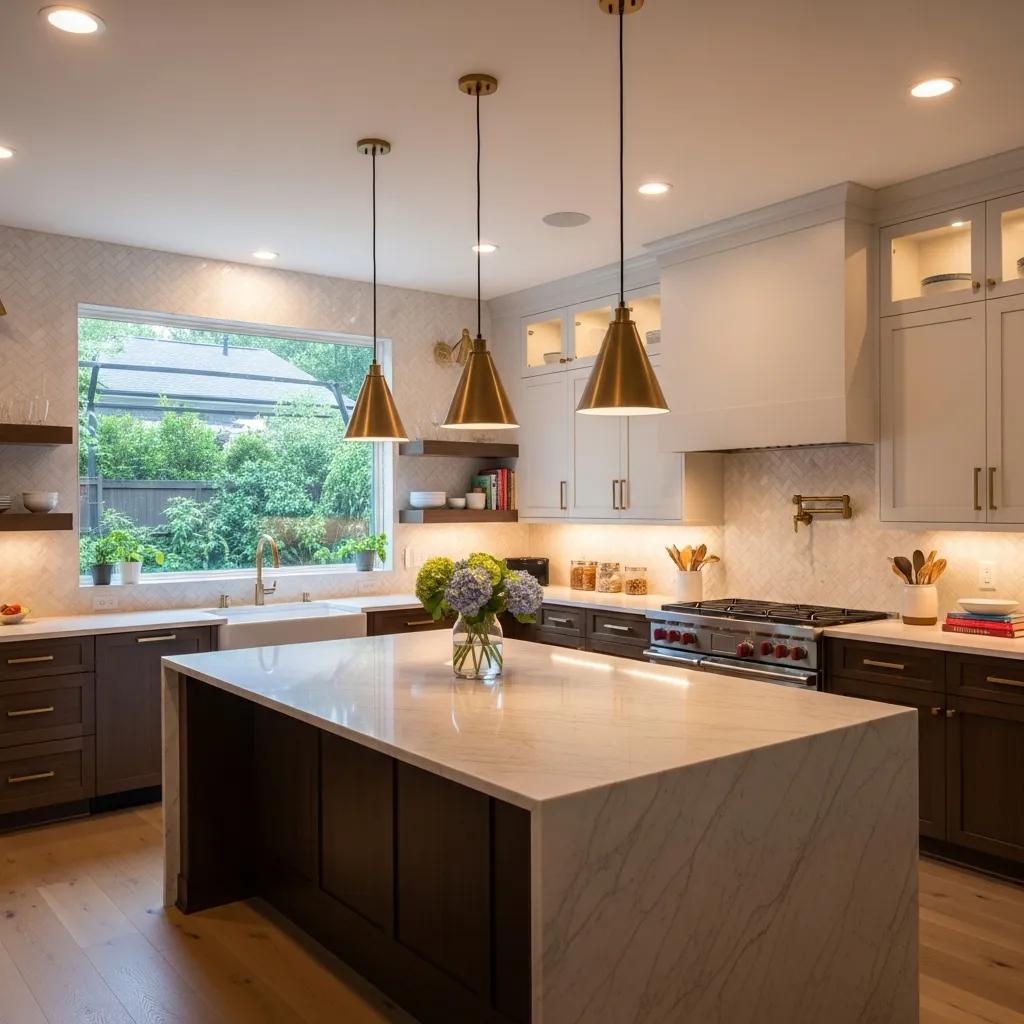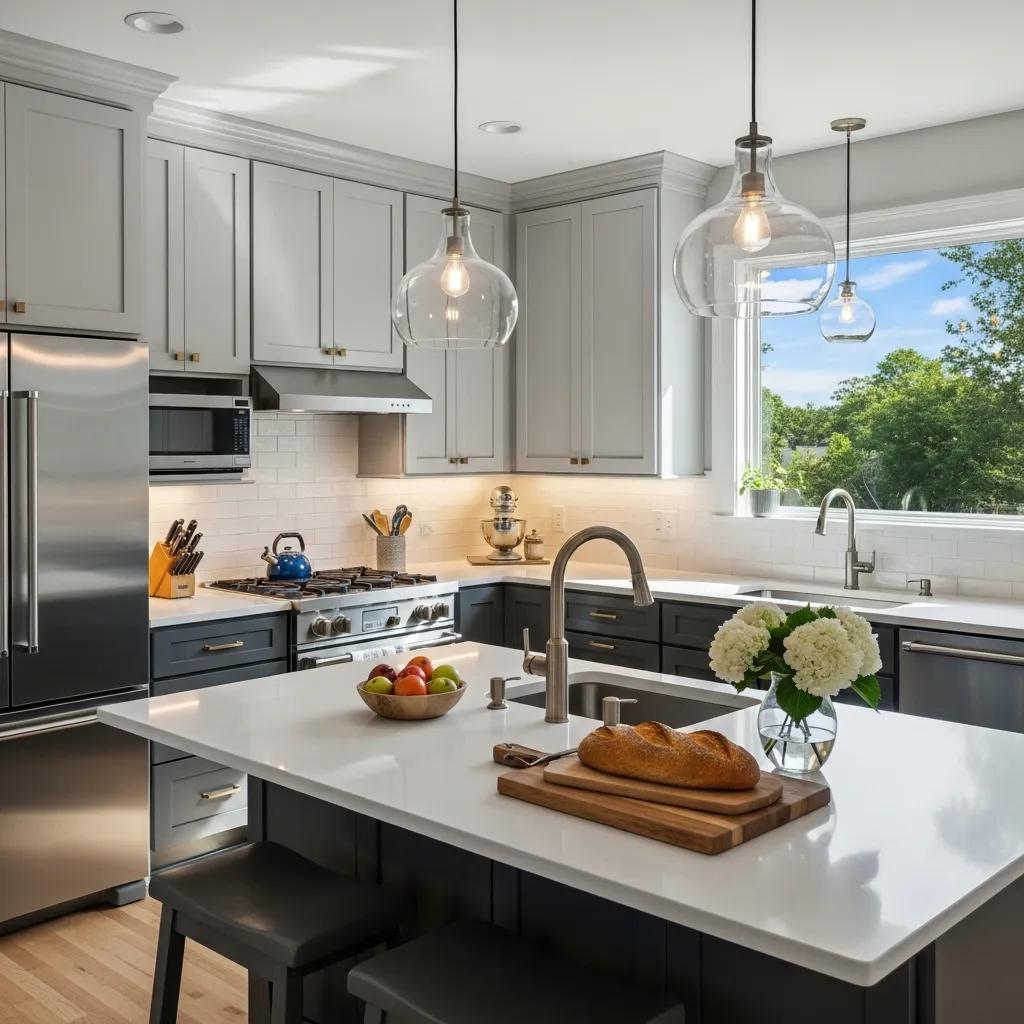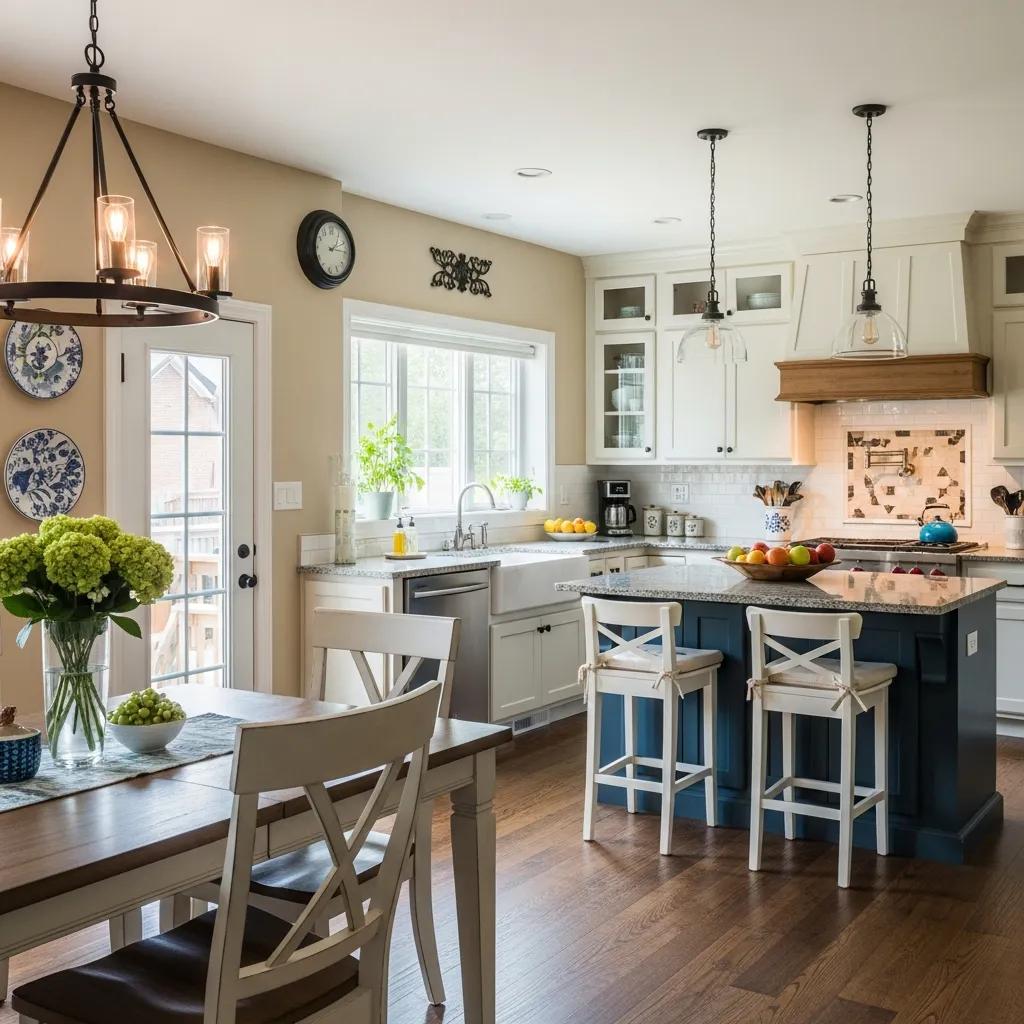
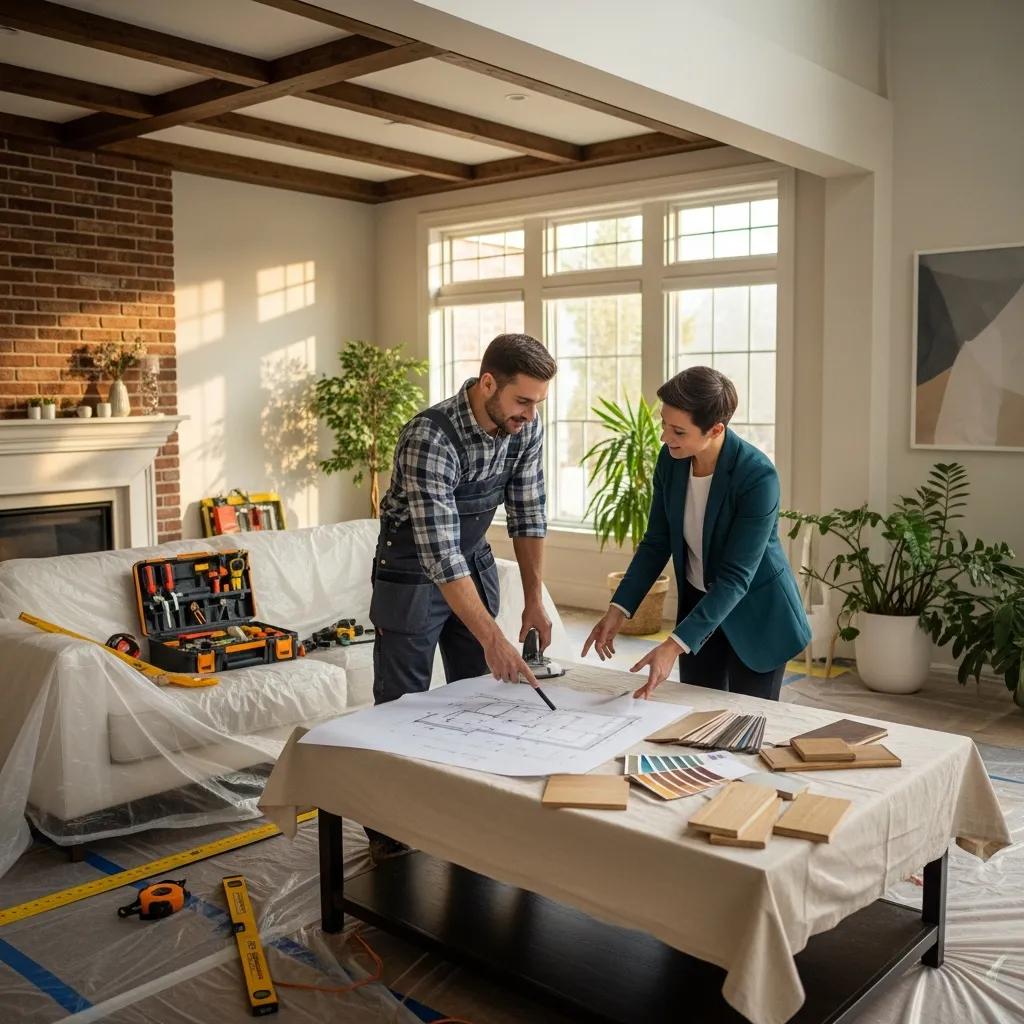
A successful home remodel begins with meticulous planning—and having a comprehensive checklist is your roadmap to staying organized, on budget, and on schedule. From defining your vision and setting a realistic budget to selecting contractors, securing permits, and managing the construction timeline, each step requires careful consideration and coordination.
In this guide, we’ll walk you through an essential home remodel planning checklist, breaking down the process into manageable phases to help you avoid common pitfalls and achieve a finished project that matches your dream vision.
Essential Home Remodel Planning Checklist That Keeps Projects on Track
How Do You Define Your Vision and Goals for a Successful Home Remodel?
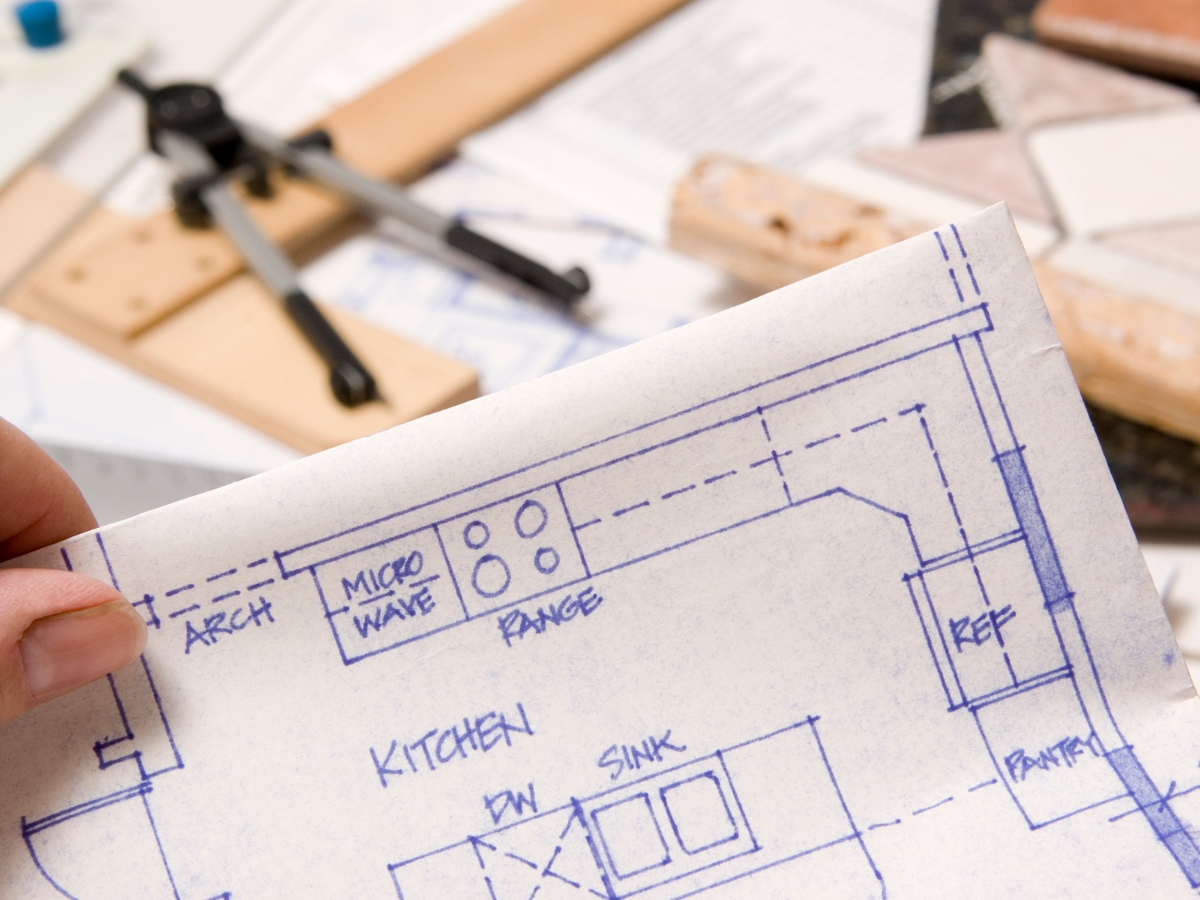
Defining your vision and goals is the first step in any successful home remodel, and it is where a solid planning checklist really starts. Before you talk to a contractor or pick finishes, it helps to get clear on what is not working in your current space, what you want daily life to feel like afterward, and how much change you can realistically take on. That clarity becomes your reference point throughout the project. It guides design decisions, helps you filter Pinterest inspiration, and gives you a way to explain your ideas to builders and designers so everyone is aiming at the same result.
What Are The Key Considerations When Setting Remodeling Objectives?
When you begin setting remodeling objectives, it is useful to think about function, look, and long term value together instead of treating them as separate conversations. Start with how you actually live in the space. Do you cook most nights, work from home, host large groups, or need better accessibility for aging in place? The answers shape priorities like storage, traffic flow, lighting, and layout.
From there, layer in your aesthetic preferences. You might lean modern, traditional, or somewhere in between, but narrowing your preferences to a few consistent ideas makes every later choice easier. For example, if you know you prefer warm woods, simple cabinet fronts, and soft neutrals, you can evaluate each selection against that direction instead of starting from scratch every time.
It also pays to zoom out and think about how your plans fit the home as a whole and the surrounding market. Some upgrades primarily improve comfort, while others have a stronger impact on resale. A basic planning checklist for objectives might include questions about budget range, must-have updates, nice-to-have features, and how long you plan to stay in the home. Answering those questions up front keeps your goals grounded in reality and helps you avoid scope creep once work begins.
How To Align Your Style Preferences With Functional Needs?
The most satisfying remodels are the ones that look like you and work hard in the background. To align style with function, start by listing the problems you are trying to solve before you think about finishes. Maybe you trip over shoes at the entry, fight for counter space in the kitchen, or never have enough light in the evenings. Once the pain points are clear, you can choose design elements that solve them and still match your preferred look. Built in storage, better task lighting, or a slightly wider hallway are all functional choices that can be detailed in a style you love.
It can also help to choose a few “anchor” decisions that support both form and function, such as an open but clearly zoned layout, durable flooring in high traffic areas, or cabinets that reach the ceiling to cut visual clutter. After those anchors are set, you can add character through color, hardware, fixtures, and textiles without sacrificing practicality.
If you are working with a designer or contractor, bring photos and notes that show both how you want the space to feel and how you need it to perform. The more specific you can be about daily habits, storage needs, and maintenance preferences, the easier it is for professionals to translate your ideas into a plan that balances beauty and usability. Over time, a thoughtful planning checklist and clear priorities will help you move from vague wish list to a remodel that genuinely supports how you live.
What Are the Best Practices for Budgeting and Financing Your Home Renovation?

Budgeting is one of the most important pieces of any home renovation planning checklist. Without clear numbers in place, even a simple project can grow beyond what you intended. A thoughtful budget gives you a realistic picture of what you can afford, helps you prioritize where to spend and where to save, and keeps surprises from derailing the work once it starts. It is also what lenders and contractors will look at when they talk through scope, timing, and options with you.
How To Create A Realistic Remodel Budget Including Contingencies
A realistic remodel budget starts with honest research, not guesses. Begin by outlining the rooms or systems you plan to update and gathering rough cost ranges for materials and labor in your area. Online calculators and local contractor estimates can give you ballpark figures, but it helps to add a little extra to anything that involves plumbing, electrical work, or structural changes, since those areas tend to uncover hidden issues.
Once you have a rough total, build in a contingency line. Many homeowners set aside between 10 and 20 percent of the overall budget for surprises such as small code upgrades, hidden water damage, or price changes in materials. Treat that contingency as part of the core budget, not as optional money to spend on upgrades.
It is also useful to break the budget into categories rather than holding it as a single number. Separating costs into materials, labor, permits, design, and a contingency line makes it easier to see where you are overspending and where you might have flexibility. Your planning checklist can then include a short note beside each category that marks which items are non-negotiable and which can be adjusted if bids come in higher than expected. This kind of structure makes conversations with contractors much more straightforward.
What Financing Options Are Available For Metro Atlanta Homeowners?
Once you have a draft budget, the next step in your planning checklist is deciding how to pay for the work. Metro Atlanta homeowners often combine savings with one or more financing tools, depending on project size and how long they plan to stay in the home.
Home equity loans and home equity lines of credit are common choices for larger projects. They allow you to borrow against the value you have already built in your home, typically at lower interest rates than most personal loans. These can work well for renovations that are likely to add long-term value, such as kitchen updates or additions.
For smaller projects or homeowners who prefer not to use equity, unsecured personal loans are another option. Approval is often faster, but interest rates are usually higher, so it is important to compare terms carefully and make sure the monthly payment fits your budget.
Renovation mortgages can be a good fit if you are buying a home that needs work and want to roll both the purchase and remodel into a single loan. Programs such as FHA 203(k) and Fannie Mae HomeStyle are designed with that in mind, and they can make more extensive updates possible right from the start.
Whichever route you choose, the goal is the same: match your financing choice to your project scope, timeline, and risk tolerance. When your budget and funding are aligned, the rest of your planning checklist becomes easier to follow, and you can move into design and construction with more confidence.
How Do You Research and Hire the Right Remodeling Professionals in Metro Atlanta?

Hiring the right remodeling team can make or break your experience, especially if you are living in the home while work is happening. The goal is not just to find someone who can do the job, but to find someone who can do it well, communicate clearly, and keep the project moving at a steady pace. A solid planning checklist helps you stay organized while you compare options, ask better questions, and avoid choosing based on price alone.
Before you reach out to anyone, take a few minutes to define what you actually need. Are you looking for someone to manage the entire project, or do you already have a designer and only need a contractor? Metro Atlanta also has a wide range of home styles and neighborhood rules, so it helps to work with professionals who understand local permitting, typical timelines, and what materials hold up best in the Georgia climate. When you approach the search with a clear plan, you are more likely to find a good fit instead of settling because you feel rushed.
What Should You Look for When Vetting Contractors and Designers?
Vetting is where most homeowners either protect themselves or set themselves up for stress later. Start with experience that matches your project type. A company that does beautiful kitchen updates might not be the best choice for a major structural renovation. Ask what work they have done that is similar in scope, age, and layout to your home. This matters in Metro Atlanta, where older homes, split levels, and newer builds can each come with their own quirks.
References are also worth your time, but try to go beyond a quick testimonial. Ask past clients whether the crew showed up consistently, how changes were handled, and whether the final cost stayed close to the original plan. You are listening for patterns, not perfection. One-off hiccups happen, but repeated issues with communication or delays usually show up in multiple conversations.
Licensing and insurance should be non-negotiable. A legitimate professional should be able to explain what they carry, what it covers, and how it protects everyone involved. Adding these steps to your planning checklist keeps the process straightforward and helps you compare candidates using the same standards.
How to Verify Credentials and Experience for Local Remodeling Experts?
Credential checks do not have to feel complicated, but they do need to be consistent. Confirm that the contractor is properly licensed for Georgia and that they can work within Metro Atlanta jurisdictions, where requirements can vary. If permits are needed, ask who will pull them and how inspections will be scheduled. A clear answer here is often a sign of real local experience.
Portfolios can be helpful, but do not just look for pretty photos. Pay attention to the details that reflect quality, including finish work, transitions, and how well the style matches what you want. If possible, ask to see a project that is in progress, because that reveals how the job site is managed day to day.
Finally, meet with potential candidates and pay attention to how they communicate. Do they answer questions directly, explain tradeoffs, and set realistic expectations? The right professional will help you feel informed, not pressured. When you follow a planning checklist and verify each step, you improve your odds of hiring someone who can deliver strong work without turning the remodel into a constant headache.
What Are the Local Permits and Regulations You Must Navigate for Remodeling in Atlanta?
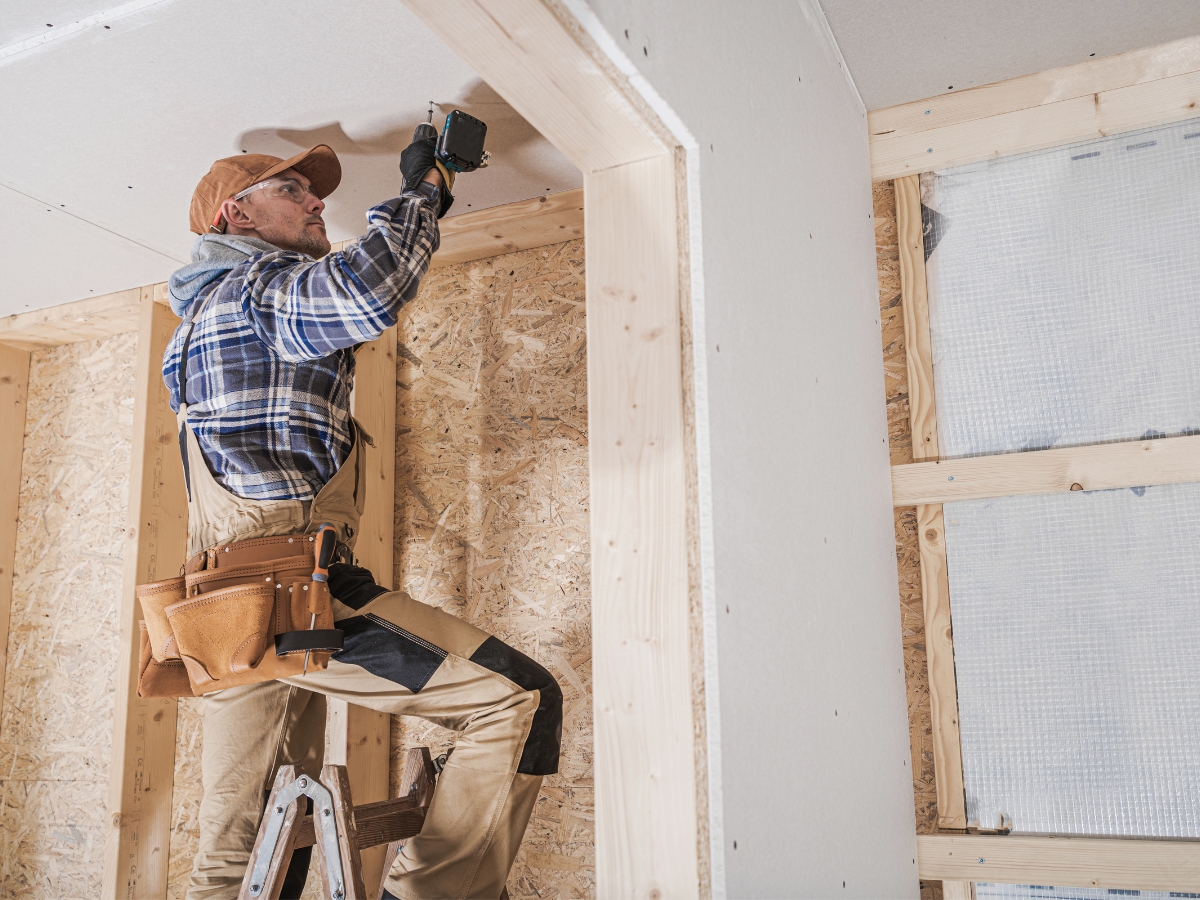
Permits and local rules can feel like the least exciting part of a remodel, but they often determine how smoothly the work goes. In Atlanta, skipping a required permit or starting before approvals are in place can lead to stop-work orders, reinspection fees, or delays that ripple through the entire schedule. A simple planning checklist helps you track what applies to your project, what has been submitted, and what still needs approval before any major work begins.
A good place to start is understanding that permits are typically tied to safety and structural integrity. If the work changes how your home is built, wired, or plumbed, the city and county usually want oversight. Metro Atlanta also includes multiple jurisdictions, and requirements can vary depending on where you live. That is why it helps to confirm the rules for your specific address early, rather than assuming the process is the same across the region.
Which Permits Are Required for Different Types of Home Renovations?
In many Atlanta remodeling projects, building permits are required when you are making structural changes. That can include moving or removing load-bearing walls, altering the footprint, adding square footage, or changing major elements like framing. Even when the work feels straightforward, anything that affects structure or life safety can trigger a review.
Electrical permits are commonly required when wiring is added or modified. If you are upgrading a panel, adding circuits, relocating outlets, or installing new lighting in a way that involves new wiring, you will usually need a permit and inspection. The same goes for plumbing permits when you move supply lines or drains, relocate fixtures, or make changes that affect how plumbing systems function. Many homeowners are surprised to learn that “just moving a sink” can count as a regulated change, especially if it impacts venting or drain placement.
Because permit needs depend on scope, it helps to talk through your exact plan with the local permitting office, or with a professional who has handled projects in your part of Metro Atlanta. Add each permit type to your planning checklist so you can confirm what is required, who is responsible for pulling it, and when inspections will happen.
How to Avoid Common Permit Pitfalls in Metro Atlanta Remodeling Projects?
Most permit problems come from timing, missing details, or unclear responsibility. The easiest way to avoid delays is to research requirements at the beginning, not after materials are ordered or demolition has started. If drawings or plans are needed, build that into your timeline. Many approvals take longer than people expect, especially during busy seasons.
Submitting applications promptly also matters. Waiting until the last minute can stall the entire job because inspections often must be scheduled around specific phases of work. If an inspection is missed, the project can pause until the next available slot. That is frustrating for homeowners and contractors alike, and it is usually avoidable with better planning.
Recordkeeping is another simple step that prevents stress later. Keep copies of permits, inspection approvals, and any official correspondence in one place. This can help if questions come up during the project, and it can also be useful if you sell the home and need to document that work was completed properly. When your planning checklist includes permit requirements, submission dates, and inspection checkpoints, you create a clear paper trail and reduce the odds of surprises mid-remodel.
How Should You Approach Design and Material Selection, Including Flooring Choices?

Design and material selection are where a remodel starts to feel real, because your choices affect how the space looks, how it functions, and how it holds up over time. It is also where projects can get off track if decisions are made too quickly or without thinking through daily use. A good planning checklist keeps you grounded in the basics: what the room needs to do, how much wear it will get, and what style you want to live with for years.
Start by looking at the big picture before you zoom into details like tile patterns or hardware finishes. Think about how the home flows from one space to the next, especially if you are updating multiple areas. Consistency does not mean every room has to match, but it does help to choose materials that coordinate in tone and quality. Flooring is a great example. Because it covers so much visual area, it can either unify the home or make it feel choppy if transitions are not planned well. If your remodel includes open-concept areas, hallways, or multiple adjacent rooms, your flooring plan should be intentional, not an afterthought.
Durability matters just as much as appearance. If you have pets, kids, or high foot traffic, prioritize surfaces that can handle scratches, spills, and frequent cleaning. If comfort is the priority, consider how the floor feels underfoot and whether sound control matters, especially in upper levels or homes with echo-prone layouts. When you run each choice through a planning checklist, you are less likely to fall in love with something that looks great in a showroom but frustrates you in real life.
What Are the Latest Trends in Flooring and Sustainable Materials for 2026?
Flooring trends tend to evolve, but a few themes have been sticking around because they solve real homeowner problems. One of the biggest is interest in materials that feel more sustainable or lower impact. Options like bamboo, cork, and reclaimed wood appeal to people who want a natural look while making more environmentally mindful choices. These materials can also bring warmth and texture into a space, which is helpful if the rest of your design leans modern or minimalist.
Another popular direction has been the continued rise of luxury vinyl plank, often shortened to LVP. Homeowners like it because it can mimic the look of hardwood while being easier to maintain in busy households. It is also a practical option in areas where moisture is a concern, like kitchens, mudrooms, and basements. If you love the idea of wood but do not want to worry about constant upkeep, LVP is often worth considering.
Texture has also become a bigger part of the conversation, both for style and for function. Subtle grain patterns, matte finishes, and lightly textured surfaces can add depth without feeling busy. They also tend to hide small scratches and everyday wear better than high-gloss finishes. The smartest way to work with “trends” is to treat them as inspiration, then choose what fits your home, your budget, and your lifestyle. Add your finalists to your planning checklist and compare them side by side for durability, maintenance, and how they will look next to your wall colors and lighting.
How to Integrate Smart Home Features into Your Remodel Design?
Smart home features work best when they are planned early, not tacked on at the end. During a remodel, you have a rare chance to think through wiring, device placement, and how you want the home to function day to day. Start with areas where smart upgrades add real convenience, like temperature control and lighting. Smart thermostats can help manage comfort and energy use, especially if you have rooms that run hot or cold. Automated lighting can simplify routines and reduce the annoyance of constantly adjusting switches, particularly in kitchens, hallways, and entryways.
Security is another common focus. Smart doorbells, cameras, and integrated locks can add peace of mind, but placement and connectivity matter. It is worth making sure your Wi-Fi coverage supports the devices you want, and that you are comfortable using the system long-term. As you weigh options, keep your planning checklist close so the technology supports your design instead of complicating it. When smart features are chosen with intention, they blend into the remodel and make the home feel easier to live in.
How Do You Plan And Manage Your Remodel Project Timeline Effectively?

A remodel can feel manageable at the start and then suddenly get complicated once materials, crews, and inspections all have to line up. The best way to keep things moving is to treat the timeline as a working plan, not a guess. When you build your schedule around real steps and clear handoffs, you reduce downtime and avoid the “why are we waiting” moments that stretch projects out. This is also where a planning checklist earns its keep, because it helps you track what has been decided, what is pending, and what needs to happen next.
Start by mapping the project from the end goal backward. Think about the date you want the space usable, then work in buffers for lead times, inspections, and inevitable surprises. Even with a strong plan, remodeling is not perfectly predictable. That is normal. What matters is having a structure that lets you respond quickly without constantly reinventing the schedule.
What Is A Realistic Schedule For Home Renovation Phases?
Most remodeling timelines follow similar phases, but the length of each phase depends on the size of the project and how many decisions are already locked in. Planning and design often take a few weeks, especially if drawings are needed, and permits must be secured. This stage can move faster when materials and layouts are selected early, and it can drag when key choices are still up in the air.
Demolition and preparation are usually shorter, but it still requires coordination. Before the demo begins, you want materials ordered, a clear plan for protecting the rest of the home, and a realistic understanding of what might be uncovered once walls or floors come up. Older homes, for example, can reveal wiring or framing issues that require adjustments.
Construction tends to be the longest phase. A smaller remodel may wrap in a month or so, while bigger projects can extend longer depending on the scope and availability of trades. Instead of focusing on the total duration alone, pay attention to sequencing. Work tends to go smoother when tasks are scheduled in the right order, and no one is waiting on the previous step. Keeping a planning checklist throughout this phase helps you confirm deadlines, track deliveries, and make sure the next trade can start when expected.
How To Communicate And Monitor Progress During Construction?
Clear communication prevents small issues from turning into expensive ones. A regular check-in rhythm is one of the simplest ways to stay aligned. Weekly conversations work well for many projects because they allow time for progress while still catching problems early. Use those check-ins to review what was completed, what is coming next, and what decisions are needed from you.
It also helps to track progress in a shared place, even if it is just a simple document. When tasks, timelines, and approvals are easy to reference, fewer things slip through the cracks. If changes come up, document them right away. Write down what changed, why it changed, and how it affects cost or timing. That protects everyone and reduces misunderstandings later.
How To Think About Financing And Permits Without Derailing The Timeline
While financing and permitting are not “construction,” they can stall construction if they are handled late. If you are using a home equity loan, personal loan, or a renovation mortgage, confirm the funding timeline and any paperwork requirements before work starts. Delays often happen when homeowners assume funds will be available immediately, but processing can take longer than expected.
Permits also affect timing because inspections often need to happen at specific points in the build. If approvals are not in place, work may pause. Keeping your permit details, inspection dates, and paperwork organized alongside the rest of your planning checklist makes it easier to stay compliant and avoid preventable downtime.
Home remodeling is a major project, but it does not have to feel chaotic. When your schedule is built around real phases, your communication is consistent, and your planning checklist stays current, you create a timeline that is realistic and easier to manage from start to finish. Atlanta can approach their renovation projects with confidence, ensuring that their vision is realized while adhering to budgetary and regulatory constraints.
Conclusion
A successful home remodel starts with a solid plan. By using this essential checklist—from defining your budget and selecting finishes to securing the right contractor—you lay the groundwork for a smooth transformation that meets your vision, timeline, and investment. For expert guidance and execution you can trust, partner with FD Remodeling Atlanta & Marietta. Our design-build remodel team will help you navigate every step, ensuring a stunning, stress-free result. Ready to turn your checklist into reality? Call 404-857-5582 or submit your project details through our online form for a personalized consultation. Let’s build the home you’ve been dreaming of.