

Hiring the right general contractor is arguably the most important decision in any home renovation or construction project, as their expertise, communication, and management directly determine the quality, timeline, and cost of the final result. Without a structured vetting process, you risk budget overruns, subpar workmanship, and unnecessary stress.
In this guide, we’ll provide a comprehensive contractor checklist covering essential steps—from verifying licenses and insurance to reviewing past projects and obtaining detailed bids—to help you confidently select a professional who is reliable, skilled, and the perfect fit for your specific job.
A General Home Contractor Checklist for Stress-Free Renovations
Defining Your Project Before You Start Interviewing

A contractor checklist should start before you ever call a contractor. The most common mistake homeowners make is reaching out with a vague idea like “we want to update the kitchen” or “we might redo the bathroom,” then expecting accurate pricing and timelines in return. Contractors can only estimate what they understand. When the scope is unclear, bids come back all over the map, conversations get frustrating, and the project is more likely to change midstream in ways that cost more than expected.
Why Clarity Comes First
A contractor checklist should start before you ever call a contractor. When homeowners reach out with a loose idea like “we want to update the kitchen,” they often get estimates that vary widely and conversations that go nowhere. Contractors can only price what they understand, so a vague scope usually leads to vague bids. When you define the work clearly, you make it easier to get accurate numbers, realistic timelines, and fewer surprises once the project begins.
Define Your Project Scope
You do not need a perfect plan, but you do need a clear description of what is changing and what is staying. Decide whether the project is cosmetic, like replacing finishes, or more involved, like moving walls, changing plumbing locations, or upgrading electrical. It also helps to note any existing issues you already know about, such as water damage, uneven floors, or ventilation problems. The more specific you can be, the more useful your contractor checklist becomes during interviews because each contractor is reacting to the same information.
Set A Realistic Timeline
Instead of saying “as soon as possible,” identify the timing that actually matters. If you are working around a move-in date, travel, or a planned event, note that upfront. Also consider how flexible you can be if materials are delayed or if the contractor’s schedule shifts. A clear timeline helps contractors plan labor and trade coordination, and it helps you avoid rushed decisions later. Your contractor checklist should include a timeline section so you can compare who can meet your needs without overpromising.
Establish Your Budget Range Early
Budget does not need to be a single fixed number, but you should have a realistic range before interviews start. If the budget and scope do not match, it is better to learn that early than halfway through the job. A helpful contractor checklist includes a short list of priorities, so you know what you are willing to upgrade and what you are willing to simplify if pricing comes in higher than expected. This keeps the project from drifting and helps the contractor recommend options that fit.
Match The Contractor To The Project Type
Project type affects who is a good fit. Remodels often involve working around daily life, discovering issues behind walls, and coordinating multiple trades in tight spaces. New construction is a different workflow. A contractor checklist should remind you to look for experience that matches your project, not just general experience. A contractor who excels at ground-up builds may not be the best fit for a detailed remodel in a lived-in home, and vice versa.
Use Your Contractor Checklist To Compare Apples To Apples
Once you have scope, timeline, budget range, and project type defined, your contractor checklist becomes a tool for consistency. Every contractor gets the same overview, so the bids and recommendations you receive are easier to compare. That clarity reduces miscommunication, limits change orders, and sets a more professional tone from the start.
Creating A Shortlist Of Qualified Contractors

A contractor checklist is only useful if you start with the right pool of people. If you contact every contractor you can find online, you will spend weeks sorting through inconsistent estimates, vague answers, and sales-heavy conversations that do not move the project forward. A smarter approach is to focus on quality over quantity and build a shortlist that is small enough to manage, but strong enough to give you real options. When each contractor on your list is genuinely qualified, the bids you get are easier to compare and the decision feels less like a gamble.
Where To Find Reputable General Contractors
Referrals are often the best starting point because they come with context. Friends, neighbors, coworkers, and local community groups can tell you not only who they hired, but how the contractor handled communication, changes, cleanup, and delays. That day-to-day experience is hard to learn from a website. If you know anyone in related trades, such as a designer, realtor, or building supplier, ask who they see doing consistent work. Those professional networks tend to know who shows up prepared and who creates problems on a job site.
Online reviews can also help, but they are best used as a filter, not a final answer. Look for patterns instead of one dramatic story. Consistent mentions of missed deadlines, messy job sites, poor communication, or surprise charges should be taken seriously. On the other hand, a contractor with a long history of steady, detailed feedback is often a safer bet than someone with only a few reviews that feel generic. Your contractor checklist should include a quick note section where you track what you see repeatedly in reviews, both positive and negative.
Local licensing boards and state databases are another important step. Confirm that the contractor’s license is active and that the business is in good standing. If your area requires specific licensing for certain work, this can immediately narrow your list. It is also a good moment to confirm basic professionalism, such as having insurance and using written contracts.
Why A Smaller Shortlist Saves Time
It is tempting to collect a long list “just in case,” but too many options often slows everything down. When you are juggling calls, site visits, and estimates from a large group, it becomes harder to track details and easier to miss warning signs. A manageable shortlist helps you compare apples to apples because you are asking the same questions, receiving bids in a similar window of time, and judging responses under the same conditions. For most homeowners, a shortlist of a few strong candidates is enough to make a confident decision without turning the search into a second job.
Red Flags To Watch For Early
A contractor checklist should help you spot issues before you invest more time. Lack of transparency is a big one. If a contractor will not answer basic questions about licensing, insurance, schedule, or how they handle change orders, that usually gets worse after the contract is signed. Missing credentials, such as an expired license or no proof of insurance, is another clear signal to move on.
Overly aggressive sales tactics are also worth noting. If someone pressures you to sign quickly, offers “today only” pricing, or avoids putting details in writing, that is not a good foundation for a project that requires trust and coordination. You should also be cautious of estimates that are dramatically lower than the rest without a clear explanation. A low number can mean important parts of the work are not included, or that the contractor is planning to make it up later through changes and add-ons.
Verifying Licenses, Insurance, And Certifications
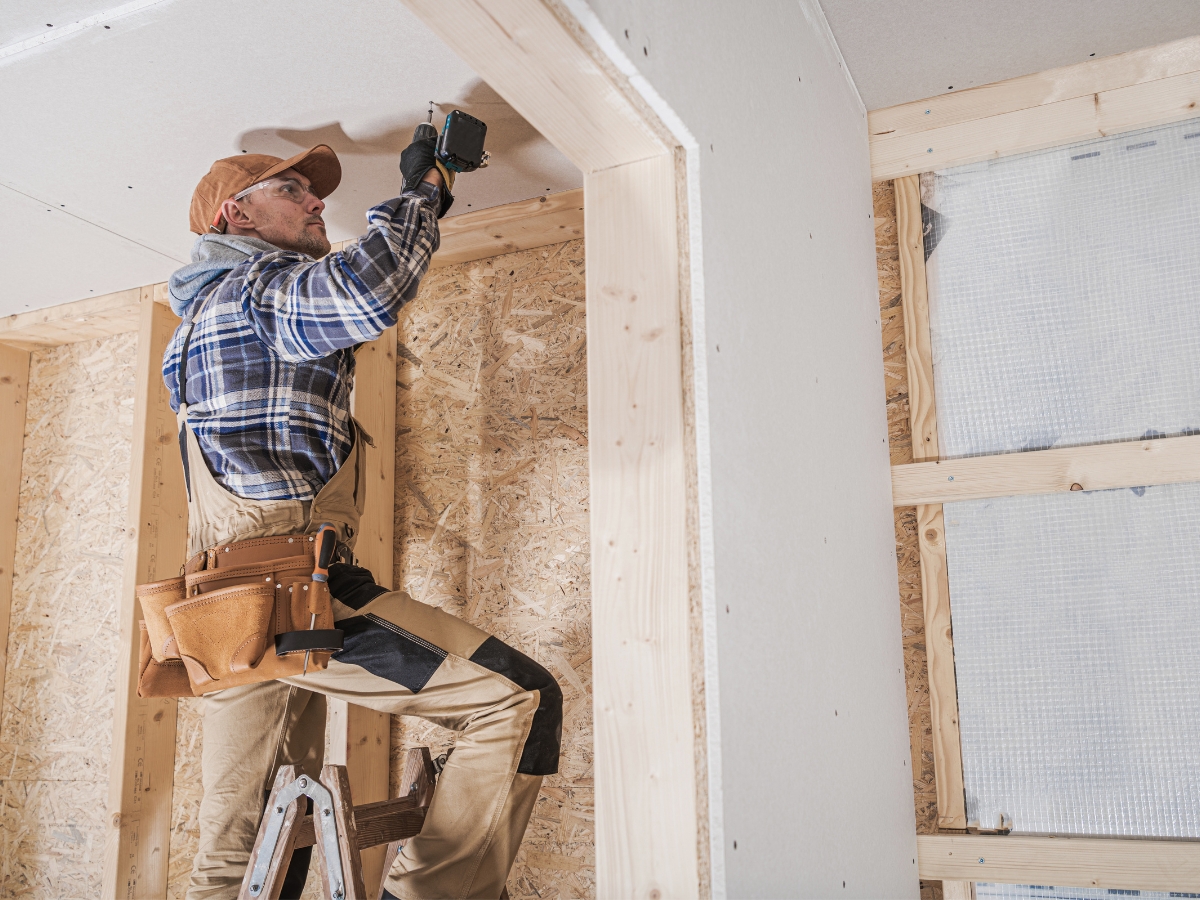
A contractor checklist is not just about comparing prices and timelines. It is also about reducing risk. Before any work starts, you want to confirm that a contractor is legally allowed to do the job and financially prepared if something goes wrong. Licensing, insurance, and certifications are the non negotiables that protect you, the workers on site, and the value of your home. Skipping this step can lead to problems that are expensive to fix, and in some cases, hard to unwind later.
Why Proper Licensing Matters
Licensing requirements vary by state and city, but the purpose is the same. A license shows the contractor has met local standards and is recognized by the appropriate authority. It also gives you a place to verify status and review any complaints or disciplinary actions. If a contractor cannot provide a license number, or if the number does not match their business name, that should pause the conversation.
Permits are connected to licensing in a practical way. Licensed contractors are usually familiar with local permitting rules and inspection requirements. Unpermitted work can create issues when you sell your home, file an insurance claim, or attempt future renovations. A strong contractor checklist includes a simple confirmation that permits will be handled correctly and that the contractor will not ask you to “work around” the rules.
How Insurance Protects Both Parties
Insurance is not just paperwork. It is a safety net for real situations, like property damage or injuries. Contractors should be able to provide a current certificate of insurance. You can also ask that you be listed as an additional insured for the project, which can add an extra layer of protection depending on the policy.
The two most common coverages you will hear about are general liability and workers’ compensation, and they protect different things. General liability insurance covers damage to property and certain claims related to the contractor’s operations. For example, if a water line is damaged and causes a leak, or if finished surfaces are harmed during the work, liability coverage may apply depending on the circumstances.
Workers’ compensation is separate. It covers medical costs and related expenses if a worker is injured on the job. If a contractor does not carry workers’ compensation and someone gets hurt on your property, you could be exposed to serious financial risk. Even if the contractor is a small operation, it is still important to confirm how worker injuries are handled and whether coverage is in place.
Understanding Bonding And Why It Matters
Bonding is often confused with insurance, but it is not the same. A bond is a financial guarantee that the contractor will meet certain obligations. If they fail to complete the work, do not pay subcontractors, or do not follow agreed terms, a bond can provide a path to recover losses. Not every job requires bonding, and not every contractor carries it, but it is worth understanding when it is relevant, especially for larger projects.
If a contractor talks about being bonded, ask what type of bond it is and what it covers. It should be clear and documented, not treated as a vague selling point.
Certifications And What They Actually Tell You
Certifications can be useful, but they are not a substitute for licensing and insurance. A certification usually indicates training in a specific product, method, or trade standard. It can be a good sign of professionalism, but it should not be the deciding factor. In your contractor checklist, treat certifications as a bonus that supports experience, not proof of it.
When you verify licenses, insurance, and relevant certifications upfront, you protect your budget and your home. This part of the contractor checklist may feel less exciting than choosing finishes, but it is what keeps a project from turning into a legal or financial mess later.
Reviewing Experience And Past Work

A contractor checklist should never treat “years in business” as the main proof of quality. Time matters, but relevance matters more. A contractor can have decades of experience and still be the wrong fit if their work is mostly new builds and you are planning a detailed remodel, or if they specialize in kitchens and you need structural changes, waterproofing, or complex trade coordination. When you review experience, the goal is to confirm that the contractor has successfully completed projects that look like yours in scope, materials, and problem solving.
Why Relevant Experience Matters More Than Time
A contractor who regularly handles projects similar to yours is more likely to anticipate common challenges, price the work accurately, and keep the schedule realistic. Relevant experience also affects how they communicate. Someone who does a lot of remodels in lived in homes will often have a better process for dust control, daily cleanup, and protecting finished areas. Your contractor checklist should focus on whether their recent work matches your needs, not just whether they have been around a long time.
It helps to ask direct questions about scope. Have they handled structural changes, permitting, older homes, or tight access sites? Do they regularly coordinate multiple trades, or do they mainly take on simpler, finish focused jobs? These details can reveal whether their experience is truly comparable to what you are planning.
What To Look For In Portfolios And Photos
Portfolios, before and after photos, and case studies are useful, but they can be misleading if you only judge the final look. Lighting, staging, and photography can hide poor prep work or rushed finishes. When you review a portfolio, look for consistency across multiple projects instead of one standout image. It is also helpful to ask for photos that show the work in progress. Those pictures can reveal how the site was managed, how materials were protected, and whether the work was done with care before everything was covered up.
A strong contractor checklist includes a note to look for details that suggest craftsmanship, not just style. Pay attention to transitions between materials, alignment of tile or flooring, clean cuts around outlets and trim, and how corners and edges are finished. These are the areas where quality shows up quickly, and where shortcuts tend to stand out.
How To Assess Workmanship Beyond Aesthetics
Workmanship is not just about whether something looks nice on day one. It is also about whether it holds up. When you talk through past projects, ask what problems came up and how they were solved. A contractor who can explain how they handled unexpected framing issues, moisture concerns, or material delays is often more trustworthy than someone who claims every project is “smooth from start to finish.”
You can also ask what standards they follow for prep work, especially for surfaces that need to be level, sealed, or waterproofed. Good prep rarely shows in photos, but it is often the difference between a project that lasts and one that starts failing early. If the contractor avoids details or gives vague answers, that should be noted on your contractor checklist as a potential concern.
Use Similar Projects To Make A Fair Comparison
When you are comparing contractors, try to compare similar work. A contractor who shows you a portfolio of small cosmetic updates is not giving you useful evidence if your project involves major layout changes. The more closely the past work matches your scope and complexity, the more confident you can be in their estimate and their approach. That is why reviewing experience and past work is one of the most important steps in any contractor checklist.
Checking References And Reputation

Online reviews are useful for a first impression, but they should not be the final word on who you hire. A solid contractor checklist includes time set aside to speak directly with past clients. A conversation gives you details that reviews usually leave out, like how the contractor handled surprises, whether communication felt clear or stressful, and what the job site was like day to day. It also helps you confirm that the contractor’s strongest selling points show up in real projects, not just marketing language.
Why Speaking With Past Clients Matters
Reviews tend to focus on the outcome, not the process. A project can look great in photos while the experience behind it was messy, disorganized, or full of avoidable delays. Talking to a reference helps you understand what it was actually like to live through the work. You also get a better sense of how the contractor behaves when things are not perfect, because nearly every project runs into something unexpected. That is why reference checks are a key step in any contractor checklist, even if the contractor has a long list of positive ratings online.
When you ask for references, request recent clients and, if possible, a project similar to yours. A contractor might be excellent at small upgrades but less organized on complex remodels, or the other way around. The closer the reference project matches your scope, the more useful the feedback will be.
Questions To Ask Contractor References
Start with communication, since that is where most problems either get prevented or allowed to grow. Ask how often the contractor checked in, whether questions were answered promptly, and if the client felt informed about the schedule and next steps. It is also smart to ask who the client actually dealt with each day. Sometimes the person who sells the job is not the person running it, and your contractor checklist should help you confirm who manages the project in real life.
Next, ask about problem solving. Every remodel has surprises, whether it is hidden damage, backordered materials, or changes needed to meet code. You want to hear how the contractor handled those moments. Did they explain options clearly, give realistic costs, and document changes in writing? Or did the client feel pressured or confused when something shifted?
Timelines are another key topic. Instead of asking if the job finished “on time,” ask how accurate the original schedule was and what caused any changes. A delay due to weather or a material shortage is different than a delay caused by poor planning or unreliable subcontractors. References can also tell you whether the job site stayed organized and whether the work moved steadily or stalled for long stretches.
Finally, ask how conflicts were handled. Even good projects have moments of disagreement about details, quality, or cost. The contractor checklist should encourage you to learn whether issues were addressed calmly and professionally, or whether the client felt dismissed. It is also fair to ask what they would do differently if they could redo the project. That question often reveals the most honest feedback.
Focus On Patterns, Not One-Off Complaints
One negative comment is not always a dealbreaker. People have different expectations, and sometimes a complaint is more about a personality mismatch than real performance. What matters is whether you hear the same themes repeatedly. If multiple references mention poor communication, messy scheduling, or surprise add-ons, treat that as a pattern. The same is true for positive feedback. If several clients describe the contractor as organized, clear, and consistent, that is a strong sign you are on the right track.
A contractor checklist works best when it helps you collect comparable information. References and reputation are not about getting a perfect story. They are about confirming what is consistent, so you can hire with fewer unknowns and more confidence.
Comparing Estimates The Right Way

A contractor checklist should include a plan for comparing estimates before you choose anyone. It is easy to look at the bottom line and assume the lowest number is the best deal, but that is rarely how remodeling projects work. The cheapest estimate is often the one with the most missing details, the most aggressive assumptions, or the most room for add-ons later. A better approach is to compare what each contractor is actually including, how clearly they explain it, and how likely the price is to hold once work begins.
Why The Lowest Price Can Cost More
A low bid can happen for honest reasons, like lower overhead or a smaller crew, but it can also signal problems. Some contractors underbid to win the job and then rely on change orders to make it profitable. Others leave out necessary prep work, disposal, protection of finished areas, or permit related steps that will eventually show up as extra charges. Your contractor checklist should remind you that price only means something when the scope is defined the same way across all estimates.
How To Read Line-Item Estimates
A line-item estimate is valuable because it shows how the contractor is thinking through the project. It should separate major phases of work, list key materials or labor categories, and clarify what is included. If one estimate is detailed and another is a single number with a short description, they are not comparable. In those cases, the detailed bid is usually the safer one because it reduces misunderstandings.
When you review line items, look for clarity around demolition, prep, and finishing. These steps take time and affect quality, yet they are often where vague bids hide shortcuts. A contractor checklist should encourage you to confirm that protection for floors and nearby areas is included, along with cleanup and hauling. If those items are missing, ask whether they are included elsewhere or not included at all.
Understand Allowances And Why They Matter
Allowances are placeholders for items you have not selected yet, like tile, fixtures, cabinets, or lighting. They can be useful, but they can also make an estimate look cheaper than it will be. The key is whether the allowance amounts are realistic for the finish level you want. If you are planning mid range fixtures and one estimate uses a very low allowance, the bid may not reflect the true project cost.
Your contractor checklist should include a step to compare allowances side by side. If one contractor uses higher allowances, their estimate may look more expensive, but it may also be closer to what you will actually spend. Ask what brands, quality level, or typical price range the allowance is based on, so you are not guessing.
Review Exclusions Before You Sign Anything
Exclusions tell you what the contractor is not including. They matter as much as what is included because exclusions often become surprise expenses. Common exclusions can include permits, design work, moving plumbing or electrical, patching drywall beyond the immediate work area, painting, or disposal of certain materials. Sometimes exclusions are reasonable. The problem is when they are not clearly stated.
A contractor checklist should prompt you to ask, “What is not included that homeowners usually assume is included?” That one question can surface gaps that are easy to miss in writing.
Spot Vague Bids And Pricing Traps
Be cautious with estimates that use broad language like “as needed” or “standard installation” without specifics. Vague bids make it hard to hold the contractor accountable because the scope is flexible. Also watch for estimates that do not mention change order procedures. Even good projects have changes, but the process should be clear, written, and agreed on.
If an estimate is dramatically lower than the rest, treat it as a warning sign until proven otherwise. Ask the contractor to walk you through their assumptions and confirm that nothing important is missing. A thorough contractor checklist helps you choose the estimate that is most complete and most realistic, not just the one with the smallest number.
Understanding Contracts, Timelines, And Payment Schedules

A contractor checklist is not complete without a clear review of contracts, timelines, and payment schedules. This step protects both sides and sets expectations before work begins. A written contract is not about distrust. It is about clarity. When details are documented, there is far less room for confusion, delays, or disputes once the project is underway.
What A Solid Contract Should Clearly Define
A well written contract should spell out the scope of work in plain language. This includes what is being built, removed, or modified, along with the materials and finishes that will be used. Vague descriptions leave too much open to interpretation, which can lead to disagreements later. Your contractor checklist should prompt you to confirm that drawings, specifications, or selections are either included in the contract or referenced as part of it.
The contract should also outline responsibilities. This includes who is handling permits, inspections, site protection, and cleanup. When these items are not clearly assigned, they often become friction points during the project. Clear responsibility keeps the job moving and avoids finger pointing if something is missed.
Why Timelines Matter More Than Dates Alone
A timeline should do more than list a start and end date. It should describe the sequence of work and how long each phase is expected to take. Construction schedules can change, but a reasonable timeline shows that the contractor has thought through the workflow. It also gives you a way to track progress and spot issues early.
Your contractor checklist should include a review of how delays are handled. Weather, material shortages, or unexpected conditions happen, but the contract should explain how schedule changes are communicated. Clear expectations around updates help prevent frustration and keep everyone aligned when adjustments are needed.
Understanding Payment Schedules And Milestones
Payment schedules deserve careful attention. Reputable contractors structure payments around milestones, not arbitrary dates. This ties payments to visible progress and protects both parties. An upfront deposit is common, but it should be reasonable and clearly stated. Payments that are too heavily front loaded can increase risk if the project stalls.
A contractor checklist should remind you to confirm what triggers each payment. This might be completion of demolition, rough work, or installation phases. The contract should also explain how changes affect pricing and payments so there are no surprises if the scope shifts.
How Change Orders Should Be Handled
No matter how well a project is planned, changes happen. A solid contract explains the change order process in advance. This includes how changes are requested, how pricing is calculated, and when approval is required. Verbal approvals are a common source of conflict, especially when costs increase. Written change orders protect everyone by documenting decisions as they are made.
Including this step in your contractor checklist helps prevent disputes that can stall a project or strain the working relationship.
Warranties And Dispute Resolution Clauses
Contracts should also address warranties for workmanship and materials. Knowing what is covered, for how long, and how issues are handled gives peace of mind after the project is finished. Equally important is the dispute resolution section. This outlines how disagreements are resolved if they arise, whether through mediation, arbitration, or other methods.
Handshake deals and verbal promises might feel convenient, but they leave too much to memory and interpretation. A clear, written contract is one of the most important tools in your contractor checklist, helping ensure that the project moves forward with shared expectations and fewer risks.
Final Checklist Before Making Your Decision

By the time you reach the decision stage, you should have more than a stack of estimates. You should have a clear picture of how each contractor communicates, how they plan a project, and how well they match the scope you are taking on. A contractor checklist helps you slow down and make a choice based on confidence, not urgency. This is the point where you pull everything together and evaluate the full package, not just one factor like price or availability.
Compare The Full Scope, Not Just The Bottom Line
Start by confirming that you are comparing the same scope across all bidders. Look at what is included, what is excluded, and how allowances are handled. A contractor who looks more expensive may simply be giving a more realistic estimate with fewer gaps. If one bid feels thin or vague, treat that as a risk, even if the number is appealing. A reliable contractor checklist reminds you that the goal is fewer surprises, not the lowest starting price.
Look For Transparency In How They Explain The Work
Transparency shows up in the details. Did the contractor answer questions clearly, or did you feel brushed off? Did they explain tradeoffs and options, or jump straight to selling you on one approach? The best contractors are willing to talk through assumptions, explain how they price the job, and clarify what happens if conditions change. If you find yourself confused after multiple conversations, that is usually a sign the process will not get easier once the job begins.
Evaluate Professionalism On Small Things
Professionalism is not only about a polished website or a friendly sales pitch. It is the day to day habits that predict how the project will run. Pay attention to follow through. Did they show up when they said they would, send information on time, and keep paperwork organized? Were they respectful of your time and consistent in their communication? A contractor checklist should treat these small signals as meaningful because they often reflect how scheduling, coordination, and problem solving will be handled later.
Prioritize Trust And Working Fit
You are not only hiring skills. You are hiring a working relationship. Trust matters because remodeling involves decisions, surprises, and plenty of small moments where you need to rely on the contractor’s judgment. Ask yourself whether you would feel comfortable raising a concern, asking for clarification, or pushing back on a change order. If the contractor reacts defensively or applies pressure early, that usually becomes worse, not better, when the project is under stress.
Choose Value Over Pressure
A strong contractor checklist includes one final rule: do not decide based on urgency. High pressure tactics can show up as “today only” pricing, insisting you sign immediately, or making you feel like you will lose your spot if you ask more questions. It is normal for schedules to fill, but a professional contractor can explain availability without forcing a rushed decision. You should be able to review the contract, confirm details, and think without being pushed.
Make Your Decision With Clear Next Steps
Before you commit, confirm that the contract reflects what you discussed, including scope, payment milestones, change order procedures, and warranty terms. Make sure the timeline is realistic and that communication expectations are clear. When you choose based on trust, transparency, professionalism, and realistic value, your contractor checklist has done its job. The goal is to move forward feeling informed and steady, not anxious or rushed.
Conclusion
Using a thorough general contractor checklist is the key to hiring a reliable professional who will manage your project with skill, transparency, and integrity. Verifying credentials, reviewing past work, and ensuring clear communication can transform a stressful renovation into a smooth, successful experience. For a partner who meets and exceeds every item on that checklist, choose FD Remodeling Atlanta & Marietta. Ready to start your remodeling project with confidence? Call 404-857-5582 or submit your project details through our online form for a personalized consultation. Let’s build something amazing, together.