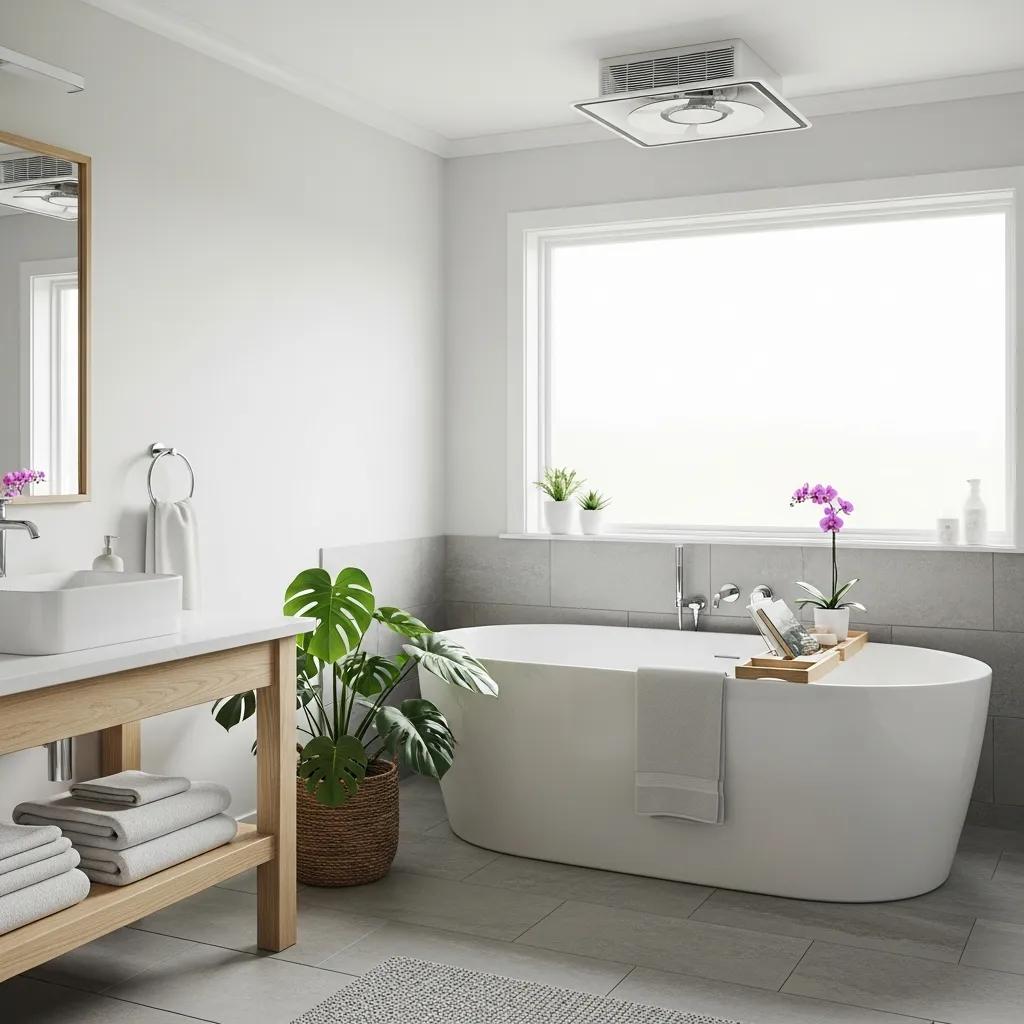
Implementing effective bathroom ventilation is critical for Atlanta homeowners to combat the region’s high humidity, which can lead to persistent mold growth, peeling paint, and structural damage if moisture is allowed to accumulate. A properly sized and installed ventilation system removes steam and odors efficiently, protecting your investment and maintaining healthy indoor air quality.
This guide explores the most effective bathroom ventilation solutions for Atlanta homes, from evaluating exhaust fan CFM ratings and ducting best practices to considering supplemental options like dehumidifiers, ensuring your bathroom remains fresh, dry, and damage-free.
Bathroom Ventilation That Actually Prevents Mold
Why Is Bathroom Ventilation Essential for Atlanta Homes?
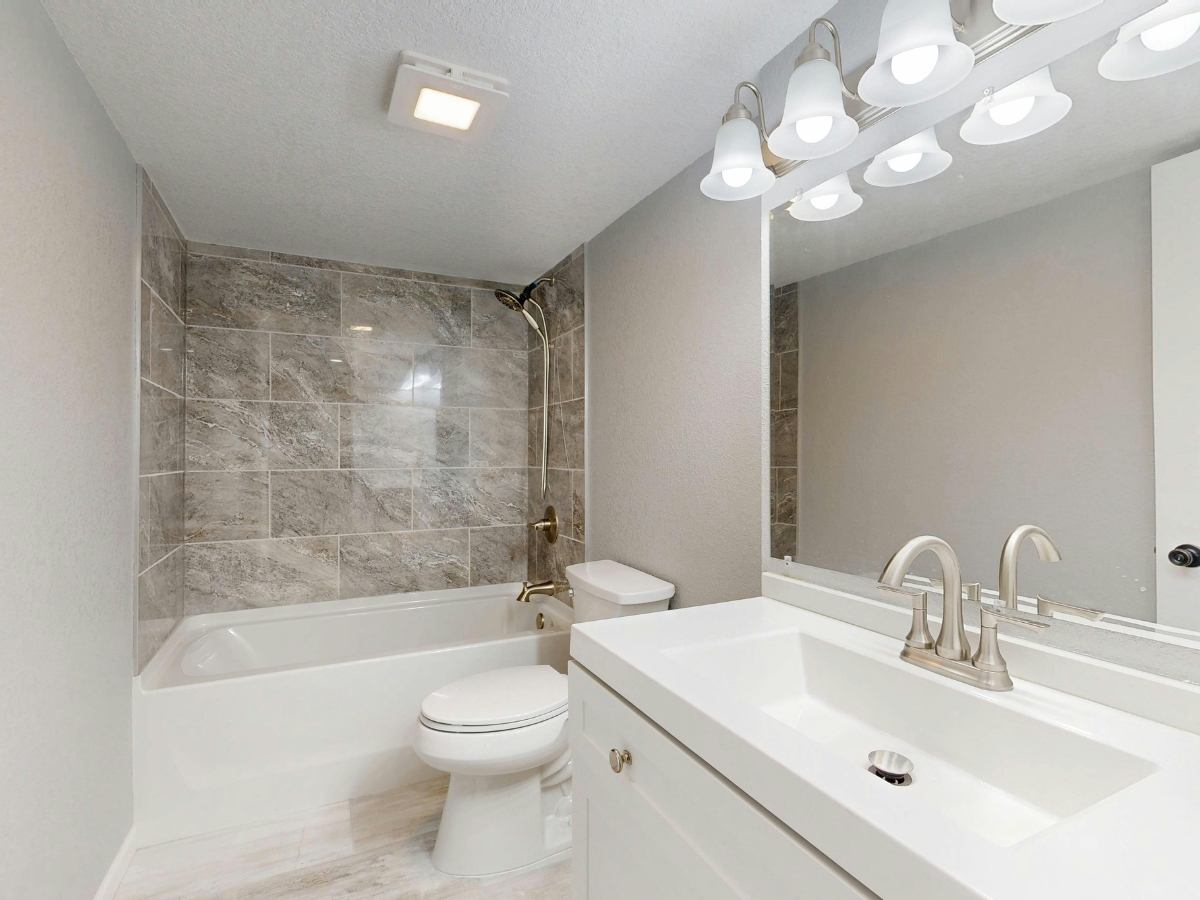
Bathroom ventilation is one of those home features people forget about until there is a problem. In reality, it plays a major role in keeping bathrooms clean, comfortable, and easier to maintain over time. Every shower releases a lot of moisture into the air, and without a way for that damp air to escape, it settles into paint, drywall, grout, and even cabinets.
In Atlanta, where humidity is already part of daily life for much of the year, bathroom ventilation becomes even more important. A good fan does not just remove odor. It helps control indoor moisture so your bathroom does not stay damp long after you turn the water off.
When bathroom ventilation is working properly, it pulls humid air out and replaces it with drier air from the rest of the home. That simple air exchange can make a big difference in how quickly mirrors clear, how long surfaces stay wet, and how often mildew shows up around the shower or tub.
How Does Atlanta’s Humid Climate Affect Bathroom Air Quality?
Atlanta’s weather tends to bring long stretches of humid conditions, especially in warmer months. That outside humidity can make it harder for moisture to naturally dissipate indoors, particularly in smaller bathrooms with limited airflow. When you add a hot shower to the mix, humidity levels can spike quickly. If that air stays trapped, the bathroom can feel stuffy and linger with a damp smell that never fully goes away.
Over time, trapped moisture can affect bathroom air quality. Mold spores and mildew do not need much to grow, and a consistently humid room gives them the right conditions. Even if you clean regularly, the moisture itself keeps feeding the problem. Proper bathroom ventilation helps break that cycle by moving the humid air outside instead of letting it circulate and settle on surfaces.
What Are The Health And Property Risks Of Poor Ventilation?
Poor ventilation is not just a cosmetic issue. Mold and mildew can contribute to allergy symptoms and respiratory irritation, especially for people who are sensitive or already dealing with asthma. Even when mold is not visible, damp conditions can lead to musty odors and a general feeling that the space is not staying fresh.
Moisture also takes a toll on the bathroom itself. Paint can blister or peel, caulk can break down faster, and grout lines can discolor. In more severe cases, repeated moisture exposure can damage drywall, warp trim, or lead to swelling in cabinetry. Fixtures and hardware can also corrode faster in a damp environment. These issues tend to build slowly, which is why they are often dismissed at first. Then the repairs become more expensive because the damage spreads beyond the surface.
Strong bathroom ventilation is one of the simplest ways to protect both your health and your home. By clearing out humid air quickly, you reduce the conditions that mold prefers and help your bathroom materials last longer. In a humid area like Atlanta, that moisture control is not a luxury. It is part of basic home upkeep that pays off over time.
Which Bathroom Exhaust Fan Installation Options Are Best for Atlanta Residences?
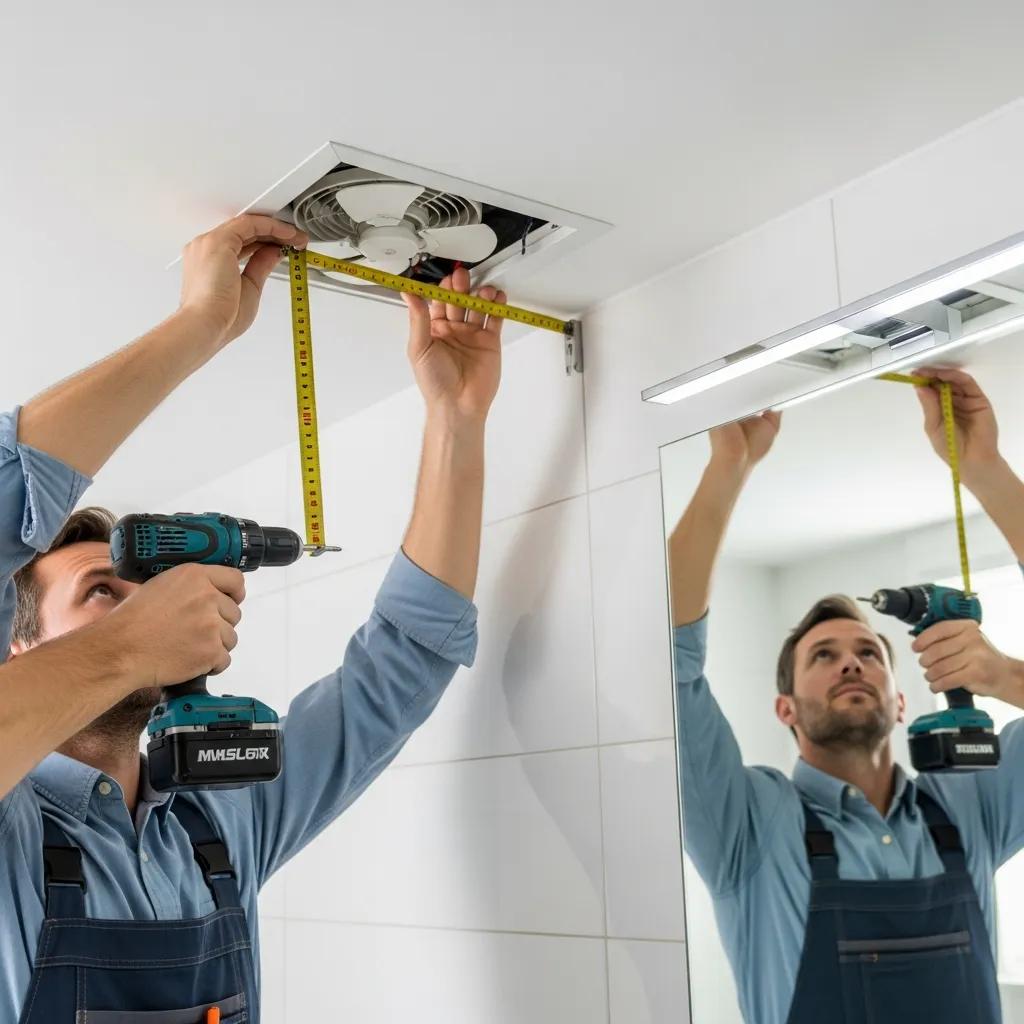
Picking the right exhaust fan is one of the simplest ways to improve bathroom ventilation, especially in Atlanta where humidity can linger inside long after a shower. A fan that is too small will run but barely move moisture out of the room. A fan that is loud or poorly installed often gets used less, which defeats the purpose. The best setup is the one that clears steam quickly, runs quietly enough that people actually turn it on, and vents to the exterior so moisture is not dumped into an attic or crawlspace.
For many Atlanta homes, the most common options include a standard ceiling-mounted fan, a fan with an integrated light, or a unit that includes a humidity sensor that turns on automatically. If your bathroom has limited ceiling space or a specific layout, some homes use inline fans placed in the duct run to reduce noise in the room while still improving airflow. The right choice depends on the bathroom size, how often it is used, and how the ductwork can be routed outside.
How To Choose The Right CFM And Quiet Bathroom Fans In Atlanta?
CFM, or cubic feet per minute, is the rating that tells you how much air the fan can move. A simple guideline is to aim for at least one CFM per square foot of bathroom space, with a minimum of fifty CFM for smaller bathrooms. That baseline helps ensure the fan can keep up with everyday moisture, but higher humidity households may benefit from a little extra airflow, especially if the bathroom is used back-to-back in the morning.
Noise level matters just as much as airflow. Fans are rated in sones, and the lower the number, the quieter the fan will sound. Many homeowners prefer models rated around one sone or less for bathrooms near bedrooms or in homes where early mornings and late nights are common. Quiet fans support better bathroom ventilation because people are more likely to run them long enough to actually remove the moisture instead of turning them off early to avoid the noise.
It also helps to consider the fan’s features. A humidity-sensing fan can be useful in Atlanta homes because it runs when moisture spikes, even if someone forgets to switch it on. Timer controls are another practical upgrade since they let the fan keep running for a set period after a shower, which is often when most of the moisture needs to be cleared.
What Are The Benefits Of Professional Exhaust Fan Installation?
Installation quality has a big impact on how well bathroom ventilation works. A fan can have a strong CFM rating, but if the duct run is too long, poorly sealed, or routed incorrectly, performance drops quickly. Professional installation helps ensure the fan is properly sized for the room, placed in an effective location, and vented to the outside as required. That includes using the right duct size, limiting bends that restrict airflow, and sealing connections so humid air does not leak into hidden spaces.
Professional installers also pay attention to common problem areas, like insufficient attic insulation around the ducting, incorrect termination points, or backdraft issues that can pull air back into the bathroom. Those details matter for long-term results because moisture problems often show up slowly and are expensive to correct once they spread into framing or drywall.
Many homeowners also like the peace of mind that comes from knowing the installation meets electrical and venting requirements. When bathroom ventilation is installed correctly, the bathroom dries out faster, odors clear more quickly, and the space stays cleaner with less effort over time.
How Can Atlanta Homeowners Prevent Bathroom Mold Through Ventilation?

Mold problems in bathrooms usually start the same way: moisture builds up faster than it can escape. After a hot shower, steam settles on walls, mirrors, and grout lines. If the room stays damp, that moisture becomes a consistent fuel source for mildew and mold. In Atlanta, where humidity is already high for much of the year, bathroom ventilation is one of the most effective tools homeowners have for keeping bathrooms drier and easier to maintain.
The goal is not just to remove odors. It is to move humid air out of the room before it has time to soak into surfaces. When bathroom ventilation is sized correctly and used consistently, you reduce condensation, shorten dry-out time, and limit the conditions mold needs to spread.
What Mold-Resistant Materials And Sealing Techniques Are Effective?
Ventilation works best when the bathroom is also built or maintained in a way that does not trap moisture. Mold-resistant materials can help, especially in areas that get wet often. Moisture-resistant drywall is commonly used behind paint in bathrooms, while cement board is often used around tubs and showers under tile. Mold-resistant paint can also make walls easier to wipe down and less likely to hold moisture, particularly in bathrooms that do not have a window.
Sealing is another practical step that supports bathroom ventilation. Small gaps around plumbing penetrations, windows, and trim allow humid air to move into wall cavities where it can linger unnoticed. A simple inspection and resealing of worn caulk around tubs, shower edges, and backsplashes helps keep moisture on the surface where it can dry out, instead of letting it seep behind the wall. Grout and tile should also be kept in good condition. Cracked grout or missing caulk creates places where water can sit and feed mildew even when the fan is running.
Routine maintenance ties everything together. Cleaning the fan cover, checking that the fan is actually pulling air, and making sure the vent duct is not blocked helps keep bathroom ventilation working the way it should. Many homeowners are surprised to learn their fan is running but moving very little air because of dust buildup or poor ducting.
How Do Smart Ventilation Systems Enhance Mold Prevention?
Smart systems can make mold prevention easier because they remove the need to remember timing. A common issue is that people turn the fan on late, or turn it off too soon. Smart bathroom ventilation systems use humidity sensors to detect when moisture levels rise and then run automatically until the room is back to a normal range. This is especially helpful in Atlanta homes where humidity can remain elevated even after the shower ends.
Smart controls also improve consistency. If you have multiple people using the bathroom each morning, moisture can build up throughout the day. An automatic system responds each time, helping the room dry out between uses. Some systems include timers and adjustable sensitivity, which lets homeowners fine-tune how long the fan runs depending on the bathroom size and how quickly it typically dries.
Practical Habits That Make Ventilation Work Better
Even with a good fan, small habits help. Running the fan during showers and for a period afterward gives bathroom ventilation time to clear the humid air. Keeping the shower door or curtain slightly open after use can also help moisture dissipate faster. When ventilation, materials, and maintenance work together, mold becomes much less likely, and the bathroom stays cleaner with less effort over time.
What Are FD Remodeling’s Integrated Ventilation Solutions For Bathroom Remodeling In Atlanta?

Bathroom ventilation is easy to overlook during a remodel, but it is one of the upgrades that can make the biggest difference in how the space feels long-term. In Atlanta’s humid climate, moisture builds quickly during showers and can linger for hours if the bathroom does not have strong airflow. FD Remodeling approaches bathroom ventilation as part of the overall renovation plan, not an afterthought. The goal is to create a bathroom that looks updated while also handling humidity in a way that helps prevent mold, protects finishes, and keeps the air feeling fresher.
A remodel is also a good time to address ventilation problems that were difficult to fix before, like undersized fans, poor duct routing, or fans that vent into the attic instead of outside. When ventilation is planned alongside the new layout, the final result tends to dry out faster and stay easier to clean.
How Does FD Remodeling Incorporate Ventilation Into Bathroom Renovations?
During a renovation, FD Remodeling evaluates the space and recommends an exhaust fan setup that fits the bathroom’s size, usage, and moisture levels. That includes selecting a fan with the right airflow rating, placing it where it can capture steam effectively, and integrating it into the ceiling plan so it does not feel like a tacked-on detail. In many bathrooms, placement matters just as much as fan power. A fan located too far from the shower may not clear humidity as efficiently, even if it is technically rated for the room.
Integration also includes duct planning. For bathroom ventilation to work well, the fan needs a clear path to vent humid air outdoors, with ducting that minimizes restrictions. During remodeling, it is often easier to correct duct length, adjust routing, and make sure the termination point is appropriate. When these details are handled during construction, you reduce the chance of lingering moisture that can lead to peeling paint, musty odors, or recurring mildew along grout lines.
What Financing And Warranty Options Support Ventilation Upgrades?
Ventilation upgrades can be part of a larger bathroom renovation budget, so financing options can help homeowners make improvements without cutting corners on important behind-the-scenes work. FD Remodeling offers flexible financing through partners such as Hearth, which can make it easier to include a properly sized fan, upgraded controls, or improved ducting as part of the remodel.
They also include a one-year labor warranty on their projects, which supports confidence in the installation quality. For homeowners, that matters because bathroom ventilation performance depends heavily on correct installation. A strong fan still underperforms if duct connections are loose, routing is inefficient, or the unit is not installed and sealed properly.
Understanding Exhaust Fan Options For Bathroom Ventilation
Exhaust fans generally fall into a few practical categories. Higher-CFM fans are designed for bathrooms that generate more moisture or have limited natural airflow, though they may produce more sound depending on the model. Standard fans are often suitable for smaller bathrooms when they are sized correctly and installed with good duct routing. Smart fans, including models with humidity sensors, can help maintain consistent bathroom ventilation by running automatically when moisture rises and shutting off when the room returns to a normal level.
When you are remodeling, choosing between these options comes down to how the bathroom is used. A primary bathroom that sees daily showers may benefit from stronger airflow or a humidity-sensing control, while a guest bath may do fine with a quieter standard unit.
A Practical Wrap-Up For Atlanta Homeowners
Bathroom ventilation plays a major role in protecting your remodel investment. It helps reduce moisture that can damage paint, trim, and tile work, and it supports healthier indoor air by limiting mold-friendly conditions. By building ventilation into the renovation plan, FD Remodeling helps homeowners finish with a bathroom that not only looks updated, but also performs better in Atlanta’s humid environment.
Conclusion
Proper bathroom ventilation is essential for protecting your Atlanta home from mold, mildew, and structural damage caused by Georgia’s humidity. From quiet, efficient exhaust fans to integrated systems that manage moisture and air quality, the right solution preserves your investment and your family’s health. For expert assessment and installation of effective ventilation during your next remodel, trust FD Remodeling Atlanta & Marietta. Ready to breathe easier? Call 404-857-5582 or submit your project details through our online form for a consultation. Let’s build a bathroom that’s as healthy as it is beautiful.